
Traveling sustainably is more than just a trend; it’s a journey towards preserving our planet. Discovering eco-friendly accommodations allows us to enjoy beautiful places while making a positive impact. For insights on various options, check out The Best Eco-Friendly Accommodations for Every Budget.
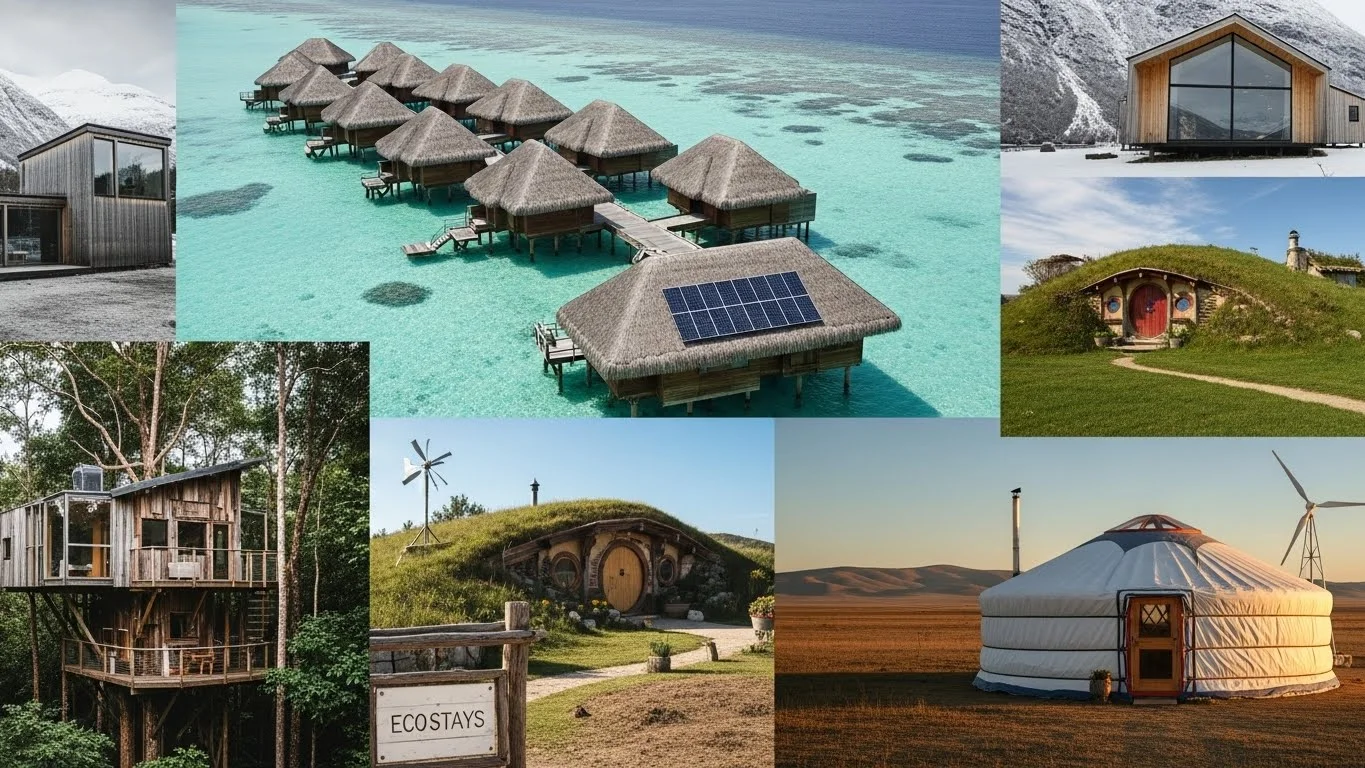
Understanding Eco-Friendly Accommodations
What Defines Eco-Friendly Accommodations?
When I first started looking into eco-friendly accommodations, I realized that it wasn’t just about staying in a place that claimed to be “green.” It’s about understanding the values and practices that define these spaces. Eco-friendly accommodations prioritize sustainability by reducing their environmental impact. This can mean using renewable energy sources, implementing water conservation measures, sourcing food locally, and ensuring that their operations minimize waste. I found it fascinating how many different approaches places can take to be eco-conscious, from luxury resorts to simple hostels.
For instance, I remember staying at a charming eco-resort nestled in the mountains. Not only did they use solar panels for energy, but they also had a garden where they grew their own vegetables. Eating fresh, organic food while being surrounded by nature made the experience even more rewarding. It was clear that the owners truly cared about the environment and their guests.
The Importance of Sustainable Travel
As I delved deeper into sustainable travel, I realized how crucial it is for our planet. The tourism industry can significantly impact the environment, from carbon footprints to waste generation. By choosing eco-friendly accommodations, we contribute to a more sustainable future. I started thinking about how my travel choices could either harm or help the planet. Top 10 Eco-Friendly Accommodations for Budget Backpackers provide some excellent options for those looking to travel responsibly on a budget.
In my travels, I’ve noticed that many eco-friendly places engage with the local community. They often employ local staff, support local artisans, and promote cultural experiences that benefit residents. This not only helps preserve the local culture but also ensures that the benefits of tourism are shared with the community. I feel more connected to the places I visit when I know my presence supports local livelihoods.
Types of Eco-Friendly Accommodations
Eco-Resorts
Eco-resorts are often my favorite choice when seeking sustainable lodging. These resorts typically focus on luxury while maintaining a commitment to environmental stewardship. I remember visiting an eco-resort in Costa Rica that utilized natural materials in construction and offered eco-friendly excursions. They provided opportunities to explore the local wildlife responsibly, ensuring that guests could enjoy nature without causing harm.
Green Hotels
Green hotels can be found in urban settings, and they often implement sustainable practices like energy-efficient lighting and recycling programs. During a recent city trip, I chose a green hotel that featured a rooftop garden and served organic meals. It surprised me how urban spaces could incorporate eco-friendly principles, making my stay enjoyable and guilt-free.
Hostels with a Conscience
If you’re traveling on a budget, eco-friendly hostels are a fantastic option. I’ve stayed in several hostels that prioritize sustainability by using recycled materials, offering communal kitchens, and promoting local activities. These places foster a sense of community and often provide opportunities to meet like-minded travelers. One of my favorite hostels even organized beach clean-ups, allowing guests to give back while having fun. You can find more about such options in Top Eco-Friendly Accommodations for Budget Backpackers.
Eco-Friendly Vacation Rentals
Vacation rentals can also be eco-friendly, especially when they incorporate sustainable features. I once rented a cabin that was built from reclaimed wood and had a composting toilet. It was a unique experience that made me appreciate the effort behind sustainable living. I recommend looking for properties that have green certifications or those that emphasize their eco-friendly practices in their listings.
As I explored these different types of eco-friendly accommodations, I realized that sustainability is not just a checkbox; it’s a lifestyle. Each place I stayed at taught me something new about the importance of preserving our environment and the beauty of traveling with intention. Whether it’s a luxurious eco-resort or a simple hostel, the choices we make can lead to experiences that resonate deeply with our values. I hope to share more about where to find these incredible places around the world soon!
Top Eco-Friendly Destinations Worldwide
North America
Best Eco-Friendly Hotels in the USA
When it comes to eco-friendly hotels in the USA, I’ve come across some remarkable options that really stand out. For instance, I visited a hotel in California’s Napa Valley that not only focused on sustainable wine production but also implemented green practices throughout their property. The hotel had solar panels, offered electric car charging stations, and even had a zero-waste policy in their dining options. Every time I indulged in their delicious farm-to-table meals, I felt even better knowing that my choices supported local farmers and sustainable practices.
Another gem I discovered was a boutique hotel in New York City that prioritized sustainability without sacrificing luxury. The rooms were filled with organic linens, energy-efficient appliances, and even a small herb garden on the rooftop. It was a delight to unwind in such a beautifully designed space that felt good both for me and the environment.
Canadian Eco-Lodges
Canada has its fair share of eco-lodges that celebrate the great outdoors while respecting the environment. One lodge I absolutely loved was in British Columbia, surrounded by stunning forests and mountains. They emphasized conservation and offered guided nature tours that educated guests about the local ecosystem. I remember taking part in a nature walk where the guide shared stories of the area’s wildlife and natural features, which made me appreciate the beauty around me even more.
In Quebec, I found a charming eco-lodge that combined rustic charm with modern sustainable practices. They sourced all their food from local farms and emphasized the use of renewable energy. Staying there felt like a true retreat into nature, where I could disconnect and really immerse myself in the stunning landscapes.
Europe
Green Stays in Scandinavia
Scandinavia is a leader in sustainability, and their eco-friendly accommodations reflect that. In Sweden, I stayed at a hotel that not only focused on reducing waste but also featured a sauna powered by renewable energy. Each morning, I enjoyed a breakfast buffet filled with organic products sourced from local farmers, which made my stay feel even more special. The combination of breathtaking views and eco-conscious practices left a lasting impression on me.
In Norway, I discovered a beautiful eco-lodge that offered traditional cabins made from sustainable materials. They encouraged outdoor activities like hiking and kayaking that allowed me to explore the stunning fjords while respecting the environment. I felt a deep connection to nature during my stay, and it was a wonderful reminder of how we can enjoy the great outdoors sustainably.
Eco-Friendly Accommodations in Southern Europe
Traveling through Southern Europe, I was impressed by the variety of eco-friendly accommodations available. In Italy, I stumbled upon a vineyard that offered eco-friendly lodging options. Here, I was able to partake in grape harvesting and learn about organic farming practices. The experience was both educational and delicious, as I savored their organic wines while lounging in the vineyard’s beautiful surroundings.
In Greece, I found a small eco-hotel that emphasized energy conservation and water-saving techniques. They incorporated renewable energy sources, and I loved that they provided guests with reusable water bottles to reduce plastic waste. The views of the Aegean Sea from my room were breathtaking, and knowing that I was making a positive impact during my stay made it even more rewarding.
Asia
Eco-Resorts in Southeast Asia
Southeast Asia is known for its stunning landscapes and rich cultures, and I’ve had the pleasure of experiencing some amazing eco-resorts in the region. In Thailand, I stayed at a resort that was committed to marine conservation. They organized beach clean-ups and educated guests on how to protect the ocean while enjoying its beauty. It was inspiring to see how the resort integrated conservation efforts into their guest experience.
In Indonesia, I visited an eco-resort on a small island that used sustainable building practices and focused on preserving the local environment. The staff shared their commitment to protecting the coral reefs, and I loved that I could snorkel in pristine waters while knowing I was supporting their efforts. It was an unforgettable experience that reinforced my belief in the importance of eco-friendly travel.
Green Hotels in Japan
Japan also has impressive eco-friendly hotels that blend tradition with sustainability. During my visit to Kyoto, I stayed at a ryokan that focused on minimizing waste and using local, organic ingredients in their meals. The experience of sleeping on tatami mats and enjoying traditional Japanese hospitality while supporting sustainable practices was truly special. I felt like I was stepping into a different world, and it was fascinating to see how they incorporated eco-friendly practices into their cultural traditions.
Australia and New Zealand
Eco-Friendly Lodging in Australia
Australia is home to some fantastic eco-friendly lodging options. I remember staying in a lodge in the middle of the rainforest. They emphasized conservation and biodiversity, which was evident in their design and operations. Every part of my stay felt connected to the surrounding nature, from the organic meals to the eco-friendly toiletries provided in the rooms.
New Zealand’s Sustainable Stays
In New Zealand, I found that eco-lodges often celebrate the breathtaking landscapes while prioritizing sustainability. One of my favorite stays was at a lodge that utilized geothermal energy and promoted local culture. I appreciated the chance to learn about the indigenous Māori culture and how they incorporate sustainability into their way of life. It was a beautifully enriching experience that combined adventure with a deeper understanding of the land.
Africa
Eco-Lodges in South Africa
South Africa is home to some incredible eco-lodges that allow you to experience the beauty of wildlife while prioritizing sustainability. I had the chance to stay at a lodge in Kruger National Park that emphasized conservation and responsible tourism. The lodge employed local staff and engaged with the community, making my stay feel even more meaningful. Going on safari while knowing that my visit contributed to conservation efforts was an unforgettable experience.
Green Camps in Kenya
Kenya is another destination that showcases eco-friendly accommodations beautifully. I stayed at a tented camp that blended luxury with a commitment to sustainability. They focused on minimizing their environmental impact while offering guests an authentic experience of the African savannah. The sounds of nature and the chance to witness wildlife in their natural habitat made for a magical adventure. It was a reminder of how important it is to protect these incredible ecosystems.
Key Features of Eco-Friendly Accommodations
Renewable Energy Sources
One of the most impactful features I’ve noticed in eco-friendly accommodations is their use of renewable energy sources. During my travels, I’ve stayed at places that harness solar, wind, or even geothermal energy. For instance, at an eco-lodge in Iceland, the entire property was powered by geothermal energy, which was not only sustainable but also remarkably efficient. It felt good knowing that my stay was minimizing reliance on fossil fuels. I remember marveling at how the lodge integrated this energy source into their daily operations, from heating the water to powering the lights. It made me think about how renewable energy could change the way we travel.
Water Conservation Practices
Water conservation is another crucial element of eco-friendly accommodations. I’ve seen places that implement innovative solutions to reduce water consumption, such as low-flow fixtures and rainwater harvesting systems. During my visit to a remote eco-resort in Belize, I discovered how they collected rainwater for showers and toilets. I was impressed by how they managed to maintain comfort while being mindful of a precious resource. Staying in such places made me more aware of my own water usage, prompting me to adopt similar practices at home. It’s incredible how a little mindfulness can go a long way in preserving our environment.
Locally Sourced Food and Materials
Another aspect I truly appreciate in eco-friendly accommodations is the emphasis on sourcing food and materials locally. On my trip to a vineyard in Tuscany, I enjoyed meals prepared with ingredients harvested just minutes away. The freshness of the food was evident, and it felt great to support local farmers. Not only did this practice reduce the carbon footprint associated with transporting food, but it also enhanced my overall experience. I remember savoring organic tomatoes, basil, and homemade pasta, all while soaking in the stunning views of the rolling hills. It was a delightful reminder of how food can connect us to the land and its people.
Waste Reduction Strategies
Waste reduction is a significant focus for many eco-friendly accommodations. I’ve noticed various strategies aimed at minimizing waste, from composting to recycling programs. At a boutique hotel I visited in Amsterdam, they had clearly marked bins for recycling, compost, and regular trash, making it easy for guests to participate. They also provided refillable toiletries, reducing the number of plastic bottles used. One of my favorite moments there was when I participated in a workshop on creating reusable bags from old sheets. It was not only fun but also a creative way to think about waste reduction. Staying in places that prioritize waste management made me rethink my own habits and inspired me to make changes in my daily life.
How to Choose the Right Eco-Friendly Accommodation
Assessing Certifications and Ratings
When it comes to choosing the right eco-friendly accommodation, assessing certifications and ratings is crucial. I’ve learned that certain certifications, such as LEED (Leadership in Energy and Environmental Design) or Green Key, can help identify genuinely sustainable properties. I remember planning a trip and spending time researching these certifications, which made me feel more confident about my choices. It’s essential to look for accommodations that are transparent about their practices and have credible certifications; this often indicates their commitment to sustainability.
Researching Eco-Friendly Practices
Another step I take is researching the specific eco-friendly practices of a place before booking. I often find it helpful to check the accommodation’s website or read through their descriptions on booking platforms. In one case, I booked a stay at a lodge in Costa Rica that highlighted their commitment to wildlife conservation and community engagement. Reading about their efforts made me even more excited about my trip. I appreciate when accommodations share their sustainability initiatives, as it gives me insight into how my stay can make a difference.
Reading Guest Reviews
Reading guest reviews is also a valuable part of my decision-making process. I find that travelers often share their experiences regarding the sustainability efforts of accommodations. On one of my trips, I came across reviews mentioning how a hotel in Thailand actively participated in local conservation projects. It was heartwarming to see guests appreciating these efforts, and it solidified my choice to stay there. Reviews can provide real-life insights into how eco-friendly practices are implemented and can help steer me toward places that truly care about sustainability.
Benefits of Staying in Eco-Friendly Accommodations
Supporting Local Communities
One of the most rewarding aspects of staying in eco-friendly accommodations is the opportunity to support local communities. I’ve experienced firsthand how eco-lodges and hotels often employ local staff and source products from nearby artisans. For example, during my stay at a village homestay in Thailand, I got to know the family running the place, and I learned about their culture and traditions. It felt gratifying to know that my stay contributed to their livelihood and preserved their way of life. Supporting local communities enriches our travels and fosters meaningful connections.
Reducing Your Carbon Footprint
Staying in eco-friendly accommodations can significantly reduce your carbon footprint. I’ve often felt empowered knowing that my choices, from where I sleep to what I eat, contribute to a more sustainable travel experience. The first time I stayed at a solar-powered lodge, I was amazed by how much energy we could save simply by choosing the right place. It reminded me that every little action counts when it comes to caring for our planet, and it encouraged me to be more mindful of my environmental impact in everyday life.
Enhanced Travel Experiences
Finally, eco-friendly accommodations often provide enhanced travel experiences. They tend to offer unique activities that connect you to the environment and local culture. One of my most memorable experiences was participating in a wildlife conservation project during my stay at an eco-resort. This hands-on involvement not only deepened my understanding of the area but also made my travels feel more meaningful. I believe that when we travel responsibly, we create memories that last a lifetime while also leaving a positive impact on the world.
Frequently Asked Questions
What are eco-friendly accommodations?
Eco-friendly accommodations are places that prioritize sustainability and aim to reduce their environmental impact. This includes practices like using renewable energy, conserving water, sourcing food locally, and minimizing waste.
What types of eco-friendly accommodations are available?
There are several types of eco-friendly accommodations, including eco-resorts, green hotels, hostels with a conscience, and eco-friendly vacation rentals. Each type offers unique features that support sustainable travel.
How do eco-resorts contribute to sustainability?
Eco-resorts often focus on luxury while committing to environmental stewardship. They may utilize natural materials, offer eco-friendly excursions, and provide opportunities to explore local wildlife responsibly.
What practices do green hotels implement?
Green hotels typically implement sustainable practices such as energy-efficient lighting, recycling programs, rooftop gardens, and serving organic meals to promote eco-conscious stays in urban settings.
How do eco-friendly hostels support sustainability?
Eco-friendly hostels prioritize sustainability by using recycled materials, offering communal kitchens, promoting local activities, and often organizing events like beach clean-ups for guests to engage in community service.
What are the benefits of staying in eco-friendly accommodations?
Staying in eco-friendly accommodations supports local communities, reduces your carbon footprint, and often provides enhanced travel experiences through unique activities that connect you to the environment and local culture.
How can I assess the sustainability of an accommodation?
To assess sustainability, look for certifications like LEED or Green Key, research the accommodation’s eco-friendly practices, and read guest reviews that highlight their sustainability efforts.
What role does locally sourced food play in eco-friendly accommodations?
Locally sourced food reduces the carbon footprint associated with transportation and supports local farmers. Many eco-friendly accommodations emphasize using fresh, local ingredients in their meals.
Why is water conservation important in eco-friendly accommodations?
Water conservation is crucial because it helps preserve this precious resource. Eco-friendly accommodations often implement solutions such as low-flow fixtures and rainwater harvesting systems to reduce water usage.
How can choosing eco-friendly accommodations impact my travel experience?
Choosing eco-friendly accommodations can enhance your travel experience by connecting you with local culture and environment, providing unique activities, and allowing you to contribute positively to the places you visit.