
Embarking on an eco-friendly camping adventure not only enriches our connection to nature but also helps preserve it for future generations. Let’s dive into the world of sustainable backpacking and explore how we can make a difference while enjoying the great outdoors. Read Interesting article: The Ultimate Guide to Eco-Friendly Lodging for Travelers
Understanding Eco-Friendly Camping
Definition of Eco-Friendly Camping
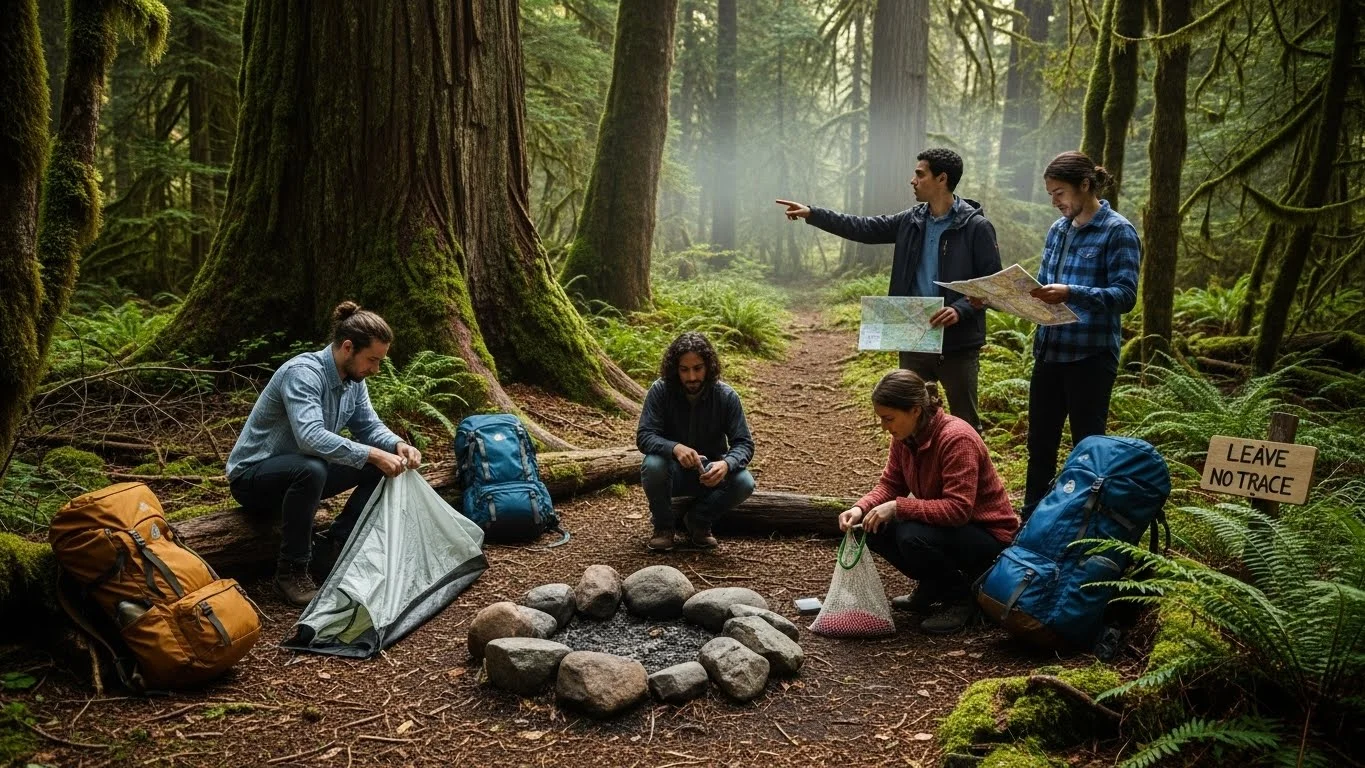
Eco-friendly camping, to me, is all about minimizing our impact on the environment while enjoying the beauty of nature. It involves making conscious choices that support sustainability, like using environmentally friendly gear, practicing responsible waste management, and respecting the natural habitats we explore. I’ve found that adopting eco-friendly practices during camping can transform the experience into something more meaningful and rewarding.
The Importance of Sustainability in Outdoor Activities
As I’ve spent more time outdoors, I’ve noticed how essential it is to protect the landscapes we love. Sustainable practices in outdoor activities are crucial because they help preserve the ecosystems that give us joy and adventure. With climate change and habitat destruction becoming more pressing issues, we, as outdoor enthusiasts, have a responsibility to advocate for the environment. I believe that every small effort counts, whether it’s choosing a sustainable campsite or opting for eco-friendly products. This mindset not only benefits the planet but enhances our camping experiences, allowing us to connect with the environment on a deeper level.
Benefits of Eco-Friendly Camping for Backpackers
From my experience, eco-friendly camping offers numerous advantages that can enhance any backpacking trip. Here are a few key benefits that I’ve discovered:
- Connection with Nature: Camping sustainably encourages us to immerse ourselves in the environment. When I consciously choose to leave no trace, I feel more attuned to the surroundings, appreciating the sights and sounds that nature offers.
- Healthier Choices: Sustainable camping often leads to healthier choices, both in food and gear. I’ve found that preparing meals with whole, plant-based ingredients not only tastes better but also leaves less waste behind.
- Community Building: Choosing eco-friendly practices often connects us with like-minded individuals. I’ve met many fellow campers who share my passion for the environment, leading to friendships built on mutual respect and love for nature.
- Long-Term Impact: By practicing eco-friendly camping, we contribute to the longevity of the places we cherish. Knowing that my actions today can help ensure future generations can experience the same beauty makes every camping trip feel worthwhile.
These benefits have transformed the way I approach camping. It’s no longer just about escaping the hustle and bustle of daily life; it’s about nurturing the planet we all share. I’ve found that as I embrace these eco-friendly practices, my adventures become more fulfilling and impactful.
As I continue to explore the outdoors, I realize that eco-friendly camping isn’t just a trend; it’s a lifestyle choice that resonates deeply with me. The commitment to sustainability not only enhances my camping experiences but also ensures that I’m leaving a positive mark on the world around me. I invite you to join me on this journey of discovery, where each step we take toward sustainable camping brings us closer to the beautiful, unspoiled nature we all love.
Essential Eco-Friendly Gear and Equipment
Sustainable Tents and Shelters
When it comes to camping, choosing the right shelter is crucial. I’ve always felt that a good tent not only keeps us dry but also can reflect our values. There are many brands now offering sustainable tents made from recycled materials. I remember purchasing a tent that was not only lightweight and durable but also manufactured with minimal environmental impact. It’s made from recycled polyester, which made me feel good knowing that I was reducing waste while enjoying my outdoor adventures. Plus, these tents often have features designed for energy efficiency, like reflective coatings that help with temperature regulation. I’ve found that investing in quality, eco-friendly shelters enhances my camping experience and aligns with my commitment to sustainability.
Biodegradable Sleeping Bags and Pads
After a long day of hiking, there’s nothing quite like curling up in a warm sleeping bag. I’ve learned that many companies now produce sleeping bags and pads that are biodegradable or made from sustainable materials. For instance, I recently tried a sleeping bag made with organic cotton and recycled insulation. Not only was it comfortable, but I felt reassured knowing it wouldn’t contribute to landfill waste. I also recommend looking for sleeping pads that are made from non-toxic materials. Choosing biodegradable options allows us to enjoy a cozy night’s sleep while being kind to the planet. Every little choice counts, and for me, this one has led to countless restful nights under the stars.
Eco-Conscious Cooking Gear
Cooking outdoors can be one of the most enjoyable parts of camping. I’ve discovered that there are plenty of eco-friendly cooking tools available. For example, I swapped my old metal cooking set for a set made from lightweight, recycled aluminum. It’s not only sustainable but also easy to carry. Additionally, I use a portable stove that runs on biofuels, which has significantly reduced my carbon footprint while cooking. I’ve found that packing reusable utensils, plates, and containers made from bamboo or recycled materials minimizes waste and elevates my outdoor dining experience. Cooking sustainably in the wild has opened up new flavors and experiences for me, making every meal feel special.
Reusable Water Bottles and Filtration Systems
Staying hydrated while camping is essential, and I can’t stress enough how important it is to choose sustainable water solutions. I’ve ditched single-use plastic bottles in favor of a high-quality reusable water bottle. It’s insulated, keeping my drinks cold, and I can refill it at water sources along the trail. I also use a portable water filtration system that removes impurities and makes tap water safe to drink. This setup not only cuts down on plastic waste but also allows me to explore places without worrying about carrying extra water. Knowing that I can stay hydrated without harming the environment gives me peace of mind on my adventures.
Solar-Powered Gadgets
Incorporating solar-powered gadgets into my camping gear has been a game-changer. I remember my first camping trip where I brought along a small solar charger. It was amazing to see how efficiently it powered my devices during the day. From lanterns to phone chargers, solar technology has become more accessible and effective. I’ve found that having a reliable source of renewable energy enhances my outdoor experience without the guilt of using traditional batteries. Plus, it feels great to harness the sun’s energy while exploring the great outdoors. I recommend investing in solar-powered gadgets to make your camping trip not only more convenient but also more environmentally friendly.
Top Eco-Friendly Camping Destinations for Backpackers
National Parks Committed to Sustainability
One of my favorite ways to experience eco-friendly camping is by visiting national parks that prioritize sustainability. Parks like Yellowstone and Yosemite have implemented numerous green initiatives, from renewable energy sources to recycling programs. I remember my trip to Glacier National Park, where I was impressed by their efforts in preserving natural habitats and promoting conservation education. Camping in these parks not only allows us to enjoy stunning landscapes but also supports their commitment to sustainability. I encourage everyone to discover these beautiful locations, where responsible tourism meets breathtaking nature. Read Interesting article: Explore Community-Based Tourism: Eco-Friendly Travel Tips
Eco-Resorts and Campsites
For those who prefer a more comfortable camping experience without compromising sustainability, eco-resorts and campsites are fantastic options. I was pleasantly surprised when I stayed at an eco-resort that focused on minimizing waste and promoting local biodiversity. The staff was incredibly knowledgeable about sustainable practices, and it felt great to support a business that aligns with my values. These places often provide unique accommodations, like treehouses or yurts, surrounded by nature. They often offer educational workshops on sustainability, which adds another layer to the experience. If you’re looking for a blend of comfort and eco-friendliness, I highly recommend checking out eco-resorts on your next adventure.
Backpacking Trails with Low Environmental Impact
Finding trails that prioritize low environmental impact can elevate your backpacking experience. I remember hiking on a trail that had seen significant efforts to reduce erosion and maintain native flora. The park had informative signs explaining their conservation efforts, which made me feel even more connected to the area. I’ve learned that many regions offer well-maintained trails that promote sustainability, allowing us to enjoy nature while protecting it. Researching and choosing trails that are known for their eco-conscious practices can enhance our adventures and increase our appreciation for the environment.
Eco-Friendly Camping Practices
Leave No Trace Principles
One of the most important practices I’ve adopted while camping is the Leave No Trace principles. These guidelines serve as a reminder to minimize our impact on the environment, ensuring that nature remains pristine for those who come after us. I remember my first camping trip where I learned about these principles, and it completely changed how I view my outdoor adventures. The idea is simple: whatever we bring in, we take out. This includes not just our trash but also any leftover food waste. I’ve found it incredibly rewarding to pack out everything I brought along, leaving the campsite just as beautiful as I found it. Additionally, I always choose established campsites to avoid damaging fragile ecosystems, and I’ve noticed that this practice fosters a greater appreciation for the natural world around me.
Wildlife Conservation Awareness
During my time camping, I’ve developed a deeper awareness of wildlife conservation. It’s fascinating to observe animals in their natural habitats, and I’ve come to realize how crucial it is to respect their space. I make it a point to educate myself about the local wildlife, understanding their behaviors and habitats before embarking on a trip. For instance, I learned about the importance of not feeding animals, as it can disrupt their natural foraging habits and lead to dependency on human food. I remember feeling a sense of responsibility when I spotted a bear in the distance during a hike. Instead of trying to get closer for a photo, I quietly admired from afar, appreciating the beauty of the moment while allowing the bear to go about its day undisturbed. This respect for wildlife has enriched my camping experiences and underscored the need for conservation in each area I explore.
Waste Management: Composting and Recycling
Waste management is another vital aspect of eco-friendly camping that I’ve embraced. Rather than simply throwing everything into a trash bag, I’ve started incorporating composting into my trips. I remember the first time I set up a small composting system at my campsite; it felt like I was making a difference right there in the wilderness. I use a lightweight container to collect organic scraps like fruit peels and leftover veggies, ensuring they break down naturally instead of going to a landfill. I also look for recycling options along the way. Many campsites and parks now have recycling bins, and I’ve made it a habit to sort my waste as I go. This practice not only feels good but also encourages others around me to think about their waste and its impact on the environment.
Water Conservation Techniques
Water is one of our most precious resources, and I’ve learned to be mindful of my usage while camping. I always bring a collapsible water container that allows me to collect water for cooking and cleaning while minimizing waste. When I camp, I often find myself at beautiful lakes or rivers. I’ve started using biodegradable soaps for washing dishes and myself, ensuring that I don’t harm the aquatic ecosystems. On a recent trip, I was amazed by how little water I needed for cleaning by simply using a small basin to wash my dishes instead of running water. This not only conserved water but also made my cleanup faster and more efficient. I believe that by practicing mindful water use, we can enjoy our camping trips while also protecting the vital resources we often take for granted.
Food and Nutrition: Eating Sustainably While Camping
Plant-Based Meal Ideas for Backpackers
Eating sustainably while camping is one of my favorite aspects of preparing for a trip. I’ve switched to more plant-based meals, which are often lighter to carry and leave less impact on the environment. Some of my go-to meals include quinoa salad packed with fresh veggies and chickpeas or a hearty vegetable curry that I can make with minimal ingredients. I remember the first time I cooked a one-pot pasta dish over my camp stove; it was not only delicious but also easy to clean up afterward. I find that these meals are not only satisfying but also energizing for those long hikes. Plus, they often require less packaging than traditional camping foods, which makes my trips even more eco-friendly. Planning my meals around whole, plant-based ingredients has truly transformed how I fuel my adventures.
How to Source Local Ingredients
One exciting aspect of camping is the opportunity to source local ingredients. Before a trip, I try to visit local farmer’s markets to pick up fresh produce. This not only supports local farmers but also reduces the carbon footprint associated with transporting goods. I remember one camping trip where I bought some ripe tomatoes and zucchini from a nearby market, and they made the best addition to my pasta dish. It felt great to know where my food came from, and eating local made my meals even more enjoyable. I encourage others to seek out local ingredients; you never know what delicious flavors you might discover while supporting your community!
Packaging-Free Food Options
On my journey to eat sustainably while camping, I’ve been on the lookout for packaging-free food options. I’ve started using reusable bags to store snacks like nuts, dried fruits, and granola. This not only cuts down on plastic waste but also keeps my food fresh and accessible during hikes. I discovered that many bulk food stores offer package-free options, allowing me to fill up my own containers with just the right amount of what I need for my trip. I remember feeling accomplished when I packed a week’s worth of snacks without using any single-use plastic. These small changes make a big difference, and I find that they add an extra layer of enjoyment to my camping meals.
Planning Your Eco-Friendly Camping Trip
Choosing the Right Season for Eco-Friendly Camping
When planning an eco-friendly camping trip, I always consider the season. Each season offers unique experiences, but they can also impact the environment differently. I remember my first spring camping trip when wildflowers were in full bloom, creating breathtaking scenery. However, I also learned that some areas can be sensitive to foot traffic during this time. I now make it a point to research the best times to visit specific locations, as it helps me avoid disrupting fragile ecosystems. For instance, in the fall, I enjoy camping in areas where the leaves create a stunning display of colors, but I pay attention to regulations that protect wildlife during their mating seasons. Understanding the seasonal dynamics can enhance our experience while respecting nature’s delicate balance.
Permits and Regulations for Eco-Friendly Sites
Before heading out, I always check if the camping area requires permits or has specific regulations. These guidelines are in place to protect the environment and ensure that all campers have a safe and enjoyable experience. I recall a trip where I was caught off guard by a fire ban in a popular national park. While it was disappointing not to have a campfire, I learned the importance of following these rules for the well-being of the environment. I’ve found that many parks and forests have websites detailing their regulations, which can include everything from campfire restrictions to waste disposal guidelines. Taking the time to understand these rules not only helps me comply with the law but also shows my commitment to eco-friendly practices.
How to Prepare for Weather Conditions
Weather can be unpredictable, and I’ve learned the hard way that being unprepared can lead to uncomfortable or even dangerous situations. I remember one camping trip when a sudden storm rolled in, catching me off guard. Since then, I’ve made it a point to check the weather forecast before heading out and pack accordingly. Layers are my best friends now, as they allow me to adapt to changing temperatures. I also invest in gear that can withstand rain and wind, like waterproof jackets and durable tents. By preparing for weather conditions, I can enjoy my adventure while keeping my environmental impact in mind, ensuring I don’t leave behind any waste from damaged gear.
Community and Eco-Friendly Camping Groups
Joining Sustainable Backpacking Communities
Connecting with others who share my passion for eco-friendly camping has been one of the most rewarding aspects of my journey. I’ve joined several sustainable backpacking communities online and locally, where we share tips, experiences, and resources. These groups often organize events like clean-up hikes and workshops on sustainable practices, which not only help the environment but also foster friendships. I remember attending a local meet-up where we discussed ways to reduce our footprint while camping, and I left with a wealth of knowledge and new friends. Engaging with like-minded individuals fuels my motivation to keep exploring while caring for our planet.
Volunteer Opportunities in Conservation Projects
One of the best ways to give back to nature while camping is through volunteer opportunities in conservation projects. I’ve participated in a few initiatives where we worked on trail maintenance, tree planting, and habitat restoration. These experiences have been incredibly fulfilling, allowing me to contribute to the places I love. I remember feeling a sense of pride after a day of planting trees in a local park, knowing that I was helping to create a more sustainable future. Many organizations offer volunteer programs, and I encourage everyone to look for opportunities that resonate with them. It’s a beautiful way to connect with nature while making a positive impact.
Tips for Beginners: Starting Your Eco-Friendly Camping Journey
What to Know Before You Go
Starting your eco-friendly camping journey can be exhilarating, but there are a few things I wish I had known when I first began. First, start simple. I remember trying to pack everything I thought I needed, only to realize that less is more. Focusing on essential eco-friendly gear, like a reusable water bottle and biodegradable soap, can make a significant difference. Additionally, it’s crucial to educate yourself about the area you plan to visit. Understanding local wildlife, plants, and regulations can enhance your experience and ensure you respect the environment.
Budgeting for Eco-Friendly Camping
While it might seem that eco-friendly camping can be more expensive, I’ve found that it can also save you money in the long run. I recommend setting a budget that allows for quality gear that lasts longer and reduces waste. For example, investing in a durable, reusable water bottle means I won’t need to constantly buy single-use plastic ones. I also keep an eye out for local farmer’s markets for affordable, fresh ingredients for meals. By budgeting wisely, I can enjoy my trips without breaking the bank.
Safety Tips for Eco-Conscious Campers
Safety is paramount, especially when embracing eco-friendly practices. I always prioritize safety by packing a first-aid kit and learning basic survival skills. I’ve also learned the importance of keeping food stored properly to avoid attracting wildlife, which can lead to dangerous encounters. Additionally, inform someone about your plans and expected return time. Connecting with nature should be a safe and enjoyable experience, and being prepared can help ensure that.
Final Thoughts
As I reflect on my journey into eco-friendly camping, I realize how deeply it has enriched my adventures and connection with nature. Each step I’ve taken toward sustainability has not only benefited the environment but has also made my camping experiences more meaningful. I truly believe that by embracing eco-friendly practices, we can all enjoy the great outdoors while preserving it for future generations. I encourage you to dive into this lifestyle, explore responsibly, and be a steward of the Earth, because every effort counts. Let’s venture into nature with respect, love, and a commitment to sustainability. Read Interesting article: The Best Eco-Friendly Accommodations for Every Budget
Frequently Asked Questions
What is eco-friendly camping?
Eco-friendly camping involves minimizing our impact on the environment while enjoying nature. It includes making conscious choices that support sustainability, such as using environmentally friendly gear, practicing responsible waste management, and respecting natural habitats.
Why is sustainability important in outdoor activities?
Sustainable practices in outdoor activities help preserve ecosystems and protect the landscapes we enjoy. With pressing issues like climate change and habitat destruction, outdoor enthusiasts have a responsibility to advocate for the environment, and every small effort counts.
What are the benefits of eco-friendly camping for backpackers?
Benefits include a deeper connection with nature, healthier food choices, community building with like-minded individuals, and contributing to the long-term preservation of natural areas.
What kind of gear should I consider for eco-friendly camping?
Recommended gear includes sustainable tents made from recycled materials, biodegradable sleeping bags and pads, eco-conscious cooking gear, reusable water bottles and filtration systems, and solar-powered gadgets.
What are some eco-friendly camping destinations?
National parks committed to sustainability, eco-resorts, and campsites that focus on minimizing waste and promoting biodiversity are great eco-friendly camping destinations.
What are the Leave No Trace principles?
Leave No Trace principles are guidelines that remind campers to minimize their environmental impact, ensuring that nature remains pristine for future visitors. This includes packing out all trash and leftover food waste.
How can I manage waste while camping?
Incorporate composting into your camping routine by collecting organic scraps and using recycling bins when available. This helps reduce landfill waste and encourages others to do the same.
What are some sustainable meal ideas for camping?
Plant-based meal ideas for camping include quinoa salad with fresh veggies, hearty vegetable curries, and one-pot pasta dishes that are easy to prepare and clean up.
How can I ensure I am prepared for weather conditions while camping?
Check the weather forecast before your trip, pack layers for changing temperatures, and invest in waterproof gear. Being prepared helps ensure a safe and enjoyable camping experience.
How can I get involved in eco-friendly camping communities?
Joining sustainable backpacking communities online or locally can connect you with others who share your passion. Participate in events like clean-up hikes and workshops to learn more and contribute to the environment.