
Exploring the world doesn’t have to break the bank! Discovering UNESCO World Heritage Sites can be a thrilling adventure that combines culture, history, and nature—all while staying within a budget. Let’s dive into what makes these sites special and how we can experience them affordably.
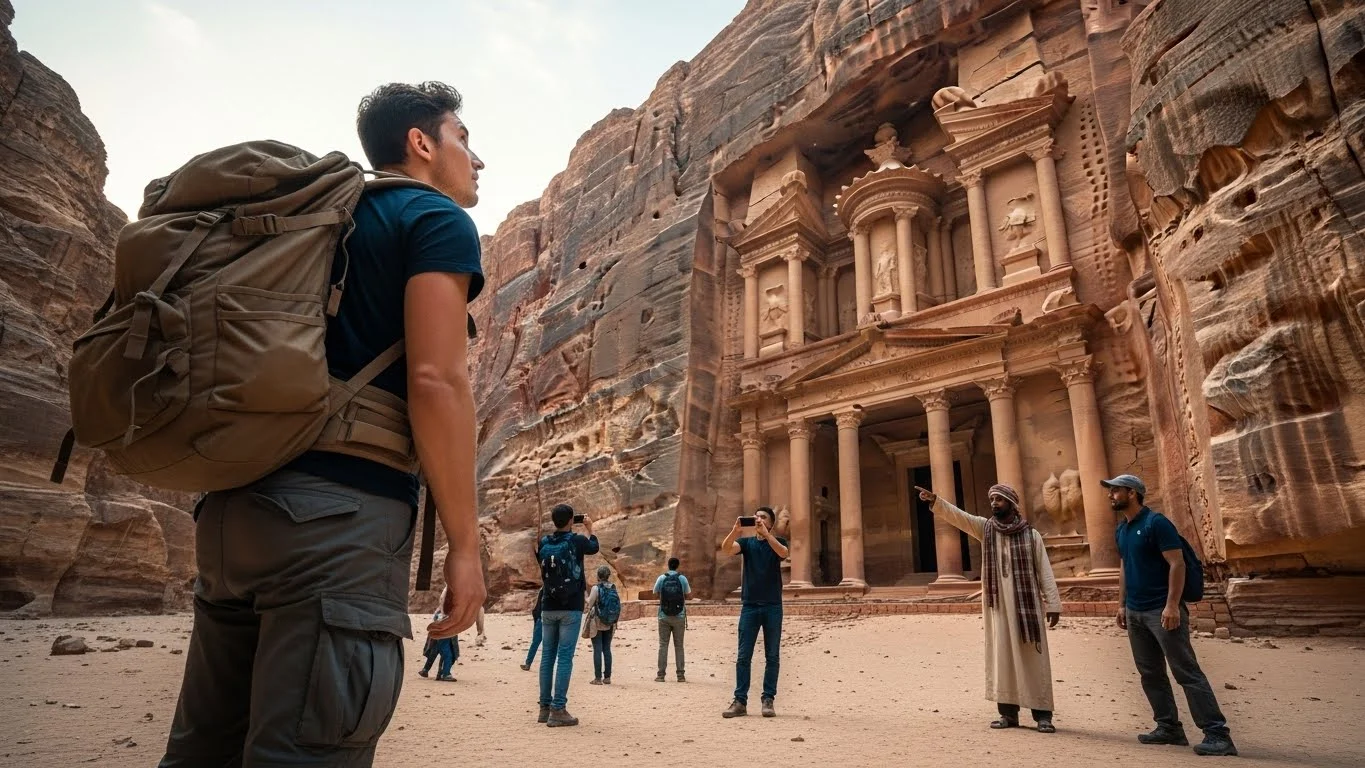
Understanding UNESCO World Heritage Sites
What is a UNESCO World Heritage Site?
When I first learned about UNESCO World Heritage Sites, I was fascinated. These locations are recognized for their outstanding cultural or natural importance to humanity. UNESCO, or the United Nations Educational, Scientific and Cultural Organization, officially designates these sites to promote their preservation and protection. From ancient ruins to breathtaking landscapes, each site tells a unique story about our planet’s rich heritage. I remember the excitement I felt when I visited my first site; it was like stepping into a living history book.
Significance of UNESCO Designation
The significance of a UNESCO designation goes beyond tourism; it’s about safeguarding our global heritage. These sites often attract millions of visitors, which can help raise funds for conservation efforts. I’ve seen firsthand how this designation can elevate local communities, providing jobs and promoting cultural exchange. It feels like being part of a global family, united by our shared history and appreciation for beauty. The sites often serve as a reminder of what we risk losing if we don’t take care of our planet.
Types of World Heritage Sites
UNESCO categorizes its World Heritage Sites into three main types: cultural, natural, and mixed. Each type has its own charm and significance. Cultural sites include monuments, cities, and archaeological sites that highlight the creativity and achievements of humanity. I’ve marveled at stunning architectural wonders that reflect different eras and cultures. Natural sites, on the other hand, showcase the earth’s natural beauty—think majestic mountains, vibrant coral reefs, and expansive national parks. When I hiked through a national park designated as a World Heritage Site, I felt a profound connection to nature. Finally, mixed sites contain elements of both cultural and natural significance, which makes them incredibly unique. I find that every site has its own vibe, inviting us to explore and experience its wonders.
Top UNESCO World Heritage Sites to Visit on a Budget
Historic Cities
Old City of Jerusalem
Visiting the Old City of Jerusalem was one of the most spiritually uplifting experiences for me. The streets are steeped in history, walking through them feels like a journey through time. The architecture showcases multiple cultures and religions, with sites like the Western Wall and the Church of the Holy Sepulchre nearby. What I loved most was that many historical sites can be explored for free or at a very low cost. Just roaming the narrow alleyways, sampling local street food, and soaking up the vibrant atmosphere is an adventure in itself.
City of Quito
Quito, nestled high in the Andes, is another gem worth exploring. It’s one of the best-preserved historic cities in Latin America. The blend of colonial architecture and indigenous culture amazed me. I remember wandering around Plaza Grande and indulging in some delicious local dishes. The best part? The city is quite affordable. You can find budget-friendly accommodations and enjoy free walking tours that give you a rich insight into its history. Read Interesting article: Top 10 Affordable UNESCO World Heritage Sites to Visit Now
Natural Wonders
Grand Canyon National Park
Ah, the Grand Canyon! Standing on the rim was one of those moments I’ll never forget. The sheer size and beauty of this natural wonder left me in awe. It’s a fantastic destination for nature lovers and outdoor enthusiasts. I discovered that there are plenty of budget options for exploring. Camping in the park can significantly cut costs, and hiking trails offer stunning views without a hefty price tag. I spent hours just soaking in the scenery, feeling grateful for nature’s masterpieces.
Great Barrier Reef
Diving or snorkeling in the Great Barrier Reef has always been on my bucket list. It’s like stepping into another world, filled with colorful marine life and vibrant corals. While tours can be pricey, I found that there are budget-friendly options available. Taking a ferry instead of a tour boat and exploring the coastline can save money while still allowing you to experience this natural wonder. Plus, I loved that I could take my time and explore at my own pace.
Cultural Heritage Sites
Acropolis of Athens
The Acropolis of Athens is a testament to ancient Greek civilization. Walking among the ruins, I felt as if I were part of history. What amazed me was how affordable it was to enter the site, especially considering its significance. I recommend going early in the morning to avoid crowds and enjoy a more intimate experience. The view of the city from the Acropolis is simply breathtaking.
Stonehenge
Stonehenge holds an air of mystery that I found captivating. Standing among the ancient stones, I felt an energy that was both calming and invigorating. While entry fees can be a bit steep, I discovered that walking along the nearby trails is free. You get to enjoy the landscape and see the stones from a distance without spending a dime. I even packed a picnic and spent the day enjoying the scenery, which turned out to be one of my favorite travel memories.
Budget Travel Tips for Visiting UNESCO Sites
Choosing the Right Time to Visit
One of the best ways I’ve found to save money when traveling to UNESCO World Heritage Sites is by planning my visits during the off-peak season. I remember visiting the Acropolis in early spring, and the weather was perfect, plus the crowds were much smaller. Prices for accommodations and flights often drop during these times, allowing us to stretch our budgets further. I recommend checking the peak tourist seasons for each site and trying to plan around them. Not only will you save money, but you’ll also have a more enjoyable experience without the hustle and bustle of large crowds.
Affordable Transportation Options
Getting to and around UNESCO sites can sometimes eat into your budget, but I’ve discovered that with a bit of planning, we can keep costs low. Public transportation is often an underappreciated option. I’ve taken trains and buses that not only save money but also provide a glimpse into the local lifestyle. In Italy, for example, I hopped on a regional train from Florence to Pisa to see the Leaning Tower. The fare was inexpensive, and the scenic views along the way were a bonus!
Public Transport vs. Renting a Car
While renting a car can offer freedom, it often comes with hidden costs like fuel, parking fees, and tolls. I’ve learned to weigh these options carefully. For instance, when I visited the historic cities of Europe, local trams and buses were usually more cost-effective and efficient. Plus, I could relax and enjoy the scenery instead of stressing over navigation. That said, if you do decide to rent a car, I recommend looking for deals online in advance and considering sharing the ride with friends to split costs.
Walking and Biking Opportunities
One of my favorite ways to experience UNESCO World Heritage Sites is by walking or biking. Many cities have bike rental stations or pedestrian-friendly areas that make exploring easy and enjoyable. I once rented a bike in Amsterdam and rode along the canals to visit several sites, all while taking in the charming scenery. Walking not only saves money but also allows for spontaneous discoveries. I often stumble upon local shops, cafes, or street performances that I wouldn’t have noticed otherwise.
Finding Budget Accommodation
Accommodation is often one of the biggest expenses while traveling, but there are plenty of budget-friendly options when visiting UNESCO sites. During a trip to the City of Quito, I found a cozy guesthouse that was not only affordable but also hosted travelers from around the world. This made for great conversations and friendships. I recommend looking for accommodations that offer kitchen facilities so you can prepare some of your meals, which can save a lot of money in the long run.
Hostels and Guesthouses
Staying in hostels can be a fun and social way to travel on a budget. I’ve met so many interesting people at hostels, and many offer free breakfast or activities. I remember staying at a hostel in Budapest near the Buda Castle, which made it easy to explore the area without breaking the bank. Guesthouses often provide a more local experience and can be just as affordable, especially in countries where tourism is a primary industry.
Camping Near Heritage Sites
For nature lovers, camping can be the ultimate budget-friendly accommodation. I’ve camped at places like the Grand Canyon, where the experience of sleeping under the stars added a magical touch to my visit. Many national parks near UNESCO sites have campgrounds, which often allow you to connect more deeply with the natural surroundings. Plus, it’s a great way to save money! Just remember to book in advance, especially during peak seasons, as spots can fill up quickly.
Cost-effective Activities at UNESCO World Heritage Sites
Free and Low-Cost Attractions
When exploring UNESCO World Heritage Sites, I’ve discovered that many offer free or low-cost attractions. For example, walking tours led by locals can give you a rich understanding of the site’s history without costing a fortune. In Rome, I joined a free walking tour that took us to the Colosseum and other key sites. It was a fantastic way to learn about the city while meeting fellow travelers. Always check to see if the site has special days or hours when entry is reduced or free.
Guided Tours vs. Self-Guided Exploration
Guided tours can provide valuable insights, but they often come with a price tag. I’ve learned that self-guided exploration can be just as rewarding. Using apps or downloadable guides, I’ve navigated sites at my own pace. For instance, in Kyoto, I followed a self-guided tour that took me through stunning temples and gardens. It allowed me to linger longer at places I found particularly captivating without feeling rushed.
Local Festivals and Events
Attending local festivals can be a fantastic way to experience the culture surrounding UNESCO sites. I remember visiting the Old City of Jerusalem during a festival, and it added so much depth to my experience. There were pop-up markets, traditional music, and incredible street food. Many festivals are free to attend, and they offer a unique glimpse into local traditions and celebrations. I recommend checking local event calendars before your trip to see what might be happening during your stay. Read Interesting article: Explore UNESCO World Heritage Sites: A Budget Backpacker’s Guide
Food on a Budget While Exploring UNESCO Sites
Street Food Options
One of the best parts of traveling for me has always been trying local cuisine, especially when it comes to street food. It’s often delicious, cheap, and gives you a real taste of the culture. I remember wandering around the streets of Bangkok and indulging in mouthwatering pad thai cooked right in front of me. The flavors were vibrant, and the prices were unbelievably low! Street food stalls not only offer a variety of options but often showcase traditional dishes that reflect the region’s culinary heritage. I made it a point to eat where locals were lining up; it always led me to the tastiest discoveries. Whether it’s tacos in Mexico City or crepes in Paris, the street food scene is a delightful way to enjoy meals on a budget.
Local Markets vs. Restaurants
Visiting local markets has become one of my favorite travel rituals. They not only provide access to fresh produce and local delicacies but also allow for cultural immersion. I recall my time in Marrakech, where I explored the bustling souks filled with spices, fruits, and local treats. I picked up some fresh bread and olives and had a delightful picnic in one of the nearby gardens. Shopping at local markets can be much cheaper than dining at restaurants, and you often get to enjoy the freshest ingredients. Plus, you can learn a bit about the culinary traditions of the area. I recommend setting aside some time to wander through these markets; you never know what treasures you might find!
Cooking Your Own Meals
If you’re looking to save money, cooking your own meals can be a game-changer. I’ve found that many hostels and guesthouses offer kitchen facilities, which makes it easy to prepare some meals. During my stay in a guesthouse in Porto, I decided to whip up some pasta with local ingredients I found at the market. Not only was it cost-effective, but it also felt rewarding to create my own meal. Cooking together with fellow travelers turned out to be a fantastic bonding experience. I suggest planning a few simple meals ahead of time and picking up ingredients as you explore. It’s a great way to save money, especially if you’re visiting expensive areas.
Safety and Travel Considerations
Staying Safe While Traveling
Safety is always a priority for me when I travel, especially in unfamiliar places. I’ve learned a few tips along the way that help me feel more secure. First, I always research the area I’ll be visiting, including any local customs or potential safety concerns. For instance, during my trip to Rome, I made sure to keep my belongings close, especially in crowded areas. Being aware of your surroundings can go a long way in preventing issues. I also recommend keeping a photocopy of important documents, like your passport, which can be a lifesaver if anything gets lost.
Travel Insurance for Budget Travelers
Travel insurance might seem like an unnecessary expense, but I’ve found it to be a wise investment. I remember a time I fell ill while traveling abroad, and having insurance covered my medical expenses, which would have otherwise been a hefty bill. I suggest looking for insurance plans tailored for budget travelers, as they often offer reasonable prices and adequate coverage. It provides peace of mind knowing that I’m protected against unforeseen events like trip cancellations, medical emergencies, or lost luggage.
Health Considerations in Different Regions
Staying healthy on the road is crucial, and I’ve learned to take some precautions depending on the region I’m visiting. For instance, in Southeast Asia, I made sure to drink bottled water and avoid ice in drinks to prevent stomach issues. I also like to carry a small first aid kit with essentials like band-aids and any medications I might need. It’s a comfort to have these items on hand instead of searching for a pharmacy in a foreign place. Additionally, I try to stay updated on any vaccinations recommended for specific regions; I remember getting a few before visiting South America, which made me feel more prepared and safe.
Creating a Budget Itinerary for UNESCO World Heritage Sites
Sample Itinerary for a Week-long Trip
Planning a week-long trip to UNESCO World Heritage Sites can be exciting, and I’ve developed a sample itinerary that has worked well for me. For instance, if I were visiting Italy, I might start in Rome to see the Colosseum and Vatican City, then head to Florence for its art and architecture, and finish in Venice to explore its unique waterways. I like to allocate a few days for each destination to soak in the culture and history without feeling rushed. I’ve found that balancing sightseeing with downtime helps me recharge and enjoy the experience fully.
How to Prioritize Sites Based on Interest
When deciding which sites to visit, I often prioritize based on my interests. For instance, if I’m passionate about history, I’ll focus on ancient ruins and archaeological sites. Alternatively, if I’m in the mood for natural beauty, I’ll seek out national parks or coastal regions. I also consider the time of year and local events that might enhance my experience. I remember planning my visit to the Acropolis during a local festival, which added an extra layer of excitement and engagement with the culture.
Flexibility in Your Travel Plans
Flexibility has been key in my travels. I’ve learned to leave some room in my itinerary for spontaneous adventures or unexpected discoveries. For example, while in Greece, I stumbled upon a small island that wasn’t on my original list but turned out to be a hidden gem. Allowing time for these moments can lead to some of the best memories. I recommend keeping travel plans loose and embracing the unexpected, as it often leads to unforgettable experiences.
Frequently Asked Questions
What is a UNESCO World Heritage Site?
A UNESCO World Heritage Site is a location recognized for its outstanding cultural or natural importance to humanity, designated by UNESCO to promote preservation and protection. Each site tells a unique story about our planet’s rich heritage.
What types of UNESCO World Heritage Sites are there?
UNESCO categorizes its World Heritage Sites into three main types: cultural, natural, and mixed. Cultural sites include monuments and archaeological sites; natural sites showcase the earth’s natural beauty; and mixed sites contain elements of both cultural and natural significance.
How can I visit the Old City of Jerusalem on a budget?
Many historical sites in the Old City of Jerusalem can be explored for free or at a low cost. Roaming the narrow alleyways, sampling local street food, and soaking up the vibrant atmosphere are all budget-friendly activities.
What budget-friendly options are available for visiting the Grand Canyon?
Camping in the Grand Canyon National Park can significantly cut costs, and hiking trails offer stunning views without a hefty price tag. Visitors can enjoy the natural beauty without overspending.
Are there affordable transportation options to UNESCO sites?
Public transportation is often a cost-effective option for getting to and around UNESCO sites. Using trains and buses can save money and provide a glimpse into the local lifestyle.
What are some budget accommodation options near UNESCO sites?
Budget-friendly options include hostels, guesthouses, and camping. Hostels can be social and often provide amenities like free breakfast, while guesthouses may offer a local experience. Camping allows for a deeper connection with nature.
How can I save money on food while exploring UNESCO sites?
Eating street food, visiting local markets, and cooking your own meals can help save money. Local markets offer fresh produce and local delicacies at a lower cost than restaurants, and many accommodations provide kitchen facilities.
What safety precautions should I take while traveling?
Researching the area, keeping belongings close, and having photocopies of important documents can enhance safety while traveling. Being aware of your surroundings is also crucial to prevent issues.
How can I create a budget itinerary for visiting UNESCO sites?
Planning a week-long trip involves allocating time for each destination based on interest, prioritizing sites, and remaining flexible to spontaneous adventures. Balancing sightseeing with downtime enhances the experience.
Are there free or low-cost activities at UNESCO World Heritage Sites?
Many UNESCO sites offer free or low-cost attractions, such as walking tours led by locals. Additionally, attending local festivals can provide cultural immersion at little to no cost.