
Backpacking alone can be one of the most enriching experiences of your life. By discovering new cultures on a budget, you not only save money but also open yourself up to unique adventures and personal growth. If you’re looking for tips specifically tailored for families, check out our Best Budget Backpacking Tips for Families with Kids.
Understanding Budget Backpacking
What is Budget Backpacking?
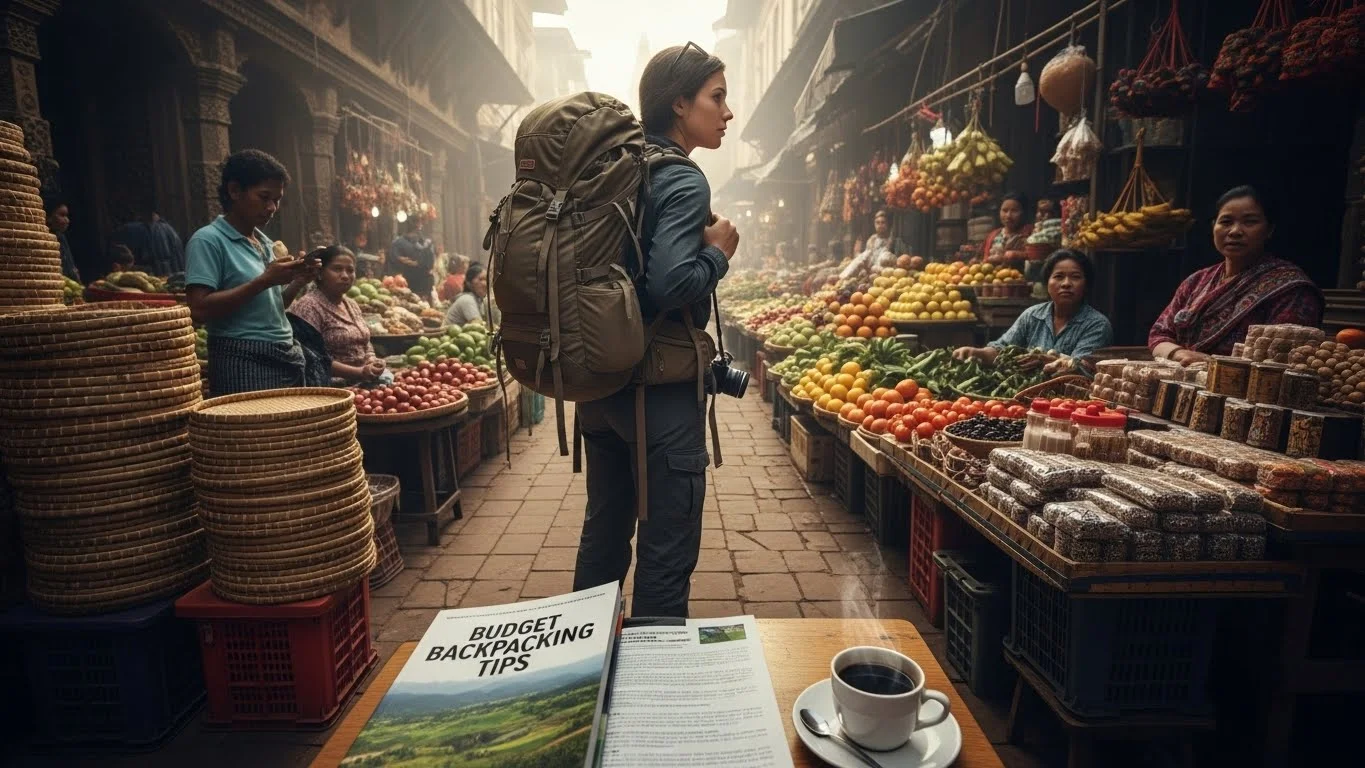
When I first heard the term “budget backpacking,” I envisioned a rugged traveler with a worn backpack, navigating the world on a dime. To me, budget backpacking means traveling light, spending wisely, and prioritizing experiences over luxury. It’s about immersing oneself in new cultures while keeping an eye on expenses. This doesn’t mean sacrificing comfort or adventure; instead, it’s about finding creative ways to enjoy the world without breaking the bank.
Benefits of Backpacking Alone
Backpacking alone can be a life-changing journey. I remember my first solo trip; it was a mix of excitement and nervousness. However, I quickly discovered the freedom it brought. No one else’s itinerary to follow meant I could explore at my own pace, savoring each moment. It’s a chance to truly connect with your surroundings and meet new people. Traveling solo can also boost your confidence and self-reliance, which is something I cherished as I navigated foreign streets and languages.
Another benefit I found was the opportunity for deep reflection. I often took time to sit in parks or cafes, journaling my experiences. This quiet time allowed me to process what I was seeing and feeling. Plus, without distractions, I became more attuned to my environment and the people within it. I learned to appreciate the little things—like the warmth of a stranger’s smile or the aroma of street food sizzling nearby.
Cultural Immersion through Solo Travel
One of the most rewarding aspects of backpacking alone is the cultural immersion it offers. I’ve found that when I travel solo, I’m more likely to step outside my comfort zone. Without a companion to rely on, I’ve learned to engage more with locals. Whether it’s asking for directions or joining in a local dance, these interactions have enriched my travel experience.
For instance, in Thailand, I was hesitant to join a cooking class by myself. But the thought of missing out on the chance to learn about the local cuisine pushed me to sign up. I ended up making friends with people from all over the world, and we bonded over our shared love for cooking and exploring. That class not only taught me how to make Pad Thai but also opened up a dialogue about our cultures, traditions, and travel stories. It became one of my favorite memories from that trip.
Moreover, being alone often makes you more approachable. I’ve noticed that locals tend to engage with solo travelers more, perhaps seeing us as more adventurous or open to new experiences. I recall a time in Morocco when a shopkeeper invited me for mint tea after I showed interest in his crafts. That simple gesture allowed me to learn about Moroccan culture firsthand, far beyond what any guidebook could offer.
Another striking example was my visit to a small village in Peru. I accidentally stumbled upon a local festival while hiking. The vibrant colors, music, and laughter drew me in. As a solo traveler, I felt free to join in, dance, and even participate in traditional games. The villagers welcomed me with open arms, treating me not just as a visitor but as part of their community. It was a profound reminder of how travel can bridge cultural divides and foster understanding.
Through my experiences, I’ve learned that budget backpacking isn’t just about saving money—it’s about investing in experiences that shape who we are. Each destination offers a unique cultural tapestry, and when we travel alone, we immerse ourselves in that tapestry more deeply. From the food we taste to the stories we hear, every encounter is an opportunity to learn and grow. If you’re interested in exploring cultural heritage sites, check out our Explore Heritage Sites: Budget Backpacking Tips & Tricks.
So, if you’re considering embarking on a solo backpacking journey, remember that it’s not just a trip; it’s an adventure of self-discovery and cultural immersion. Embrace the challenges and the beautiful moments that come with it. You’ll find that the world is full of wonder when you choose to explore it on your own terms.
Planning Your Journey
Choosing Your Destination
Choosing a destination is one of the most exciting parts of planning my backpacking trip. I remember scrolling through endless travel blogs and Instagram feeds, feeling that familiar itch to explore. The world is vast, and every corner has something unique to offer. When selecting a destination, I consider a mix of what intrigues me and what fits my budget.
Popular Backpacking Destinations
Some places are almost like a rite of passage for backpackers. I’ve found that destinations like Southeast Asia, especially Thailand and Vietnam, are popular for good reason. They offer stunning landscapes, rich cultures, and affordable prices. I couldn’t help but fall in love with the vibrant street markets and breathtaking beaches. Other classic spots like Europe’s interrail routes or South America’s hostels in places like Cusco provide endless opportunities for adventure. I remember making friends in hostels who had been traveling through Europe for weeks, sharing tips that shaped my journey.
Off-the-Beaten-Path Locations
However, there’s something magical about venturing off the beaten path. I’ve discovered hidden gems in countries like Georgia or Albania, where I found welcoming locals and stunning landscapes without the usual crowds. Those experiences felt much more authentic and meaningful. I’d recommend looking into lesser-known destinations that ignite your curiosity. Not only do they often provide a more personal experience, but they can also be easier on your wallet.
Creating a Budget
Once I have my destination in mind, creating a budget becomes my next priority. I’ve learned that a well-planned budget can make or break my travel experience. I think of budgeting as a way to maximize my adventures without the stress of overspending.
Estimating Daily Expenses
To estimate daily expenses, I often start by researching the cost of accommodation, food, transportation, and activities in my chosen destination. Websites like Nomadic Matt or Backpacker’s Handbook have been invaluable resources for this. I like to break down my daily expenses into categories, so I know where my money goes. For example, when I backpacked through Central America, I found that street food was not only delicious but also a great way to save on meals. I budgeted around $20 a day, which included a mix of cheap eats and occasional splurges on local experiences.
Saving for Your Trip
Saving for the trip can feel daunting, especially when I’m excited to explore. I’ve found that setting a specific savings goal makes it easier to stay motivated. I often cut back on small luxuries, like dining out or excessive shopping, and put that money toward my travel fund. Apps like Digit or Qapital help me save without even noticing it – they automatically transfer spare change to my savings account. Each time I see my travel fund grow, it fuels my excitement for the journey ahead.
Travel Insurance and Safety Considerations
Travel insurance is something I never overlook. I learned this the hard way after a friend had her valuables stolen while traveling. It was a wake-up call for me, and now I always make sure I’m covered. Travel insurance provides peace of mind and can save you a lot of stress—especially when you’re in a foreign country.
Importance of Travel Insurance
When I compare travel insurance plans, I look for coverage that includes medical emergencies, trip cancellations, and theft. I’ve found that some travel insurance providers also offer 24/7 assistance services, which can be a lifesaver in a tough situation. Knowing that I have support while exploring unfamiliar places allows me to fully immerse myself in the experience without constantly worrying.
Staying Safe as a Solo Traveler
Staying safe as a solo traveler is a priority for me. I always research the safety of my destination before arriving. I’ve learned to trust my instincts—if something feels off, I steer clear. Simple precautions, like keeping my belongings secure and staying aware of my surroundings, have helped me avoid potential issues. I remember navigating the busy streets of Barcelona, and by sticking to well-lit areas and being mindful of my belongings, I enjoyed my time without incident. Also, I try to blend in with the locals; wearing casual clothing and avoiding flashy accessories can help me feel less like a target.
In addition, I often share my itinerary with friends or family back home. This small step not only gives them peace of mind but also makes me feel more secure knowing someone knows where I am. I believe that a little preparation goes a long way in ensuring a safe and enjoyable solo backpacking experience.
Budget Accommodation Options
Hostels: A Cost-Effective Choice
When it comes to budget accommodation, hostels are often my go-to option. I remember my first experience at a hostel in Barcelona; I was a bit nervous about sharing a room, but it turned out to be one of the best decisions I made. Hostels not only offer affordable rates but also provide a unique environment for meeting fellow travelers. You can find people from all over the world, sharing stories and tips over breakfast or during evening hangouts.
One of my favorite things about hostels is the variety of options available. Some hostels have a laid-back vibe with cozy common areas perfect for chilling out, while others are more party-oriented, featuring bars and organized events. I’ve had the chance to join group outings, such as pub crawls or city tours, which helped me not only save money but also make new friends. Plus, many hostels offer kitchen facilities, allowing me to cook my own meals and save more on food costs.
Guesthouses and Homestays
Another fantastic option is staying at guesthouses or homestays. I’ve found these accommodations provide a more intimate experience. Often, you can interact with the owners and learn about local customs and traditions. During my trip to Vietnam, I stayed in a family-run guesthouse where the hosts treated me like one of their own. They shared delicious home-cooked meals with me and even invited me to participate in a local festival.
Homestays can also be a budget-friendly choice, especially in rural areas. I’ve discovered incredible hospitality in places like Thailand and India, where families open their homes to travelers. These experiences often come with a cultural exchange, allowing me to dive deeper into local life. Plus, the money spent usually goes directly to the families, making it a more meaningful choice.
Couchsurfing and Community Stays
Couchsurfing is another option I highly recommend. It’s a platform that connects travelers with locals willing to offer a free place to stay. My first time using Couchsurfing was in Istanbul, and I was pleasantly surprised by how welcoming my host was. Not only did I get a cozy place to sleep, but I also gained a local friend who showed me around the city, introducing me to hidden gems I wouldn’t have discovered on my own.
Couchsurfing is about more than just a free bed; it’s about community. Many hosts enjoy sharing their culture and experiences, and I’ve found that these interactions can be some of the most memorable parts of my travels. There are also community stay options, where I’ve volunteered in exchange for accommodation. These experiences allow me to give back while traveling, which feels rewarding and fulfilling.
Transportation on a Budget
Public Transport vs. Private Transport
Getting around on a budget is often as crucial as finding a place to stay. I’ve learned that using public transport is one of the best ways to save money while exploring a new destination. Buses and trains not only tend to be cheaper than taxis or rideshares, but they also offer a glimpse of daily life in the area. I fondly remember riding the metro in Paris, where I could observe locals going about their day, all while being transported efficiently across the city.
In some places, I’ve found that renting a bike can be an excellent alternative for getting around. I still think back to my time in Amsterdam, where cycling is the norm. I rented a bike for a few euros and spent the day exploring the city’s beautiful canals and parks. It was not only economical but also allowed me to see the city at my own pace.
Budget Airlines and Train Travel
For longer distances, budget airlines are often a lifesaver. While booking flights, I’ve discovered that being flexible with my travel dates can lead to significant savings. I try to book in advance and use fare comparison websites to find the best deals. Some of my most spontaneous adventures have come from finding a last-minute flight to a neighboring country for just a fraction of the cost!
Train travel is another fantastic option, especially in regions like Europe or Southeast Asia. I’ve enjoyed taking scenic train rides that offer breathtaking views along the way. For example, traveling from Budapest to Prague by train was an experience in itself, with views that made the journey memorable. Plus, many countries offer rail passes that provide unlimited travel for a set number of days, which can save money when planning multiple trips.
Walking and Biking for Local Exploration
One of the most rewarding ways to explore a new place is simply by walking. I often find that some of my best discoveries happen when I wander through the streets, allowing the city to unfold naturally. I remember strolling through the narrow alleys of Florence, where I stumbled upon a quaint gelato shop that became my go-to spot. Walking allows for spontaneous adventures, and sometimes, the best experiences are the unplanned ones.
Biking is another enjoyable way to see a city. Many urban areas are becoming more bike-friendly, making it convenient to rent a bike for the day. I once rented a bike in San Francisco and took a ride across the Golden Gate Bridge, which quickly became one of my favorite travel moments. The fresh air, stunning views, and sense of freedom were invigorating.
Whether it’s through public transport, bike rentals, or simply walking, I’ve learned that how we choose to move around a destination can shape our experience and help us connect with the local culture in meaningful ways. If you’re interested in exploring local cultures, check out our Explore Local Cultures: Budget Backpacking Tips & Tours.
Food and Dining Tips
Eating Like a Local: Street Food and Markets
One of my favorite parts of traveling is the food. I’ve discovered that eating like a local not only enhances my culinary experience but also supports the local economy. Street food markets are often a treasure trove of flavor and culture. I remember wandering through the bustling streets of Bangkok, where the aroma of grilled meats and fresh herbs wafted through the air, luring me to various stalls. I tried everything from spicy papaya salad to mango sticky rice, all for just a few dollars! Each bite felt like a mini-adventure.
Markets are also a fantastic way to meet locals and get recommendations. I’ve found that asking vendors about their favorite dishes often leads to delightful discoveries. In Mexico City, for example, I was directed to a small taco stand that served the best al pastor I’ve ever tasted. Those spontaneous moments of exploration often turn into the most memorable meals.
Affordable Restaurants and Cafés
While street food is a staple, I also enjoy sitting down in local restaurants and cafés. To find affordable places, I often rely on recommendations from fellow travelers or locals. Apps like Yelp or TripAdvisor can be helpful, but I also like to just wander and peek at menus. I’ve learned that sometimes the best meals come from places that don’t advertise heavily. I recall a tiny eatery in Lisbon that didn’t have an English menu, but the food was out of this world. I pointed at dishes others were enjoying, and it turned out to be one of my favorite meals of the trip.
Lunch specials can be a great way to save money too. Many restaurants offer substantial discounts during lunch hours, so you can enjoy a hearty meal without straining your budget. I often make it a point to eat my bigger meal at lunchtime and then opt for lighter dinners, allowing me to explore more local culinary delights without overspending.
Cooking for Yourself: Grocery Shopping Tips
If you’re looking to stretch your budget even further, cooking for yourself can be a game-changer. I try to stay in accommodations with kitchen facilities, like hostels or guesthouses. Shopping at local grocery stores or markets is not only economical but also a fun way to experience local life. I remember shopping at a vibrant market in Thailand, where I picked up fresh ingredients to cook a simple stir-fry. It felt rewarding to prepare my meal while getting a taste of local flavors.
When I grocery shop, I always look for local staples and seasonal produce. Not only are they usually cheaper, but they also allow me to create authentic dishes. I once bought fresh pasta in Italy and some local vegetables, and I was able to whip up a delicious meal without spending much at all. Plus, cooking in a communal kitchen has often led to spontaneous cooking nights with fellow travelers, making it a social experience as well!
Meeting People and Engaging with Cultures
Joining Local Tours and Activities
Engaging with the culture of the places I visit is something I truly cherish. One of the best ways to do this is by joining local tours and activities. I’ve participated in everything from guided walking tours to cooking classes, and each experience has deepened my understanding of the local way of life. For instance, in Florence, I joined a gelato-making workshop. Not only did I learn how to make this delicious treat, but I also met locals who shared their stories and traditions. It was an enjoyable and insightful experience, reminding me that learning can happen anywhere.
Using Social Media and Apps to Connect
In today’s world, social media can be a powerful tool for connecting with locals and fellow travelers. I often use platforms like Instagram to find local events or meetups. There are also travel apps like Meetup or Couchsurfing that help travelers connect with each other. I once joined a language exchange event in Barcelona through an app, and it turned into a memorable evening filled with laughter and conversation. These connections often lead to friendships that last long after the trip ends.
Language Tips for Better Engagement
Learning a few basic phrases in the local language can go a long way in making connections. I always try to learn greetings and essential phrases, which not only shows respect but also opens doors to deeper interactions. I remember traveling in Japan and practicing my limited Japanese; locals were so appreciative, and it led to some wonderful conversations. Even a simple “thank you” in the local language can create a bridge, making people more willing to engage and share their culture with you.
Top Cultural Experiences to Seek Out
Festivals and Local Events
One of the most vibrant ways to experience a culture is by attending local festivals and events. I’ve planned trips around festivals, and they’ve often become the highlight of my travels. In India, I was fortunate to experience Holi, the festival of colors. The joy and energy were contagious, and it was amazing to see how people from all walks of life came together to celebrate. Events like these are more than just celebrations; they provide insights into customs, traditions, and the communal spirit of the culture.
Art and History Museums
Art and history museums are also fantastic places to connect with a culture. I enjoy visiting museums not just to see the exhibits but to understand the stories behind them. In Paris, I spent hours in the Louvre, soaking in the history and art that shaped the world. Each piece of art tells a story, and I often find myself daydreaming about the lives of the artists or the history behind the artifacts. Many museums also offer free or reduced admission on certain days, which is a great way to explore without overspending.
Traditional Performances and Workshops
I’ve had some of my most memorable experiences by attending traditional performances, whether it’s a ballet in Vienna or folk music in Peru. Workshops in various crafts—like pottery or dance—have also allowed me to immerse myself in the local culture. During my travels in Bali, I took a traditional Balinese dance class, and not only did I learn the art, but I also connected with the instructors who shared their cultural heritage with me. These experiences are often where I feel the most alive and connected to the places I visit.
Staying Connected and Documenting Your Journey
Technology Tools for Travelers
In this digital age, staying connected while traveling has never been easier. I often rely on technology to help navigate foreign cities, keep in touch with family, and document my journey. Offline maps are a lifesaver—I use apps like Google Maps to download routes ahead of time, which helps me find my way without worrying about data charges. I also use apps for translation, which can bridge language barriers when needed.
Blogging and Sharing Your Experiences
Documenting my travels through blogging has become a passion of mine. I find that writing about my experiences not only helps me process them but also allows me to share tips and stories with others. I love looking back at my posts, reminiscing about my adventures and the lessons learned. Sharing my journey with friends and family keeps me connected to them, even when I’m miles away. Plus, I hope to inspire others to embark on their own adventures!
Final Thoughts on Solo Backpacking
Reflecting on Your Journey
As I look back on my solo backpacking adventures, I realize how transformative they have been. Each journey has taught me something new—about the world, about other cultures, and about myself. The challenges I faced helped build my resilience, while the friendships I made enriched my experiences. I think of each trip as a chapter in my life, filled with lessons that shape who I am today. I encourage anyone considering solo travel to embrace the journey, as it can lead to profound personal growth.
Future Travel Plans: Continuing Your Exploration
The beauty of solo backpacking is that it never really ends. I constantly find myself daydreaming about my next adventure, whether it’s revisiting a beloved destination or exploring a new one. I’ve learned to keep an open mind and heart, ready for the unexpected. For me, travel is more than just a hobby; it’s a way of life. I can’t wait to see where my journey takes me next, and I hope to inspire you to take the leap into your own solo backpacking adventure!
Frequently Asked Questions
What is budget backpacking?
Budget backpacking is about traveling light, spending wisely, and prioritizing experiences over luxury. It involves immersing oneself in new cultures while keeping an eye on expenses, without sacrificing comfort or adventure.
What are the benefits of backpacking alone?
Backpacking alone allows for freedom in exploring at one’s own pace, boosts confidence and self-reliance, and provides opportunities for deep reflection and cultural immersion. It also encourages connections with locals and enhances personal growth.
How can I choose a destination for backpacking?
Choosing a destination involves considering what intrigues you and fits your budget. Popular backpacking destinations include Southeast Asia, Europe, and South America, while off-the-beaten-path locations can provide more authentic experiences.
What are some tips for creating a travel budget?
To create a travel budget, research daily expenses for accommodation, food, transportation, and activities. Break down these costs into categories and consider setting a specific savings goal to stay motivated.
Why is travel insurance important for backpackers?
Travel insurance is crucial as it provides peace of mind and coverage for medical emergencies, trip cancellations, and theft. It can help save stress and money during unexpected situations while traveling.
What are some budget accommodation options for backpackers?
Budget accommodation options include hostels, guesthouses, homestays, and Couchsurfing. These options not only save money but also provide opportunities for cultural exchange and meeting fellow travelers.
How can I get around on a budget while traveling?
Using public transport, renting bikes, and walking are cost-effective ways to explore a destination. For longer distances, budget airlines and train travel can provide affordable options.
What are some food and dining tips for budget travelers?
To save on food costs, try street food and local markets, eat at affordable restaurants, and consider cooking for yourself. Shopping at local grocery stores can also offer economical meal options.
How can I engage with local cultures while traveling?
Engaging with local cultures can be done by joining tours and activities, using social media to connect with locals, and learning basic language phrases. Attending festivals and events also provides rich cultural experiences.
What should I reflect on after a solo backpacking journey?
Reflecting on your journey can help you recognize the transformative experiences and personal growth you achieved. Each trip can be viewed as a chapter in your life, filled with lessons and memories.