
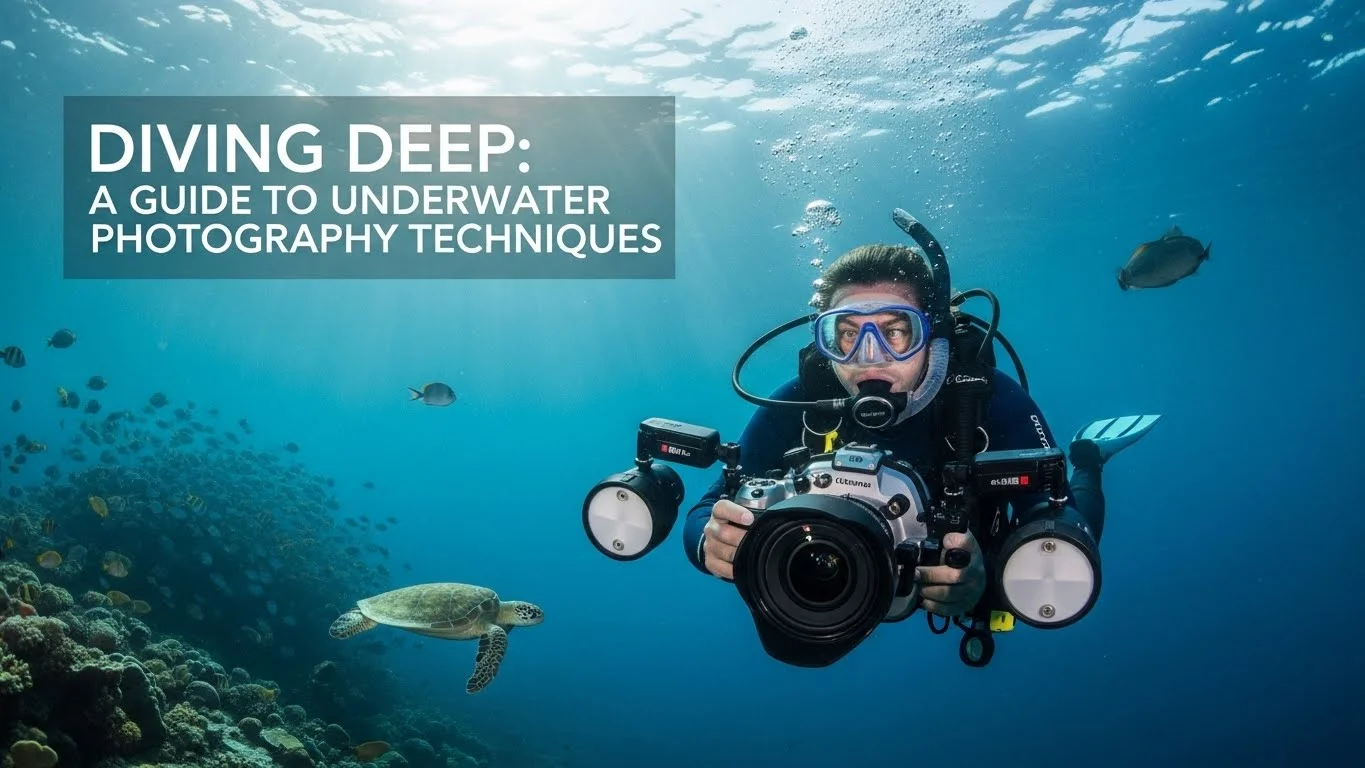
Underwater photography opens a magical world beneath the waves, revealing stunning marine life and breathtaking landscapes. Join me as we dive deep into techniques that will elevate your underwater photography skills to new heights. Read Interesting article: Underwater Photography Techniques: Capture Vibrant Ocean Life
Understanding Underwater Photography
What is Underwater Photography?
Underwater photography is the art of capturing images beneath the surface of the water. It’s not just about taking pictures; it’s about storytelling through the lens, showcasing the beauty of underwater life and environments. When I first ventured into this realm, I was captivated by the vibrant colors and unique perspectives that underwater scenes offered. Every dive became an adventure, with each click of the shutter capturing moments that would otherwise remain hidden from the world.
History and Evolution of Underwater Photography
The journey of underwater photography is quite fascinating. It began in the mid-19th century, when pioneers like Louis Boutan created some of the earliest images using bulky equipment and long exposure times. As technology advanced, so did the possibilities for underwater photography. I remember reading about the introduction of waterproof cameras in the latter half of the 20th century, which revolutionized the way divers could document their experiences. Today, with the rise of digital cameras and advanced imaging technology, underwater photography has become more accessible to enthusiasts like us, transforming our ability to explore and share the underwater world.
Benefits of Underwater Photography
There are countless benefits to diving into underwater photography. For one, it allows us to connect with nature on a deeper level. As I floated weightlessly among schools of fish or explored colorful coral reefs, I felt a sense of tranquility and wonder that I had never experienced before. Additionally, underwater photography promotes awareness of marine conservation. By capturing stunning images of sea life, we can help raise awareness about environmental issues affecting our oceans. I’ve seen firsthand how powerful a single image can be in inspiring others to care about our planet.
Essential Equipment for Underwater Photography
Underwater Cameras
Choosing the right underwater camera is crucial for any aspiring underwater photographer. Personally, I recommend starting with a compact camera that can be easily handled and is compatible with underwater housing. I used a mirrorless camera for years, which provided fantastic image quality without the bulk of a DSLR. If you’re just starting out, consider a camera with good manual settings so you can experiment with exposure, aperture, and ISO underwater.
Camera Housing
Protecting your camera is essential when diving. Camera housings are designed to keep water out while allowing you to access all the camera functions. I remember the first time I fitted my camera into its housing; it felt like I was gearing up for an underwater adventure! Make sure to choose a housing that matches your camera model and is rated for the depths you plan to explore. A leak-proof housing is a must—trust me, you don’t want to find out the hard way that it isn’t waterproof!
Lenses Suitable for Underwater Photography
The choice of lenses can significantly impact your underwater photography. Wide-angle lenses are fantastic for capturing expansive seascapes and marine life in their environment, while macro lenses are perfect for getting up close to tiny creatures and intricate details. I’ve found that using a wide-angle lens really enhances the sense of depth in my images, making vibrant coral reefs come alive. Experimenting with different lenses has been one of the most enjoyable parts of my underwater photography journey.
Lighting Equipment: Flash and Video Lights
Underwater lighting is a game-changer for capturing stunning images. Natural light diminishes quickly as you descend, which can result in dull colors in your photos. I learned that using strobes or external flashes can dramatically enhance my shots by illuminating subjects and bringing out their vibrant colors. Video lights can also be useful if you’re diving in low-light conditions and want to capture video footage as well. I’ve been amazed by how the right lighting transformed my underwater images from ordinary to spectacular.
Accessories: Strobes, Filters, and Tripods
Don’t overlook the importance of accessories in underwater photography. Strobes can help balance the light in your images, while filters can help correct color loss that occurs underwater. I often use a red filter for shallow water shots to bring back the warm tones that can fade in deeper dives. Tripods, though less common in underwater photography, can be handy for capturing still subjects or landscapes. I’ve learned that stability is key when shooting in challenging conditions.
Techniques for Underwater Photography
Basic Composition Rules
When I first started underwater photography, I quickly realized that composition plays a huge role in creating stunning images. Just like on land, the rule of thirds is a great starting point. I often visualize a grid on my viewfinder and try to position my subject along these lines or at their intersections. This simple technique helps create balance and draws the viewer’s eye to the focal point of the photograph. I also learned about leading lines; whether it’s a school of fish or the natural lines of coral, these elements can guide the viewer through the image and add depth. It’s fun to experiment with different angles and perspectives, too. Sometimes, getting lower to the ground or shooting from above can create a completely different feel in the image.
Understanding Light and Color Underwater
Light behaves differently underwater, and understanding this can dramatically improve your photography. I remember the first time I dove deep; everything began to look blue and dull. The colors of marine life can fade quickly with depth, so I learned that it’s crucial to be aware of how light changes as you descend. The sunlight can penetrate water to varying degrees depending on the time of day and the water’s clarity. I often try to shoot during the golden hour—early morning or late afternoon—when the light is softer and warmer. This adds a magical glow to my images, making the underwater scene feel alive.
Utilizing Natural Light
Natural light can be your best friend when it comes to underwater photography. I find that shooting in shallow waters with plenty of sunlight can create vibrant images without needing additional lighting equipment. The trick is to be mindful of your positioning relative to the sun. If you can shoot with the sun behind you, it often results in well-lit subjects with a beautiful blue backdrop. I’ve had moments where I just floated there, waiting for the perfect light to hit my subject, and it was always worth the patience. I also noticed that shooting at angles rather than straight on can help reduce glare and enhance the colors.
Using Flash and Strobe Lighting Effectively
While natural light is fantastic, there are times when you need a little extra help, especially in deeper waters where light is scarce. I’ve learned how to use strobes effectively, and it can be a game changer. For me, the key is to position the strobe at a 45-degree angle to avoid backscatter, which can ruin an otherwise perfect shot. I remember the first time I experimented with flashes; the colors became so vibrant that it felt like I was seeing the underwater world for the first time. Just be careful not to overexpose your subjects; adjusting your flash output can make a big difference in getting that perfect shot.
Capturing Movement: Techniques for Dynamic Shots
Capturing movement underwater can be both challenging and rewarding. I’ve often found that getting a sharp image of a fast-moving subject, like a fish darting by, requires a bit of practice. I recommend using a faster shutter speed to freeze the action. But sometimes, a little motion blur can add a sense of dynamism to an image—like the graceful movement of a swimming turtle. I’ve experimented with panning to follow the movement of my subject; it’s a technique that can create beautiful, fluid images. Just be sure to keep your camera steady while tracking your subject to avoid unwanted blur.
Another technique I’ve enjoyed is getting close to the action. By reducing the distance between my camera and the subject, I can capture more detail and create a sense of intimacy in my photos. I often find myself in the middle of a school of fish, trying to get that perfect shot while they swim around me. It’s exhilarating and pushes me to adapt and hone my skills quickly.
These techniques have become second nature to me over time, and I get excited whenever I get a chance to apply them. Diving into underwater photography has been a journey of discovery, and I can’t wait to share more about the different types of underwater photography and how to prepare for a shoot next. Read Interesting article: Mastering Underwater Photography: Essential Genres to Try
Types of Underwater Photography
Marine Life Photography
One of the most exhilarating aspects of underwater photography is capturing marine life in its natural habitat. I remember my first dive where I encountered a vibrant coral reef teeming with fish. The colors were astonishing, and I felt like I was in another world. Marine life photography not only allows us to document the beauty of underwater creatures, but it also gives us insight into their behavior and interactions. I’ve learned that patience is key; sometimes, I’ve had to wait quietly to catch fish in action or observe the intricate movements of a sea turtle. This type of photography can be incredibly rewarding, especially when you manage to capture a unique moment, like a clownfish peering out from its anemone home.
Landscape and Environment Photography
While marine life photography is captivating, underwater landscapes can be equally breathtaking. I’ve enjoyed exploring underwater caves, shipwrecks, and vibrant coral gardens, each offering a unique perspective of the underwater world. Capturing the essence of these environments involves more than just wide-angle shots; it’s about conveying the atmosphere and scale. I’ve experimented with different angles, shooting upwards to incorporate the surface light filtering through the water, which often creates a dramatic effect. These landscape shots tell a story about the underwater environment, showcasing the beauty and fragility of these ecosystems.
Macro Photography Techniques
Macro photography has become one of my favorite niches within underwater photography. Getting close-up shots of tiny creatures like shrimp, nudibranchs, or the intricate patterns of coral can be incredibly satisfying. I remember the first time I spotted a vibrant nudibranch clinging to a rock; its colors were so vivid that I couldn’t resist. To excel in macro photography, I found that a dedicated macro lens is essential. It allows you to get extremely close to your subject while maintaining sharpness and detail. I also recommend using a focus light to help illuminate your tiny subjects and reduce the effects of backscatter. The thrill of finding a hidden gem in the ocean and capturing it in detail is an experience I cherish.
Wide-Angle Photography Tips
Wide-angle photography is fantastic for capturing sweeping underwater scenes, especially when you want to include both the marine life and the surrounding environment. I’ve learned that getting close to your subject while using a wide-angle lens can create a sense of depth in the image. One tip that has worked wonders for me is to include interesting foreground elements, like corals or rocks, which can lead the viewer’s eye into the composition. I also pay attention to my buoyancy; being stable in the water allows me to capture sharper images. Experimenting with different angles and perspectives has helped me create dynamic shots that feel immersive. The thrill of making the underwater world feel larger than life is one of the joys of wide-angle photography.
Preparing for an Underwater Shoot
Choosing the Right Location
Location can make or break an underwater photography session. I’ve found that the best spots often depend on the time of year, water clarity, and marine life activity. Before planning a dive, I do some research. I look for places that are known for rich biodiversity or stunning underwater landscapes. I remember a trip to a popular dive site known for its vibrant coral gardens and diverse fish species. The experience was incredible, and I captured some of my favorite shots there. Whether it’s a local reef or an exotic destination, choosing the right location is crucial for getting those breathtaking images.
Best Times for Underwater Photography
Timing plays a significant role in underwater photography. I’ve discovered that early mornings or late afternoons are often the best times for diving. The sunlight is softer during these hours, creating beautiful lighting conditions. Additionally, during these times, marine life is often more active, making it easier to capture dynamic shots. I remember one late afternoon dive where the sunlight created a magical glow as it filtered through the water, illuminating everything around me. These moments are the ones I live for as a photographer.
Planning Your Dive: Safety and Logistics
Planning is essential for a successful underwater shoot. I always make sure to check the weather and sea conditions before diving. Safety is my top priority, so I ensure my equipment is in good working order, and I never dive alone. I’ve learned the importance of having a dive buddy and discussing our dive plan beforehand. It’s also crucial to have a backup plan in case conditions change. I remember a time when we had to change our dive site last minute due to rough seas, but it turned out to be a fantastic decision as we discovered a hidden gem!
Understanding Marine Life Behavior
Understanding the behavior of marine life can give you an edge in capturing stunning underwater images. I’ve spent time observing how certain species react to divers and their surroundings. For example, I’ve noticed that some fish become curious and approach, while others are more skittish. Learning to read these behaviors helps me know when to hold still and wait for the perfect shot. Sometimes, I’ve had to spend time just floating quietly to allow nature to unfold around me. This connection with marine life not only enhances my photography but also deepens my appreciation for the underwater world.
Post-Processing Underwater Images
Editing Software and Tools
Once I’ve captured my underwater images, the next step is post-processing. I’ve found that using good editing software can elevate my photos to the next level. Programs like Adobe Lightroom and Photoshop have become my go-to tools. They offer a range of features that let me adjust exposure, contrast, and saturation. I remember my early days of editing; I was overwhelmed by all the options. But with practice, I learned to keep it simple and focused on enhancing the natural beauty of my shots. There’s something satisfying about transforming a raw image into a polished piece of art. Read Interesting article: Essential Editing Techniques for Underwater Photography
Color Correction Techniques
One of the significant challenges with underwater photography is color correction. As I mentioned earlier, colors fade as you dive deeper. I often use the color balance and temperature adjustments in my editing software to bring back those vibrant hues. I’ve found that sliders can be my best friend here. For instance, increasing the reds and yellows can help restore the warmth that’s often lost underwater. I also experiment with the vibrance and saturation settings, making sure not to overdo it. I’ve learned that subtlety is key; I want my images to reflect the true colors of the underwater world, not a cartoon version!
Enhancing Details and Contrast
Enhancing details is another crucial aspect of post-processing. I enjoy using sharpening tools to make the intricate textures of coral and the delicate features of marine life pop. I usually zoom in on my images while editing to ensure I don’t miss any important details. Increasing contrast can also help make the subjects stand out from the background, creating more dynamic images. I remember a time when I adjusted the contrast on a photo of a turtle; the difference was remarkable! Suddenly, the turtle seemed to leap off the page, and it felt so alive.
Common Mistakes in Post-Processing and How to Avoid Them
Even with the best intentions, it’s easy to make mistakes in post-processing. One common error I’ve encountered is over-editing. It’s tempting to push all the sliders to their limits, but I’ve learned that less is often more. I try to remember the original scene and stick to adjustments that feel natural. Another mistake is neglecting to save different versions of my edits. I’ve had instances where I accidentally overwrote a favorite image. Now, I always save multiple versions during my editing process, giving me the option to revert back if needed. It’s a simple step that saves me a lot of headaches later on.
Sharing and Showcasing Your Work
Building an Online Portfolio
Once I’ve edited my images, I love to share them. Building an online portfolio has been an exciting journey. I decided to use platforms like SmugMug and Adobe Portfolio to showcase my work. I remember the thrill of seeing my photos displayed in a clean, professional layout; it felt like a significant step forward. Having a portfolio not only allows me to present my best images but also makes it easier for potential clients or collaborators to find me.
Social Media Strategies for Photographers
Social media has become a powerful tool for connecting with other photographers and sharing my work. I’ve found platforms like Instagram to be particularly effective. I share my images there, along with stories about my underwater adventures. Engaging with my followers by responding to comments and sharing behind-the-scenes content has helped me build a community around my passion. I also participate in photography hashtags, which can boost visibility and connect me with fellow underwater photography enthusiasts.
Entering Competitions and Exhibitions
Participating in photography competitions has been both fun and rewarding. I remember entering my first contest; I was nervous but excited to showcase my work. Winning or even just being recognized can be incredibly validating. It’s a great way to gain exposure and connect with other photographers. I also look for local exhibitions to showcase my work. I’ve enjoyed meeting other artists and sharing experiences; it’s a wonderful way to celebrate our shared passion for underwater photography.
Networking with Other Underwater Photographers
Networking with other photographers has opened up so many opportunities for me. I’ve joined online forums and local photography clubs, where I can share tips, seek advice, and collaborate on projects. I believe that connecting with others in the field can lead to lifelong friendships and exciting projects. I remember attending a workshop hosted by a well-known underwater photographer; not only did I learn invaluable techniques, but I also made connections that have enriched my photography journey.
Challenges in Underwater Photography
Dealing with Water Conditions
One of the biggest challenges I face is dealing with varying water conditions. I’ve encountered everything from murky waters to strong currents. I’ve learned to adapt my techniques based on these conditions. For instance, in murky water, I focus on getting close to my subjects to avoid capturing too much of the hazy background. It’s taught me to be patient and resourceful, which has ultimately improved my skills as a photographer.
Managing Equipment Issues
Equipment issues can also arise, and I’ve had my fair share of mishaps. Whether it’s a lens that fogs up or a housing that leaks, I’ve learned the importance of being prepared. I always carry extra silica gel packs to prevent moisture buildup inside my housing, and I regularly check all seals before every dive. These small steps can save a lot of heartache and ensure I’m ready to capture the beauty below the surface.
Environmental and Ethical Considerations
As underwater photographers, it’s vital to be mindful of our impact on the environment. I always strive to practice ethical photography by respecting marine life and their habitats. I avoid touching corals or disturbing wildlife to capture a shot. Educating myself about marine conservation has made me more conscious of how I can contribute positively. I believe that our responsibility as photographers extends beyond the lens; we have to protect the beautiful environments we seek to capture.
Final Thoughts
Embarking on the journey of underwater photography has been one of the most fulfilling experiences of my life. From the thrill of capturing the vibrant life beneath the waves to the satisfaction of editing and sharing my work, every aspect has enriched my passion for the ocean. I hope my experiences and insights inspire you to dive into this incredible world. Remember, every click of the shutter is an opportunity to tell a story and connect with nature. So grab your gear, embrace the adventure, and let your underwater photography journey begin!
Frequently Asked Questions
What is underwater photography?
Underwater photography is the art of capturing images beneath the surface of the water, focusing on storytelling through the lens to showcase the beauty of underwater life and environments.
What are the benefits of underwater photography?
Underwater photography allows for a deeper connection with nature, promotes awareness of marine conservation, and provides a sense of tranquility and wonder while exploring vibrant underwater environments.
What type of camera is recommended for beginners in underwater photography?
For beginners, a compact camera that can be easily handled and is compatible with underwater housing is recommended. A mirrorless camera is also a good option for image quality without the bulk of a DSLR.
Why is lighting important in underwater photography?
Lighting is crucial in underwater photography because natural light diminishes quickly as you descend, which can result in dull colors in photos. Using strobes or external flashes can enhance shots by illuminating subjects and bringing out their vibrant colors.
What are some basic composition rules for underwater photography?
Basic composition rules include the rule of thirds, leading lines, and experimenting with different angles and perspectives to create balance and draw the viewer’s eye to the focal point of the photograph.
What types of photography can be done underwater?
Types of underwater photography include marine life photography, landscape and environment photography, macro photography, and wide-angle photography, each offering unique perspectives and challenges.
How can I prepare for an underwater photography shoot?
Preparation involves choosing the right location based on water clarity and marine life activity, planning the best times for diving, ensuring safety and logistics, and understanding the behavior of marine life.
What editing software is recommended for post-processing underwater images?
Adobe Lightroom and Photoshop are recommended for post-processing underwater images, as they provide features to adjust exposure, contrast, saturation, and color correction effectively.
What common mistakes should be avoided in post-processing underwater images?
Common mistakes include over-editing images by pushing sliders to their limits and neglecting to save different versions of edits. It’s important to maintain natural adjustments and save multiple versions to prevent loss of favorite images.
What challenges do underwater photographers face?
Challenges include dealing with varying water conditions, managing equipment issues, and being mindful of environmental and ethical considerations to protect marine life and their habitats.