
Traveling the world is an adventure filled with new experiences, but understanding local dress codes can make a big difference in how you connect with different cultures. Let’s explore the fascinating world of dress codes and what they mean globally. Read Interesting article: Navigating Cultural Etiquette Solo: A Traveler’s Guide
Understanding Dress Codes: A Global Perspective
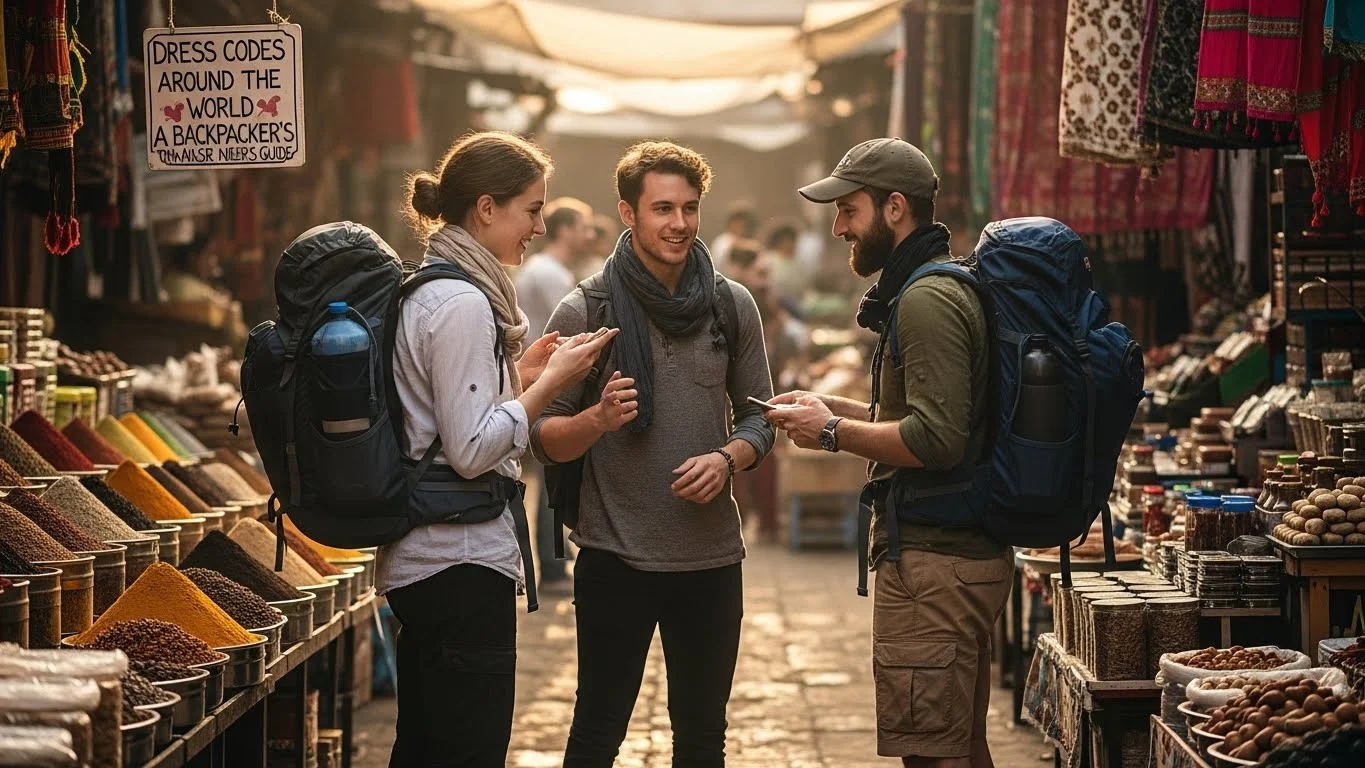
When I first started my backpacking journey, I was surprised by how much clothing choices could say about a place. Each country has its own unique standards and expectations when it comes to dress. For us travelers, learning about these differences not only helps us fit in but also shows respect for the cultures we visit.
The Importance of Dress Codes in Different Cultures
I remember walking through the bustling streets of Bangkok, where I noticed the locals dressed in vibrant, traditional attire during a festival. It made me realize that dress codes are more than just guidelines; they are deeply intertwined with customs, history, and identity. In many cultures, clothing represents more than fashion—it symbolizes social status, profession, and even religious beliefs. For instance, in the Middle East, modest dressing is not just a preference; it often aligns with cultural and religious practices. When I visited Morocco, I felt it was essential to wear loose-fitting clothing that covered my arms and legs to respect the local customs. The people appreciated my effort to blend in, and it made my interactions with them more meaningful. Read Interesting article: Explore Community-Based Tourism: Your Guide to Responsible AdventuresHow Dress Codes Reflect Societal Values
Our clothing choices often reflect our values and beliefs. In many societies, certain colors or styles signify specific meanings. During my travels through India, I learned that the color white is typically worn for mourning, while bright colors are favored during celebrations. This understanding helped me navigate social situations better and choose outfits that were appropriate for the occasion. Moreover, I found that dress codes can evolve with global influences. For example, I encountered urban areas in Asia where Western fashion has merged with traditional attire, creating unique styles that respect both heritage and modernity. This fusion was particularly evident in Tokyo, where young people often sported traditional kimonos adorned with contemporary designs. It was refreshing to see how cultures adapt while still holding onto their roots. As I journeyed further, I discovered that in many Western countries, dress codes are often more relaxed. Casual wear is widely accepted in urban areas, and I felt comfortable donning jeans and a simple tee. However, I quickly learned that professional settings still demand a more polished appearance. My experience at a business meeting in New York taught me the importance of understanding context; a blazer transformed my outfit from casual to business-ready in an instant. Understanding these nuances not only enriched my travel experiences but also fostered deeper connections with the people I met along the way. Each conversation felt more genuine when I showed that I respected their cultural norms. As I explored different regions, I also began to notice the power dynamics at play in how dress codes are enforced. In some countries, strict adherence is expected, especially in religious sites or formal events. In others, there’s a more laid-back approach. One unforgettable moment was visiting a temple in Bali, where I was required to wear a sarong. It was a simple requirement, but it was a way to show respect for the sacred space. In my travels, I’ve come to believe that understanding dress codes is about more than just following rules. It’s about immersing myself in new experiences, respecting traditions, and embracing the diverse tapestry of human culture. Every outfit tells a story, and as backpackers, we get to be part of those narratives. Now that we have a clearer view of the significance of dress codes, let’s dive into what to expect in various regions around the world. Each part of the globe has its unique fashion statements, and I can’t wait to share my insights with you! Read Interesting article: Ultimate Guide to Budget-Friendly Wildlife SafarisRegional Dress Codes: What to Expect
North America
Casual Wear in Urban Areas
When I traveled through North America, I was struck by how casual the dress code was in many urban areas. In cities like New York and Los Angeles, the vibe was relaxed, and people often wore jeans, t-shirts, and sneakers. I remember wandering through Central Park, where I saw everyone from joggers in athletic gear to families in comfortable, casual outfits. It felt liberating to blend in without worrying too much about what I was wearing. However, I learned that there are still places where dressing up is important. For instance, during my visit to a nice restaurant in San Francisco, I noticed that many diners opted for dressier attire. This taught me that while casual wear is usually accepted, it’s always wise to gauge the setting and dress accordingly.Traditional Clothing for Cultural Festivals
While casual wear dominates daily life, North America is also rich in cultural diversity, which is beautifully showcased during festivals. I attended the Pow Wow in New Mexico, where I was mesmerized by the vibrant traditional clothing worn by Native American dancers. The intricate beadwork and colorful fabrics told stories of heritage and pride. It reminded me that even in a modern context, traditional attire plays a vital role in expressing cultural identity. Festivals like Mardi Gras in New Orleans also present opportunities to don colorful costumes and masks. Participating in these events allowed me to experience firsthand how clothing can bring people together in celebration and joy.Europe
Business Attire vs. Casual Styles
Traveling through Europe felt like stepping into a fashion magazine. In major cities like London, Paris, and Milan, I noticed a clear distinction between business and casual attire. While exploring the streets, I often saw people dressed in polished outfits, particularly in business districts. During a meeting in London, I learned that a tailored suit was essential for making a good impression. It surprised me how much clothing could influence perceptions, especially in professional settings. Yet, just a short distance away in the same city, I’d find a trendy café filled with locals in casual, stylish clothes. It was fascinating to see how quickly the dress code could shift depending on the environment. I’ve found that being adaptable with my wardrobe can make all the difference in how I’m received.Regional Variations: Scandinavia vs. Southern Europe
As I traveled further into Europe, I discovered the regional variations in dress codes. In Scandinavia, for example, the style was minimalist and functional. People dressed in neutral colors and layered outfits that were both practical and chic. I remember visiting Stockholm and being inspired by how effortlessly stylish everyone looked, even in the chilly weather. In contrast, Southern Europe radiated vibrancy. While in Spain, I noticed that the fashion was more expressive, with bold colors and patterns. It was common to see people dressed up for leisurely evening strolls, even if they were just heading to a local café. This warm attitude towards fashion made me want to experiment with my own clothing choices and embrace a bit more flair.Asia
Formal Dress in Business Settings
Asia presented a fascinating mix of tradition and modernity when it came to dress codes. In business settings, I quickly learned the importance of formal attire. On my trip to Singapore, men often wore suits, while women opted for tailored dresses or blouses paired with skirts. I remember feeling slightly out of place in my casual wear during a networking event. It was a lesson learned about the significance of dressing appropriately in professional environments, which can vary widely across cultures.Traditional Attire: Kimono, Sari, and More
In contrast, traditional attire like kimonos in Japan and saris in India were highlights of my travels. During a cultural festival in Kyoto, I had the chance to wear a kimono, and it was a beautiful experience that connected me to the local customs. The intricate patterns and soft fabrics felt like a second skin, and I felt a deep sense of respect for the history behind the garment. In India, I was lucky enough to attend a wedding where women donned stunning saris, each telling a unique story through its color and design. These experiences opened my eyes to how traditional clothing serves as a bridge between generations, preserving cultural heritage while celebrating individuality.Africa
Traditional Garments and Their Significance
Moving on to Africa, I was captivated by the vibrant traditional garments that vary from region to region. In Kenya, I witnessed the beauty of shukas worn by the Maasai and the intricate beadwork that accompanied them. Each piece carried significance, representing community and identity. During my time there, I felt honored to wear a shuka, which instantly drew smiles from the locals. In Morocco, the colorful djellabas and kaftans added to the rich tapestry of culture. Shopping in the souks and seeing these garments up close allowed me to appreciate the craftsmanship and the stories they hold. It was a reminder of how clothing can be a powerful expression of identity and belonging.Modern Dress Codes in Urban Centers
But Africa is not just about traditional wear. In urban centers like Johannesburg and Nairobi, I noticed a modern twist, with a mix of traditional and contemporary styles. Street fashion in these cities was dynamic and inspiring, showcasing how youth culture is evolving while still paying homage to their roots. I loved how locals effortlessly blended cultural attire with modern fashion trends, which made me reconsider my own wardrobe choices.Australia and Oceania
Beachwear and Casual Styles
In Australia and Oceania, the dress code felt relaxed and heavily influenced by the coastal lifestyle. On Bondi Beach, I saw people rocking swimsuits and flip-flops, embodying the laid-back vibe of the region. I joined in, swapping my travel clothes for beachwear, and it was liberating to embrace such simplicity. However, I also learned that urban areas like Sydney have their own fashion scene. While exploring the city, I noticed stylish cafes where people dressed up a bit more, often opting for trendy yet comfortable outfits.Indigenous Cultural Attire
Additionally, I had the privilege of learning about Indigenous cultures in Australia, which showcased rich traditions through their clothing. The intricate designs and natural materials used in their garments told powerful stories of connection to the land. Participating in a cultural event where these traditions were honored left me with a profound respect for the history and significance of Indigenous attire. As I reflect on my experiences across these diverse regions, it’s clear that understanding local dress codes opens up a world of connection and respect. Each place has its unique fashion statements, and I’ve learned to embrace and appreciate them all. Up next, I’ll delve into the different dress codes based on occasions—because knowing what to wear can be just as crucial as understanding the cultural significance behind it.Dress Codes by Occasion
Everyday Wear vs. Special Events
As I traveled through various countries, I noticed how everyday clothing often contrasted sharply with attire for special occasions. In many cultures, people dress more formally for events like weddings, religious ceremonies, or even family gatherings. I remember attending a wedding in Greece where the guests were elegantly dressed, embodying a sense of respect and celebration. The women in their beautiful gowns and the men in sharp suits made the atmosphere feel festive and special. This experience made me reflect on my own everyday wear back home, which was often casual and comfortable. I learned that when attending special events abroad, dressing up not only honors the occasion but also helps you blend in and connect with the local customs. It’s a beautiful way to show appreciation for the moment and those who have invited you to share it.Religious and Cultural Ceremonies
Religious sites around the world have their own unique dress codes that reflect their values and beliefs. On my journey through India, I had the opportunity to visit the Golden Temple in Amritsar, where I was required to cover my head and remove my shoes. I remember being given a scarf to wrap around my head, which felt like a rite of passage into a sacred space. It taught me the importance of humility and respect when entering places of worship. In Japan, visiting Shinto shrines was another enlightening experience. I noticed that many people dressed in traditional attire, especially during festivals. I felt a deep sense of connection to the culture as I observed locals wearing kimonos, which added to the reverence of the ceremonies. These experiences reinforced my belief that understanding and adhering to dress codes in religious and cultural settings fosters respect and enhances the overall experience.Business Meetings and Professional Settings
Business attire varies significantly around the world, with each culture reflecting its values through dress. During a business trip to Singapore, I found that formal attire was expected and respected. Men in tailored suits and women in elegant dresses created a professional atmosphere that emphasized the importance of presentation in the business world. Initially, I felt a bit underdressed in my smart-casual outfit, but I quickly adapted and learned the value of dressing appropriately for professional settings. Conversely, I experienced a different vibe during a meeting in Amsterdam, where the dress code was more relaxed. People often wore smart-casual outfits, mixing professionalism with comfort. It was fascinating to see how the culture influenced workplace attire and made me reflect on how adaptability is key in any business environment. I learned that understanding these nuances can significantly impact the impressions we create in professional settings.Nightlife and Social Gatherings
Nightlife in different regions often comes with its own dress codes that vary from casual to glamorous. I remember my first night out in Barcelona, where the streets buzzed with energy and excitement. I noticed that locals dressed stylishly, often opting for chic outfits that complemented the vibrant atmosphere of the city. It inspired me to put a bit more effort into my look, opting for a nice top and trendy shoes that helped me feel confident as I joined the festivities. On the other hand, in places like Bangkok, I found that while some clubs had specific dress codes, many were more relaxed, allowing for a range of styles. I appreciated this flexibility, as it meant I could enjoy the nightlife without needing to overthink my outfit. However, I also learned that it’s good practice to check the dress code for specific venues, as some upscale places expect more formal attire. Overall, navigating dress codes by occasion has been an eye-opening experience for me. Each event offers its own set of unspoken rules, and understanding them not only helps me fit in but also deepens my appreciation for the culture and the people I meet along the way. Next, I’ll share some practical tips for backpackers on how to pack wisely for various dress codes, ensuring that we’re always prepared for whatever our adventures throw our way.Tips for Backpackers: Packing for Various Dress Codes
Essential Clothing Items for Different Cultures
Packing for a trip can feel overwhelming, especially when considering the diverse dress codes across cultures. I’ve learned that having a versatile wardrobe can be a game changer. I usually start with a few essential items that can work in multiple settings. For instance, I always pack a pair of comfortable yet stylish trousers and a couple of button-up shirts. These pieces can easily transition from casual day outings to more formal gatherings just by swapping out accessories. I also recommend including a maxi dress or a smart-casual outfit. During my travels, I found these types of clothing worked wonderfully for everything from dinner parties to cultural events. When I was in Morocco, I wore a maxi dress to a traditional meal and felt both comfortable and respectful of the local customs. It’s incredible how a simple outfit can allow you to blend in while exploring new cultures.Layering Techniques for Changing Environments
Layering is another strategy I’ve become fond of while traveling. Weather can be unpredictable, and I’ve learned to adapt my outfits accordingly. In colder regions, I often start with a basic tee, add a long-sleeve shirt, and finish with a light jacket. This way, I’m prepared for warmth during the day and can easily shed layers if the temperature rises. During a trip to Italy, I remember walking through the beautiful streets of Florence. The mornings were chilly, so I layered up, but by noon, I was able to lose the jacket and still feel stylish and comfortable. It’s all about being prepared, and layering allows for that flexibility. A light scarf can also be a great addition; it can dress up an outfit or be used to cover up at religious sites when necessary.Footwear Considerations for Comfort and Style
Footwear is another critical aspect of packing wisely. I’ve made the mistake of bringing shoes that look great but aren’t practical for long walks. Comfortable shoes are essential, especially when exploring cities on foot. I usually opt for a pair of versatile sneakers that can handle both city streets and nature trails. However, I’ve also learned the value of packing a pair of nicer shoes for evenings out or special events. When I was in Paris, I was glad I had a pair of dressy flats to wear while dining at a lovely restaurant. They were comfortable enough for walking yet stylish enough to fit in with the chic atmosphere.When in Rome: Adapting to Local Dress Codes
Italy: Smart Casual to Formal Wear
Italy is famous for its fashion, and I felt the pressure to dress stylishly wherever I went. I discovered that smart casual is often the norm, especially in places like Milan. I remember visiting an art gallery and noticing how everyone was dressed impeccably. I decided to wear a nice top with tailored pants, which helped me feel part of the local vibe. Dressing up for meals and social outings was a significant takeaway from my time there.Japan: Respecting Tradition with Attire
Visiting Japan was an experience that taught me the importance of respecting tradition through attire. I had the chance to wear a kimono during a festival, which made me feel connected to the culture. I learned that in many cases, wearing traditional clothing during special occasions is a way to honor the customs and values of the society. I felt a deep sense of respect for the history behind each garment and how it symbolizes the rich heritage of the Japanese people.India: Blending Western and Traditional Styles
In India, I found that blending Western styles with traditional garments was common. I remember wearing a salwar kameez, a traditional outfit, during a family gathering, and it allowed me to feel at home among my hosts. I also noticed many locals incorporating Western fashion into their everyday attire. This fusion was beautiful and provided me with the opportunity to embrace both cultures. It reinforced the idea that it’s not just about conforming but about finding common ground through clothing.Dress Code Etiquette: Do’s and Don’ts
Common Mistakes to Avoid
One of the biggest mistakes I made early on was underestimating the importance of local dress codes. I recall a time in India when I wore shorts to a market and received some disapproving glances. It was a learning moment for me, highlighting how vital it is to dress respectfully in certain cultures. I recommend always researching the local customs beforehand to avoid any faux pas.How to Respect Local Customs
Respecting local customs through dress is about more than just appearances—it’s about understanding and appreciating the culture. I’ve found that when I make an effort to adhere to dress codes, it often leads to warmer interactions with locals. Whether it’s donning a sarong at a Balinese temple or covering my shoulders in a church in Italy, these gestures of respect go a long way.Understanding Non-Verbal Cues Related to Dress
Finally, I’ve learned that non-verbal cues can reveal a lot about local dress codes. Observing how locals dress in everyday settings can be incredibly insightful. I often take the time to notice patterns in attire—who wears what, and in what context? This observation has helped me navigate potential dress code pitfalls and encouraged me to adapt my style accordingly.Resources for Further Learning
Books and Guides on Global Dress Codes
If you’re looking to dive deeper into the topic, I recommend a few insightful books and travel guides that focus on global dress codes. They provide valuable information on how clothing choices can impact cultural interactions.Online Forums and Communities for Backpackers
Joining online forums and communities geared towards backpackers has also been beneficial. Sharing stories and tips with fellow travelers can help you navigate challenges and learn about various dress codes firsthand.Travel Blogs Focused on Cultural Experiences
I’ve found that following travel blogs dedicated to cultural experiences can offer unique insights into local practices, including dress codes. These resources often include personal anecdotes and practical advice that can enrich your travels.Final Thoughts
Traveling is all about exploration, and understanding local dress codes adds another layer to the adventure. Each country, region, and culture has its unique expression through clothing, and I’ve learned that dressing appropriately shows respect and appreciation. My experiences have taught me that clothing is more than just fabric; it’s a dialogue between cultures. By adapting to local styles, we open ourselves up to deeper connections and richer experiences. As we journey through different places, let’s remember the stories our clothing tells. Every outfit has the power to express our respect for the cultures we encounter. So pack wisely, dress thoughtfully, and immerse yourself fully in the beautiful diversity of our world.Frequently Asked Questions
What is the significance of dress codes in different cultures?
Dress codes are deeply intertwined with customs, history, and identity in many cultures. They symbolize social status, profession, and religious beliefs, making it essential for travelers to understand and respect them.
How can dressing appropriately enhance travel experiences?
Dressing appropriately shows respect for local customs and fosters deeper connections with the people you meet. It can lead to more meaningful interactions and a greater appreciation for the culture.
What types of clothing are common in North American urban areas?
In urban areas of North America, casual wear such as jeans, t-shirts, and sneakers is widely accepted. However, dressing up is still important in certain settings, like nice restaurants.
How does dress code vary between business and casual settings in Europe?
In Europe, there is a clear distinction between business attire, typically polished and formal, and casual styles, which can be more relaxed and stylish depending on the environment.
What traditional attire is significant in Asia?
Traditional attire such as kimonos in Japan and saris in India play a crucial role in cultural identity and are often worn during festivals and significant events.
What are some common dress codes in Africa?
Africa features a variety of traditional garments that vary by region, such as shukas worn by the Maasai in Kenya and colorful djellabas in Morocco. Modern urban centers also showcase a mix of traditional and contemporary styles.
What should travelers consider when packing for different dress codes?
Travelers should pack versatile clothing items that can transition between casual and formal settings, utilize layering for changing weather, and include comfortable footwear suitable for long walks.
How do dress codes reflect societal values?
Dress codes often reflect societal values through the meanings associated with colors and styles. For instance, specific colors may signify mourning or celebration, influencing clothing choices for various occasions.
What are some etiquette tips for respecting local dress codes?
To respect local customs, travelers should research dress codes in advance, observe how locals dress, and adhere to specific requirements at religious or cultural sites.
What resources can help travelers learn more about global dress codes?
Travelers can benefit from books and guides on global dress codes, online forums and communities for backpackers, and travel blogs focused on cultural experiences for unique insights and advice.