
Traveling is not just about seeing new places; it’s about experiencing new flavors. Eating like a local opens up a world of culinary traditions that can be enjoyed without breaking the bank. Read Interesting article: Savor the World: Culinary Traditions of Budget Backpacking
Understanding Local Culinary Traditions
What Are Culinary Traditions?
Culinary traditions are the practices and customs associated with food and cooking in different cultures. They reflect the history, geography, and resources of a region and are often passed down through generations. I remember my first exposure to local culinary traditions during a trip to Mexico. The vibrant markets, the aroma of spices, and the way families gathered to prepare meals together made me realize that food is a rich tapestry woven with stories and memories. Each dish tells a story, from the ingredients used to the cooking techniques employed, and experiencing these traditions can be a delicious adventure.
The Importance of Eating Like a Local
Eating like a local is not just about enjoying authentic flavors; it’s also about connecting with the culture and people of a place. I’ve found that when I dive into local cuisine, I get a deeper understanding of a region’s identity. When I tried street tacos in Mexico City, it wasn’t just a meal; it was a chance to engage with the vibrant street life and the warmth of the locals. It also often proves to be more economical than dining in touristy restaurants. By choosing local eateries, I not only save money but also support small businesses that are at the heart of the community. This creates a win-win scenario where I enjoy delicious food while giving back to the local economy. Read Interesting article: Taste Your Travels: Budget-Friendly Culinary Experiences
Regions and Their Unique Cuisines
Southern Cuisine: Flavorful and Hearty
Southern cuisine is a delightful mix of flavors, deeply rooted in history and tradition. Growing up in the South, I have a special place in my heart for comfort foods like gumbo, jambalaya, and cornbread. These dishes are often made from scratch, using local ingredients that reflect the agricultural bounty of the region. When I traveled through the South, I loved visiting family-run diners where the recipes were handed down through generations, filled with love and care. One of my favorite meals was a plate of fried catfish, collard greens, and a slice of homemade pie. Each bite was a taste of local history that made me feel right at home.
Midwestern Comfort Foods: Simple and Satisfying
The Midwest is known for its hearty comfort foods that nourish both body and soul. From casseroles to pot pies, Midwestern cuisine often features ingredients that are easy to find and budget-friendly. I remember stopping at a small diner in Wisconsin where I enjoyed a steaming bowl of chili on a chilly day. The warmth of the dish, combined with the friendly atmosphere of the diner, made it one of my fondest culinary memories. It’s all about simplicity and satisfaction here; meals are designed to fill you up and keep you going, reflecting the hardworking spirit of the Midwestern people.
Western Cuisine: Fresh and Innovative
In the West, culinary traditions often celebrate fresh ingredients and innovative cooking techniques. I discovered this during a trip to California, where farm-to-table restaurants were abundant. I was amazed by how chefs incorporated seasonal produce into their dishes, creating vibrant flavors and beautiful presentations. I tried a salad made with local heirloom tomatoes, avocado, and a drizzle of olive oil that was just bursting with flavor. Eating in this way not only supports local farmers but also highlights the importance of freshness in cooking. For anyone wanting to experience local cuisine on a budget, I recommend looking for restaurants that highlight seasonal menus.
Northern Delicacies: Seasonal and Local
Northern cuisines often take advantage of the changing seasons, with dishes that reflect the local climate. I found this to be true during my travels through New England. When fall rolled around, I couldn’t resist trying a bowl of clam chowder, rich and creamy, with a side of warm, buttery biscuits. The way the locals celebrated seasonal ingredients, like pumpkin and cranberries, really opened my eyes to the connection between food and nature. It reminded me of the importance of eating what’s in season—not just for the flavor, but for sustainability and supporting local agriculture. I’ve learned that the best culinary experiences come from embracing the local climate and its offerings.
Budget-Friendly Local Eats
Street Food: A Taste of Authenticity
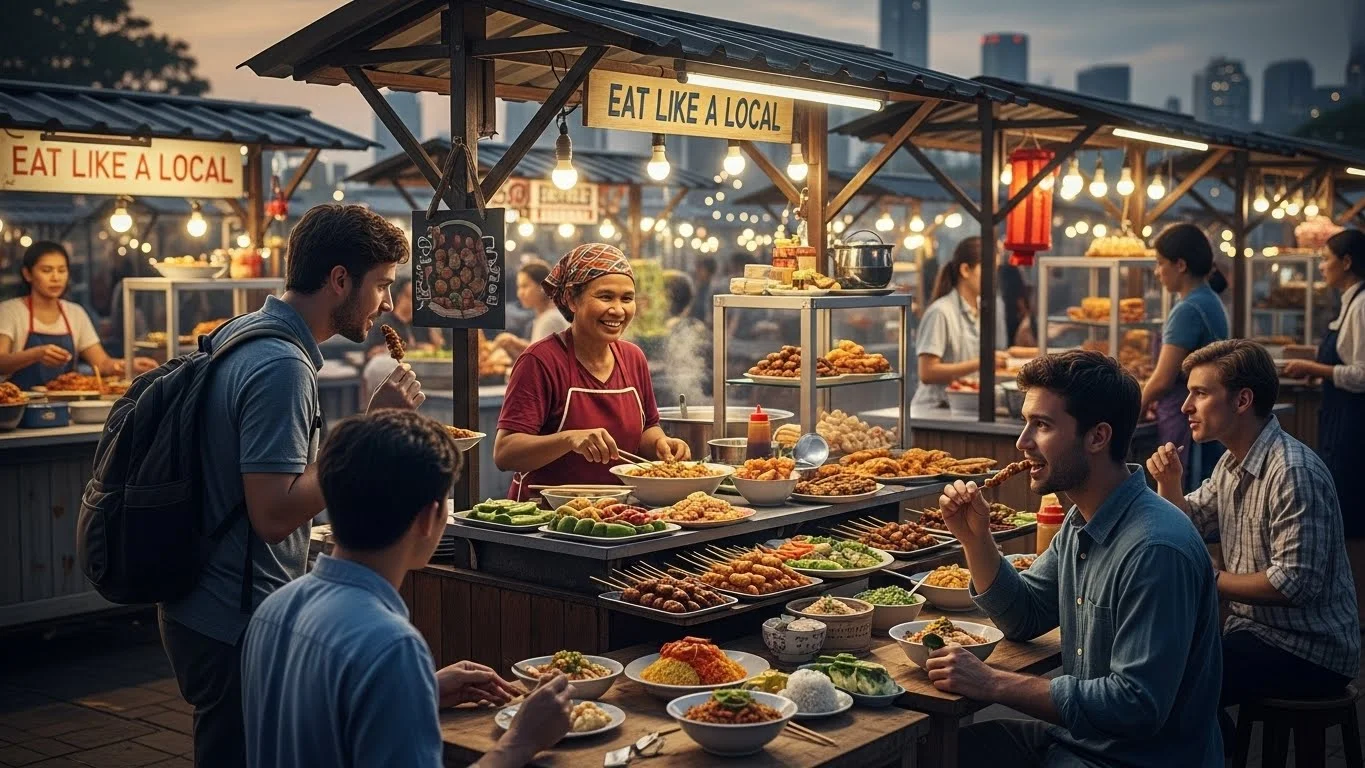
I’ve always had a soft spot for street food. It’s not just a meal; it’s an experience. The hustle and bustle, the sizzling sounds, and the enticing aromas create an atmosphere that’s hard to beat. One of my favorite memories was in Bangkok, where I found myself wandering through a night market. I stumbled upon a vendor selling pad thai. The way the vendor tossed ingredients in the wok and served me a steaming plate right there on the sidewalk was exhilarating. The flavors were bold and fresh, and I realized I was tasting something that wasn’t just food; it was a piece of Thai culture. Street food often gives you the most authentic flavors at a fraction of the price, allowing you to sample a variety of dishes without breaking the bank. Plus, there’s a certain thrill in trying something new from a vendor you’ve never seen before!
Local Markets: Fresh Ingredients and Dishes
Visiting local markets has become one of my favorite activities when exploring a new destination. They are treasure troves of fresh produce, spices, and artisanal goods. In my experience, nothing beats wandering through a vibrant market filled with colorful fruits and vegetables, fragrant herbs, and friendly vendors eager to share their stories. I recall a trip to a market in Barcelona, where I tasted fresh olives and local cheeses that blew my mind. The energy of the market was infectious, and I found myself trying various samples, from cured meats to baked goods. Shopping at local markets not only allows you to taste local flavors but also to take home ingredients that remind you of your travels. It’s the perfect way to bring a piece of the local culinary scene back into your kitchen. Read Interesting article: Experience Culture: Best Budget-Friendly Local Festivals
Family-Owned Restaurants: Homemade Goodness
There’s something special about family-owned restaurants that makes the dining experience feel more personal. It’s like stepping into someone’s home, where the food is made with love and tradition. I remember visiting a small Italian restaurant in a quaint neighborhood in Florence. The owner, an elderly woman, greeted us with a warm smile and shared her grandma’s secret recipe for pasta. I felt like I was part of something meaningful as I savored each bite of that homemade lasagna. These family-run places often serve up dishes that reflect their heritage, and you can taste the difference. They usually have the most genuine atmosphere and often offer budget-friendly options. Supporting these local gems not only fills your belly but also helps to keep culinary traditions alive.
Food Trucks: Diverse Offerings on a Budget
Food trucks have exploded in popularity, and for good reason. They offer a fun way to try a variety of cuisines in one spot and are often more affordable than sit-down restaurants. I’ve discovered some of my favorite meals from food trucks, like a fusion taco truck in Austin that served Korean BBQ tacos. The creativity and passion behind these small businesses are inspiring. Plus, they often park in popular areas, making them perfect for grabbing a quick bite while exploring. When I visited Portland, I was amazed by the food cart pod that featured everything from vegan dishes to gourmet grilled cheese. Eating from food trucks allows you to experience the local food scene without the hefty price tag, making it a fantastic option for budget-conscious travelers like myself.
Tips for Finding Affordable Local Food
Researching Online: Apps and Websites
In today’s digital age, finding great local eats on a budget has never been easier. I often turn to apps like Yelp, TripAdvisor, and Google Maps to read reviews and check out menus before I try a new place. These platforms give insights into popular dishes and the average cost, which helps me gauge whether a spot will fit my budget. I also love using social media to follow local food bloggers and explore hashtags relevant to the area I’m visiting. I’ve found hidden gems this way that I might not have discovered otherwise.
Asking Locals for Recommendations
While technology is helpful, nothing beats a good old-fashioned conversation. I’ve learned that asking locals for their favorite places to eat often leads me to the best-kept secrets. When I was in Tokyo, I struck up a conversation with a friendly shop owner who directed me to a small ramen shop tucked away in an alley. It turned out to be one of the best meals I had on my trip, and it was incredibly affordable! People who live in an area usually know the best spots that may not be in tourist guides, so don’t hesitate to ask for recommendations.
Exploring Off-Peak Times for Discounts
Timing can make a big difference when it comes to dining out affordably. I’ve found that many restaurants offer lunch specials or early bird discounts that can save you a good chunk of change. When I traveled to Paris, I discovered that many bistros had prix fixe menus during lunchtime that were significantly cheaper than their dinner offerings. Exploring off-peak times not only helps keep dining costs down but also allows you to enjoy a more relaxed atmosphere without the crowds.
Cooking at Home: Emulating Local Flavors
Shopping for Local Ingredients
One of the best ways to keep the spirit of my travels alive is by cooking at home with local ingredients. I’ve learned that sourcing fresh produce, spices, and meats can help me recreate the delicious dishes I enjoyed while traveling. When I visited a farmer’s market in my hometown last summer, I was thrilled to find heirloom tomatoes that reminded me of those I had in Italy. I made it a point to talk to the vendors about their growing practices, which added to the experience. It’s amazing how much flavor and variety can come from regional produce, and I believe using local ingredients elevates my cooking while supporting community farmers.
Simple Recipes to Try at Home
I find that simple recipes often yield the most satisfying results. After my trip to Thailand, I wanted to replicate that vibrant pad thai I had experienced on the street. I started with fresh rice noodles and a medley of colorful veggies, tossing everything together in a hot wok with some tamarind paste, fish sauce, and a sprinkle of crushed peanuts. Each bite transported me back to that bustling Bangkok market. Another favorite of mine is a classic Italian caprese salad using fresh mozzarella, basil, and ripe tomatoes drizzled with balsamic reduction – it’s like a little piece of summer on a plate! The beauty of cooking at home is that I can adjust flavors and ingredients based on what’s fresh and available, ensuring that every meal feels special.
Cultural Etiquette Around Food
Dining Customs and Traditions
Understanding dining customs and traditions is crucial when traveling to fully immerse myself in the culture. I remember my first dinner in Japan, where I was introduced to the practice of saying “itadakimasu” before eating. It felt meaningful, a sign of respect for the food and those who prepared it. Each culture has its unique dining customs, from family-style meals in Italy to the communal sharing of dishes in Middle Eastern countries. I’ve learned that being aware of these customs enhances my experience and shows respect for the local traditions. It’s about more than just the food; it’s about the connections we make over meals.
Understanding Local Dining Etiquette
Dining etiquette can vary significantly from place to place, and I’ve discovered that adapting to these customs can lead to a more enjoyable experience. For example, in many Asian cultures, it’s considered polite to finish everything on your plate, while in some European countries, leaving a little food can signal satisfaction. I’ve also learned the importance of using both hands when passing dishes in certain Middle Eastern cultures, as it demonstrates respect and generosity. It’s these small gestures that make dining more meaningful. When I made an effort to understand the dining etiquette of the places I visited, I felt more connected to the locals and enjoyed the meals even more.
Seasonal Culinary Experiences
Festivals Celebrating Local Foods
Experiencing food festivals has been one of the highlights of my culinary adventures. I recall attending a garlic festival in California, where I indulged in everything from garlic ice cream to garlic-infused olive oils. The atmosphere was electric, filled with cooking demonstrations and friendly competition among local chefs. These festivals not only celebrate regional ingredients but also bring communities together. I’ve found that participating in such events allows me to taste unique dishes that may not be available any other time of the year. It’s a fun way to dive deeper into the local culinary scene while enjoying the company of fellow food lovers.
Seasonal Ingredients to Look For
Eating seasonally has transformed the way I approach food. I’ve learned to appreciate the distinct flavors that each season brings. During my travels, I noticed that menus often change with the seasons, reflecting the freshest ingredients available. In the fall, I can’t resist the allure of pumpkin dishes and hearty root vegetables, while spring brings bright greens and delicate herbs. When shopping at markets, I now pay attention to what’s in season, which inspires my cooking. Embracing seasonal ingredients not only enhances flavor but also promotes sustainability, making my culinary experiences more meaningful.
Final Thoughts
As I reflect on my culinary adventures, I realize that eating like a local is about much more than just savoring delicious food; it’s about connections, experiences, and memories that last a lifetime. Each meal I’ve shared with locals has given me a glimpse into their world and culture, reminding me of the universal language that food speaks. It’s a way to break down barriers and foster understanding between different cultures.
Trying local dishes often feels like stepping into a different life, even if just for a moment. I’ve found that when we immerse ourselves in the culinary practices of others, we gain insight into their values, traditions, and ways of life. This kind of understanding enriches our travels, making them far more rewarding than simply visiting tourist attractions. Every dish has a story, and when we take the time to listen, we find ourselves part of that narrative.
With today’s access to digital tools, it’s easier than ever to discover hidden culinary gems. I often find myself scrolling through Instagram or checking food blogs for the latest recommendations. It’s exciting to uncover new restaurants or food stalls that might not yet be on the radar of many tourists. The thrill of discovering a place that serves the best local dish can make a trip feel even more special. I’ve learned to take note of food trends and community favorites that can often lead to a memorable meal.
Moreover, embracing local dining customs has taught me to appreciate the meal as a whole experience. Whether it’s the way a dish is served, the etiquette involved, or the traditions surrounding the meal, every aspect contributes to the enjoyment. For instance, I remember enjoying a traditional Ethiopian meal where we all shared a large platter of injera topped with various stews. It was a communal experience that fostered warmth and conversation, making the food taste even better.
As I continue to explore new places, I am committed to supporting local farmers and businesses. I love visiting farmer’s markets and seeking out family-owned restaurants, knowing that my choices contribute to the local economy. It feels good to be part of a community, even if only for a short while. Plus, I often get the best recommendations from the locals who are passionate about their culinary heritage.
Finally, cooking at home with local ingredients allows me to recreate those magical experiences I’ve had while traveling. I cherish the time spent experimenting with new recipes and flavors that remind me of my adventures. It’s a way to keep those memories alive and to share them with friends and family. Each meal I prepare becomes a canvas for my experiences and a way to bring a taste of the world into my kitchen.
In the end, eating like a local is a journey that enriches my travels and deepens my connection to the world. I encourage everyone to step outside their comfort zones, explore local cuisines, and embrace the stories behind each dish. Trust me, the rewards are immeasurable, and the flavors are unforgettable.
Frequently Asked Questions
What are culinary traditions?
Culinary traditions are the practices and customs associated with food and cooking in different cultures. They reflect the history, geography, and resources of a region and are often passed down through generations.
Why is eating like a local important?
Eating like a local connects you with the culture and people of a place, providing a deeper understanding of a region’s identity. It often proves more economical than dining in touristy restaurants and supports small businesses within the community.
What are some examples of Southern cuisine?
Southern cuisine includes comfort foods like gumbo, jambalaya, and cornbread, often made from scratch using local ingredients that reflect the region’s agricultural bounty.
What characterizes Midwestern comfort foods?
Midwestern comfort foods are hearty and satisfying, featuring simple dishes like casseroles and pot pies, designed to nourish both body and soul, often using budget-friendly ingredients.
How does Western cuisine differ from other regional cuisines?
Western cuisine often celebrates fresh ingredients and innovative cooking techniques, with a focus on seasonal produce that supports local farmers and highlights the importance of freshness in cooking.
What benefits do local markets offer?
Local markets provide access to fresh produce, spices, and artisanal goods, allowing visitors to taste local flavors and take home ingredients that remind them of their travels.
How can food trucks enhance the culinary experience?
Food trucks offer diverse and affordable cuisine options, allowing travelers to sample a variety of dishes in one spot, often featuring unique and creative offerings that reflect the local food scene.
What are some tips for finding affordable local food?
Researching online using apps and websites, asking locals for recommendations, and exploring off-peak dining times for discounts can help travelers find great local eats on a budget.
What role do seasonal ingredients play in cooking?
Seasonal ingredients enhance flavor and promote sustainability, allowing cooks to appreciate the distinct flavors each season brings and create dishes that reflect the freshest produce available.
Why is understanding dining customs important when traveling?
Understanding dining customs enhances the travel experience by showing respect for local traditions and fostering connections with locals, which can make meals more meaningful and enjoyable.