
Traveling doesn’t have to break the bank, especially when it comes to food. Let’s explore how to eat well while keeping your budget intact, so you can savor every bite without worrying about your wallet.
Understanding Budget-Friendly Eating While Traveling
The Importance of Eating Well on a Budget
When I first started traveling, I quickly realized that food costs could easily add up. I remember a trip where I splurged on fancy dinners and ended up eating instant noodles for the rest of the week. It’s amazing how one decision can impact your entire travel experience. Eating well on a budget is essential not just for your wallet but also for your overall enjoyment and energy levels while exploring new places.
Food is such an integral part of travel. It connects us to the culture, telling stories of history and traditions through flavors and ingredients. I believe that we shouldn’t have to sacrifice a good meal just because we’re on a budget. In fact, with a little creativity and planning, I’ve found that I can enjoy some of the best local cuisine without overspending. Top 10 Budget-Friendly Foods for Backpackers provides some great ideas to help.
Food Costs Around the World: A Comparative Overview
One thing I’ve learned from my travels is that food costs can vary dramatically from one country to another. For example, dining out in Southeast Asia can be incredibly affordable, with delicious street food available for just a couple of dollars. On the other hand, enjoying a meal in Western Europe might set you back quite a bit, especially in major cities. I’ve compared prices, and it’s fascinating to see how much you can stretch your dollars depending on where you are.
For instance, in Thailand, I could enjoy a hearty meal at a street vendor for around $1.50, while in Paris, a simple sandwich might cost me $8. This comparison led me to appreciate the importance of selecting destinations wisely based on food affordability. Knowing where to go can make a significant difference in my travel experience.
Planning Your Food Budget
Setting a Daily Food Budget
Once I understood the landscape of food costs around the world, I started setting a daily food budget for myself. This practice has transformed the way I travel. I like to allocate a specific amount for breakfast, lunch, dinner, and snacks. For me, this approach helps me stay on track without feeling deprived. I usually aim for a total daily budget that allows for both street food and the occasional nice meal.
Creating a budget also means I can enjoy treats guilt-free. I remember one trip to Mexico where I set aside a little extra for tacos al pastor. It was worth every peso! I believe it’s all about balance. By being mindful of my spending in other areas, I can indulge in the local cuisine without feeling stressed about my finances.
Identifying Affordable Destinations
Identifying which destinations are budget-friendly when it comes to food has been a game-changer for me. Some places are known for their affordable dining options, while others can be quite pricey. I’ve made it a habit to research countries or regions where I can get the most bang for my buck.
For example, if I’m planning a trip to Eastern Europe, I know I can enjoy hearty meals without breaking the bank. Countries like Poland or Hungary offer a variety of traditional dishes at reasonable prices. I also discovered that traveling during the off-peak season can help me save even more, as many restaurants offer discounts or specials to attract travelers. Savor the Flavor: Budget-Friendly Food Festivals are also a great way to enjoy local cuisine at a lower cost.
Top Budget-Friendly Food Tips for Travelers
Grocery Shopping: Finding Local Markets
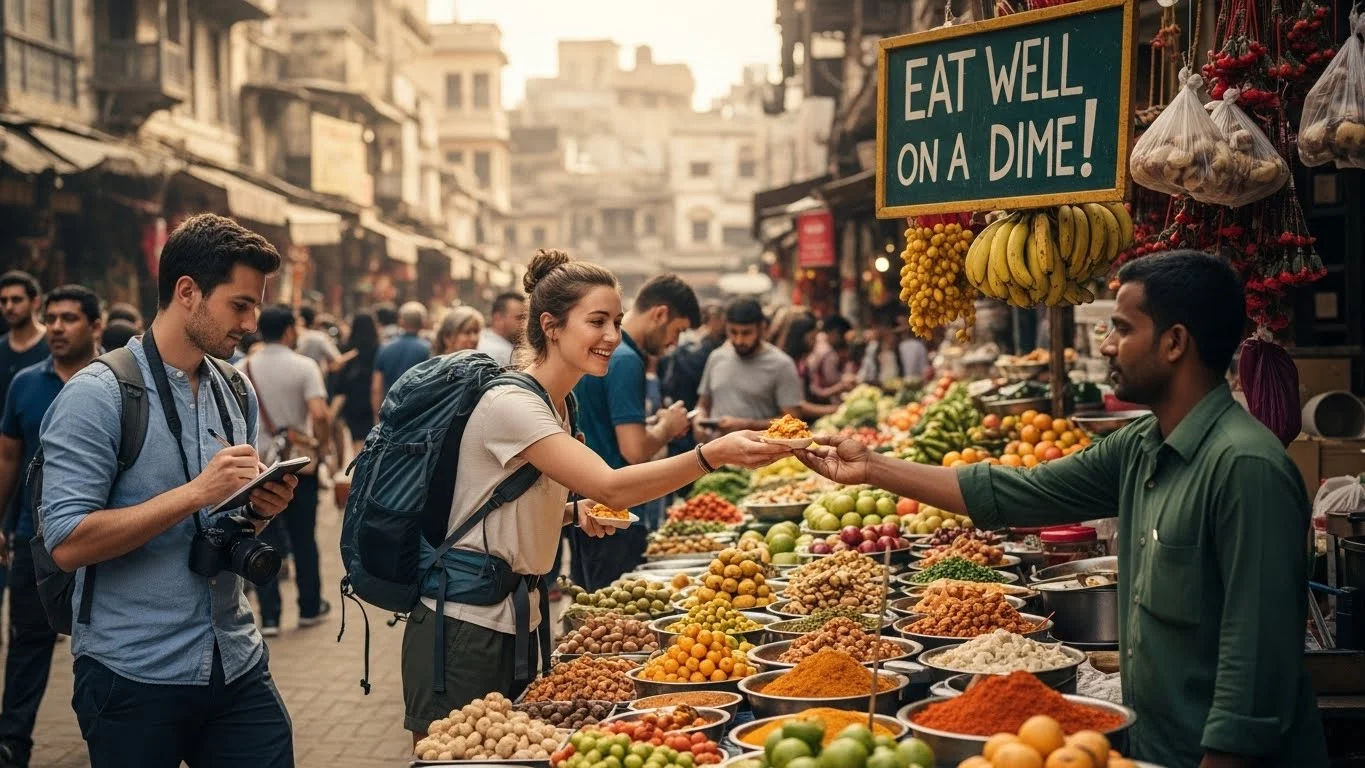
One of my favorite budget-friendly tips is to seek out local grocery stores and markets. I love wandering through markets, soaking in the sights, sounds, and smells, and discovering fresh, local ingredients. Not only do these markets typically offer better prices than restaurants, but they also give me a chance to connect with the local culture.
When I was in Italy, I found a charming market in Florence where I could buy fresh produce, cheese, and bread to make my own meals. Having a picnic in a nearby park became one of my favorite experiences. I also learned that shopping at local markets allows me to try seasonal ingredients, which are often more affordable and taste better.
Cooking Your Own Meals: Hostel and Airbnb Kitchens
Cooking my own meals has been another great way to save money while traveling. Many hostels and Airbnb accommodations come with communal kitchens, which I’ve found to be a fantastic opportunity. I remember my stay in a cozy hostel in Barcelona where I shared cooking duties with fellow travelers. We pooled our resources and created a delicious meal together, which was not only budget-friendly but also a lot of fun!
Having the ability to whip up a meal means I can also cater to my dietary preferences. I often cook simple dishes like stir-fries or pasta, which are easy to prepare and don’t require fancy ingredients. Plus, I get to enjoy the satisfaction of creating a home-cooked meal in a foreign country.
Eating Like a Local: Street Food and Food Stalls
Street food has become one of my favorite ways to experience local culture while sticking to my budget. Each destination has its unique offerings, and I love trying out local specialties. Whether it’s a banh mi in Vietnam or a hot dog from a street vendor in New York City, these meals often pack a ton of flavor at a low cost.
I’ve discovered that asking locals for recommendations can lead to hidden gems. I remember chatting with a local in Thailand who directed me to a small food stall that served the best pad thai I’ve ever tasted. It was a fraction of the price of restaurant meals, and the experience was so much more authentic. If you’re looking for a deeper culinary experience, consider Discover Culinary Delights: Budget-Friendly Food Tours Abroad for some amazing options.
Participating in Community Meals: Potlucks and Cooking Classes
Another unique way to enjoy budget-friendly meals is by participating in community meals or cooking classes. I’ve found that many hostels or travel groups organize potlucks where travelers bring dishes to share. This not only allows me to try various cuisines but also creates a sense of community among travelers.
Cooking classes can be a bit of an investment, but they often include a meal at the end. I remember taking a cooking class in Thailand, where we learned to make traditional dishes using fresh ingredients from the market. It was an unforgettable experience that allowed me to take home new skills while having fun.
Best Budget-Friendly Foods to Look For
Staple Foods: Rice, Pasta, and Bread
During my travels, I discovered that staple foods like rice, pasta, and bread are not just filling; they’re also extremely affordable and versatile. In many cultures, these staples are a significant part of daily meals, and I’ve enjoyed them in countless ways. For instance, in Asia, I often found myself savoring simple bowls of rice paired with fresh vegetables and a protein. It’s remarkable how a basic ingredient can be transformed into something delicious and satisfying.
In Italy, I had the pleasure of indulging in pasta dishes that were not only easy on the wallet but bursting with flavor. I remember one evening, I threw together a quick aglio e olio using spaghetti, garlic, olive oil, and a sprinkle of chili flakes. It became one of my favorite meals, and it cost just a couple of euros! Bread, too, can be a delightful companion. I’ve enjoyed fresh loaves from local bakeries and turned them into sandwiches or simply dipped them in olive oil. These staples can stretch a budget while still allowing for creativity in the kitchen.
Local Fresh Produce and Seasonal Ingredients
I’ve always believed that eating seasonally not only supports local farmers but also enhances the flavors of the food I eat. When I visit local markets, I seek out fresh produce that’s in season. I remember wandering through a vibrant market in Mexico, where the fruits and vegetables were bursting with color and flavor. I picked up ripe avocados, juicy tomatoes, and zesty limes, all of which were incredibly affordable.
Using these fresh ingredients, I could whip up simple salads or salsas, which made my meals not only delicious but also healthy. Seasonal produce tends to be less expensive since it’s abundant, and it’s often a great way to immerse myself in the local culinary scene. I’ve learned that when I prioritize fresh ingredients, I can create meals that are both budget-friendly and satisfying.
Protein Sources: Legumes, Eggs, and Local Meats
Finding affordable protein sources is key to maintaining a balanced diet while traveling. I’ve found that legumes, such as beans and lentils, are not only cost-effective but also incredibly filling. In many places, like India, I’ve enjoyed hearty lentil soups and curries that are rich in flavor and nutrients. They’re often served with rice or bread, making for a wholesome meal.
Eggs are another fantastic option. I remember staying in a hostel in Spain where I enjoyed a simple Spanish omelette made with potatoes and onions. It was not only affordable but also a great way to start my day. When I wanted to splurge a bit, I explored local markets for fresh meats. In places like Argentina, I couldn’t resist trying the beef, which was relatively inexpensive compared to what I’d pay at home. By focusing on these accessible protein sources, I could keep my meals varied and interesting without going over budget.
Dining Out on a Budget
Finding Affordable Restaurants and Cafés
Dining out doesn’t have to mean spending a fortune. I’ve learned that finding affordable restaurants and cafés often requires a little research and asking locals for their favorites. I remember exploring the streets of Lisbon, where I stumbled upon a small café that served delicious local dishes at a fraction of the price of touristy spots. The atmosphere was cozy, and I ended up making friends with the owner, who recommended the best local wines.
Another trick I’ve picked up is to look for places that offer lunch specials. Many restaurants have reduced prices during lunchtime, and I’ve scored great meals this way. I’ve also found that eateries with daily specials often serve up creative dishes made with seasonal ingredients, allowing me to enjoy unique flavors while keeping my budget in check.
Utilizing Food Apps: Discounts and Deals
With technology at our fingertips, I’ve found that food apps can be a lifesaver when trying to stick to a budget. There are numerous apps available that offer discounts, deals, and even reviews of local eateries. I remember being in a bustling city and using an app that pointed me to a popular restaurant offering a “happy hour” special on food and drinks. Not only did I enjoy a fantastic meal, but I also met fellow travelers who were taking advantage of the deal.
Another app helped me discover local food tours, where I could sample various dishes at a lower cost than dining alone at each spot. I’ve found that these tours often introduce me to hidden gems I might not have discovered otherwise, making my dining experiences richer and more enjoyable.
Tip on Tipping: How to Save Without Offending
Tipping customs can vary widely from country to country, and I’ve learned that understanding the local norms can help me save money while still showing appreciation for good service. In some places, tipping is expected, while in others, it might be considered unnecessary. I remember being in Japan, where tipping can be viewed as rude; instead, I focused on showing my gratitude through polite expressions.
In contrast, when I traveled to the United States, I made sure to tip around 15-20% as a standard practice. I’ve also discovered that some restaurants add a service charge to the bill, which can help me avoid confusion. By being aware of these nuances, I can enjoy my meals without worrying about how much to tip, allowing me to keep my budget intact.
Understanding Local Eating Customs
When to Eat: Lunch Specials and Early Bird Deals
Over the years, I’ve realized that timing can play a huge role in saving money while enjoying local flavors. Many countries have specific eating customs that dictate when meals are typically served, and this can be a great opportunity to grab a deal. For instance, in Spain, I noticed that lunch is the main meal of the day, often served between 1:00 PM and 3:00 PM. Many restaurants offer a “menu del día,” where you can get a multi-course meal at an incredibly reasonable price. I remember savoring a delicious three-course meal for just €12, which would have easily cost me double if I had chosen to dine at dinner.
Also, I’ve discovered that early bird specials can be a fantastic way to enjoy a meal at a reduced price. In some places, especially in the United States, restaurants may offer discounts for diners who arrive before a certain hour. I remember visiting a cozy Italian bistro that had a special price for meals served before 6 PM. I took advantage of that and enjoyed a hearty pasta dish while saving a few bucks in the process!
Social Eating: Sharing Plates and Family Style Dining
Eating is often more than just nourishment; it’s a way to connect with others. Embracing social eating customs can help with both budget and experience. In many cultures, sharing plates or family-style dining is a common practice. During my travels in Turkey, I found that ordering a variety of mezes (small dishes) to share with friends not only allowed me to sample a bit of everything but also significantly reduced the overall cost compared to ordering individual meals.
I recall a delightful evening in a bustling market in Istanbul, where we ordered a feast of dips, bread, and grilled meats to share among a group of fellow travelers. Not only did we enjoy a variety of flavors, but the experience of passing plates around the table created a warm, communal atmosphere that I cherish. This approach not only saves money but also deepens the connections we make while traveling.
Special Dietary Needs on a Budget
Vegetarian and Vegan Options
As someone who often seeks out vegetarian and vegan meals while traveling, I’ve discovered that it’s entirely possible to eat well without breaking the bank. Many countries have rich culinary traditions that feature plant-based dishes. In India, for example, I was amazed at how many delicious vegetarian options were available, all made with fresh ingredients and spices that added incredible flavor. I remember enjoying a hearty thali filled with various lentil dishes, vegetables, and rice for less than $5.
I’ve also found that local grocery stores often stock affordable vegetarian proteins like beans, lentils, and tofu. In Southeast Asia, I was thrilled to find fresh produce markets that offered a variety of seasonal vegetables, allowing me to whip up simple, budget-friendly meals. I think it’s important to embrace the local cuisine, as many cultures have a long history of delicious vegetarian dishes that are often overlooked.
Gluten-Free and Allergy-Friendly Choices
Navigating dietary restrictions while traveling can be challenging, but I’ve learned that with a little planning, I can still enjoy delicious meals. In places like Italy, for instance, gluten-free options are widely available, especially in restaurants that cater to tourists. I remember being pleasantly surprised by the variety of gluten-free pasta dishes I found. Many restaurants were eager to accommodate my dietary needs without any extra charge.
Additionally, seeking out fresh, whole foods like fruits and vegetables is an excellent way to ensure I’m eating safely and healthily while sticking to my budget. I often explore local markets, where seasonal fruits are not only affordable but also a delightful way to experience the local flavors. By focusing on naturally gluten-free ingredients, I can craft delicious meals that cater to my dietary restrictions without overspending.
Staying Healthy While Eating on a Budget
Balancing Nutrition: Avoiding Processed Foods
While it’s tempting to grab quick, cheap meals, I’ve learned that avoiding processed foods can make a big difference in how I feel while traveling. I try to prioritize whole, nutrient-dense ingredients, which keep me energized and ready to explore. For example, when I was in Greece, I opted for fresh salads topped with local feta cheese and olives instead of greasy fast food. The vibrant flavors not only satisfied my hunger but also kept my spirits high throughout the day.
I focus on incorporating a variety of food groups into my meals. When I prepare my own dishes, I love mixing grains, proteins, and plenty of vegetables. This approach helps ensure I’m not just filling up on cheap fillers but actually nourishing my body. It’s all about finding that balance, which ultimately enhances my travel experience and keeps me feeling my best.
Hydration: Cost-Effective Ways to Stay Hydrated
Staying hydrated while traveling is crucial, especially when exploring new places. I’ve found that buying bottled water can quickly add up, so I look for cost-effective alternatives. Many cities offer free or low-cost water refill stations, which can be a lifesaver. I make it a point to carry a reusable water bottle, allowing me to refill whenever possible.
In some countries, like Japan, I’ve noticed that tap water is safe to drink, which saves me money and reduces plastic waste. I also enjoy hydrating foods like fruits and vegetables—think juicy watermelons, cucumbers, and refreshing salads—which not only quench my thirst but also contribute to my overall nutrition. Being mindful of my hydration has truly made a positive impact on my travels, helping me feel more vibrant and ready for adventure.
Frequently Asked Questions
What is the importance of eating well on a budget while traveling?
Eating well on a budget is essential for both your wallet and overall enjoyment during your travels. It allows you to savor local cuisine without overspending and helps maintain your energy levels while exploring new places.
How can food costs vary around the world?
Food costs can vary dramatically depending on the country. For instance, dining out in Southeast Asia can be very affordable, with street food available for just a couple of dollars, while meals in Western Europe, such as a simple sandwich in Paris, can be significantly more expensive.
What tips can help set a daily food budget while traveling?
Setting a daily food budget involves allocating specific amounts for breakfast, lunch, dinner, and snacks. This practice helps travelers stay on track financially while allowing for both street food and occasional nice meals.
What are some affordable destinations for food while traveling?
Countries like Poland and Hungary in Eastern Europe are known for their affordable dining options. Traveling during off-peak seasons can also lead to discounts and specials in many restaurants.
How can travelers save money by grocery shopping?
Travelers can save money by seeking out local grocery stores and markets, which typically offer better prices than restaurants. Shopping at these markets also provides an opportunity to connect with local culture and enjoy fresh, seasonal ingredients.
What are the benefits of cooking your own meals while traveling?
Cooking your own meals can save money and allow for dietary preferences. Many hostels and Airbnb accommodations have communal kitchens, enabling travelers to prepare simple, budget-friendly dishes while enjoying a communal experience with fellow travelers.
How can street food contribute to budget-friendly eating while traveling?
Street food is a great way to experience local culture at a low cost. These meals often offer unique flavors and are usually significantly cheaper than those found in restaurants. Asking locals for recommendations can lead to discovering hidden gems.
What are some staple foods that help stretch a travel budget?
Staple foods like rice, pasta, and bread are filling, affordable, and versatile. They can be prepared in various ways and are often available at low prices, allowing travelers to create satisfying meals without overspending.
How can travelers utilize food apps to save money?
Food apps can help travelers find discounts, deals, and reviews of local eateries. They can also point to restaurants offering specials and help discover food tours that provide samples at a lower cost than dining individually at each spot.
What dietary options are available for budget-conscious travelers?
Vegetarian and vegan options are often readily available and affordable in many countries. Additionally, gluten-free and allergy-friendly choices can be found with a bit of planning, allowing travelers to enjoy delicious meals that cater to their dietary needs without overspending.