
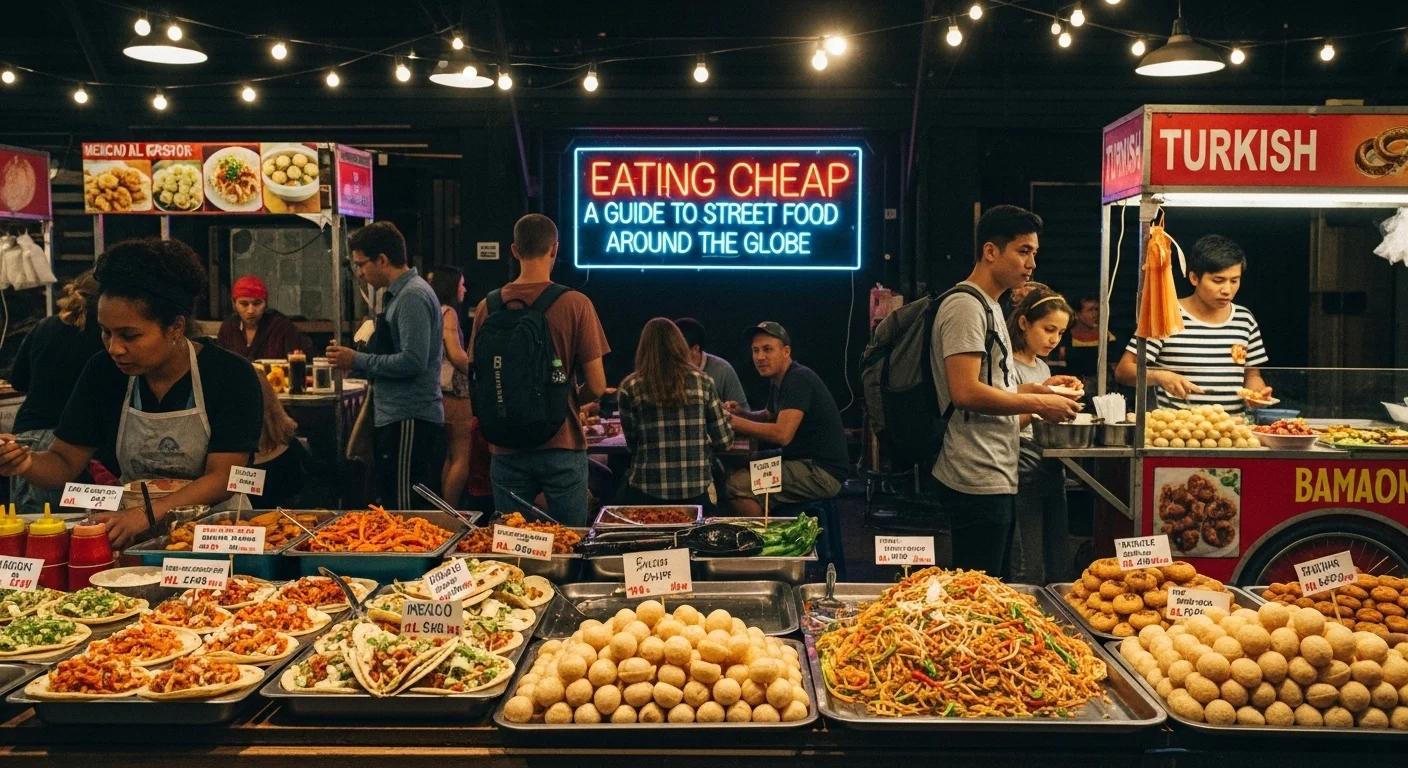
Street food is more than just a meal; it’s a cultural experience. From bustling markets to vibrant street corners, it offers a taste of local life that you just can’t find in restaurants. Join me as we explore the world of street food!
Understanding Street Food Culture
What is Street Food?
Street food refers to ready-to-eat food or drinks sold by vendors on the street or in public places. It’s often prepared and served quickly, making it a convenient option for people on the go. I remember my first encounter with street food in Bangkok. The sizzling sounds and tempting aromas wafting through the air drew me in, and I couldn’t resist trying a plate of Pad Thai from a nearby vendor. Street food is typically affordable and varies widely from region to region, reflecting local tastes, traditions, and ingredients. It serves as a delicious representation of a culture’s culinary heritage. Read Interesting article: Street Food Adventures: Tasty Delights on a Budget
The Significance of Street Food in Different Cultures
Street food plays a vital role in many cultures around the world. In places like India, it’s a crucial part of daily life, where vendors line the streets offering everything from spicy chaat to refreshing sugarcane juice. I’ve found that trying street food is like diving into a culture headfirst. It’s not just about the flavors; it’s about the stories behind each dish. In Mexico, for instance, the taco stands that pop up during festivals are a celebration of community and tradition. Sharing a meal from a street vendor often brings people together, fostering a sense of belonging and enjoyment that goes beyond just food.
In many cities, street food acts as a bridge between the rich and the poor. It’s accessible to everyone, offering a wide range of options at various price points. I’ve seen people from all walks of life gathering around a food cart, sharing laughs and stories, united by their love for good food. This inclusivity is one of the beautiful aspects of street food culture.
Health and Safety Considerations
While indulging in street food is exciting, it’s essential to consider health and safety. I always keep an eye out for vendors with a steady stream of customers, as it usually indicates freshness and good hygiene practices. In my travels, I’ve learned to trust my instincts; if a place looks clean and bustling, it’s often a safe bet. However, I’ve also had my fair share of experiences where I regretted ignoring the warning signs. Street food can vary in quality, so it’s wise to be cautious.
It’s also important to consider food allergies and dietary restrictions when trying new street foods. Many vendors are more than happy to accommodate requests if you’re open and polite. I remember asking a vendor in Vietnam if they could make my banh mi without mayonnaise, and they gladly obliged. That personal touch often makes the experience even more memorable.
In terms of food safety, I recommend always opting for cooked dishes over raw ones, especially in areas where food hygiene standards may vary. It’s a small precaution that can save you from a world of discomfort later on. Drinking bottled water instead of tap water and avoiding ice from questionable sources is another tip I learned through experience. Street food is about enjoying the moment, but it’s always better to be safe than sorry!
Regions and Their Unique Street Foods
Asia
Popular Street Foods in Southeast Asia
Traveling through Southeast Asia was a culinary adventure for me. Countries like Thailand, Vietnam, and Malaysia are known for their vibrant street food scenes. In Thailand, the night markets come alive with stalls selling everything from spicy som tam (papaya salad) to grilled satay skewers. I remember trying a bowl of boat noodles in Bangkok, where the rich broth and tender meat created a flavor explosion I can still taste. Each dish tells a story, often passed down through generations, making it a unique way to connect with the local culture. Read Interesting article: Savor the Streets: Top Budget-Friendly Street Foods Worldwide
Street Food in East Asia
East Asia is another treasure trove of street food delights. Taiwan’s night markets are famous for their stinky tofu—a dish I was hesitant to try at first, but I’m so glad I did! The crispy exterior and soft interior with a side of sweet chili sauce was a revelation. In Japan, you can’t miss the experience of grabbing a skewer of yakitori from a street vendor after a long day of exploring. Each region has its unique offerings, and tasting them gives you a deeper understanding of the local lifestyle.
Africa
Street Food Specialties in North Africa
North Africa offers its own unique street food delights. I’ve had the chance to explore the vibrant souks of Marrakech, where the scent of spices fills the air. One of my favorite experiences was trying a fresh tagine served from a street cart. The blend of spices and slow-cooked flavors was a culinary journey in itself. You can find a variety of dishes here, from falafel to kebabs, each reflecting the rich history and culture of the region.
Street Food Trends in Sub-Saharan Africa
As I ventured further south, I discovered a whole new world of street food. In countries like South Africa, the boerewors (sausage) rolls are a must-try. I remember standing in line at a food truck, surrounded by locals, all excited to get their hands on this delicious treat. The camaraderie among street food lovers is palpable, and it’s a great way to connect with people while satisfying your hunger.
Europe
Classic Street Food in Western Europe
Western Europe has its own flavors to offer. I’ve enjoyed grabbing a crepe from a vendor in Paris, watching as the vendor expertly flips the batter. It’s a simple pleasure, but one that brings a smile to my face every time. In Spain, the tapas culture extends to the streets, where you can sample small bites of local delicacies from various vendors.
Eastern European Street Food Delights
In Eastern Europe, street food is often hearty and filling. I fondly recall trying pierogi in Poland, stuffed with potatoes and cheese, topped with sautéed onions. Each bite warmed my heart and reminded me of home-cooked meals. Street food in these regions tends to focus on comfort and tradition, making it a delightful experience.
North America
Iconic Street Foods in the United States
The United States boasts a diverse street food scene, influenced by its melting pot of cultures. I’ve always loved grabbing a hot dog from a street vendor in New York City—it’s a classic experience! But beyond hot dogs, cities like Los Angeles offer taco trucks that serve some of the best Mexican food outside of Mexico. Each bite is filled with history and passion, representing the rich tapestry of American culture.
Canadian Street Food Innovations
In Canada, I was pleasantly surprised by the variety of street food options available. Poutine, a dish of fries topped with cheese curds and gravy, became an instant favorite of mine. I also discovered food trucks specializing in gourmet fare, elevating street food to new culinary heights. It’s exciting to see how diverse and creative street food has become in North America.
South America
Traditional Street Foods in Brazil
Brazil’s street food scene is as vibrant and diverse as its culture. I remember walking through the lively streets of Rio de Janeiro during Carnival, where the air was filled with music, laughter, and mouthwatering aromas. One of my favorite discoveries was the coxinha, a deep-fried dough filled with shredded chicken. The crunchy exterior and savory filling were a perfect combination. Street vendors often serve these with a side of spicy dipping sauce, and I found myself going back for seconds more than once!
Another iconic Brazilian snack is pão de queijo, which are small cheese breads that are warm, fluffy, and utterly irresistible. I learned that these little bites are enjoyed all over the country, often paired with a cup of coffee. Whether from a corner stall or a bustling market, trying these foods felt like sharing in the local spirit.
Street Food Across the Andes
Traveling through the Andes, I was struck by the variety of street foods available. In Peru, I had the opportunity to try anticuchos, skewers of marinated beef heart grilled to perfection. At first, I was hesitant, but my curiosity won me over. The smoky, rich flavors were complemented by a zesty sauce that brought it all together. It was a dish that not only filled my stomach but also connected me to the culinary traditions of the region.
In Bolivia, I discovered salteñas, which are savory pastries filled with meat, potatoes, and spices. These little pockets of goodness are a popular breakfast item, and I found them to be incredibly satisfying. The first bite is a burst of flavor, and I loved how each vendor had their own special twist on the recipe. Eating street food in this region felt like a journey through history, as many of these recipes have been passed down for generations.
Oceania
Australian Street Food Scene
Australia’s street food reflects its multicultural society, and I was excited to dive into this scene during my visit. I remember strolling through the food markets in Sydney, where food trucks and stalls offered an array of options from around the world. The classic meat pie is a must-try; it’s hearty, flaky, and filled with tender meat. I enjoyed mine with a generous helping of tomato sauce, a true Australian staple!
Another standout was the Aussie burger, which is unlike any burger I’ve had before. Topped with beetroot, pineapple, and a fried egg, it’s a delightful fusion of flavors that left me craving more. The street food culture in Australia is all about fresh ingredients, and I appreciated how many vendors emphasized local produce in their dishes. It’s a great way to taste the essence of the land.
Unique Offerings in New Zealand
In New Zealand, I discovered the famous hangi, a traditional Māori method of cooking food in an underground oven. While not strictly street food in the conventional sense, many food festivals feature stalls serving up this unique dish. I remember attending a cultural event where I tried the tender meat and earthy flavors infused from the volcanic stones. It was a communal experience that brought people together, much like street food should.
Another delightful find was the feijoa, a fruit native to New Zealand that I hadn’t encountered before. Vendors often sell it fresh or blended into smoothies, and I found the sweet, tangy flavor refreshing. It’s moments like these that make traveling so special—discovering new tastes and embracing the local way of life.
Top Street Food Cities Around the World
Bangkok: A Culinary Paradise
Bangkok is often hailed as the street food capital of the world, and I couldn’t agree more. The city is bursting with energy and flavor, with food stalls lining the streets at every turn. I remember exploring the vibrant Chatuchak Weekend Market, where I tried everything from mango sticky rice to spicy grilled meat skewers. Each dish had its own unique twist, and I loved how the vendors were always eager to share their stories behind the food they prepared. The bustling atmosphere combined with the mouthwatering smells made it a paradise for any food lover.
Mexico City: Tacos and More
Mexico City is another must-visit destination for street food enthusiasts. The taco stands are legendary, offering a variety of fillings that cater to every palate. I was particularly taken with the al pastor tacos, marinated pork cooked on a vertical spit, and served with fresh pineapple. The flavors burst with every bite, and I found myself returning to the same stall multiple times during my stay. Beyond tacos, the city also boasts fantastic elotes (grilled corn on the cob) topped with chili powder, cheese, and lime, making for a delicious snack while exploring.
Istanbul: A Fusion of Flavors
Istanbul is a fascinating blend of cultures, and its street food reflects this rich history. I loved wandering through the streets, trying simit (sesame-covered bread) and fresh seafood from vendors near the Bosphorus. The mix of sweet and savory dishes, like baklava dripping in honey and spicy kebabs, created a harmonious experience that I’ll never forget. Every corner seemed to offer something new, and I felt like I was on a culinary adventure with each bite.
Tokyo: Street Eats in the Capital
Tokyo is a city that truly embraces street food, and my visit there was filled with delightful discoveries. The streets are lined with vendors offering an array of mouthwatering options, from sizzling yakitori to sweet crepes. I remember my first night in the city, wandering through the bustling streets of Shinjuku, where the neon lights illuminated the food stalls. I couldn’t resist trying some takoyaki—delicious little balls of batter filled with octopus, drizzled with tangy sauce and topped with bonito flakes that danced in the warm air. Each bite was a burst of flavor, and I felt an instant connection to the local culture.
One of my favorite experiences was exploring the famous Tsukiji Outer Market, where the vibrant atmosphere and fresh seafood made my taste buds tingle with excitement. I tried fresh sushi right from the counter, and I have to say, it was unlike any sushi I had ever tasted. The skill and dedication of the vendors truly shined through in every dish. Tokyo is a paradise for street food lovers, and I found that each vendor had a story to share, making every bite feel special.
New York City: Global Street Food Hub
New York City is often referred to as a melting pot, and the street food scene is a perfect reflection of that. I’ve always loved walking through the streets of Manhattan, where the aroma of food carts fills the air with enticing scents from around the world. One of my go-to treats is the classic Halal cart, where I enjoy a generous plate of chicken over rice, drizzled with white sauce and hot sauce. It’s a dish that has become emblematic of the city’s diverse culinary offerings.
Beyond the Halal carts, I’ve explored neighborhoods like Astoria, where Greek street food reigns supreme. Gyros and spanakopita from local vendors are simply divine. I remember sharing a meal with friends at a little park, soaking in the city’s energy while devouring these delicious bites. Street food in New York is not just about satisfying hunger; it’s about the experience of connecting with different cultures and sharing stories with fellow food lovers.
Budget-Friendly Tips for Enjoying Street Food
Finding the Best Street Food Stands
When it comes to street food, finding the best stands can be an adventure in itself. I’ve learned that asking locals for recommendations is one of the best ways to discover hidden gems. During my travels, I’ve often approached someone who seemed to enjoy their meal and simply asked where they got it. More times than not, they were happy to share their favorite spots with me. Additionally, I’ve found that following the crowds can lead to tasty surprises; if there’s a long line, it’s usually a good sign that the food is worth the wait.
How to Avoid Tourist Traps
Tourist traps can be common in popular areas, and I’ve had my fair share of experiences where I ended up paying more for mediocre food. To avoid this, I recommend steering clear of vendors that cater exclusively to tourists. Instead, look for places where locals eat, which often means lower prices and more authentic flavors. I remember one time in Barcelona, I wandered away from the main tourist areas and found a small tapas bar frequented by locals. The food was not only delicious but also much more affordable than the places near the major attractions.
Negotiating Prices and Understanding Currency
When traveling in different countries, I’ve found that understanding the local currency and pricing can greatly enhance the street food experience. In some cultures, bargaining is a common practice, and it can be part of the fun. I remember in Morocco, where I learned to negotiate prices at food stalls. It felt like a game, and I ended up with delicious food at a fair price. However, not every place encourages haggling, so I’ve learned to observe the locals and follow their lead. Being polite and friendly goes a long way in these interactions, and I believe it often results in a more enjoyable experience. Read Interesting article: Discover Culinary Delights: Budget-Friendly Food Tours Abroad
Frequently Asked Questions
What is street food?
Street food refers to ready-to-eat food or drinks sold by vendors on the street or in public places. It is often prepared and served quickly, making it a convenient option for people on the go, and varies widely from region to region, reflecting local tastes and traditions.
Why is street food significant in different cultures?
Street food plays a vital role in many cultures, acting as a crucial part of daily life and fostering community. It provides an inclusive dining experience accessible to everyone, often bringing people together around food, which serves as a representation of a culture’s culinary heritage.
What are some health and safety considerations when consuming street food?
It is essential to consider health and safety by choosing vendors with a steady stream of customers, indicating freshness and hygiene. Always opt for cooked dishes over raw ones, drink bottled water, and be cautious of ice from questionable sources. Additionally, be aware of food allergies and dietary restrictions.
What popular street foods can be found in Southeast Asia?
Southeast Asia is known for vibrant street food scenes with dishes like spicy som tam (papaya salad), grilled satay skewers, and boat noodles. Each dish often tells a story connected to local culture and traditions.
What are some unique street foods found in North Africa?
In North Africa, street food delights include dishes like falafel, kebabs, and tagine, which reflect the region’s rich history and culture, particularly in bustling markets like those in Marrakech.
What iconic street foods can be found in the United States?
The United States offers a diverse street food scene, including classic hot dogs in New York City, taco trucks in Los Angeles, and poutine in Canada, showcasing the melting pot of cultures that influences American cuisine.
What are some traditional street foods in Brazil?
In Brazil, popular street foods include coxinha, a deep-fried dough filled with chicken, and pão de queijo, small cheese breads that are fluffy and warm. These dishes often reflect the lively spirit of the culture, especially during events like Carnival.
How can one find the best street food stands while traveling?
Finding the best street food stands can be done by asking locals for recommendations, following crowds to popular vendors, and observing where locals tend to eat, as this often leads to authentic and delicious options.
What should one do to avoid tourist traps when seeking street food?
To avoid tourist traps, steer clear of vendors that cater exclusively to tourists and seek out places where locals eat. This often results in lower prices and more authentic flavors.
How can one negotiate prices and understand currency when enjoying street food abroad?
Understanding local currency and pricing can enhance the street food experience. In some cultures, bargaining is common, so observing locals and being polite while negotiating can lead to fair prices and a more enjoyable experience.