
Camping is a wonderful way to connect with nature, but it’s important to do it responsibly. Embracing eco-friendly practices not only enhances our experience but also helps protect the beautiful environments we cherish. For those looking for budget-friendly options, check out 10 Essential Eco-Friendly Camping Tips for Budget Travelers.
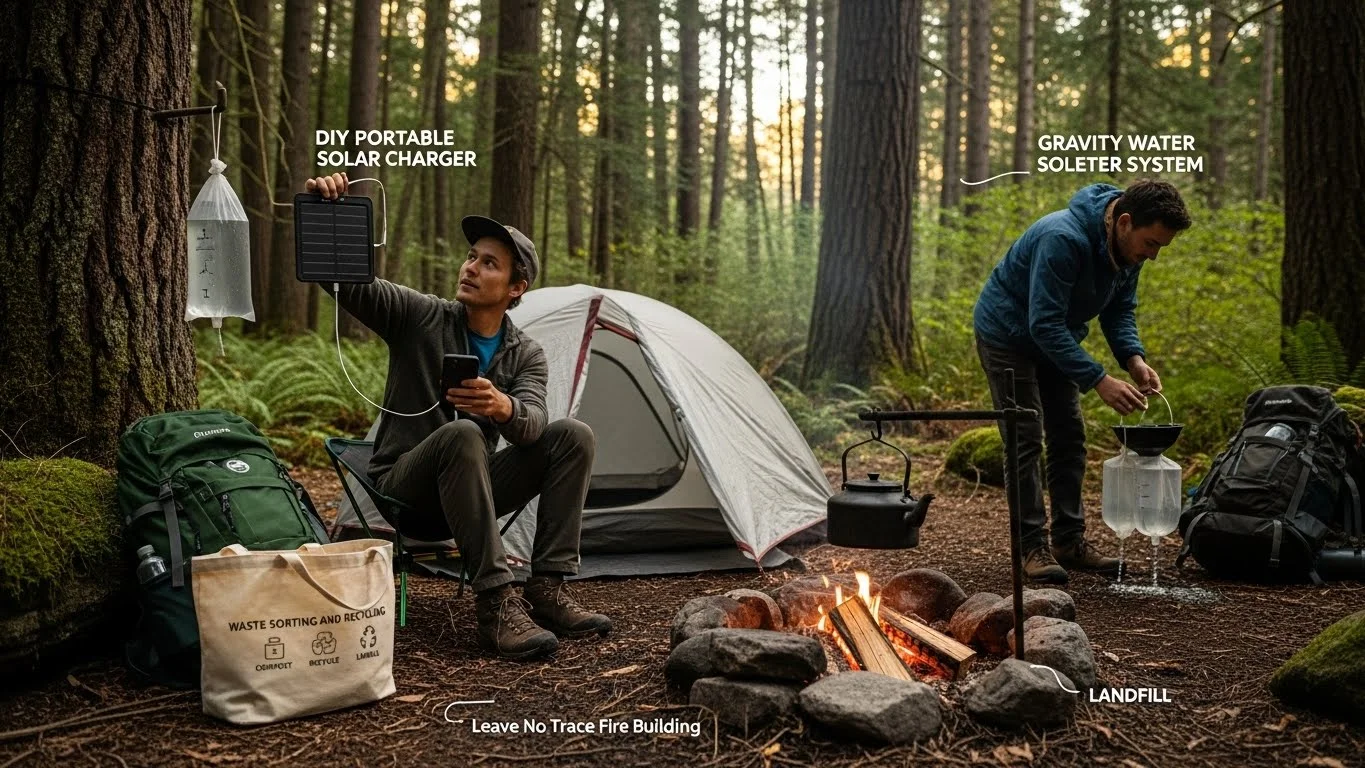
Understanding Eco-Friendly Camping
What is Eco-Friendly Camping?
When I first started camping, I didn’t give much thought to how my actions might impact the environment. But as I learned more about eco-friendly camping, I realized it’s about enjoying the great outdoors while minimizing our ecological footprint. Eco-friendly camping focuses on sustainable practices, such as using biodegradable products, reducing waste, and respecting local wildlife. It encourages us to be mindful of our surroundings and to leave nature as we found it.
Benefits of Eco-Friendly Camping
There are countless benefits to embracing eco-friendly camping. First and foremost, it helps preserve natural habitats. I’ve often noticed that when we care for the environment, the quality of our camping experience improves. The sounds of nature become clearer, the air feels fresher, and the scenery appears more vibrant. Additionally, eco-friendly camping can save money. Using reusable gear instead of single-use items, for instance, can significantly cut down on costs over time. I’ve found that investing in a few key sustainable items pays off in the long run. For more information on gear, check out Essential Gear for Eco-Friendly Camping on a Budget.
Impact of Traditional Camping on the Environment
On the other hand, traditional camping practices can harm the environment. I’ve seen firsthand the impact of littering, the destruction of habitats, and the depletion of resources. For example, using chemical-laden products can pollute soil and water sources. Fires left unattended can lead to wildfires, while leaving trash behind not only harms wildlife but also detracts from the natural beauty we went to enjoy. Understanding these impacts has motivated me to adopt more sustainable habits while camping.
Essential Gear for Eco-Friendly Camping
Sustainable Backpacks
Choosing the right gear is crucial for eco-friendly camping. I learned that sustainable backpacks are often made from recycled materials or organic fabrics. They’re not just better for the planet; they’re often more durable too. I recently switched to a backpack made from recycled plastic bottles, and I love that I’m reducing waste while having a sturdy pack. Look for brands that prioritize sustainability in their manufacturing processes.
Eco-Friendly Sleeping Gear
When it comes to sleeping gear, I recommend investing in eco-friendly options. There are sleeping bags made from recycled materials and sleeping pads filled with natural materials like wool. Not only are these products great for the earth, but they often provide excellent insulation and comfort. I’ve slept in sleeping bags that are not only warm but also produced with minimal environmental impact. It’s a win-win!
Biodegradable Toiletries
Toiletries can be one of the biggest culprits when it comes to camping waste. I used to pack regular products without thinking twice, but now I opt for biodegradable toiletries. These products break down naturally, reducing pollution. There are great options for soaps, shampoos, and even toothpaste that are eco-friendly. I remember discovering a biodegradable soap that not only cleaned well but also had a lovely natural scent. It felt good knowing that I was taking care of myself without harming the environment.
Reusable Cooking Equipment
Cooking while camping can be tricky, but using reusable cooking equipment makes it easier and more environmentally friendly. I’ve switched to stainless steel or titanium cookware, which is durable and doesn’t leach chemicals into my food. Plus, I love that I can wash and reuse them over and over again. I also try to pack reusable utensils, plates, and cups. It’s amazing how much waste can be avoided just by making these small changes.
Eco-Friendly Camping Hacks
Leave No Trace Principles
One of the most important concepts I’ve embraced is the Leave No Trace principles. This means packing out everything I bring in, staying on trails, and minimizing campfire impacts. I make it a point to set up my camp away from water sources and to avoid damaging plants and wildlife. It’s a mindset that has changed the way I experience nature. I feel more connected and respectful of the environment when I follow these principles.
Using Natural Insect Repellents
Dealing with bugs can be a nuisance, but I’ve found that natural insect repellents can be just as effective as the chemical versions. I often make my own using essential oils like citronella or eucalyptus. Not only do these natural repellents smell better, but they’re also safer for me and the environment. I remember one camping trip where I forgot my commercial bug spray, but thankfully, my homemade solution worked wonders!
DIY Eco-Friendly Fire Starters
Starting a campfire can be a challenge, especially when the wood is damp. I’ve learned to make my own eco-friendly fire starters from materials I already have at home, like dryer lint or egg cartons filled with wax. These DIY fire starters are effective and reduce the need for chemical fire starters. It’s a fun project that I can do before my trips, and it makes starting a fire easier when I’m out in nature.
Water Conservation Techniques
Water is a precious resource, especially when camping. I always aim to conserve water by using it wisely. For instance, I’ll collect rainwater in containers whenever possible for washing dishes or bathing. I’ve also started using a sponge for rinsing instead of running water. It’s amazing how much water I can save with these small adjustments. I feel a sense of responsibility knowing that I’m doing my part to protect this vital resource.
Biodegradable Waste Solutions
Managing waste is a big part of eco-friendly camping. I’ve adopted biodegradable waste solutions, like compostable bags for food scraps. It’s reassuring to know that my waste won’t linger in the environment for years. I also separate recyclables and make sure to dispose of them properly when I return home. These practices have made my camping experience much more enjoyable, as I don’t have to worry about the mess I’m leaving behind.
Food and Cooking Tips
Choosing Sustainable Food Sources
When it comes to food for camping, I’ve learned that choosing sustainable sources can make a big difference. I try to prioritize local and organic produce whenever possible. Not only does this reduce the carbon footprint related to transportation, but it also supports local farmers. I remember my last camping trip, where I made a stop at a farmer’s market. I picked up fresh fruits and vegetables, and they tasted so much better than pre-packaged options! Plus, buying local means I’m often getting seasonal produce, which is not only fresher but also more affordable.
Zero-Waste Cooking Strategies
Zero-waste cooking has become a game-changer for me while camping. I’ve adopted several strategies that not only reduce waste but also enhance my cooking experience. I always plan my meals ahead of time to avoid bringing excess food, and I pack ingredients that can be used in multiple recipes. For instance, leftover vegetables can be tossed into a soup or stew. Additionally, I use reusable containers for food storage instead of plastic wraps or bags. It feels great knowing that my cooking habits are minimizing my impact on the environment.
Packable, Eco-Friendly Snacks
Snacks are often a highlight of any camping trip for me, so I make sure to pack eco-friendly options. I love making trail mix from bulk nuts, seeds, and dried fruits, which I store in a reusable bag. It’s a delicious way to fuel up during hikes! I also prepare energy bars from oats and natural sweeteners, packaged in beeswax wraps instead of plastic. Not only do these snacks taste amazing, but they also keep me energized without contributing to waste. I’ve found that being mindful about my snack choices makes the whole camping experience more enjoyable.
Leave No Food Trace
One of the biggest lessons I’ve learned about camping is the importance of leaving no food trace. I make it a point to properly store food to keep wildlife safe and to avoid attracting animals to our campsite. I use bear-proof containers or hang food in a tree when necessary. It’s crucial to dispose of food scraps responsibly, so I always carry compostable bags for any leftover food, especially when making meals that generate waste. This way, I can ensure that I’m not leaving any harmful residue behind and that I’m respecting the wildlife that calls the area home.
Camping Locations and Practices
Choosing Eco-Conscious Campsites
Finding eco-conscious campsites has become a priority for me. I look for places that promote sustainable practices, such as using renewable energy sources and managing waste responsibly. State and national parks often have guidelines in place to protect the environment, and I feel a sense of pride knowing that my camping dollars are supporting these initiatives. I remember a time when I chose a campsite that practiced eco-monitoring, which included protecting local flora and fauna. It was a beautiful spot, and knowing that I was helping to preserve it made the experience that much richer.
Understanding Local Wildlife and Ecosystems
Another key aspect of eco-friendly camping is understanding the local wildlife and ecosystems. The more I learn about the plants and animals in the area, the more I appreciate my surroundings. I often spend time researching before my trips, familiarizing myself with the species I might encounter. This knowledge has helped me respect their habitats and avoid disturbing them. On one trip, I spotted a family of deer and was able to observe them from a distance without causing any disruption. It’s moments like these that reinforce the importance of being aware of our impact on nature.
Respecting Natural Habitats
Respecting natural habitats is essential for anyone who enjoys camping. I make a conscious effort to stay on marked trails and avoid trampling on vegetation. I’ve seen how easily a path can be created by foot traffic, leading to erosion and damage to delicate ecosystems. I also remind myself to be patient and allow nature to thrive without interference. Whether it’s a tiny flower or a sprawling tree, every living thing plays a role. By simply appreciating these aspects of the environment, I feel a deeper connection to the places I visit.
Community and Responsibility
Joining Eco-Friendly Camping Groups
Being part of eco-friendly camping groups has been one of the best decisions I’ve made. These communities share knowledge and promote sustainable practices. I’ve met so many like-minded individuals who inspire me to be more environmentally conscious. Together, we organize clean-up events and workshops that educate campers about responsible practices. Sharing experiences and learning from each other has enriched my camping journey and strengthened my commitment to protecting our planet.
Volunteering for Conservation Projects
Volunteering for conservation projects has allowed me to give back to the places I love to camp. I’ve participated in tree planting events and habitat restoration initiatives, which have shown me the importance of actively contributing to environmental sustainability. It’s incredibly fulfilling to see the direct impact of these efforts. I remember helping to clear a trail that had become overgrown, and seeing others enjoy the path afterward made all the hard work worth it. Every time I volunteer, I feel a renewed sense of responsibility toward nature.
Sharing Your Eco-Friendly Experiences
Lastly, sharing my eco-friendly camping experiences with others has been a rewarding aspect of my journey. I often post updates on social media, sharing tips and tricks for sustainable camping. I enjoy inspiring friends and family to adopt similar practices. It’s amazing how one person’s initiative can spark others to think differently about their outdoor adventures. I’ve found that conversations about eco-friendly camping not only educate but also foster a sense of community and shared responsibility. Together, we can make a real difference. For more tips, I recommend reading the Ultimate Guide to Budget Eco-Friendly Camping Adventures.
Resources for Eco-Friendly Backpackers
Books and Guides on Sustainable Camping
As I delved deeper into eco-friendly camping, I found that reading books and guides focused on sustainable practices really helped enhance my understanding. One of my favorites is “The Green Book: The Everyday Guide to Saving the Planet One Simple Step at a Time.” It’s packed with practical tips that can be applied not only to camping but to everyday life. Another great resource is “The Ultimate Guide to Camping: Tips for Eco-Conscious Campers.” This book covers everything from gear selection to waste management. I always keep a couple of these books handy to inspire my trips and remind myself of best practices.
Websites and Online Communities
The internet is a treasure trove of information, and I’ve discovered several websites dedicated to eco-friendly camping. One that stands out is the Leave No Trace Center for Outdoor Ethics, which offers extensive resources on responsible outdoor practices. They have excellent articles, tips, and even training courses that I found helpful. I also joined a few online communities and forums focused on sustainable camping. The discussions in these groups have introduced me to new ideas and practices, and it’s comforting to connect with others who share the same values. It feels great to be part of a community that’s passionate about protecting our planet.
Apps for Eco-Friendly Travel
In this tech-driven age, I’ve found that there are several apps that can enhance my eco-friendly camping experience. One of my favorites is “iRecycle,” which helps identify recycling options for various materials wherever I am. It ensures that I can dispose of waste properly while I’m on the road. Another app I love is “Parkify,” which shows eco-conscious camping spots and parks that implement sustainable practices. Using these tools not only simplifies my camping trips, but it also reinforces my commitment to leaving a positive impact on the environment. Technology can truly be a friend in our journey toward sustainability!
Planning Your Eco-Friendly Camping Trip
Researching Your Destination
Before heading out on my camping trips, I always make sure to do thorough research on my destination. Understanding the local environment, regulations, and wildlife is essential. I often look for information on the best practices for camping in that area, such as fire restrictions and wildlife protection guidelines. This research helps me be a better visitor and ensures that I’m respecting the natural beauty around me. I remember a trip to a national park where the guidelines emphasized the fragility of the ecosystem, and it made me more mindful of my actions.
Creating a Packing List
Over time, I’ve learned that creating a detailed packing list is crucial for successful eco-friendly camping. I include sustainable gear and check for items that can be reused or are biodegradable. This way, I avoid packing unnecessary items that could lead to waste. I also make sure to bring along my own reusable water bottle, which I can fill up instead of buying bottled water. Each time I tick an item off my list, I feel more prepared and confident that I’m making a positive impact on the environment.
Choosing the Right Time to Camp
Timing can greatly affect the impact of our camping trips. I’ve noticed that camping during off-peak seasons not only provides a quieter experience but also reduces stress on the environment. Fewer campers mean less waste and less disturbance to local wildlife. I also try to avoid camping during sensitive times for local flora and fauna, such as nesting seasons. Planning my trips around these factors has made my adventures more rewarding and has helped me gain a deeper appreciation for the ecosystems I visit.
Engaging with Fellow Campers
When I’m out camping, I always take the opportunity to engage with fellow campers about eco-friendly practices. Sharing tips and experiences can spark meaningful conversations and inspire others to adopt similar habits. I remember one trip where I met a family who was passionate about composting while camping. They shared their methods, and it motivated me to try it out on my next trip. It’s amazing how a simple discussion can lead to new ideas and a stronger commitment to sustainability among campers.
Educating Others About Eco-Friendly Camping
Organizing Workshops and Events
One of the greatest joys I’ve found in my camping journey is educating others about eco-friendly camping. I’ve organized a few workshops in my community, where we discuss sustainable practices, share experiences, and even demonstrate how to make DIY eco-friendly camping gear. It’s incredibly fulfilling to see others get excited about protecting the environment and implementing these practices in their own camping adventures. The energy in these gatherings is contagious, and I love seeing our community come together for a common cause.
Starting a Blog or Social Media Page
Another way I’ve been able to share my passion for eco-friendly camping is by starting a blog. Writing about my experiences allows me to connect with others who are interested in sustainable outdoor practices. I enjoy sharing tips, personal stories, and photos from my trips. Engaging with readers and answering their questions has made me realize how many people are eager to learn about this important topic. I’ve also found that social media is a great platform for sharing quick tips and inspiring others to think about their outdoor adventures in a more sustainable way.
Collaborating with Local Organizations
Partnering with local environmental organizations has been a rewarding experience for me. I’ve collaborated on various projects, from organizing clean-up days at local parks to hosting informational booths at community events. These partnerships not only help spread awareness about eco-friendly camping but also foster a sense of community responsibility. Being part of these initiatives has deepened my connection to both nature and the people who care about it. It’s a beautiful reminder that we can all work together to make a difference.
Frequently Asked Questions
What is eco-friendly camping?
Eco-friendly camping is about enjoying the outdoors while minimizing our ecological footprint. It focuses on sustainable practices such as using biodegradable products, reducing waste, and respecting local wildlife, encouraging campers to be mindful of their surroundings and leave nature as they found it.
What are the benefits of eco-friendly camping?
Embracing eco-friendly camping helps preserve natural habitats, enhances the camping experience by improving the quality of nature sounds and scenery, and can save money through the use of reusable gear instead of single-use items.
What essential gear should I consider for eco-friendly camping?
Essential gear for eco-friendly camping includes sustainable backpacks made from recycled materials, eco-friendly sleeping gear like sleeping bags made from recycled materials, biodegradable toiletries, and reusable cooking equipment such as stainless steel or titanium cookware.
What are the Leave No Trace principles?
The Leave No Trace principles encourage campers to pack out everything they bring in, stay on trails, minimize campfire impacts, set up camp away from water sources, and avoid damaging plants and wildlife, promoting a respectful and responsible approach to nature.
How can I conserve water while camping?
Water conservation techniques while camping include using rainwater for washing dishes or bathing, utilizing a sponge for rinsing instead of running water, and being mindful of water usage to protect this vital resource.
What are some zero-waste cooking strategies for camping?
Zero-waste cooking strategies involve planning meals ahead to avoid excess food, using ingredients that can be utilized in multiple recipes, and opting for reusable containers for food storage instead of plastic wraps or bags.
How can I choose sustainable food sources for camping?
Choosing sustainable food sources for camping involves prioritizing local and organic produce to reduce transportation carbon footprint and support local farmers. This also often results in fresher, seasonal produce that is more affordable.
Why is it important to understand local wildlife and ecosystems when camping?
Understanding local wildlife and ecosystems enhances appreciation for the surroundings, helps respect animal habitats, and minimizes disturbance to flora and fauna, leading to a more responsible and enriching camping experience.
What are some ways to engage with fellow campers about eco-friendly practices?
Engaging with fellow campers can involve sharing tips and experiences, discussing sustainable practices, and inspiring others to adopt eco-friendly habits, which fosters a stronger commitment to sustainability within the camping community.
How can I educate others about eco-friendly camping?
Educating others can be accomplished by organizing workshops and events focused on sustainable practices, starting a blog or social media page to share tips and experiences, and collaborating with local organizations to spread awareness about eco-friendly camping.