
Imagine immersing yourself in a vibrant culture while mastering culinary techniques that tantalize your taste buds. Luxury cooking classes abroad offer the perfect blend of travel and gastronomy, letting you elevate your culinary skills to new heights. For those also interested in unique accommodations, check out Top Unique Luxury Resorts for the Ultimate Getaway.
Understanding Luxury Cooking Classes
What Defines a Luxury Cooking Class?
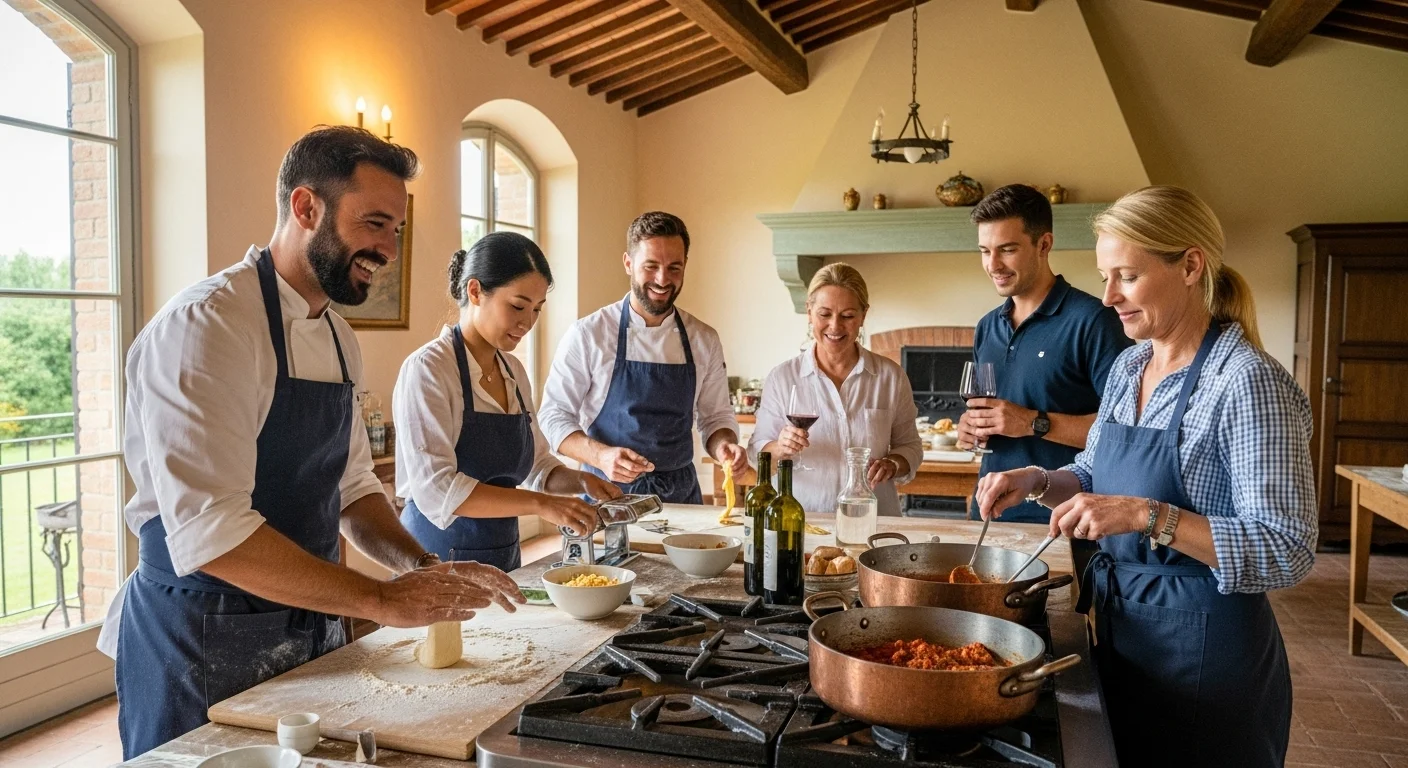
When I first thought about luxury cooking classes, I wondered what really set them apart from the typical cooking workshops I had attended before. In my experience, luxury cooking classes are all about the details. They often take place in beautiful, well-equipped kitchens, sometimes even in historic buildings or stunning locations. The instructors tend to be highly skilled chefs, often with years of international culinary experience, who not only teach recipes but also share their passion for food and culture.
In a luxury setting, the focus is on quality ingredients. I’ve attended classes where the freshest produce is sourced directly from local markets or even the chef’s own garden. The classes usually limit the number of participants, which creates a more intimate atmosphere. This allows for personalized attention and interaction with the chef, making the learning experience much more enriching. Luxury also includes extras, like wine pairings, gourmet tastings, and the chance to explore local food traditions beyond just cooking.
Benefits of Taking Cooking Classes Abroad
Taking cooking classes abroad has been one of the most rewarding experiences for me, and I believe it can be transformative for anyone. For starters, learning to cook in a foreign country immerses you in the local culture. You don’t just learn recipes; you understand the history and traditions behind the dishes. I remember my first class in Italy, where the chef told stories about his grandmother’s recipes, connecting me to the food on a deeper level.
Another advantage is the opportunity to meet people from all over the world. I’ve shared kitchen spaces with fellow food enthusiasts from different countries, and those friendships often extend beyond the class. We exchange cooking tips, share our culinary journeys, and sometimes even plan future trips together. Plus, it’s a fantastic way to break the ice and socialize while sharing a common interest.
Traveling for cooking classes also expands your palate. I’ve tasted flavors I never knew existed and learned techniques that have transformed how I cook at home. Whether it’s learning how to make traditional pasta from scratch in Italy or mastering the perfect croissant in France, these experiences not only enhance your cooking skills but also make your future dinner parties much more exciting. If you’re looking for a way to combine travel with luxury stays, consider Unforgettable Unique Luxury Resort Experiences You Must Try.
In addition, luxury cooking classes often offer a comprehensive package that includes visits to local markets, wine tastings, and even excursions to learn about local agriculture. I remember wandering through a bustling market in Barcelona, picking out ingredients for our cooking class while the vibrant atmosphere surrounded me. It was a sensory overload, and the excitement of selecting fresh produce added to the experience of cooking with it later.
Lastly, let’s not forget the joy of sharing your creations. After each class, we would sit down together to enjoy the meals we had prepared. This communal dining experience made the food taste even better, as we swapped stories and laughter over our culinary efforts. It’s a reminder that cooking is not just about the food; it’s about the connections we make and the memories we create.
Top Destinations for Luxury Cooking Classes
Italy: The Heart of Culinary Excellence
Italy has long been known as a culinary destination, and for good reason. Each region boasts its own specialties, and I found that taking cooking classes here feels like stepping into a beloved family tradition. The passion Italians have for their food is palpable, and learning from local chefs who have dedicated their lives to their craft is truly inspiring.
Tuscany: Farm-to-Table Experiences
Tuscany is a gem for anyone wanting to experience the essence of Italian cuisine. I remember spending a day at an organic farm in the countryside, harvesting vegetables and herbs for our cooking class. The farm-to-table philosophy resonated with me deeply, and I can still taste the vibrant flavors of the dishes we prepared. The combination of fresh ingredients and age-old recipes created a culinary experience like no other.
Rome: Traditional Italian Cooking
In Rome, I had the chance to learn about traditional dishes like pasta and tiramisu. The class was a mix of hands-on cooking and learning about the cultural significance of each dish. I found it fascinating how every ingredient had a story, and that connection made every bite more meaningful. Plus, sharing my homemade pasta with fellow classmates in a charming Roman kitchen was an unforgettable treat.
France: A Culinary Journey
France is another incredible destination for luxury cooking classes. With its rich culinary history, learning to cook French cuisine is like stepping into a gourmet wonderland. I’ve taken classes in Paris and Provence, and each experience was unique and enlightening.
Paris: Mastering French Pastry
In Paris, I focused on pastries, where I learned to create delicate macarons and flaky croissants. The attention to detail in French pastry-making is unlike anything I’ve encountered before. I remember the thrill of watching the dough transform into something magical in the oven, and indulging in my creations with a cup of café au lait was pure bliss.
Provence: Rustic Cooking Classes
In Provence, the emphasis was on rustic and seasonal cooking. I learned to prepare hearty dishes using fresh herbs, local vegetables, and olive oil. The classes often included visits to local markets, where I discovered the charm of selecting ingredients while chatting with farmers. It was a beautiful way to connect with the land and its people.
These experiences have shaped my culinary journey and inspired me to explore more cooking classes in other parts of the world, each with its unique culinary identity. Whether it’s the vibrant flavors of Spain, the exotic spices of Thailand, or the meticulous techniques of Japan, I’ve found that luxury cooking classes abroad offer an unforgettable way to elevate my travel experiences. The adventure begins with each dish, and I can’t wait to share more about the exciting destinations that await us in the culinary world. If you’re planning your next family vacation, consider ways to Experience Luxury on a Budget: Family Resorts to Visit.
Top Destinations for Luxury Cooking Classes
Spain: A Flavorful Adventure
Spain is a treasure trove of culinary delights, and I can’t help but get excited when I think about the luxury cooking classes I experienced there. Each region of Spain offers its own unique flavors and cooking styles, and immersing myself in this vibrant culture was nothing short of exhilarating.
Barcelona: Tapas and More
My journey in Spain began in Barcelona, where I dove into the world of tapas. I remember walking through the bustling streets, the aromas of grilled seafood and roasted peppers wafting through the air. In my cooking class, we learned how to prepare a variety of tapas, from classic patatas bravas to delicate gambas al ajillo. The chef was passionate about sharing the history behind each dish, and I found myself captivated by the stories of how these small plates played a significant role in Spanish dining culture.
One of my favorite moments was learning how to make the perfect tortilla Española. It was such a simple dish, yet mastering the technique took some finesse. I struggled a bit at first, but when I finally flipped that golden tortilla onto the plate, I felt a sense of accomplishment. Sharing that delicious creation with my classmates, along with some local wine, made for an unforgettable evening. It was a reminder of how food can bring people together, no matter where you come from.
San Sebastián: Basque Cuisine
Next, I traveled to San Sebastián, a city renowned for its incredible food scene. The Basque Country is famous for its pintxos, a delightful variation of tapas. In a local cooking class, I had the opportunity to learn about the art of creating these small bites. It was fascinating to see how traditional recipes were infused with modern twists, showcasing the innovation that characterizes Basque cuisine.
During the class, we prepared an assortment of pintxos, including marinated anchovies with a zesty vinegar dressing and skewered chorizo. The experience was both hands-on and interactive, allowing us to experiment with flavors and presentation. I remember feeling a real sense of pride as my fellow classmates and I plated our creations, ready to share and enjoy the fruits of our labor. The camaraderie we built over food was a highlight of my time in San Sebastián.
Thailand: An Exotic Culinary Experience
Thailand offers an entirely different culinary adventure. The vibrant flavors and aromatic spices make it a must-visit destination for anyone looking to expand their cooking repertoire. My time in Thailand was filled with colorful ingredients and bold flavors, and I loved every moment spent in the kitchen.
Bangkok: Street Food and Traditional Dishes
In Bangkok, I took a cooking class that focused on traditional Thai dishes. I remember wandering through a local market, guided by our chef, who introduced us to a wide array of fresh herbs, vegetables, and spices. The sensory overload was incredible; I could hardly contain my excitement as I picked up ingredients I’d only ever seen in cookbooks.
Back in the kitchen, we prepared dishes like Pad Thai and Green Curry from scratch. The chef emphasized the importance of balancing flavors—sweet, sour, salty, and spicy—and it was eye-opening to see how each ingredient contributed to the final dish. I still remember the thrill of achieving that perfect balance in my cooking. Sharing the delicious meals we prepared with fellow food lovers made the experience even more special, and I left feeling inspired to recreate those flavors at home.
Chiang Mai: Northern Thai Cooking
My culinary journey continued in Chiang Mai, where I had the chance to learn about Northern Thai cuisine. The dishes here are distinct, often featuring unique ingredients like sticky rice and fresh herbs. In a cozy cooking school set in a lush garden, we were taught how to make Khao Soi, a creamy coconut curry noodle soup that quickly became one of my favorites.
During the class, we discussed the significance of each ingredient used in Northern Thai cooking and how it reflects the region’s culture. I remember feeling a strong connection to the food, as it was not just about the flavors but the stories behind them. Cooking in Chiang Mai was more than just a class; it was a deep dive into a way of life that values community, tradition, and flavor.
Japan: Discovering Japanese Culinary Arts
Japan is another incredible destination for those wanting to delve into luxury cooking classes. The meticulous attention to detail in Japanese cuisine speaks volumes about their culture, and I found it fascinating to learn about their culinary philosophies.
Tokyo: Sushi Making Classes
In Tokyo, I enrolled in a sushi-making class that completely transformed my perception of this beloved dish. The chef’s precision and techniques were awe-inspiring. I remember feeling a bit intimidated at first, but the chef’s passion made it easy to learn. We started with the basics, mastering the art of cooking the perfect sushi rice before moving on to slicing fresh fish.
Once we began rolling our sushi, it was like a dance—the rhythm and flow of the movements were almost meditative. Sharing my handcrafted sushi with classmates surrounded by the vibrant Tokyo skyline was a memory I cherish deeply. It was a blend of tradition and innovation, and I walked away with not just recipes, but a newfound respect for Japanese culinary arts.
Kyoto: Traditional Kaiseki Cuisine
Finally, my culinary adventure in Japan took me to Kyoto, where I had the opportunity to experience kaiseki, a traditional multi-course meal. The cooking class was all about presentation, seasonal ingredients, and balance. I loved learning how to prepare each dish with such care, from the delicate sashimi to the beautifully arranged vegetables.
Preparing kaiseki was a lesson in patience and artistry. Each course was thoughtfully designed to create a visual and flavor experience that reflects the changing seasons. I felt a profound connection to the food and culture, and the meal we shared afterward was nothing short of magical. It wasn’t just a dinner; it was a celebration of nature, art, and culinary mastery that I will always remember.
Types of Luxury Cooking Classes
Hands-On Classes vs. Demonstrative Classes
When it comes to luxury cooking classes, you’ll often find two main formats: hands-on and demonstrative classes. Personally, I lean towards hands-on experiences where I can get my hands dirty and truly engage with the cooking process. There’s something incredibly satisfying about chopping vegetables, mixing ingredients, and tasting as I go. I remember a class in Barcelona that focused on making paella. Each of us had a role in the process, from sautéing the seafood to stirring the rice just right. The energy in the kitchen was electric, and the sense of accomplishment when we finally sat down to eat was unforgettable.
On the other hand, demonstrative classes have their merits too. In these classes, the chef often takes center stage, showcasing techniques and methods while you watch and absorb the information. I’ve been to a few of these, and while it’s less interactive, I found it fascinating to see the chef’s expertise firsthand. Watching a French pastry chef whip up an éclair in minutes was mesmerizing, and I took away valuable tips that I still use in my own kitchen. In my experience, both types of classes can be enriching, depending on how you learn best.
Private One-on-One Instruction
If you’re looking for a truly tailored experience, private one-on-one instruction can be a game changer. I had the opportunity to take a private lesson in Tuscany, and it was one of the most rewarding culinary experiences of my life. The chef worked with me to create a menu that reflected my interests, and I felt like I had a VIP pass into the world of Italian cooking. This personalized approach allowed me to ask questions freely and receive immediate feedback, which made the learning curve so much smoother.
During my private lesson, we focused on making handmade pasta. The chef’s patience and expertise helped me master the basics, and by the end of our session, I was rolling out sheets of pasta like a pro. The ability to ask for tips on specific techniques made a huge difference in my confidence in the kitchen. If you have the chance, I highly recommend investing in a private class to elevate your cooking skills.
Group Classes: A Social Experience
Group classes offer a fantastic opportunity for social interaction, and I’ve met some of the most interesting people through these sessions. Cooking together creates a natural bond, and I always look forward to sharing stories and laughter with fellow food lovers. I remember a class in San Sebastián where we were all strangers at the beginning but ended up sharing our favorite recipes and travel stories over a delicious meal we cooked together.
These group experiences can be both fun and educational. It’s amazing how much you can learn from each other, whether it’s a cooking tip or a cultural insight. Plus, there’s something special about celebrating your collective efforts at the end of the class, enjoying the dishes you’ve prepared side by side. For me, the social aspect of group classes is just as valuable as the cooking skills I acquire.
Culinary Tours with Cooking Classes Included
Culinary tours are another exciting option that I’ve come to appreciate. These tours combine the thrill of travel with immersive cooking experiences, allowing you to explore a region’s food culture in depth. I once joined a culinary tour in Thailand that included cooking classes alongside market visits and street food tastings. Each day was packed with adventures, and I loved how the classes complemented our culinary explorations.
During one memorable day, we visited a floating market and learned how to cook dishes using ingredients we had just picked. The experience of selecting fresh produce while chatting with local vendors added a special layer to our cooking. It felt like we were connecting directly with the heart of Thai cuisine. If you’re someone who loves to travel and explore new flavors, a culinary tour with cooking classes can be the perfect way to indulge both passions.
What to Expect from a Luxury Cooking Class
Class Structure and Duration
Every luxury cooking class has its unique structure, but I’ve noticed some common elements. Most classes typically start with an introduction, where the chef outlines the menu and shares a bit about the ingredients we’ll be using. I appreciate this moment to mentally prepare and get excited about what’s to come. Depending on the class, the duration can range from a couple of hours to an entire day, allowing for a deep dive into specific cuisines or techniques.
In my experience, longer classes often include more comprehensive lessons, like multiple courses or a full meal preparation. I remember a full-day class in Provence where we tackled everything from starters to desserts, and by the end, I felt like I had truly immersed myself in the culinary arts. It was a full day of laughter, learning, and, of course, indulging in the fruits of our labor.
Ingredients and Equipment Used
Luxury cooking classes pride themselves on using high-quality ingredients, and this has been a standout feature in all the classes I’ve attended. I’ve had the pleasure of cooking with organic produce, artisanal cheeses, and freshly caught seafood. The emphasis on quality makes a noticeable difference in the final dishes, and it’s an excellent reminder of the importance of using the best ingredients possible.
The equipment used in these classes is often top-notch as well. I remember using professional-grade knives and kitchen gadgets that made the cooking process smoother and more enjoyable. It’s inspiring to work with tools that chefs use in their professional kitchens, and it’s a great way to learn about techniques that I can replicate at home.
Chef Instructors: Who Will Teach You?
The chefs leading these luxury cooking classes are typically seasoned professionals with impressive backgrounds. I’ve had the chance to learn from chefs who’ve worked in Michelin-starred restaurants and have extensive training in culinary schools. Their passion and knowledge are infectious, and I always leave with a greater appreciation for the art of cooking.
What I love most is how these chefs often share personal stories about their culinary journeys, which adds a unique touch to the experience. Hearing about their challenges and successes makes the learning process feel more relatable and inspiring. Whether they’re teaching a traditional technique or a modern twist, their enthusiasm is what truly elevates the class.
Dining Experience: Enjoying Your Creations
One of the highlights of any cooking class is the chance to savor the dishes you’ve prepared. There’s something magical about sitting down with fellow participants to enjoy a meal crafted with your own hands. In my experience, this communal dining aspect often leads to lively conversations, sharing stories about the dishes, and discussing cooking tips. I remember a class in Italy where we dined al fresco, surrounded by the breathtaking countryside, and the meal felt like a celebration of our hard work.
Sharing a meal not only enhances the experience but also deepens the connections made in class. Each dish we create carries a piece of our shared journey, and it’s a beautiful reminder of how food can bring people together. Whether it’s a simple pasta dish or an elaborate multi-course meal, enjoying our creations is the perfect way to conclude a luxury cooking class.
Frequently Asked Questions
What defines a luxury cooking class?
Luxury cooking classes are distinguished by their attention to detail, beautiful and well-equipped kitchens, highly skilled instructors, quality ingredients, and a limited number of participants for personalized attention. They often include extras like wine pairings and local food traditions.
What are the benefits of taking cooking classes abroad?
Taking cooking classes abroad immerses you in local culture, allows you to meet people from diverse backgrounds, expands your palate, and provides opportunities for communal dining experiences. You also learn about the history and traditions behind the dishes, enhancing the overall experience.
Which destinations are recommended for luxury cooking classes?
Top destinations include Italy, France, Spain, Thailand, and Japan. Each region offers unique culinary experiences, such as traditional Italian cooking in Rome, pastry classes in Paris, tapas in Barcelona, and sushi making in Tokyo.
What types of culinary classes are available?
Luxury cooking classes can be hands-on, demonstrative, private one-on-one instruction, group classes, or part of culinary tours. Each type offers different levels of interaction and learning experiences, catering to various preferences.
What can participants expect from a luxury cooking class?
Participants can expect a structured class with an introduction by the chef, a variety of cooking techniques, use of high-quality ingredients, professional-grade equipment, and a communal dining experience to enjoy the dishes prepared.
What is the importance of ingredients used in luxury cooking classes?
High-quality ingredients are a hallmark of luxury cooking classes. They often use organic produce, artisanal cheeses, and freshly caught seafood, which significantly enhances the flavor and quality of the final dishes.
Who typically teaches luxury cooking classes?
Luxury cooking classes are usually led by experienced chefs with impressive backgrounds, often including experience in Michelin-starred restaurants and formal culinary training. They share their passion and personal stories, enriching the learning experience.
What types of dining experiences can participants expect?
Participants can look forward to communal dining experiences where they share the meals they’ve prepared. This aspect fosters connections and lively conversations, making the culinary journey even more memorable.
How long do luxury cooking classes usually last?
The duration of luxury cooking classes can vary, typically ranging from a couple of hours to a full day. Longer classes allow for more comprehensive lessons and deeper immersion into specific cuisines or techniques.
What is the role of social interaction in group cooking classes?
Group cooking classes provide a fantastic opportunity for social interaction, allowing participants to bond over shared experiences, exchange recipes, and enjoy the dishes they’ve prepared together. This aspect adds significant value to the learning experience.