
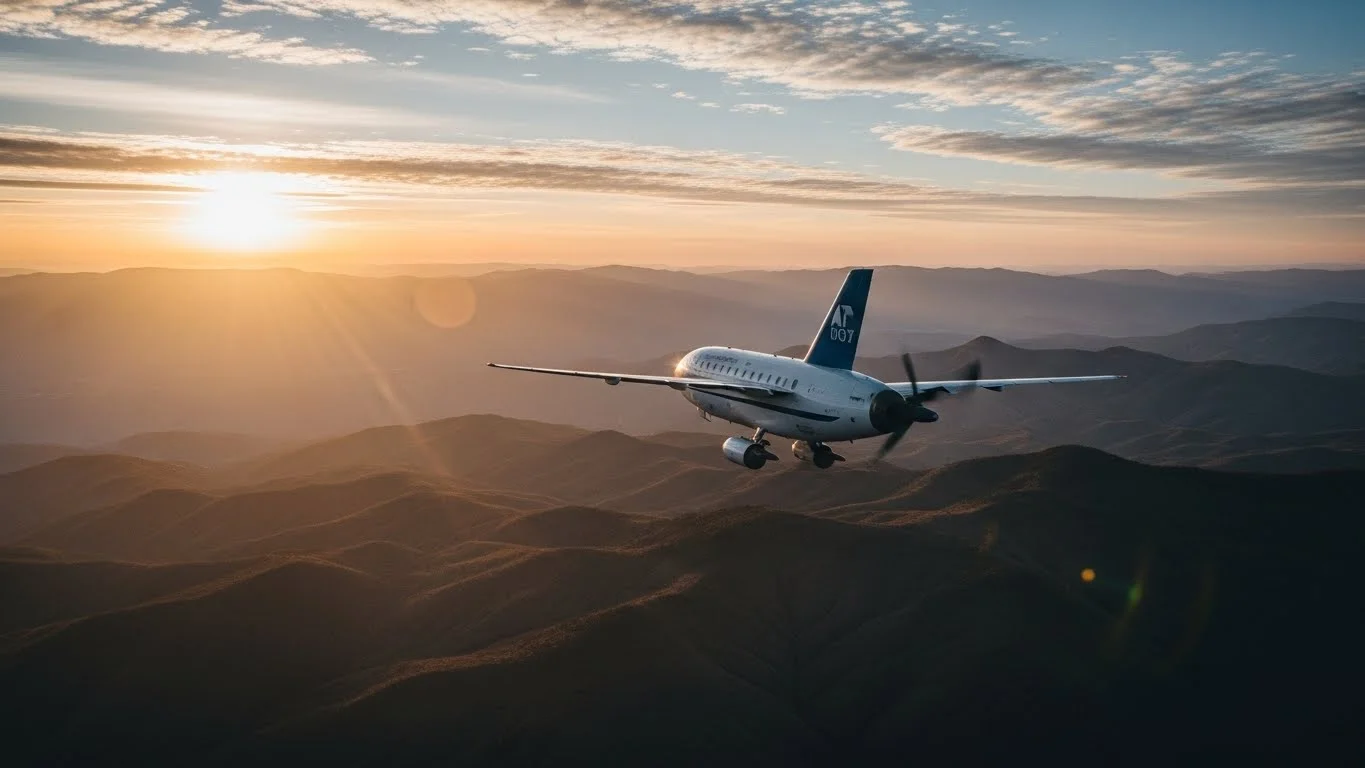
Imagine soaring high above breathtaking landscapes, capturing stunning visuals that draw travelers in. Aerial photography can transform your travel marketing, offering a unique perspective that traditional images simply can’t match.
Understanding Aerial Photography in Travel Marketing
What is Aerial Photography?
Aerial photography involves capturing images from an elevated position, typically using drones or aircraft. This type of photography allows us to see scenes from angles we wouldn’t normally experience on the ground. I remember the first time I saw a promotional video featuring aerial shots of a national park; the sweeping views of mountains and lakes instantly made me want to visit. Aerial photography isn’t just about height; it’s about showcasing a destination’s beauty in a way that feels immersive and expansive.
The Evolution of Aerial Photography in Travel
Aerial photography has come a long way since the days of manned flight and bulky cameras. Early pioneers used kites, balloons, and even pigeons to capture images from above. Over the years, technological advancements have made aerial photography accessible to many, with drones becoming the go-to tool for capturing stunning visuals. I’ve seen how this evolution has impacted travel marketing. With the rise of social media, the demand for eye-catching content has skyrocketed, and aerial photography is at the forefront of this visual revolution.
Today, travel agencies and destination marketers leverage aerial photography to create dynamic content that resonates with potential travelers. I’ve noticed that a single well-placed aerial shot can tell a story that invites people to explore. It sets the mood and creates an emotional connection, making viewers feel as if they are already on their journey.
Benefits of Aerial Photography for Travel Marketing
Enhanced Visual Appeal
There’s no denying that aerial photography is visually striking. It provides a fresh perspective that enhances the appeal of any location. I remember browsing travel websites and being immediately drawn to the stunning aerial shots of serene beaches and bustling cityscapes. These images not only capture the beauty of a destination but also give potential travelers a sense of scale and context. In my opinion, the allure of aerial photography lies in its ability to make viewers feel like they are part of something bigger, something they can explore.
Creating Unique Perspectives
Aerial photography offers unique perspectives that ground-level shots simply can’t achieve. It allows us to showcase the layout and geography of a destination, highlighting its features in a way that captivates the imagination. For instance, aerial shots of sprawling vineyards or intricate city streets present visual stories that stimulate curiosity. I’ve experienced firsthand how these unique perspectives can make a location more enticing and memorable. It’s almost as if the viewer is invited to discover hidden gems that they might overlook from the ground.
Improving Engagement Rates
In today’s digital landscape, engagement is key to successful marketing. I’ve found that posts featuring aerial photos tend to receive more likes, shares, and comments compared to standard images. People are inherently drawn to beautiful visuals, and aerial photography taps into that instinct. It’s a powerful tool for capturing attention on social media platforms and drawing users into your content. I believe that by incorporating aerial images, we can significantly boost engagement rates and encourage conversations around travel experiences.
Showcasing Destinations Effectively
When it comes to travel marketing, the goal is to showcase destinations in their best light. Aerial photography excels at this by allowing marketers to highlight key attractions, natural wonders, and the overall vibe of a place. I’ve seen how aerial shots can convey the essence of a location, whether it’s the serene beauty of a coastline or the vibrant energy of a city. By effectively showcasing these elements, we can entice potential travelers and spark their wanderlust.
Aerial photography doesn’t just sell a destination; it sells an experience. I remember planning a trip after viewing an aerial video that beautifully captured a city’s culture and ambiance. It inspired me to explore beyond the typical tourist spots, making me feel like I was about to embark on an adventure filled with discovery.
In my experience, incorporating aerial photography into travel marketing can elevate our content in remarkable ways. It’s not just about taking stunning photos; it’s about telling a story and inviting others to join in on the journey. As we continue exploring the essential equipment and techniques for capturing these breathtaking images, I’m excited to see how we can further enhance our travel marketing strategies.
Essential Equipment for Aerial Photography
Drones: Choosing the Right Model
When it comes to aerial photography, the drone you choose can make a significant difference. I remember my first experience with a drone; it felt like I was piloting a spaceship! There are so many options available today that it can be overwhelming. I recommend starting with a model that fits your budget while also providing quality images. For many, the DJI Mavic series has been a game-changer. These drones are not only compact and portable but also offer great camera capabilities. I’ve found that having a reliable drone can enhance the overall experience of capturing beautiful landscapes.
For beginners, I suggest considering user-friendly drones that offer intelligent flight modes. These features allow for easier navigation and help in capturing steady shots without much hassle. As I learned more about aerial photography, I gradually moved to more advanced models, but starting with a basic drone helped me build confidence in my skills.
Cameras: Best Options for Aerial Shots
The camera is another crucial component for capturing stunning aerial shots. While many drones come with built-in cameras that produce impressive images, there are benefits to using a separate camera. For instance, I’ve had great success using mirrorless cameras like the Sony A7 series, which can be mounted on certain drones. The image quality is fantastic, and they allow for more versatility in capturing different styles of photography.
Remember that the lens you choose can affect the outcome of your shots, too. A wide-angle lens is usually ideal for aerial photography because it allows you to capture expansive landscapes. I’ve noticed that using a variety of lenses can give different perspectives to the same scene, making the final images more interesting.
Accessories: Gimbals and Filters
To take your aerial photography to the next level, consider investing in accessories like gimbals and filters. A gimbal stabilizes your camera, helping to reduce shake and ensure smoother footage. I’ve experienced firsthand how having a gimbal can elevate my video quality. It’s almost like having a professional cinematographer at your side!
Filters are also essential for managing light and enhancing colors in your shots. Polarizing filters, for example, can help reduce glare and bring out the vibrancy of the skies and landscapes. I remember experimenting with different filters and being amazed at how much they could transform an otherwise flat image into something that truly pops. Overall, investing in good accessories can make a significant difference in your aerial photography results.
Techniques for Capturing Stunning Aerial Photos
Planning Your Shots: Timing and Location
Capturing breathtaking aerial shots isn’t just about flying your drone and snapping away; it’s also about planning. I often take time to research the best times to shoot, keeping in mind the golden hours—early morning or late afternoon—when the light is soft and warm. These times can create stunning visuals that add depth and dimension to photographs.
Location matters too. I’ve found that scouting out locations can lead to unexpected discoveries. Sometimes, what seems like a mundane area from the ground can transform into a breathtaking view from above. Using apps that provide information on popular photography spots can help. I’ve used sites like Instagram or Flickr to see what others have captured in specific locations, and it often inspires my own shots.
Understanding Composition and Framing
Composition is key in photography, and it holds especially true for aerial shots. I’ve learned to play with different angles and framing techniques to create dynamic images. The rule of thirds is a great starting point; dividing your frame into a grid can help position key subjects in a more balanced way. I also enjoy experimenting with leading lines and patterns that draw the viewer’s eye into the photo.
One of my favorite techniques is capturing symmetry, which can create a striking visual impact. Whether it’s a perfectly aligned row of trees or the symmetrical layout of a city street, these elements can create stunning focal points in your aerial photography.
Utilizing Natural Light and Weather Conditions
The weather can significantly affect the quality of your aerial photos. I’ve learned to embrace different weather conditions instead of shying away from them. Overcast days can provide soft, diffused light that reduces harsh shadows, making colors appear more vibrant. Meanwhile, dramatic cloud formations can add depth and interest to your shots.
Understanding how natural light interacts with your surroundings can help you capture truly unique images. For instance, shooting just after a rainstorm can reveal lush landscapes with vivid colors. I’ve also found that incorporating elements like reflections in water bodies can create stunning visuals. Paying attention to the weather and being ready to adapt can make all the difference in capturing unforgettable aerial shots.
Editing Aerial Photography for Maximum Impact
Basic Photo Editing Software
Once I capture stunning aerial shots, the next step is editing them to bring out their full potential. I’ve found that basic photo editing software can go a long way in enhancing my images. Programs like Adobe Lightroom and Photoshop are fantastic, but I’ve also had success with simpler tools like Canva or GIMP, especially when I’m on the go or just need quick adjustments.
For me, the first thing I usually do is adjust the exposure and contrast to make the colors pop. A subtle increase in saturation can bring the sky and landscape to life, giving it that vibrant, inviting feel that draws viewers in. I also focus on cropping to get rid of distractions and highlight the most compelling parts of the shot. I remember a time when I overlooked a distracting object in the frame; after cropping it out, the entire image became much more impactful.
Don’t underestimate the power of sharpening your images, either. I once learned that a little sharpening can help enhance details, making textures stand out. I enjoy using these basic tools because they allow me to put my personal touch on each image, creating a consistent style that reflects my vision. Read Interesting article: Top Techniques for Editing Aerial Photos on a Budget
Advanced Techniques for Enhancing Images
As I grew more comfortable with editing, I started exploring advanced techniques to take my aerial photography to the next level. One of my favorite methods is using layers in Photoshop. This allows me to mix different exposures or blend multiple images for a high dynamic range (HDR) effect, which can be breathtaking in aerial shots. I remember the first time I successfully created an HDR image; it was like adding a new dimension to my photography.
Another technique I enjoy is color grading. This process allows me to create a specific mood for my images. Whether I want a warm, inviting look for a beach scene or a cooler, more dramatic tone for mountainous landscapes, color grading helps convey the feeling I want viewers to experience. It’s fascinating how a shift in color can change the entire narrative of an image.
I also love experimenting with creative filters and textures. I’ve found that adding a light texture can give my images a unique feel, making them stand out even more on social media. There’s something thrilling about taking a photo that’s already stunning and giving it that extra flair through editing.
Integrating Aerial Photography into Your Marketing Strategy
Creating Eye-Catching Social Media Content
Once I’ve polished my aerial shots, the next step is to share them with the world. I’ve learned that social media is a powerful platform for showcasing these images. I love the excitement of posting an aerial photo and watching the engagement unfold. The key, in my experience, is to create eye-catching content that invites interaction.
For instance, I like to use captions that tell a story behind the image. Sharing a little anecdote about my experience while capturing the shot can draw my audience in even more. I’ve noticed that posts with engaging captions tend to receive more comments and shares, which can significantly boost visibility.
Another strategy I use is incorporating hashtags that resonate with my target audience. Aerial photography is popular on platforms like Instagram, so I often include relevant hashtags to reach a broader audience. I remember one specific post that gained unexpected traction simply because I used the right tags. It was thrilling to see so many people connect with my work!
Using Aerial Photos in Website Design
Integrating aerial photography into website design is another effective way to capture attention. I’ve found that using these stunning visuals on landing pages or in sliders can create an immediate impact. When visitors arrive at a website and are greeted with breathtaking aerial shots, they’re often compelled to explore further.
One of my favorite things to do is to feature full-width aerial images as backgrounds for sections of a website. This creates a visually striking experience that transports viewers to the destination. I’ve noticed that it can significantly improve user engagement, as people are more likely to stay on the page and learn more about what’s being offered.
Additionally, using aerial photography to highlight unique selling points—like a scenic view from a hotel or a bird’s-eye view of an attraction—can effectively entice potential travelers. This approach helps to reinforce the message that the destination is not just a place, but an experience worth having.
Incorporating Aerial Imagery in Email Marketing
When crafting email marketing campaigns, I’ve discovered that incorporating aerial imagery can significantly enhance the overall appeal. A well-placed aerial shot in an email can create a visual hook that captures readers’ attention. I always aim to include at least one stunning aerial photo in my newsletters or promotional emails. It’s a great way to break up text and keep readers engaged.
Another tip I’ve learned is to use aerial images to showcase special deals or packages. For example, if a travel agency is offering a tour that includes breathtaking aerial views, featuring those images can ignite excitement and curiosity. I’ve seen how effective this strategy can be; often, higher open rates and click-through rates follow when an engaging image is included.
Overall, integrating aerial photography into my marketing strategy has not only enhanced my content but has also created a deeper connection with my audience. It’s all about creating a visual narrative that invites people to explore and engage with the travel experiences I’m passionate about sharing.
Case Studies: Successful Use of Aerial Photography in Travel Marketing
Destination Marketing Organizations
When I think about successful uses of aerial photography, one of the first examples that comes to mind is how destination marketing organizations (DMOs) have embraced this visual medium. I remember seeing a campaign by the tourism board of a popular coastal region. They released a series of aerial videos showcasing the stunning coastline, lush forests, and vibrant local towns. The footage was breathtaking and gave viewers a sense of the area’s scale and beauty that typical photos just couldn’t convey.
These aerial shots not only highlighted the natural beauty of the destination but also provided a real sense of what travelers could expect. From that campaign, I learned how DMOs can effectively draw potential visitors in by sharing the unique features of their locations. The emotional connection developed through these visuals can inspire someone to book a trip just because they want to experience that beauty for themselves. It’s a powerful reminder of how aerial photography can elevate a marketing strategy.
Travel Agencies and Tour Operators
In my journey exploring aerial photography in travel marketing, I’ve also noticed how travel agencies and tour operators have adopted these stunning visuals. I recall a specific travel agency that used aerial photography to promote an adventure tour in the mountains. They created a captivating video montage featuring aerial shots of hikers on cliffs, glistening lakes, and expansive views of the valleys below. It not only showcased the thrill of the adventure but also highlighted the incredible landscapes that travelers could explore.
What struck me most was how this approach transformed the agency’s marketing. They reported a significant increase in bookings for that specific tour after launching the aerial campaign. It was clear that the emotional appeal of those images made a difference in how potential customers perceived the experience. Aerial photography can convey excitement and adventure in a way that standard images cannot, encouraging people to step outside their comfort zones and try something new.
Legal and Ethical Considerations in Aerial Photography
Understanding FAA Regulations
As I delved deeper into aerial photography, I realized the importance of understanding the legal landscape surrounding it. The Federal Aviation Administration (FAA) has specific regulations that govern the use of drones for commercial purposes. I remember feeling a bit overwhelmed when I first tried to navigate these rules, but it became clear that following them is crucial for anyone looking to incorporate aerial photography into their work. Read Interesting article: Essential Legal Tips for Aerial Photography on a Budget
The FAA requires drone operators to obtain a Remote Pilot Certificate, which ensures that pilots understand airspace rules and safety regulations. I found that investing time in learning these regulations not only protects my work but also adds credibility to my photography. It’s essential to stay informed about any changes in the law, especially as drone technology continues to evolve.
Privacy Concerns and Best Practices
While capturing stunning aerial imagery can be exhilarating, I’ve learned that respecting privacy is paramount. There have been instances where drone operators have faced backlash for flying over private properties or sensitive areas. I always make it a point to familiarize myself with the locations I intend to shoot, ensuring that I’m being respectful of local privacy laws and customs.
One best practice I’ve adopted is to obtain necessary permissions when filming in private areas. Additionally, I try to maintain a respectful distance from crowded spaces or residential areas to avoid any uncomfortable situations. Being considerate of privacy not only helps maintain positive relationships with communities but also enhances the overall perception of aerial photography as a legitimate and respectful practice.
Future Trends in Aerial Photography for Travel Marketing
Technological Advancements and Innovations
The world of aerial photography is constantly evolving, and I can’t help but feel excited about what the future holds. With advancements in drone technology, we’re seeing more powerful cameras, improved stabilization, and longer flight times. I’ve noticed that some newer models even offer features like obstacle avoidance and automated shooting modes, making it easier for photographers to capture stunning shots.
As I look ahead, I believe these advancements will continue to enhance the quality of aerial photography, allowing us to tell even more compelling stories. I can imagine using drones equipped with 360-degree cameras to create immersive experiences that viewers can explore from their own homes. This kind of innovation could completely change how travel marketing is approached, inviting potential visitors to virtually experience destinations before they arrive.
Shifts in Consumer Preferences and Expectations
Alongside technological advancements, I’ve noticed shifts in consumer preferences that will impact the future of aerial photography in travel marketing. Today’s travelers are seeking authenticity and unique experiences, and aerial photography can help deliver that. I’ve experienced firsthand how people are drawn to visuals that feel genuine and relatable, which puts pressure on marketers to continuously evolve their strategies.
In this context, I believe aerial photography will play a pivotal role in crafting narratives that resonate with modern travelers. As I follow these trends, I’m reminded of the importance of staying connected with my audience and understanding their desires. By continuing to innovate and adapt my approach to aerial photography, I can help create marketing content that not only captures attention but also inspires genuine exploration and adventure.
Final Thoughts
Reflecting on my journey with aerial photography, I can’t help but feel a sense of excitement for the future of travel marketing. The way we capture and present destinations is transforming, and aerial imagery is at the forefront of this change. I’ve seen how it enhances storytelling, boosts engagement, and invites potential travelers to embark on new adventures. As we navigate the evolving landscape of drone technology, legal considerations, and consumer expectations, it’s clear that aerial photography offers us a powerful tool to connect with audiences in meaningful ways. Let’s embrace the journey and continue to inspire wanderlust through our stunning images!
Frequently Asked Questions
What is aerial photography?
Aerial photography involves capturing images from an elevated position, typically using drones or aircraft. It allows us to see scenes from angles we wouldn’t normally experience on the ground, showcasing a destination’s beauty in an immersive and expansive way.
How has aerial photography evolved in travel marketing?
Aerial photography has evolved from early methods like kites and balloons to the use of drones, making it more accessible. The rise of social media has increased the demand for eye-catching content, positioning aerial photography at the forefront of travel marketing strategies.
What are the benefits of using aerial photography for travel marketing?
The benefits include enhanced visual appeal, unique perspectives, improved engagement rates, and effective showcasing of destinations. Aerial photography can create emotional connections with potential travelers, enticing them to explore new places.
What equipment is essential for aerial photography?
Essential equipment includes drones, cameras, and accessories like gimbals and filters. Choosing a suitable drone and camera can significantly impact the quality of aerial shots, while accessories can enhance the overall photography experience.
What techniques can be utilized for capturing stunning aerial photos?
Techniques include planning your shots based on timing and location, understanding composition and framing, and utilizing natural light and weather conditions. These elements can enhance the quality and impact of aerial images.
How can aerial photography be edited for maximum impact?
Editing can involve using basic photo editing software to adjust exposure, contrast, and saturation, as well as advanced techniques like using layers in Photoshop for HDR effects and color grading to set the mood of the images.
How can aerial photography be integrated into a marketing strategy?
Aerial photography can be used in social media content, website design, and email marketing campaigns. Eye-catching images can draw in audiences, enhance engagement, and effectively showcase destinations and travel experiences.
What are some successful case studies of aerial photography in travel marketing?
Destination marketing organizations have effectively used aerial photography to showcase locations, such as coastal regions, highlighting their beauty. Travel agencies have also seen increased bookings by using aerial visuals to promote adventure tours, emphasizing the emotional appeal of the images.
What legal and ethical considerations should be taken into account in aerial photography?
It’s important to understand FAA regulations regarding drone use, including obtaining a Remote Pilot Certificate. Additionally, respecting privacy concerns and obtaining necessary permissions when shooting in private areas is crucial for maintaining positive relationships with communities.
What future trends are expected in aerial photography for travel marketing?
Future trends may include technological advancements in drone capabilities and shifts in consumer preferences towards authenticity and unique experiences. Aerial photography will likely play a significant role in crafting compelling narratives that resonate with modern travelers.