
Embarking on a safari adventure doesn’t have to drain your wallet. With the right tips and planning, you can explore the wild while sticking to your budget. Here’s how to make your epic safari dreams come true without overspending! Read Interesting article: Top 10 Budget Safari Adventures You Can’t Miss
Understanding Safari Adventures
What is a Safari?
When I first heard the word “safari,” I envisioned vast savannas, majestic elephants, and the thrill of spotting a lion in its natural habitat. But what exactly is a safari? Originating from the Swahili word for “journey,” a safari typically refers to an expedition to observe or hunt wildlife. Over time, the focus has shifted from hunting to eco-tourism, allowing travelers like us to appreciate the wildlife and landscapes without causing harm. Today, a safari can be a life-changing experience, connecting us with nature in ways we never imagined.
Types of Safaris: Game Drives, Walking Safaris, and More
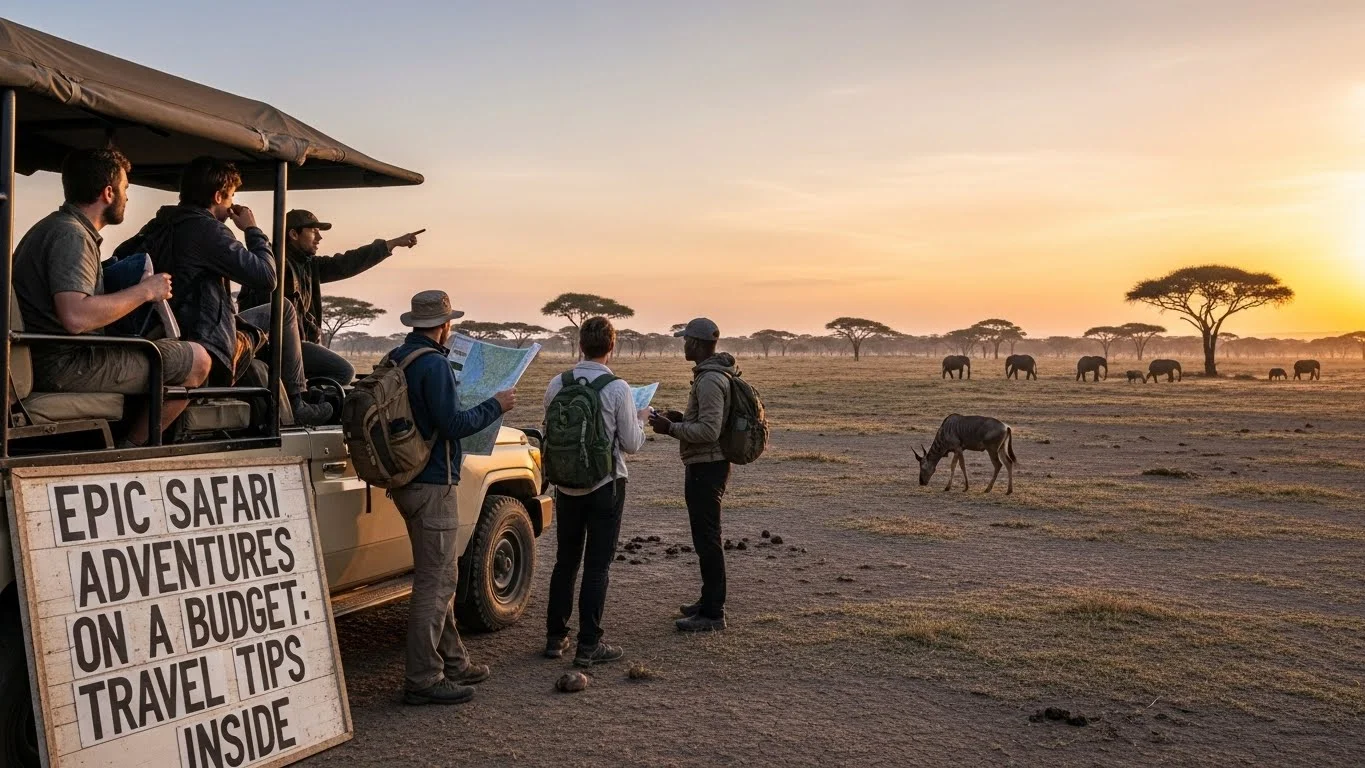
There are several ways to experience a safari, each offering a unique perspective on wildlife and the environment. I remember the first time I went on a game drive; the excitement of being in an open vehicle, feeling the wind on my face, and seeing animals in their natural habitat was exhilarating. Here are some popular types of safaris:
- Game Drives: These are probably the most common. You’re in a 4×4 vehicle, cruising through the park while a guide shares their knowledge about the animals and ecosystem. I loved how we could cover large distances and spot a variety of wildlife in a relatively short time.
- Walking Safaris: For those who crave a more intimate experience with nature, walking safaris are incredible. Imagine trekking through the bush, guided by a knowledgeable ranger, while learning about animal tracks, plants, and the ecosystem. I found it so rewarding to connect with the environment on foot.
- Boat Safaris: Some areas offer boat safaris, allowing you to glide along rivers and lakes, spotting wildlife from the water. This was one of my favorite experiences, as it provided a different perspective on the animals and stunning scenery.
- Hot Air Balloon Safaris: For a truly unforgettable experience, consider a hot air balloon safari. Gliding above the savannah at sunrise is something I’ll never forget. Watching the animals from above gave me a sense of the vastness of the landscape.
Each type of safari has its charm, and depending on your budget, you can mix and match these experiences for an unforgettable adventure. Read Interesting article: Best Destinations for Budget-Friendly Safari Adventures
Choosing the Right Destination
Top Affordable Safari Destinations
When it comes to choosing a destination for your safari, I’ve learned that some locations are more budget-friendly than others. Countries like Tanzania, Kenya, and South Africa are well-known for their rich wildlife and diverse landscapes, but they can also be pricey. However, I’ve discovered some hidden gems that offer amazing safari experiences without breaking the bank.
- Namibia: Known for its stunning landscapes and unique wildlife, Namibia is often overlooked. The Etosha National Park offers incredible game viewing at a fraction of the price of more popular destinations.
- Zambia: This country is famous for walking safaris and has some of the most authentic experiences. It’s less commercial than other safari hotspots, which means fewer tourists and lower prices.
- Botswana: While it can be expensive in some areas, I found that visiting during the shoulder seasons can help cut costs. The Okavango Delta is a must-see, with breathtaking scenery and diverse wildlife.
- Uganda: Home to the famous mountain gorillas, Uganda is not just about gorilla trekking. There are also opportunities for traditional safaris at relatively low costs, especially in Queen Elizabeth National Park.
Comparing Costs: Africa vs. Other Continents
While Africa is the most popular continent for safaris, it’s not the only option. I’ve seen adventure travel in places like India, where you can go on a tiger safari, or in Costa Rica, where wildlife abounds. However, the costs can vary significantly. Generally, safaris in Africa can be pricier than in Asia or Central America, but the experience is undeniably unique and unforgettable. I think it really comes down to where your heart lies and what kind of wildlife experiences you seek. Read Interesting article: Wildlife Adventures: Best Budget-Friendly African Safari Spots
Overall, understanding the different types of safaris and the best destinations can greatly enhance your adventure while keeping your budget intact. With careful planning and a little research, you can find a safari that suits your style and wallet. The thrill of seeing wildlife up close and personal is worth every penny, and I look forward to sharing more tips on how to make the most of your safari adventure without emptying your savings!
When to Go on Safari
Best Seasons for Wildlife Viewing
Timing your safari can significantly impact your experience. From my adventures, I’ve learned that the best seasons for wildlife viewing typically fall during the dry months. In many parts of Africa, this is from June to October. During this time, water sources are scarce, and animals tend to congregate around rivers and waterholes, making them easier to spot. I remember the thrill of witnessing a herd of elephants at a watering hole, their playful antics captivating us all.
In contrast, the rainy season, which varies by region but generally spans from November to April, can also offer unique opportunities. I’ve seen baby animals during this time, and the landscapes transform into lush green havens. While animal sightings might be trickier due to the dense foliage, I found the atmosphere richly rewarding, with fewer tourists around and a more serene environment.
Every season has its charm, and understanding what you want to experience can help you choose the right time for your safari.
Off-Season Benefits and Drawbacks
Traveling during the off-season can be a great way to save money on your safari. I’ve found that prices for accommodations and tours drop significantly, making it easier to stick to a budget. Plus, fewer tourists mean a more intimate experience with the wildlife and the landscapes. I remember exploring a less crowded park where I could take my time enjoying the sights and sounds without feeling rushed.
However, there are drawbacks to consider. Some lodges and parks may be closed during the off-season, and certain roads might be impassable due to heavy rains. I’ve encountered situations where we had to change our itinerary because a road was washed out. It’s essential to do your research and be flexible with your plans, as conditions can change quickly. We learned to embrace the unexpected, which often led to our most memorable moments.
Budgeting for Your Safari Adventure
Estimating Total Costs: Accommodation, Travel, and Activities
When planning our safari, I quickly realized there’s more to budgeting than just the park entrance fees. I started by estimating the total costs, which included accommodation, travel, and activities. Each of these components can vary widely depending on your choices. For accommodation, I found a range of options from luxury lodges to basic campsites, and my budget played a big role in where we stayed. I usually recommend looking for mid-range lodges that offer comfort without breaking the bank.
Travel costs can also add up. Depending on how far you’re traveling to reach your safari destination, flights can take a big chunk of your budget. I often compared costs between different airlines and booked in advance to snag the best deals. Additionally, consider how you’ll get around once you’re there. Renting a vehicle may provide flexibility but can be pricey if you’re not careful.
Activities, like guided tours or special experiences such as hot air balloon rides, should also be factored into your budget. I found that some activities could be booked in advance for discounts, and it’s a good idea to prioritize what’s most important to you. In my case, a few splurges on experiences made my trip unforgettable.
How to Find Affordable Safari Packages
Finding affordable safari packages can feel like a daunting task, but I’ve discovered that doing a bit of research can yield fantastic deals. One of my favorite methods is to look for package deals that include accommodations, meals, and activities. Many tour companies offer these, and I’ve found that bundling everything together can save money compared to booking each element separately.
Online travel platforms and local travel agencies often have promotions or last-minute deals that can be quite tempting. I remember stumbling upon a three-day safari package that included a guided tour and meals for a fraction of the usual price. Always read reviews and do some background checks on the companies to ensure you’re getting a good deal without sacrificing quality.
Additionally, consider traveling as a group. I’ve seen that many tour operators offer discounts for larger groups, so if you have friends or family who are interested, it might be worth planning your safari together. Sharing costs can make the experience more affordable and allow you to enjoy some special experiences without stretching your budget too thin.
Saving Money on Transportation
Transportation can be one of the more significant expenses on a safari, especially if you’re planning to move between different parks or regions. I’ve learned that there are ways to cut down on these costs. For instance, using public transport instead of private transfers can save a considerable amount. I once took a bus from one park to another, which not only saved money but also allowed me to meet fellow travelers and locals.
When planning your trips, I recommend checking if the parks you want to visit are close enough to drive between them. Renting a vehicle can sometimes be more economical than paying for multiple transfers. I found that booking a 4×4 vehicle for a week was quite reasonable, especially when we split the cost among friends.
Lastly, look into shared shuttle services that many lodges and parks provide. This option can be a fantastic way to meet other travelers while keeping transportation costs in check. In my experience, it was a delightful way to connect with fellow safari enthusiasts and share tips and stories along the way.
Accommodation Options for Budget Travelers
Camping vs. Lodges: Pros and Cons
When it comes to accommodation options during a safari, I’ve found that choosing between camping and lodges can really shape your experience. Personally, I’ve tried both, and each has its unique benefits. Camping can be an adventurous way to immerse yourself in nature. I remember sleeping under a blanket of stars, the sounds of the wild lulling me to sleep. It felt raw and authentic, like I was truly part of the environment. Plus, camping often comes at a fraction of the cost of lodges. Many parks have designated camping areas that provide basic facilities, allowing you to enjoy the wilderness without breaking the bank.
However, there are downsides. Camping means giving up some comforts, like a hot shower or a cozy bed. I’ve had nights where the ground felt a bit too hard, and I woke up a little grumpy from a lack of sleep. On the other hand, staying in lodges offers more comfort, with amenities like hot meals, comfortable beds, and sometimes even swimming pools. I remember one lodge we stayed at that had a beautiful view of the park, and it was nice to unwind after a long day of exploring. The downside? Lodges can be significantly pricier, especially those located within the national parks.
Ultimately, it comes down to what you value most in your safari experience. If you’re looking for adventure and don’t mind a little discomfort, camping can be a fantastic choice. But if relaxation and comfort are a priority, splurging on a lodge might be worth it.
Hostels and Guesthouses Near Safari Parks
If camping or luxurious lodges aren’t your thing, I usually recommend looking into hostels and guesthouses. They often provide a great middle ground—affordable yet comfortable options that allow you to meet fellow travelers. I’ve stayed in a few guesthouses that were just a short drive from the park entrances, and I loved the community vibe. It was a fantastic way to share stories and tips with other safari-goers.
Many of these places offer shared rooms or private rooms at reasonable prices, along with breakfast included. One particularly memorable guesthouse I found had a beautiful garden where we could relax after our daily adventures. Plus, the owners often had valuable insights on local wildlife and the best times to visit the parks, which made our experience richer.
Staying in a hostel or guesthouse can also give you the opportunity to explore the local culture a bit more. I found that many places host community events or offer local cuisine, allowing me to connect with the area in ways that a lodge might not. This experience added depth to my safari adventure, making it not just about the wildlife, but about the people and culture surrounding it.
Activities Beyond the Safari
Exploring Local Culture and Communities
A safari is more than just wildlife watching; it’s also an opportunity to engage with the local cultures and communities. I’ve seen firsthand how enriching it can be to learn about the traditions and lifestyles of the people living near national parks. During one trip in Tanzania, we visited a Maasai village, and it was eye-opening. The warmth of the people, their vibrant clothing, and their traditional dances created a memorable experience that I still cherish.
Many safari packages offer cultural experiences as an add-on, and I highly recommend taking advantage of them. It’s a wonderful way to understand the relationship between the local communities and the wildlife. I learned about their conservation efforts, which deeply inspired me. By supporting these communities, you’re also contributing to wildlife preservation, making your safari experience even more meaningful.
Additionally, think about incorporating local markets into your travels. I love visiting markets because they are vibrant, full of life, and a perfect place to try local foods and buy handmade crafts. Engaging with locals and learning about their way of life added a layer of depth to my safari that I would have missed otherwise.
Additional Wildlife Experiences: Bird Watching, etc.
While spotting the Big Five is often the highlight of a safari, I’ve discovered that there’s so much more to explore. Bird watching, for instance, has become one of my favorite activities. Many parks are home to an incredible variety of bird species, and I found that taking a birding tour opened my eyes to the beauty of these creatures. I remember one morning, we set out at dawn with a local guide, and the sounds of the birds greeting the day were enchanting. We spotted colorful species I had never seen before, and the experience was nothing short of magical.
Additionally, some parks offer other unique wildlife experiences, such as tracking animals like cheetahs or elephants. I had the chance to join a tracking expedition, which provided insights into animal behavior and conservation efforts. It was fascinating to learn about the methods used to protect these animals and their habitats. These kinds of experiences not only enrich your safari but also help raise awareness about the importance of wildlife conservation.
By stepping beyond traditional safari activities, you can create a more well-rounded adventure that connects you with nature and the people who call it home. I encourage you to explore all that a safari has to offer beyond just the wildlife—there’s a world of culture, history, and community waiting for you!
Frequently Asked Questions
What is a safari?
A safari, originating from the Swahili word for “journey,” typically refers to an expedition to observe or hunt wildlife. The focus has shifted from hunting to eco-tourism, allowing travelers to appreciate wildlife and landscapes without causing harm.
What are the different types of safaris?
There are several types of safaris, including game drives, walking safaris, boat safaris, and hot air balloon safaris. Each offers a unique perspective on wildlife and the environment.
Which countries are known for affordable safari experiences?
Some budget-friendly safari destinations include Namibia, Zambia, Botswana, and Uganda. These locations offer rich wildlife experiences without the high costs associated with more popular safari countries.
When is the best time to go on safari for wildlife viewing?
The best seasons for wildlife viewing typically fall during the dry months from June to October when animals congregate around water sources. The rainy season from November to April can also provide unique opportunities but may make animal sightings trickier.
What are the benefits of traveling during the off-season?
Traveling during the off-season can save money on accommodations and tours, and there are usually fewer tourists, leading to a more intimate experience. However, some parks may be closed or have inaccessible roads during this time.
How can I estimate the total costs for a safari?
To estimate total costs for a safari, consider accommodation, travel, and activities. Each component can vary widely depending on your choices, so it’s important to research and budget accordingly.
What tips are there for finding affordable safari packages?
Look for package deals that include accommodations, meals, and activities, as bundling can save money. Online travel platforms and local agencies often have promotions, and traveling as a group can also provide discounts.
What are the pros and cons of camping versus staying in lodges during a safari?
Camping offers an adventurous experience and is generally more affordable, but it lacks some comforts. Lodges provide more amenities and comfort but can be significantly pricier. Your choice depends on your priorities for the safari experience.
How can I engage with local cultures during my safari?
Engaging with local cultures can be done by participating in cultural experiences, visiting local markets, or exploring nearby communities. These interactions enrich the safari experience and support local conservation efforts.
What additional wildlife experiences can enhance a safari?
Beyond spotting the Big Five, activities like bird watching and tracking animals can provide deeper insights into wildlife behavior and conservation. These experiences enrich the safari and connect you with nature in meaningful ways.