
Traveling alone can be an exhilarating experience, but staying connected is crucial for safety and enjoyment. With the right apps, we can navigate new places, keep in touch with loved ones, and ensure our adventures are as smooth as possible. Read Interesting article: Top Tips for Staying Connected While Traveling Solo
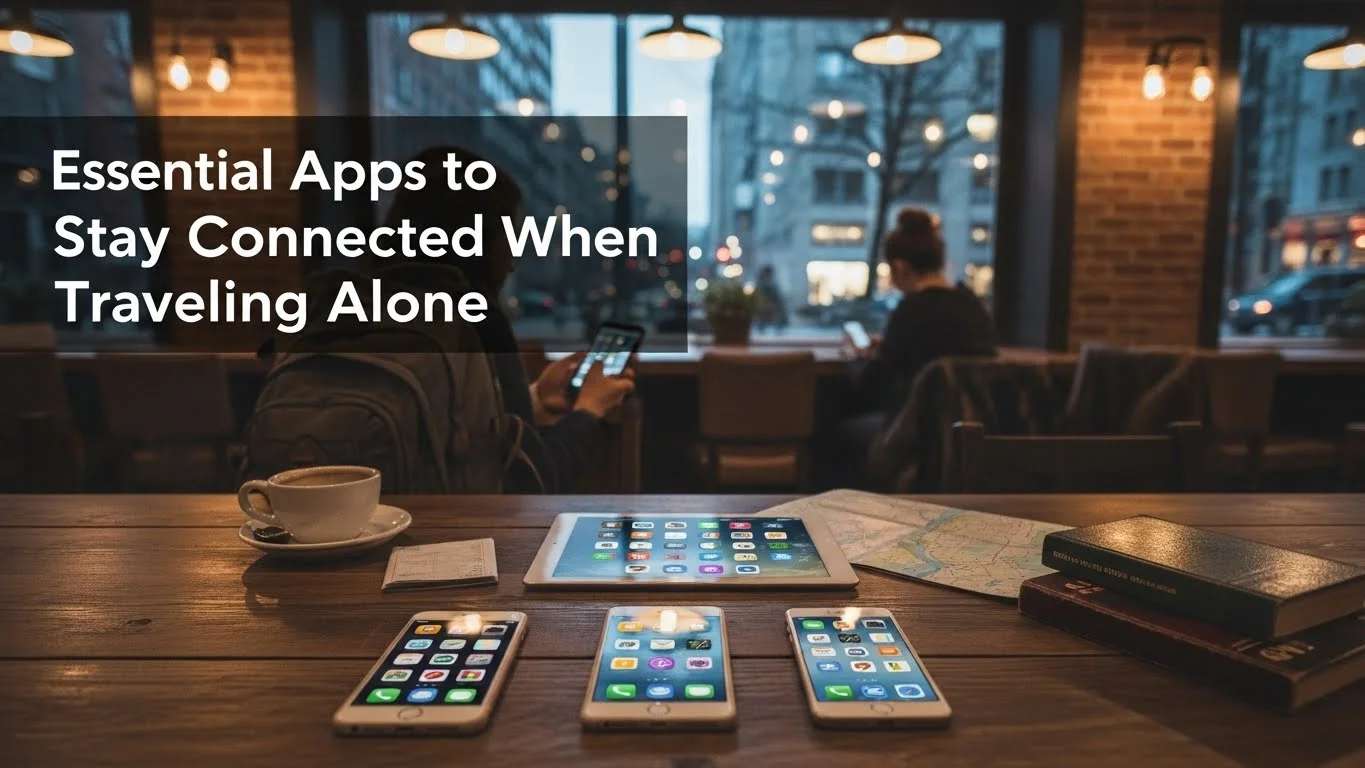
Why Staying Connected is Important When Traveling Alone
When I set off on my first solo trip, I quickly realized how vital staying connected was to my overall experience. I didn’t just want to share my adventures; I needed to ensure my safety and maintain a sense of normalcy. Being connected while traveling alone is essential for several reasons, and I’d like to share my insights based on personal experiences.
Safety and Security
Safety is always a top concern when we’re wandering in unfamiliar territory. I remember feeling a bit anxious during my first day in a new city, especially when I thought about getting lost or finding myself in a tricky situation. Having the ability to communicate with friends or family at any time not only eased my worries but also provided a safety net. Apps like WhatsApp and Facebook Messenger allowed me to share my location with trusted contacts, ensuring someone always knew where I was. This added layer of security was invaluable, and I recommend it to anyone considering solo travel.
Maintaining Relationships
Traveling can be isolating, particularly when you’re alone in a foreign land. I found that staying connected through social media and messaging apps allowed me to maintain my relationships back home. It felt good to share moments of my journey with friends and family, whether it was a stunning sunset or a delicious meal. I used Facebook Messenger to send quick updates and photos, and I found that my loved ones appreciated feeling included in my adventures. It turned solitary moments into shared memories, which made the experience even richer.
Accessing Information
Another important aspect of staying connected is the access to information. I often found myself needing quick answers, whether it was the location of a nearby restaurant or the hours of the local museum. With the internet at my fingertips, I could easily research anything I needed. Using apps like Google Maps not only helped me navigate but also showed me nearby attractions and local reviews. It felt empowering to be able to find information effortlessly, enhancing my travel experience. Plus, when I stumbled upon an unexpected event or festival, I could quickly share it with friends, adding spontaneity to my journey.
Essential Communication Apps
As I journeyed through different countries, I discovered that specific apps made communicating much easier. Here are some of my go-to communication apps that I believe are essential for anyone traveling alone.
WhatsApp has become one of my favorite apps for staying in touch while abroad. It allows for free messaging and voice calls over Wi-Fi or data, making it an excellent option for communicating without incurring international fees. I appreciated how easy it was to send photos and updates during my travels. Whenever I explored a new city, I would share snapshots instantly with my family, making them feel part of my adventure.
Facebook Messenger
Facebook Messenger is another great tool that I leaned on during my travels. If you’re already connected with friends on Facebook, it’s seamless to share messages and even video calls. I loved being able to have face-to-face conversations with my family, which made it feel like they were right there with me, even if they were thousands of miles away.
Signal
If privacy is a concern for you, I highly recommend Signal. It’s a secure messaging app that offers end-to-end encryption, ensuring that your conversations remain private. I used it when I wanted to discuss sensitive topics with friends, knowing that our chats were safe from prying eyes. It’s a comforting feeling, especially when you’re sharing personal experiences while traveling alone.
Telegram
Telegram is another messaging app worth mentioning. I found it particularly useful for joining groups based on interests or travel locations. It’s a great way to gather travel tips from locals or fellow travelers, which can be incredibly helpful when exploring a new city. Plus, it allows for larger file sharing, which came in handy when I wanted to send videos or larger photo files to friends.
Overall, staying connected while traveling alone has been pivotal for my safety, relationships, and access to information. I can’t stress enough how much these tools have enriched my travel experiences. As we move forward, I’ll share more essential apps tailored to different aspects of traveling solo, ensuring you’re well-equipped for your adventures.
Navigation and Transportation Apps
When I think back to my solo travels, one of the biggest challenges I faced was navigating unfamiliar places. I remember stepping off a train in a new city, feeling a mix of excitement and confusion. Thankfully, the right navigation and transportation apps made a world of difference. They helped me find my way, avoid getting lost, and explore with confidence.
Google Maps
Google Maps has been my go-to navigation app since I started traveling. Its ability to provide accurate directions, whether I was walking, driving, or using public transport, was invaluable. I loved how I could search for nearby attractions, restaurants, and even read reviews while on the move. One feature I found particularly helpful was the ability to download maps for offline use. This came in handy when I was in areas with limited internet connectivity. I remember wandering through the charming streets of a historic town, and being able to refer to my downloaded map made the experience seamless. It felt liberating to explore without constantly worrying about losing my way.
Citymapper
Citymapper is another app that I wish I had discovered sooner. It’s perfect for navigating public transportation in major cities. The first time I used it in London, I was amazed at how easy it was to understand the complex network of buses and subways. The app provided real-time updates on schedules and routes, which made getting around a breeze. I remember standing at a bus stop, unsure of which line to take, and Citymapper guided me effortlessly. It even suggested the quickest routes, which saved me a lot of time and stress. If you find yourself in a big city, I highly recommend giving Citymapper a try.
Uber and Lyft
For times when I needed to get somewhere quickly and public transportation wasn’t an option, I relied on rideshare apps like Uber and Lyft. They offered a safe and convenient way to travel, especially at night or in areas where I felt uneasy. I vividly recall one evening when I was returning to my hotel after dinner, and the local buses had stopped running. I ordered an Uber, and the driver arrived within minutes. The ride was comfortable, and I appreciated knowing that I could track my driver in real-time. Having these options available made me feel more secure while exploring alone.
Local Public Transportation Apps
While I loved using global apps, I also discovered that many cities have their own public transport apps that provide valuable information. For example, in Paris, I downloaded the RATP app, which helped me navigate the metro system easily. I found it super helpful for checking schedules and planning my routes ahead of time. In some cases, these local apps offered insights into transport delays or service changes that a global app might not cover. I learned that researching local resources can enhance my travel experience significantly, ensuring I was well-prepared for any journey.
Social Networking Apps for Meeting People
One of the most rewarding aspects of traveling alone is the opportunity to meet new people. I’ve always believed that connecting with locals or fellow travelers can lead to some of the best memories. Social networking apps have played a crucial role in helping me build these connections during my trips.
Meetup
Meetup was one of my favorite apps for finding events and activities that matched my interests. I remember arriving in a new city and wanting to meet fellow travelers or local enthusiasts. By browsing through various groups, I discovered hiking clubs, language exchange meetups, and even cooking classes. Joining a group hike not only allowed me to explore the beautiful scenery but also led to friendships that have lasted long after the trip. For anyone traveling solo, I highly recommend checking out Meetup to find like-minded individuals and enhance your travel experience.
Couchsurfing
Couchsurfing opened up a whole new world of opportunities for me. While it’s primarily known for finding free accommodations, I found that it was also a fantastic way to meet locals. I often connected with hosts who were eager to share their city’s culture and hidden gems. On one occasion, a host took me on a tour of their favorite spots, and we ended up sharing stories and laughs over dinner. Couchsurfing not only provided a place to stay but also created meaningful connections that I cherish. If you’re open to meeting new people, give Couchsurfing a try!
Facebook Groups for Travelers
Facebook Groups dedicated to travelers are another great resource I found during my journeys. Being part of these communities allowed me to ask for advice, share experiences, and connect with fellow travelers. I remember asking for recommendations on local cuisine in a group before heading to a country I had never visited. The responses poured in, and I felt better equipped to explore the local food scene. These groups foster a sense of community, and I often found travel buddies for day trips or activities. If you’re looking to connect with others while traveling alone, joining these groups can make a significant difference.
Travel Planning and Organization Apps
As I ventured out on my solo journeys, I quickly learned that planning and organization could make or break my travel experience. Keeping everything in one place, from bookings to itineraries, was essential for me. That’s where travel planning apps came into play. They helped me stay organized and made my trips flow more smoothly.
TripIt
TripIt has been a game-changer for me. This app allows you to forward all your confirmation emails for flights, hotels, and activities to a designated TripIt email address. I remember the first time I used it; I felt like I had my entire trip at my fingertips. The app automatically compiled my itinerary, making it easy to access all my plans in one place without digging through my email. I found the ability to view my itinerary offline particularly useful when I was in areas with spotty internet. It’s like having a personal travel assistant, and I highly recommend it for anyone who wants to keep their travel plans organized.
Google Keep
Google Keep has also been one of my favorites for jotting down quick notes and reminders. Whether it was a local dish I wanted to try or a small detail about a place I wanted to visit, I could capture my thoughts instantly. I loved how I could create checklists, which helped me keep track of what I wanted to do during my trip. On one occasion, while exploring a bustling market, I created a list of souvenirs I wanted to buy. This simple tool kept me focused and ensured I didn’t forget anything important. I appreciate how Google Keep syncs across devices, so my notes were always accessible, whether I was on my phone or laptop.
Evernote
Evernote is another fantastic app that I found to be invaluable for travel planning. I used it to save articles, travel tips, and destination guides. I remember preparing for a trip to a new country, and I spent hours researching everything from local customs to must-try foods. With Evernote, I could organize all that information in one place and even add images or links. It’s also great for creating a travel journal. I’ve documented my experiences in the app, and looking back at those memories has been incredibly rewarding. If you want a versatile tool for planning and documenting your travels, Evernote is worth checking out.
Emergency and Safety Apps
When traveling alone, having the right emergency and safety apps installed can provide peace of mind. It’s comforting to know that you have options in case something unexpected happens. I’ve learned from experience that being prepared is always better than scrambling in a stressful situation.
Find My Friends
Find My Friends (now part of the Find My app) has been a lifesaver for me. I used it to share my location with a close friend or family member, especially when traveling to unfamiliar places. I recall a time when I was visiting a large city and planned to wander off to explore. I shared my location with a friend, and it made me feel safer knowing someone could check in. It’s a simple yet effective way to keep tabs on one another, and I recommend this app for solo travelers who want an extra layer of security.
Emergency Services Apps
Having access to emergency services apps can be crucial during a trip. I found apps that list local emergency numbers and provide information on nearby hospitals, pharmacies, and police stations. For instance, in some countries, dialing emergency services may not be the same as back home. Having this information pre-downloaded helped me feel more secure. I remember a time in a remote area where I was concerned about a minor accident. Knowing I could quickly access emergency contacts and services gave me peace of mind. I suggest researching the local emergency numbers and downloading relevant apps before your trip.
Travel Insurance Apps
Travel insurance is something I always prioritize now. I learned the hard way that things can go wrong, whether it’s lost luggage or unexpected cancellations. Having a travel insurance app on my phone has allowed me to manage my policy, file claims, and access customer support at any time. I recall a situation where my flight got canceled, and I needed to file a claim. The app made it easy to submit the necessary documentation and track the process. If you’re planning a trip, make sure to invest in travel insurance and have the app handy for peace of mind.
Language Translation Apps
Language barriers can be a challenge when traveling solo, but language translation apps have made communication much easier for me. I’ve had some memorable exchanges with locals that would have been impossible without these handy tools.
Google Translate
Google Translate is my go-to app for translating languages on the fly. I remember walking through a market and wanting to ask a vendor about the ingredients in a dish. With Google Translate, I could quickly type in my question, and the app provided a translation in real-time. The photo translation feature is also incredible—I’ve used it to decipher menus or signs by simply pointing my camera. It has opened up a world of conversation and exploration for me, and I think every traveler should download it before heading abroad.
iTranslate
iTranslate is another app I’ve found useful. It offers a voice translation feature that I used in conversations with locals. I remember trying to ask for directions in a small town where English wasn’t widely spoken. Using iTranslate, I could speak my question, and the app translated it aloud. The locals were often amused and appreciative, which led to some great interactions. If you want to enhance your experience and connect with locals more effectively, iTranslate is worth downloading.
Duolingo for Basic Phrases
Duolingo has been a fantastic resource for picking up basic phrases before my trips. I’ve enjoyed using it to learn greetings, common expressions, and essential vocabulary in the language of the country I was visiting. I remember feeling proud when I could say “thank you” in the local language and see the smiles on people’s faces. It’s a fun and interactive way to prepare for a trip, and even if you only learn a few words, it shows respect for the local culture. I highly recommend using Duolingo or similar apps to brush up on language skills before you travel.
Frequently Asked Questions
Why is staying connected important when traveling alone?
Staying connected while traveling alone is crucial for safety, maintaining relationships, and accessing information. It ensures that you can communicate with loved ones, share your location for security, and easily find information about your surroundings.
What are some communication apps recommended for solo travelers?
Some essential communication apps for solo travelers include WhatsApp, Facebook Messenger, Signal, and Telegram. These apps facilitate messaging, voice calls, and sharing photos, enhancing the travel experience while keeping you connected with others.
How can navigation apps assist solo travelers?
Navigation apps like Google Maps and Citymapper help solo travelers find their way in unfamiliar places, provide directions for various modes of transport, and offer real-time updates on public transportation, making it easier to explore new cities confidently.
What role do social networking apps play in meeting new people while traveling?
Social networking apps like Meetup and Couchsurfing allow travelers to connect with locals and fellow travelers. They provide opportunities to join activities, find events, and create meaningful connections during solo journeys.
What travel planning apps can help keep itineraries organized?
Travel planning apps such as TripIt, Google Keep, and Evernote are invaluable for organizing travel itineraries, jotting down notes, and saving important information, ensuring a smoother travel experience.
What emergency apps should solo travelers consider using?
Solo travelers should consider using emergency services apps that provide local emergency numbers and information about nearby hospitals and police stations, as well as travel insurance apps to manage policies and file claims in case of unexpected incidents.
How do language translation apps benefit solo travelers?
Language translation apps like Google Translate and iTranslate help solo travelers communicate with locals by translating text and speech in real-time, breaking down language barriers and enhancing the travel experience.
What is the benefit of using Duolingo before traveling?
Duolingo is beneficial for learning basic phrases and vocabulary in the local language before traveling. It helps travelers show respect for the culture and enhances interactions with locals, making the journey more enjoyable.
How can staying connected improve a solo traveler’s experience?
Staying connected improves a solo traveler’s experience by providing a sense of security, allowing for the sharing of experiences with loved ones, and enabling easy access to information about local attractions and events.
What personal experiences highlight the importance of staying connected while traveling alone?
The author shares personal experiences of feeling anxious in new cities, using communication apps to share locations for safety, and enjoying moments with friends and family through updates on social media, emphasizing the overall enrichment of the travel experience.
Read Interesting article: Indulge Alone: Luxury Dining for the Solo Explorer
Read Interesting article: Experience Luxury Alone: Best Solo Travel Stays