
Backpacking is an adventure that doesn’t have to drain your wallet. With the right gear, you can explore the great outdoors without breaking the bank. Let’s dive into what you really need to pack for your next journey. Read Interesting article: Budget Backpacking: Essential Gear for Your Next Adventure
Understanding Backpacking Gear Basics
What is Backpacking Gear?
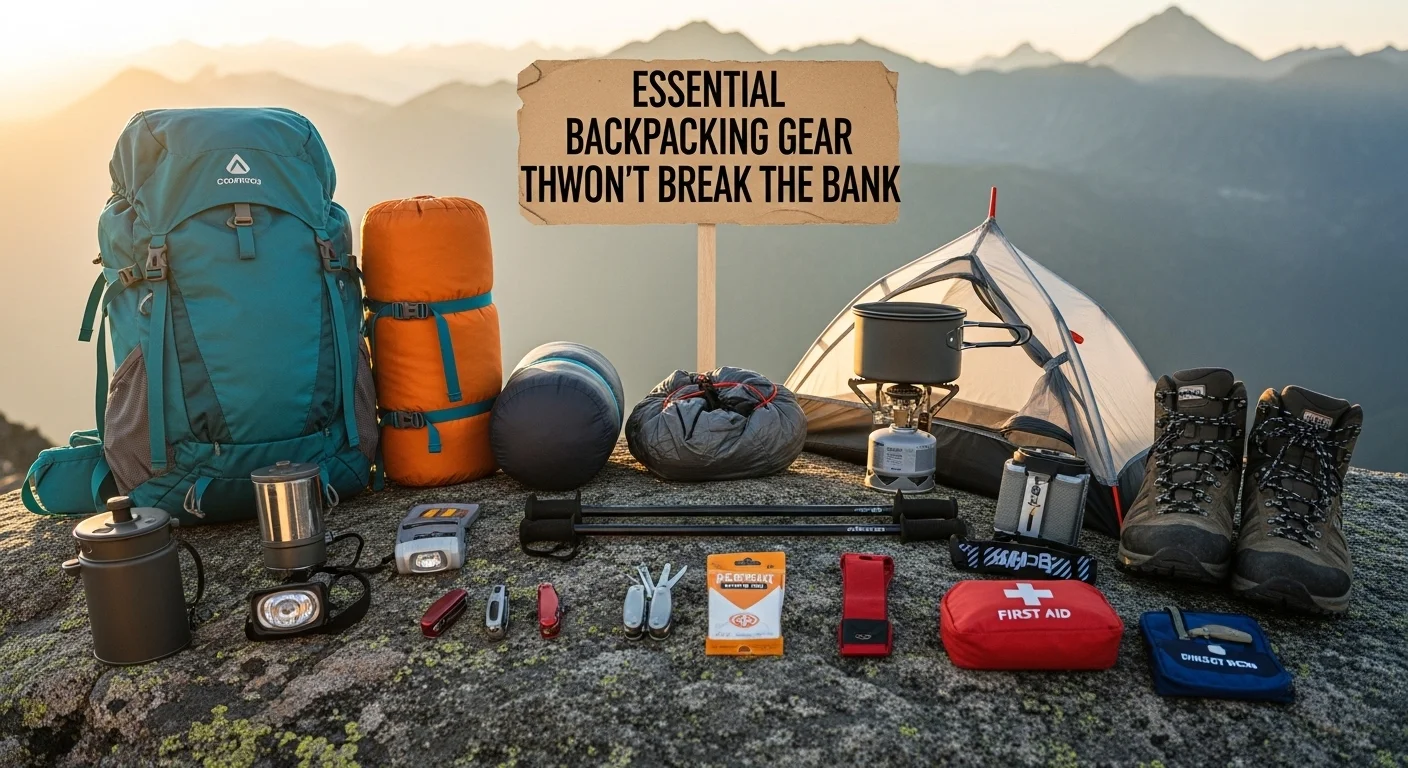
When I think about backpacking gear, I picture everything I need to survive and thrive in the wilderness, all packed into a single backpack. It’s more than just items; it’s about the experience and comfort they provide during your journey. Backpacking gear includes essentials like tents, sleeping bags, cooking equipment, and navigation tools. Each piece plays a vital role in ensuring our adventure is enjoyable and safe. Over the years, I’ve learned that having the right gear can make or break a trip.
Importance of Choosing Budget-Friendly Options
As someone who loves to explore but also values a good deal, I know how crucial it is to find budget-friendly gear. When I started backpacking, I was overwhelmed by the costs associated with high-end equipment. I quickly realized that there are plenty of affordable options that don’t compromise on quality. Choosing budget-friendly gear allows us to invest in experiences rather than just equipment. Plus, saving money enables us to plan more trips! In my opinion, the right balance between quality and cost can lead to countless adventures without the burden of financial stress. Read Interesting article: Must-Have Backpacking Gear on a Budget: A Complete Guide
Essential Backpacking Gear List
Backpacks
The backpack is the heart of your gear collection. It’s where you’ll store everything, so finding one that fits well and suits your needs is essential. I remember my first backpack was too big and awkward, making it a struggle to hike. A good backpack should fit your torso length and have adequate support. I recommend looking for packs between 50-70 liters for multi-day trips. They often come with features like adjustable straps, pockets, and hydration reservoirs. Don’t hesitate to try different packs in-store to find your perfect fit!
Tents
Your shelter is your refuge from the elements, so investing in a quality tent is non-negotiable. However, “quality” doesn’t have to mean “expensive.” I found that lightweight options made from durable materials can often be found at reasonable prices. A good two-person tent is great for sharing space and warmth. Look for features like easy setup, waterproof fabric, and ventilation. I’ve had experiences where a cheap tent leaked during rain, so I always prioritize quality in this area, even if it means saving a bit longer for the right one.
Sleeping Bags
Choosing a sleeping bag can be quite personal. Everyone has different preferences regarding warmth, weight, and size. I’ve experienced nights of discomfort in poorly rated sleeping bags, so I learned to check temperature ratings carefully. A three-season sleeping bag is often a versatile choice for most backpackers. Look for options that use synthetic materials for affordability and ease of care. I’ve found that a good sleeping bag can make a huge difference in how well I sleep in the wild.
Sleeping Pads
Sleeping pads are often overlooked, but they can significantly improve your comfort while camping. When I first started, I used a cheap foam pad, and I regretted it after a night of tossing and turning on hard ground. I now swear by inflatable pads that provide extra cushioning and insulation. These can often be found at various price points, so it’s worth shopping around. A good sleeping pad can save you from a sore back and a less enjoyable experience overall.
Cooking Equipment
Cooking on the trail can be one of the most rewarding parts of backpacking. I’ve had some fantastic meals after a long day of hiking, but I learned quickly that I didn’t need to carry a full kitchen. I recommend investing in a compact camp stove, lightweight cookware, and reusable utensils. I’ve found that simple meals like pasta or rice are easy to prepare and satisfying after a day outdoors. Plus, looking for multi-functional items can help save space and weight in your pack.
Water Filtration Systems
Staying hydrated is crucial. I used to carry all my water, which added significant weight to my pack. Then I discovered water filtration systems, which transformed how I backpacked. There are many affordable options, from filter pumps to purification tablets. It’s essential to choose a system that suits your trip’s needs and the water sources you’ll encounter. This not only lightens your load but also allows you to explore areas without worrying about running out of water.
Clothing and Footwear
The right clothing and footwear can make all the difference on the trail. I learned that layering is key; it allows for adaptations to changing weather. Investing in moisture-wicking base layers, breathable mid-layers, and waterproof outer layers can keep you comfortable in various conditions. As for footwear, a good pair of hiking boots is worth every penny. I’ve tried to cut costs and ended up with blisters, which ruined my hikes. Comfort and fit should always be your priority.
Navigation Tools
Even with modern technology, having reliable navigation tools is essential. I always carry a map and compass as a backup to my GPS. There’s something reassuring about knowing how to read a map, and I believe it’s a skill every backpacker should have. Look for lightweight options, and don’t forget to familiarize yourself with how to use them before hitting the trail.
Budget-Friendly Options for Key Gear
Affordable Backpack Recommendations
Finding a good backpack doesn’t have to cost a fortune. I remember spending hours researching options, and I stumbled upon some amazing budget-friendly brands. For instance, I found that brands like REI Co-op and Kelty offer great backpacks that are both affordable and functional. I love the REI Co-op Flash pack because it’s lightweight and versatile, perfect for weekend trips. If you’re looking for something even more budget-friendly, I suggest checking out the Amazon Basics line, which surprisingly has some decent options. It’s a great way to get started without investing too much upfront.
Cost-Effective Tent Choices
When I first started camping, I was shocked by how much tents could cost. However, after some searching, I found several affordable yet reliable options. One of my favorites is the Coleman Sundome tent, which provides excellent value for money. It’s durable, easy to set up, and handles various weather conditions well. Another option I recommend is the Alps Mountaineering Lynx tent, which offers good quality at a lower price point. I think it’s important to read reviews and check for sales, as tents often go on clearance at the end of the camping season.
Best Budget Sleeping Bags
Sleeping bags can also be surprisingly expensive, but I’ve found that you can score a great deal without sacrificing comfort. Brands like Teton Sports offer budget-friendly sleeping bags that are both warm and lightweight. I’ve used their Celsius bag on several trips, and I was impressed with how cozy it kept me during chilly nights. Another brand I recommend is Coleman, which has solid options that won’t break the bank. Just remember to check the temperature ratings to ensure you’re getting one suitable for the conditions you’ll face.
Inexpensive Cooking Gear
Cooking gear can be pricey, but it doesn’t have to be. I’ve discovered that you can find compact stoves and cook sets that are both affordable and efficient. For instance, the Jetboil Flash is a bit of an investment, but it boils water really fast and is super convenient. If you’re looking for something cheaper, a simple camp stove from brands like Etekcity or a basic cooking pot from Walmart can work just as well for simple meals. I always bring along a lightweight, collapsible stove, which saves space and weight in my pack. I also recommend looking for budget-friendly multi-tools as they can serve multiple purposes while being light on your wallet.
Where to Buy Affordable Backpacking Gear
Online Retailers
Shopping online has become my go-to for finding affordable backpacking gear. Websites like REI, Backcountry, and Amazon often have clearance sections where you can find great deals. I’ve also had luck with websites like CampSaver, which specializes in discounted outdoor gear. Another tip is to subscribe to their newsletters to get notified about sales and special promotions. I’ve landed some amazing discounts just by keeping an eye on email alerts. Read Interesting article: Top 10 Essential Gear Items for Budget Backpackers
Local Outdoor Stores
Don’t underestimate your local outdoor stores! While they may have some higher-end gear, many also carry budget-friendly options. I enjoy visiting local shops because the staff often know their products well and can help you find what you need within your budget. Plus, sometimes you can find used gear or seasonal sales that aren’t advertised online. I’ve made some lasting connections with local shop owners who have pointed me toward the best deals.
Second-Hand Gear Shops
Second-hand shops can be a treasure trove for backpacking gear. I’ve found some fantastic deals at thrift stores and places like Play It Again Sports. They often have lightly used items at a fraction of the original price. I’ve even scored a nearly new sleeping bag and a tent for less than half of what they cost new. Just make sure to inspect items thoroughly and ask about their history before purchasing. You never know what gems you might find!
Tips for Saving Money on Backpacking Gear
Sales and Clearance Events
Timing is everything when it comes to saving money on gear. I’ve learned to keep track of sales and clearance events, especially during the off-season. Retailers often clear out inventory after summer, so I make a point to shop in late fall or winter. I’ve snagged some fantastic deals during holiday sales, too. Black Friday and Cyber Monday are great times to score discounts on outdoor gear!
Using Coupons and Discount Codes
Before making a purchase, I always search for online coupons or discount codes. A quick Google search can yield some great results, and I’ve found that websites like RetailMeNot often have updated codes for many outdoor retailers. Sometimes, simply signing up for a store’s newsletter can get you a discount on your first order. It’s a simple step that can save you a good chunk of change!
Seasonal Buying Strategies
Another strategy I recommend is to buy seasonal gear during the off-season. For example, purchasing winter gear in spring or summer equipment during fall often leads to major discounts. I’ve taken advantage of this strategy myself and have saved quite a bit. It’s smart to plan ahead, so you’re ready for your next adventure without overspending.
Gear Maintenance to Extend Lifespan
Cleaning and Care Tips
Taking care of your gear is just as important as buying it. I’ve learned that regularly cleaning my equipment can extend its lifespan significantly. For instance, I always make sure to clean my tent after each trip. I use a gentle soap and water solution, avoiding harsh chemicals that might damage the fabric. After washing, I let it air dry completely before packing it away. I also pay attention to my sleeping bag, washing it according to the manufacturer’s instructions and storing it loosely to maintain its loft and warmth.
Repairing Minor Damage
Accidents happen, and I’ve had my share of tears and scratches on my gear. Whenever possible, I try to repair minor damage myself rather than investing in new gear. For tents, I always carry a repair kit with patches and seam sealer. I’ve successfully fixed small tears and leaks, which saved me from having to purchase a new tent. For my sleeping bag, I keep a needle and thread handy for any loose seams. Taking a little time for maintenance can go a long way in keeping our gear in top shape.
Common Mistakes to Avoid When Buying Gear
Overpacking and Extra Weight
One of the biggest mistakes I see beginners make is overpacking. I remember my first few trips, where I carried way too much gear, which made hiking a chore. I’ve learned to prioritize essentials and focus on lightweight options. Think critically about what you actually need, and remember that you can often find creative ways to use your gear. For example, I now use my sleeping bag as a pillow when I’m not using it for sleeping!
Ignoring Reviews and Ratings
It’s easy to get caught up in the excitement of buying new gear, but I’ve learned the hard way that I need to read reviews and ratings before making a purchase. Reviews from fellow backpackers offer invaluable insights into a product’s performance and durability. I often check multiple sources, including outdoor forums and YouTube reviews, to get a well-rounded understanding.
Not Testing Gear Before Purchase
Lastly, I can’t stress enough the importance of testing gear before buying it. If possible, I always try to visit stores and physically try on backpacks and footwear. This way, I can ensure the fit is right and comfortable. For sleeping bags and pads, I recommend lying down in them if the store allows it. It’s worth making sure that what we invest in will serve us well on the trail.
Frequently Asked Questions
What is backpacking gear?
Backpacking gear includes everything you need to survive and thrive in the wilderness, packed into a single backpack. This gear comprises essentials like tents, sleeping bags, cooking equipment, and navigation tools, all of which play a vital role in ensuring an enjoyable and safe adventure.
Why is it important to choose budget-friendly options for backpacking gear?
Choosing budget-friendly gear allows you to invest in experiences rather than just equipment. Affordable options are often available that don’t compromise on quality, enabling you to save money and plan more trips without the burden of financial stress.
What should I look for in a backpack for multi-day trips?
A good backpack for multi-day trips should fit your torso length and provide adequate support. Packs between 50-70 liters are recommended and often come with features like adjustable straps, pockets, and hydration reservoirs. It’s advisable to try different packs in-store to find the perfect fit.
What features should I consider when buying a tent?
When buying a tent, look for features such as easy setup, waterproof fabric, and good ventilation. A quality tent is crucial for shelter from the elements, and lightweight options made from durable materials can often be found at reasonable prices.
How do I choose a sleeping bag for backpacking?
Choosing a sleeping bag involves considering factors like warmth, weight, and size. A three-season sleeping bag is typically a versatile choice for most backpackers. It’s important to check temperature ratings and look for options that use synthetic materials for affordability and ease of care.
What are some tips for saving money on backpacking gear?
To save money on backpacking gear, keep track of sales and clearance events, especially during the off-season. You can also search for online coupons or discount codes, and consider buying seasonal gear during the off-season for major discounts.
Where can I find affordable backpacking gear?
You can find affordable backpacking gear through online retailers like REI, Backcountry, and Amazon, which often have clearance sections. Local outdoor stores may also carry budget-friendly options, and second-hand shops can offer lightly used items at a fraction of the original price.
What should I do to maintain my backpacking gear?
To maintain your backpacking gear, regularly clean your equipment according to the manufacturer’s instructions. For tents, use a gentle soap and let them air dry. Additionally, carry a repair kit for minor damage, allowing you to fix small tears and leaks instead of replacing gear.
What common mistakes should I avoid when buying gear?
Common mistakes to avoid when buying gear include overpacking, ignoring reviews and ratings, and not testing gear before purchase. It’s essential to prioritize essentials, read reviews for insights into product performance, and physically try on backpacks and footwear to ensure a good fit.
How can clothing and footwear impact my backpacking experience?
The right clothing and footwear are crucial for comfort on the trail. Layering is key for adapting to changing weather, and investing in moisture-wicking base layers, breathable mid-layers, and waterproof outer layers can keep you comfortable. A good pair of hiking boots is also worth the investment to prevent discomfort and blisters.