
Backpacking can be an exhilarating way to explore the world, and capturing those moments with the right camera gear makes it even better. Let’s dive into the essential equipment that will help you document your adventures beautifully. Read Interesting article: Top 5 Affordable Cameras for Budget Backpackers
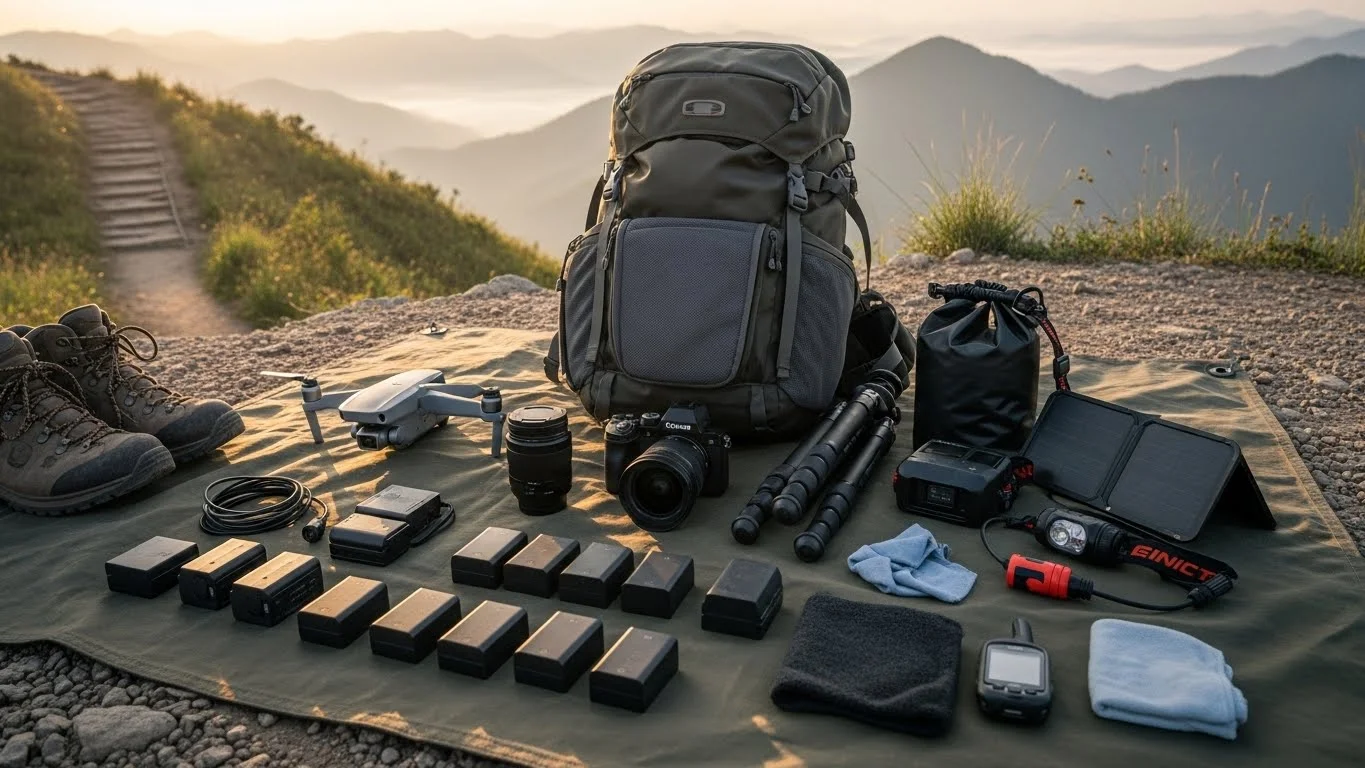
Understanding the Basics of Camera Gear for Backpacking
Importance of Choosing the Right Camera
When I first started backpacking, I realized how crucial it was to have the right camera. Not all cameras are created equal, especially when you’re out in the wild. The camera you choose can make a significant difference in the quality of your photos and your overall experience. I remember hiking up a steep trail, excited to capture the sunrise, only to find that my old bulky camera was too heavy to carry comfortably. It was then I understood that my camera should fit not just my photography style, but also my adventure style.
Choosing the right camera means considering factors like image quality, ease of use, and how well it performs in different lighting conditions. Whether you’re shooting stunning landscapes or candid moments with fellow hikers, your camera needs to deliver. I’ve tried various types of cameras on my trips, and I’ve learned that a good camera can inspire you to explore more and capture the beauty around you.
Weight and Portability Considerations
Weight is something every backpacker knows all too well. Every ounce matters, especially on long hikes where every bit of gear you carry adds up. I’ve been in situations where I’ve had to make tough decisions about what to leave behind, and I always regret it when I have to lug around a heavy camera. This is why I believe that finding a lightweight option is key.
For instance, mirrorless cameras are often lighter than their DSLR counterparts. I remember switching to a mirrorless system and instantly feeling the difference in my pack. Not only are they lighter, but they also provide excellent image quality, which is perfect for backpacking trips where you want to capture vibrant landscapes without the bulk.
A good rule of thumb I’ve adopted is to think of the camera as an investment. If it allows you to take stunning photos without weighing you down, it’s worth it. So, always check the weight specifications before making a purchase. Trust me, your back will thank you after a long day on the trails!
Durability and Weather Resistance
Another factor that I learned the hard way is durability. I remember one rainy day on a hike when my camera got soaked because I didn’t have a weather-resistant option. It was a nightmare! Cameras can be delicate, and when you’re out in nature, you want something that can handle the elements.
Many backpackers, including myself, prefer cameras that are built to withstand the harsh conditions of the outdoors. Look for cameras that are weather-sealed or designed for rugged use. I often check reviews that mention how well a camera holds up in tough conditions. There’s nothing worse than missing a perfect shot because I was worried about my gear getting damaged!
Another tip I’ve found useful is to invest in protective gear like cases and bags that can withstand impact and moisture. It’s a small price to pay for peace of mind. I’ve used waterproof bags that not only keep my camera safe from rain but also from dust and dirt when I’m trekking through rugged terrain. This extra layer of protection can make all the difference in ensuring your gear lasts through multiple adventures.
Overall, understanding the basics of camera gear for backpacking is vital. It’s not just about having the latest technology; it’s about finding the right balance between weight, durability, and functionality. I’ve experienced the joy of capturing breathtaking moments on my journeys, and it all started with choosing the right camera gear tailored to my adventures. As I continue to explore new trails and landscapes, I always keep these principles in mind, ensuring I’m ready to document every beautiful moment that comes my way. Read Interesting article: Stay Safe While Solo Backpacking: Top Safety Strategies
Essential Camera Types for Backpacking
DSLR Cameras: Pros and Cons
When I first started getting serious about photography, I invested in a DSLR camera. I loved it for its versatility and image quality; it allowed me to capture stunning landscapes and detailed portraits. However, I soon realized that DSLRs could be quite heavy, especially during long hikes. Carrying that weight up steep trails was a workout in itself! I found that while DSLRs offer great performance, they can be cumbersome if you’re not prepared to deal with the extra bulk.
One of the biggest advantages of a DSLR is the wide range of lenses available. I could switch from a wide-angle lens for breathtaking vistas to a zoom lens for those distant wildlife shots. But the trade-off is that I often left my DSLR behind on shorter trips, opting for lighter alternatives. So, if you’re considering a DSLR, think about how often you’re willing to carry that extra weight and whether it aligns with your backpacking style.
Mirrorless Cameras: Advantages for Backpackers
After my experience with a DSLR, I transitioned to a mirrorless camera, and I haven’t looked back since. The difference in weight was immediately noticeable, and I found myself more inclined to take my camera with me on hikes. Mirrorless cameras are compact, and they often come with impressive features like fast autofocus and high-quality video capabilities. I remember one trip where I captured some incredible wildlife footage simply because I had my mirrorless camera readily accessible.
Another advantage is that the battery life is often better in mirrorless systems. I love how I can shoot all day without worrying about running out of juice. However, I did have to get used to the electronic viewfinder, which can be a bit different from the optical viewfinder of a DSLR. Still, I think mirrorless cameras strike a great balance between quality and portability, making them an excellent choice for backpackers.
Compact Cameras: Lightweight Alternatives
If you’re looking for something even lighter, compact cameras can be a fantastic option. I’ve had my share of compact cameras, and they’re incredibly convenient for quick shots on the go. I remember hiking through a beautiful forest and being able to whip out my compact camera in seconds to capture a stunning sunbeam filtering through the trees. They fit easily in my pocket, which is a huge advantage when you’re trying to minimize your gear load.
While compact cameras may not offer the same image quality as DSLRs or mirrorless systems, many newer models are surprisingly good. They often come with built-in zoom lenses, which can be handy for various situations. If you’re someone who prefers spontaneity and ease of use, a compact camera could be just what you need on your adventures.
Action Cameras: Capturing Adventure
Action cameras have become a staple for many outdoor enthusiasts, and for good reason. I was initially skeptical about using one, but after taking my first action camera on a kayaking trip, I was hooked! These little devices are designed to be rugged, waterproof, and incredibly versatile. I loved the ability to document my adventures from unique angles, whether it was strapped to my chest while climbing or mounted on my kayak. The wide-angle lens captures so much of the action, giving viewers a thrilling perspective.
One of the best features of action cameras is their ability to shoot in extreme conditions. I’ve taken mine on muddy trails and rainy days without a worry. Plus, they’re lightweight and easy to carry, which makes them an excellent addition to any backpacking trip. If you’re an adrenaline junkie like me, an action camera can help you capture experiences that a traditional camera might miss.
Must-Have Accessories for Your Camera
Lenses: Choosing Versatile Options
While the body of the camera is essential, I’ve learned that the lenses you choose can dramatically change your photography. When I first started, I stuck with the kit lens that came with my camera, but I quickly realized I wanted more versatility. I invested in a fast prime lens for low light situations and a versatile zoom lens for those times when I needed to capture a wide range of subjects without changing lenses on the go. Having the right lenses can make all the difference in the quality of your photos.
Tripods: Stability on the Go
Another accessory I can’t live without is a good tripod. I used to think tripods were too bulky for backpacking, but I discovered lightweight options that fold down small enough to fit in my pack. During a sunrise hike, I set up my tripod and captured the stunning colors of the sky reflecting off a mountain lake. The stability it provided was incredible, allowing me to take long exposure shots that I couldn’t have done handheld.
Camera Bags: Protection and Organization
Finding the right bag for my camera gear has been a game changer. I used to stuff my camera into my backpack, thinking it would be fine, but I learned the hard way that it’s essential to have a dedicated camera bag. I found one that has padded compartments, which keeps my gear safe and organized. This way, I can easily access my camera when I see something worth capturing without rummaging through my entire pack.
Filters: Enhancing Your Shots
Filters are another accessory I’ve come to appreciate. Polarizing filters can help reduce glare and enhance colors, making landscapes pop. I remember using one during a hike along a river where the water was reflecting the vibrant foliage around it. The difference in my shots was striking! A good filter can elevate your images without requiring extensive editing later.
Extra Batteries and Memory Cards
Finally, I always pack extra batteries and memory cards. There’s nothing worse than running out of space or power right when you need to capture that perfect moment. I’ve had days where I took so many photos I filled up my card, and having a backup saved the day. Bringing extra batteries ensures that I’m always ready to shoot, especially on long trips where access to charging can be limited. Read Interesting article: Affordable Travel Insurance Tips for Safe Backpacking Trips
Best Camera Gear Brands for Backpacking
Canon: A Reliable Choice
When I think of reliable camera brands, Canon immediately comes to mind. I’ve owned a few Canon cameras over the years, and I’ve always appreciated their user-friendly design and solid build quality. One of my favorite things about Canon is the extensive range of lenses available, which is perfect for backpackers like us who want to capture everything from expansive landscapes to close-up shots of wildlife.
During one of my trips to the mountains, I used my Canon camera to shoot a stunning sunrise. The color accuracy and sharpness were remarkable, and I felt confident knowing I had a trustworthy brand in my hands. Canon’s DSLRs are a bit heavier, but their mirrorless line is gaining traction among backpackers for its lightweight and compact design, which is something I find appealing.
Nikon: Versatility and Performance
Nikon is another brand that often pops up in conversations about quality photography gear. I’ve had the opportunity to try out several Nikon models, and I can attest to their versatility. Nikon cameras tend to have excellent low-light performance, which has been a lifesaver for me during dawn hikes or evening sunsets when the lighting can be tricky.
One memorable experience was capturing the Milky Way during a camping trip. My Nikon camera handled the low light beautifully, allowing me to snap some incredible shots that I still cherish. The ergonomics of Nikon cameras are also quite comfortable, which is essential when you’re hiking for hours. Whether you opt for a DSLR or a mirrorless model, you can depend on Nikon to deliver quality performance in various settings.
Sony: Innovation in Mirrorless Technology
If there’s one brand that has truly revolutionized the photography world, it’s Sony. I made the switch to a Sony mirrorless camera a while back, and it quickly became my go-to for backpacking trips. The compact size without compromising on quality is a game changer for those of us who prioritize weight. I remember a hike where I needed to lighten my load, and switching to a Sony made a world of difference.
What I particularly love about Sony cameras is their impressive autofocus system. I captured some incredible wildlife moments with ease, something that was often a challenge with my previous gear. Plus, the video capabilities are fantastic, which has made documenting my adventures even more enjoyable. If you’re considering a mirrorless system, I highly recommend giving Sony a try.
Fujifilm: Compact and Powerful
Fujifilm is a brand that I often recommend to fellow backpackers looking for something compact yet powerful. Their cameras are known for producing stunning colors and a unique film-like quality, which I believe adds a special touch to outdoor photography. I’ve had several friends rave about their experiences with Fujifilm, especially when it comes to street photography and landscapes.
On a recent trip to a national park, I brought along my Fujifilm camera and was blown away by how lightweight it was. I was able to capture vibrant autumn foliage without feeling bogged down. The intuitive controls make it easy to adjust settings on the fly, which is crucial when you’re trying to snap that perfect shot before the light changes. If you enjoy a retro aesthetic combined with modern technology, Fujifilm might be the right fit for you.
Tips for Selecting the Right Gear for Your Trip
Assessing Your Photography Needs
Before I head out on a backpacking trip, I always take a moment to assess my photography needs. Do I want to focus on landscapes, wildlife, or maybe a mix of both? Understanding what I want to capture helps me decide which camera and lenses to bring. I remember a particular trip where I was fixated on capturing the night sky, so I opted for my fast prime lens and tripod. Knowing what I wanted made it easier to pack efficiently.
Budgeting for Camera Gear
Budgeting for camera gear can be a daunting task, especially with so many options out there. I’ve been in situations where I splurged on high-end gear only to realize it wasn’t necessary for my style of photography. I recommend setting a budget that includes not just the camera body but also lenses, accessories, and protective gear. It’s key to balance quality with affordability, as sometimes mid-range options offer fantastic value without breaking the bank.
Prioritizing Gear Based on Trip Length
When planning a trip, I always prioritize my gear based on how long I’ll be out. If it’s a quick weekend getaway, I tend to pack lighter and choose compact options. For longer excursions, I consider bringing more versatile gear that can handle various situations. I remember on a week-long trip, I packed my DSLR with a couple of lenses, and while it was heavier, the quality of my photos was worth the extra weight. Think about your trip’s demands and pack accordingly for the best experience!
Frequently Asked Questions
What is the importance of choosing the right camera for backpacking?
Choosing the right camera is crucial as it can significantly impact the quality of your photos and your overall backpacking experience. The camera should fit your photography style and adventure style, ensuring it is manageable to carry while providing the desired image quality.
Why is weight and portability a significant consideration for backpackers?
Weight is vital for backpackers because every ounce adds up, especially on long hikes. Selecting a lightweight camera option, such as a mirrorless camera, can make a substantial difference in comfort and ease during your adventures.
How does durability and weather resistance factor into camera selection for outdoor use?
Durability and weather resistance are essential for outdoor photography since cameras can be delicate and exposed to harsh conditions. Opting for weather-sealed cameras or investing in protective gear like waterproof bags can prevent damage and ensure your gear lasts through adventures.
What are the pros and cons of DSLR cameras for backpacking?
DSLR cameras offer excellent versatility and image quality, making them great for capturing landscapes and portraits. However, they can be quite heavy, which might not align with the needs of backpackers who prefer lighter gear for long hikes.
What advantages do mirrorless cameras offer to backpackers?
Mirrorless cameras are lighter and more compact compared to DSLRs, making them easier to carry. They often come with features like fast autofocus and better battery life, offering a balance between quality and portability for outdoor photographers.
Are compact cameras suitable for backpacking, and why?
Yes, compact cameras are suitable for backpacking as they are extremely lightweight and convenient for quick shots. While they may not match the image quality of DSLRs or mirrorless systems, many newer models are surprisingly good and offer built-in zoom lenses for versatility.
What are action cameras, and how can they enhance outdoor photography?
Action cameras are rugged, waterproof devices designed for capturing adventures from unique angles. They are lightweight and can shoot in extreme conditions, making them ideal for documenting outdoor activities like climbing or kayaking.
What essential accessories should backpackers consider for their camera gear?
Must-have accessories include versatile lenses, lightweight tripods for stability, protective camera bags for organization, filters to enhance shots, and extra batteries and memory cards to ensure you’re always ready to capture moments.
Which camera brands are recommended for backpackers?
Recommended camera brands for backpackers include Canon for reliability, Nikon for versatility and performance, Sony for innovation in mirrorless technology, and Fujifilm for compact and powerful options that produce stunning colors.
What tips can help in selecting the right gear for a backpacking trip?
Assess your photography needs to determine what to pack, set a budget that includes all necessary gear, and prioritize equipment based on the length of your trip to balance quality and weight effectively.