
Traveling to new cultures is exciting, especially when it involves exploring local dining customs. Understanding dining etiquette enhances our experiences and helps us connect with others, making our culinary adventures unforgettable. Dining Etiquette Around the World: Tips for Budget Travelers can provide additional insights into this fascinating aspect of travel.
Understanding Dining Etiquette Across Cultures
The Importance of Dining Etiquette in Cultural Travel
Every time I set foot in a new country, I feel a mix of thrill and nervousness, especially when it comes to dining. I remember my first trip abroad to Italy, where I quickly learned that dining is more than just eating; it’s a cherished ritual. Dining etiquette is not just about the rules; it’s about respect and appreciation for a culture. When we travel, knowing how to navigate these customs can help us avoid awkward situations and foster deeper connections with locals. I’ve discovered that, more often than not, our table manners can open doors to new friendships and enhance our overall experience.
How Etiquette Reflects Cultural Values
During my travels, I noticed that dining etiquette often mirrors a culture’s values and beliefs. For example, in Japan, I learned that the way you handle chopsticks reflects your respect for the meal. I remember my host shaking their head when I unknowingly passed food with my chopsticks. Through this experience, I realized that these customs often stem from historical contexts and social norms that may not be immediately apparent to outsiders.
Take Italy, for instance. Their emphasis on communal dining reflects the value they place on family and togetherness. I experienced this firsthand at a family-owned trattoria where the meals were long and leisurely, with everyone sharing dishes. In cultures where meals are a social event, understanding etiquette helps us engage more meaningfully, making our experiences richer and more memorable. For more tips on dining customs, check out Master Dining Etiquette: A Backpacker’s Guide to Local Customs.
General Dining Etiquette Tips
Table Manners: Universal Do’s and Don’ts
As I’ve traveled, one thing remains constant: good table manners are appreciated everywhere, even if they vary slightly from culture to culture. I always remember to be polite and patient. For instance, never start eating until everyone has been served; this simple act shows respect. I once made the mistake of diving into my food too quickly in Spain, and I could feel the eyes of my dining companions on me. I learned that waiting for everyone is not just a rule; it’s a way of bringing everyone together.
Another universal don’t is to speak with your mouth full. I can’t stress enough how vital this is; a little self-restraint goes a long way. Additionally, keeping elbows off the table is a common courtesy, though I found that this varies from place to place. In some cultures, resting your elbows on the table isn’t frowned upon at all. I suggest observing the locals and following their lead when in doubt.
Understanding Place Settings
When I first encountered a formal place setting, I was overwhelmed by the number of utensils. However, I learned that each piece has a purpose. At a lovely dinner in France, I admired the intricate arrangements, where each fork and knife had its specific place. The general rule I follow now is to work from the outside in: start with the utensils farthest from your plate and move inward with each course. This has made dining in formal settings much less stressful for me.
Using Cutlery and Napkins Properly
Using cutlery can feel daunting, especially in cultures where dining is more formal. I remember the first time I encountered a fish knife and fork in a fancy restaurant. It felt like I was in a scene from a movie! I learned that the way you hold your utensils matters too. In many European countries, it’s customary to keep your fork in your left hand and knife in your right while eating. I found this technique to be quite practical, although it took some practice!
Napkins also play an essential role in dining etiquette. I’ve made it a habit to keep my napkin on my lap as soon as I sit down. This small gesture not only keeps my clothes clean but also signals to others that we’re ready to begin. When finished, I learned to place the napkin neatly beside my plate rather than crumpling it up. It’s these little details that can make a big difference in how we’re perceived at the dining table.
Dining Etiquette by Region
European Dining Etiquette
France: The Art of French Dining
When I think of dining in France, I can’t help but recall the elegance and sophistication that envelops the whole experience. During my trip to Paris, I was fortunate enough to dine at a bistro that embodied the essence of French cuisine. I quickly learned that every meal is treated with reverence, from the presentation to the pacing. What struck me most was how much emphasis they place on savoring each bite. Meals can stretch for hours, and I found that it’s perfectly acceptable to linger over coffee long after the main course has been served. This leisurely approach to dining taught me the value of patience and appreciation for good food.
In France, I also encountered the subtle art of conversation during meals. Engaging in lively discussions while dining is not only welcomed but encouraged. However, I learned the hard way that it’s essential to avoid discussing controversial topics. Instead, I found that lighter subjects, like travel or art, are much safer and appreciated. I loved how this etiquette encouraged bonding over shared interests while enjoying delicious food.
Italy: Dining Traditions and Practices
Italy holds a special place in my heart, especially when it comes to their dining customs. I had the privilege of sharing a meal with a local family in a small Tuscan village, and it was eye-opening. I learned that meals are often separated into multiple courses, and it’s essential to appreciate each one. I once made the mistake of asking for a pizza at an upscale restaurant, only to be gently informed that this was a dish best enjoyed in a casual setting. This experience taught me to respect the context of dining in Italy and the significance of each course in their culinary tradition.
One charming practice I discovered is that Italians often toast before starting their meal. I remember feeling a surge of warmth when everyone raised their glasses and shouted “Salute!” It was a lovely way to celebrate togetherness, and I’ve since adopted this practice in my own gatherings. This experience reminded me that dining in Italy is as much about the people as it is about the food.
Asian Dining Etiquette
Japan: Sushi and Sake Etiquette
Traveling to Japan was like stepping into a world where every detail is meticulously curated. I remember my first encounter with sushi, and it was more than just food; it was a work of art. I learned that in Japan, there are specific ways to eat sushi. For example, I found out that it’s customary to dip the fish side into soy sauce rather than the rice side. This small detail blew my mind and made me realize how much thought goes into every aspect of Japanese dining.
Another important etiquette point I learned was regarding sake. I was invited to a traditional izakaya, and I quickly picked up on the fact that pouring for others is a sign of respect. I made a point to pour for my companions, and it was delightful to see their smiles of approval. This experience taught me that dining in Japan is about mindfulness and consideration for others, which I think is a beautiful value to embrace.
China: Chopsticks and Sharing Dishes
In China, sharing is at the heart of the dining experience. I remember sitting at a round table with a group of friends, all eagerly reaching for different dishes. At first, I felt a bit awkward, but I soon discovered that sharing food is a sign of friendship and trust. I learned the importance of using the serving utensils provided for each dish rather than using my own chopsticks, which can be seen as rude. This simple guideline opened my eyes to how dining etiquette can reflect communal values.
One evening, I accidentally pointed with my chopsticks, and the look of horror on my friend’s face was priceless. I quickly realized that chopsticks are not just tools; they carry a cultural significance. After that incident, I made it a point to hold them properly and to avoid any gestures that could cause offense. This experience reinforced my belief that being attentive to local customs can significantly enhance our dining adventures.
Middle Eastern Dining Practices
Understanding Hospitality in Arab Culture
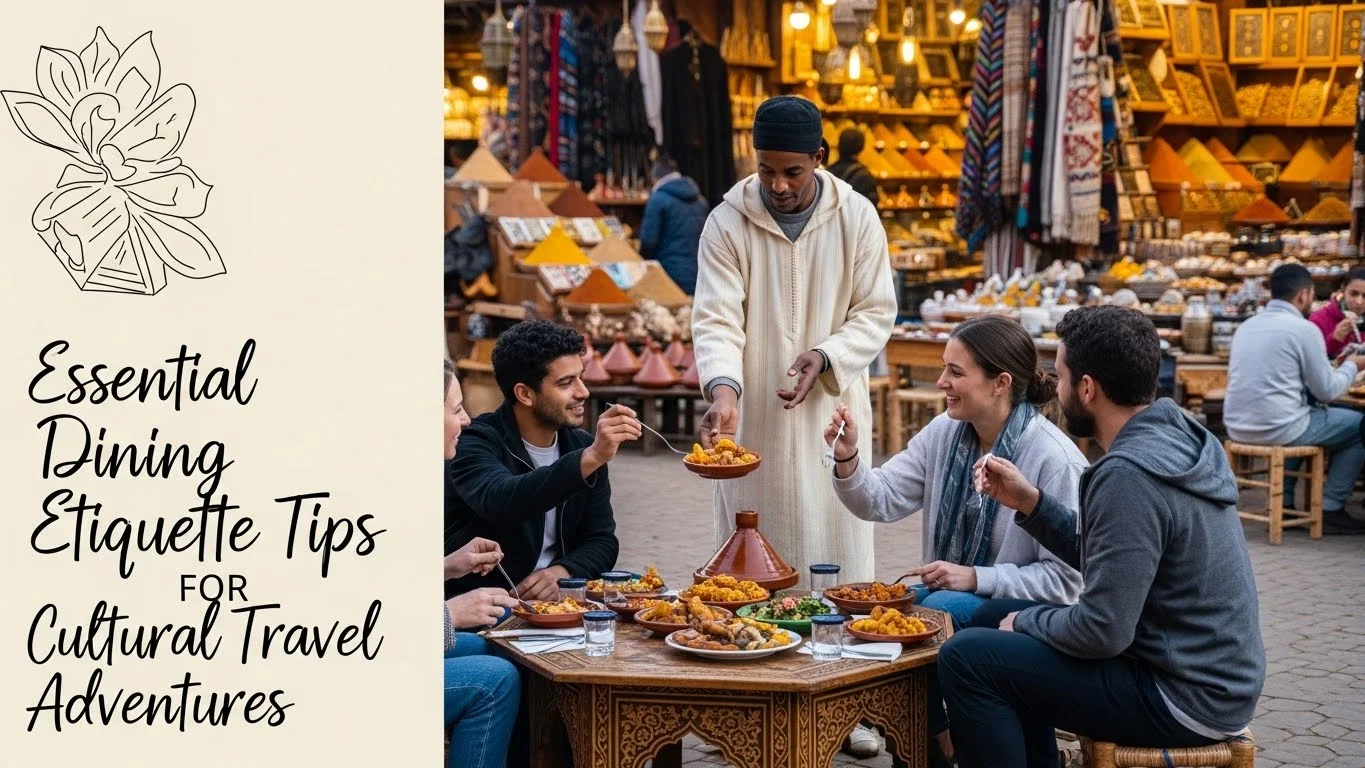
One of the most memorable dining experiences I had was in Morocco, where hospitality took center stage. I was welcomed into a local home, and the warmth and generosity of my hosts made me feel like family. I learned that in many Arab cultures, refusing food can be seen as impolite, so I made sure to try everything offered to me. I remember being served a delicious tagine, and I felt honored that my host had prepared it just for me. This experience taught me the significance of food as an expression of love and generosity.
During my stay, I also discovered the tradition of sharing food directly from a communal plate. At first, I hesitated, but then I realized that this practice fosters a sense of unity. I appreciated how the act of eating together brought everyone closer, and it reminded me of the joy of communal dining.
Eating with Your Hands: Cultural Significance
In many Middle Eastern cultures, eating with one’s hands is not just acceptable; it’s encouraged! I was initially apprehensive about this practice, but I soon embraced it during a meal in Lebanon. I found that using my right hand to scoop up food enhanced the experience, making each bite feel more personal. I learned that the etiquette surrounding hand-eating varies, such as ensuring that my left hand remained away from the food. This small detail made me feel more connected to the meal and the culture.
Specific Dining Situations and How to Navigate Them
Invited to a Local’s Home: What to Bring
Being invited to a local’s home for a meal is one of the most enriching experiences when traveling. I remember the joy I felt when I received an invitation to a traditional dinner in Turkey. I wanted to make a good impression, so I asked a few friends who had traveled there before for advice on what to bring. They suggested a small gift, such as flowers or sweets, as a token of appreciation. This small gesture was warmly received, and I felt like I was already part of the family before even sitting down to eat.
In many cultures, it’s also customary to ask the host if there’s anything specific you can bring. I learned that this not only shows respect but also gives them the chance to share their culture with you. During my visit to a Moroccan home, I offered to bring dessert, and my host showed me how to prepare traditional baklava together, creating memories beyond just the meal itself.
Dining in Formal Settings vs. Casual Eateries
Understanding the difference between formal dining and casual eateries can significantly impact your experience. I remember dining at a luxurious restaurant in Switzerland, where the atmosphere was elegant, and the dress code was strict. I wore my best outfit, and I was amazed by the attention to detail in service and presentation. I learned that in such settings, it’s essential to follow all the etiquette rules, from how to hold utensils to how to engage with the staff. I was even surprised to find that making eye contact with the servers while they are serving you can show appreciation, enhancing the overall dining experience.
On the other hand, when dining in a casual eatery in Thailand, I noticed that the atmosphere was much more relaxed. People were mingling, and the etiquette was less formal. I could enjoy my meal and talk with other diners more freely. It was a reminder that dining etiquette varies widely depending on the setting. I recommend paying attention to the vibe of the place and following the lead of those around you. For travelers interested in more tips, check out Backpacking Through Cultural Cities: Tips for Budget Travelers.
How to Handle Dietary Restrictions and Preferences
Dietary restrictions can be a bit tricky, especially when dining in another culture. During my travels, I found that being open and honest about my preferences is usually appreciated. For instance, when I was in India, I was invited to a dinner at a family’s home. As someone who doesn’t eat meat, I was initially worried about offending my hosts. I gently mentioned my dietary preference, and to my delight, they prepared a wonderful vegetarian feast just for me! This experience taught me that most hosts would rather accommodate than make their guests uncomfortable.
However, I also learned to be mindful of how I communicate my restrictions. In some cultures, it might be seen as impolite to refuse food, so I try to frame my preferences positively. I often say, “Thank you so much for this lovely dish; I prefer vegetarian options, but everything looks delicious!” This approach allows me to maintain respect for the host’s offerings while still being true to my dietary needs.
Communicating During Meals
Making Small Talk: Topics to Avoid
Engaging in conversation during meals can be a delightful way to connect with others, but I’ve also learned that some topics are best avoided. During a dinner in Germany, I mistakenly brought up politics, and the room became noticeably tense. I quickly shifted the conversation to travel and local cuisine, which lightened the mood. From that experience, I learned that it’s wise to steer clear of sensitive subjects like politics, religion, or personal finances when dining with new friends.
Instead, I enjoy discussing shared interests, such as local culture or favorite foods. I remember talking about unique dishes I had tried around the world, and it sparked a lively exchange of stories, making the meal even more enjoyable. I’ve found that asking open-ended questions about the local cuisine or traditions can create a warm, inviting atmosphere.
Understanding Silence in Different Cultures
In many cultures, silence during meals can be common and comfortable. I discovered this during a meal in Finland, where I noticed that everyone was quietly enjoying their food. I initially felt awkward, but I soon embraced the moment, recognizing that sometimes, sharing a meal is about appreciating the flavors and not filling the air with conversation. It taught me that silence can be a form of respect for the meal and each other.
However, in other cultures, silence might be interpreted differently. For example, in some Middle Eastern countries, lively conversation during meals is the norm. I remember feeling a bit overwhelmed at first, trying to keep up with the rapid exchanges at a dinner in Lebanon. But once I got the hang of it, I found that participating in the banter added a layer of joy to the meal. It’s essential to be observant and adapt to the communication styles of those around you to enhance the dining experience.
Frequently Asked Questions
What is the significance of dining etiquette in cultural travel?
Dining etiquette is important in cultural travel because it reflects respect and appreciation for a culture. Understanding these customs helps avoid awkward situations and fosters deeper connections with locals, enhancing overall travel experiences.
How does dining etiquette reflect a culture’s values?
Dining etiquette often mirrors a culture’s values and beliefs. For instance, how chopsticks are handled in Japan shows respect for the meal, while communal dining in Italy reflects the importance of family and togetherness.
What are some universal table manners to remember while dining?
Some universal table manners include being polite and patient, waiting for everyone to be served before starting to eat, not speaking with your mouth full, and observing local customs regarding resting elbows on the table.
How should one navigate formal place settings?
When faced with a formal place setting, the general rule is to work from the outside in, starting with the utensils farthest from your plate and moving inward with each course.
What is the proper way to use cutlery and napkins?
In many European countries, it’s customary to keep the fork in the left hand and the knife in the right while eating. Napkins should be kept on the lap until finished, at which point they should be placed neatly beside the plate.
What dining customs are common in France?
In France, meals are treated with reverence, emphasizing patience and appreciation for good food. Engaging in light conversation is encouraged, but it’s important to avoid controversial topics during meals.
What are some key etiquette points when dining in Japan?
In Japan, it is customary to dip the fish side of sushi into soy sauce and to pour sake for others as a sign of respect. Mindfulness and consideration for others are significant values in Japanese dining etiquette.
How is dining etiquette practiced in China?
In China, sharing food is a sign of friendship and trust, and it is important to use the serving utensils provided for each dish rather than your own chopsticks, which can be considered rude.
What customs are associated with dining in Middle Eastern cultures?
In many Middle Eastern cultures, refusing food can be seen as impolite, and sharing food from a communal plate fosters a sense of unity. Eating with one’s hands is encouraged, especially using the right hand, which enhances the personal experience of the meal.
How should one handle dietary restrictions when dining in another culture?
It is best to be open and honest about dietary preferences while maintaining respect for the host’s offerings. Communicating preferences positively can help hosts accommodate guests without causing discomfort.