
Traveling solo can be one of the most exhilarating experiences, but it also comes with its own set of challenges. Being prepared with essential emergency contacts can make all the difference in ensuring a safe trip. For those seeking a more refined journey, exploring top exclusive experiences for the luxury solo traveler can enhance your adventure.
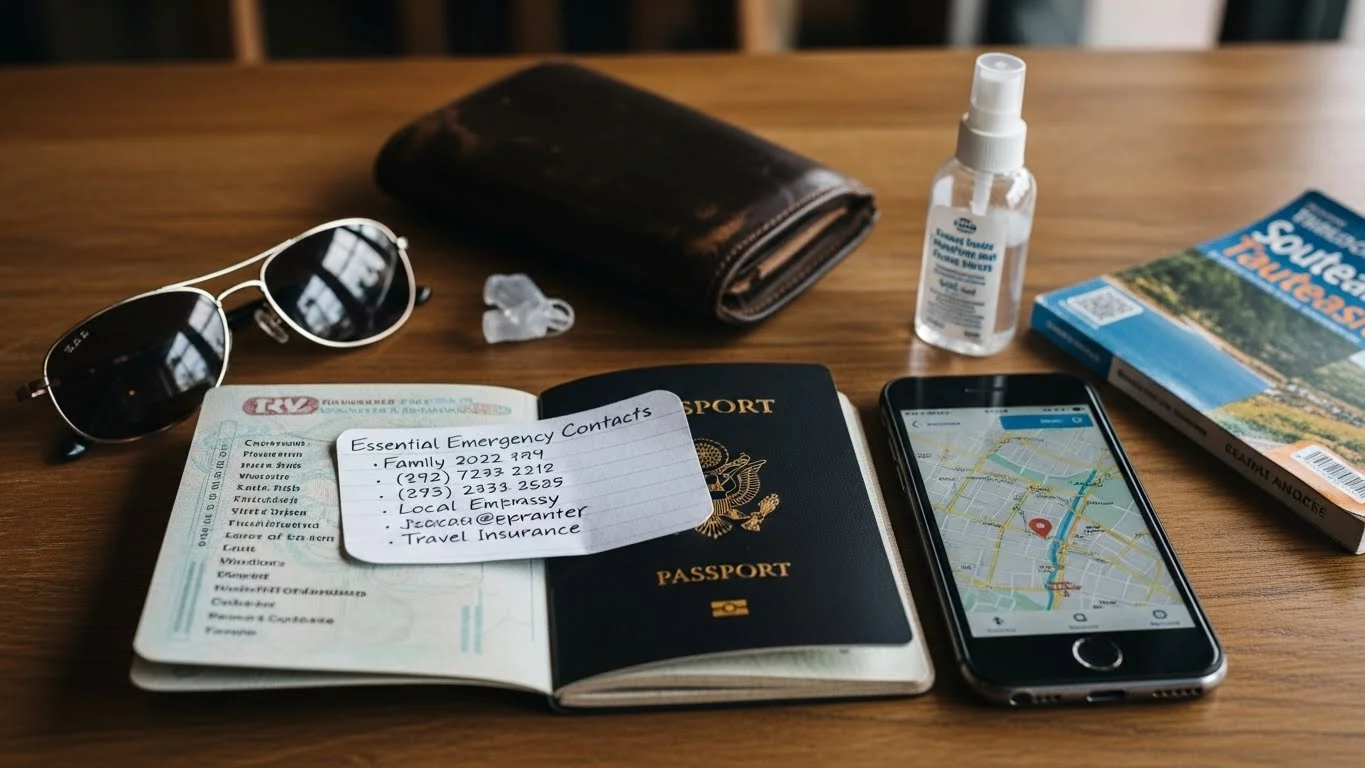
Understanding the Importance of Emergency Contacts for Solo Travelers
Why Emergency Contacts Are Crucial
When I first traveled alone, I remember feeling excited yet a bit anxious. I quickly realized that being in a new place, far from familiar faces, made it essential to have a solid plan in case of emergencies. Emergency contacts are not just safety nets; they are lifelines. Knowing whom to call can save time and reduce panic in stressful situations. Whether it’s a minor health issue or a more serious incident, having the right contacts can provide peace of mind during your adventures.
Types of Emergencies Solo Travelers Might Face
Traveling solo exposes you to various unexpected situations. From my experience, I’ve faced everything from missed flights to sudden illnesses. Here are some common emergencies solo travelers might encounter:
- Medical Emergencies: Illness or injury can happen anywhere, and knowing how to access medical help is crucial.
- Lost or Stolen Belongings: Losing your passport or wallet can be overwhelming, especially in a foreign country.
- Accidents: These can range from minor injuries to serious incidents requiring immediate assistance.
- Natural Disasters: Earthquakes, floods, or storms can disrupt travel plans and pose safety risks.
- Legal Issues: Getting into trouble with local authorities might require legal assistance or contacting your embassy.
Recognizing these potential emergencies helps us prepare and ensures we’re not caught off guard when things go awry.
Essential Emergency Contacts to Have
Local Emergency Services
Before embarking on your journey, familiarize yourself with local emergency services. This knowledge can be a game-changer when every second counts.
Police
Having the local police number saved in your phone is vital. If you encounter any crime or feel threatened, knowing whom to contact can provide a significant sense of security. I remember needing the police once when I witnessed a minor accident, and it was reassuring to have quick access to their number.
Fire Department
Fires can happen anywhere, and knowing how to reach the fire department can be lifesaving. Make sure to note their contact details and even the local emergency number, as it often varies by country.
Medical Emergencies
Being prepared for medical emergencies is crucial. I always save hospital contacts and the nearest urgent care facilities on my phone. This way, if I need immediate medical attention, I know where to go and who to call. It’s also helpful to learn about pharmacies in the area for any over-the-counter medications you might need.
Embassy or Consulate Contacts
Your embassy can be a significant resource if you find yourself in trouble abroad. Having their contact details can help you navigate tricky situations.
How to Find Your Country’s Embassy
Before I travel, I research my country’s embassy locations in the places I’m visiting. This way, I always know where to go or who to contact if necessary. A quick Google search or a visit to your country’s official government website can provide this information.
What Services Embassies Offer
Embassies assist with a range of issues, from replacing lost passports to providing legal help. They can also offer guidance on local laws and customs, which I found invaluable during my travels. I remember needing assistance when my passport was misplaced, and the embassy made the process a lot smoother than I anticipated.
Travel Insurance Provider
Travel insurance is often overlooked, but it’s one of the best investments a solo traveler can make.
Importance of Travel Insurance
Having travel insurance can cover anything from medical expenses to trip cancellations. It’s comforting to know that if something goes wrong, I have a safety net. I learned the hard way after a trip cancellation left me out of pocket, and I vowed never to travel without insurance again.
How to Contact Your Provider
Keep your travel insurance policy number and contact details handy. Most providers offer 24/7 assistance, so having that information accessible can help in urgent situations. I always save these details in my phone and also keep a printed copy in my travel wallet—just in case.
Accommodation Contact Information
Your hotel or hostel can be your first point of contact in an emergency. Make sure you have their details saved.
Hotel or Hostel Details
Knowing how to reach your accommodation can be crucial if you get lost or need assistance. I often take a picture of the hotel’s card or write down their address and phone number in my notes. This has helped me many times when navigating a new city.
Alternatives for Last-Minute Stays
Sometimes, plans change unexpectedly. Knowing alternative places to stay, like nearby hotels or hostels, can save you a lot of stress. I’ve found that apps like Booking.com or Airbnb can help find accommodations quickly, even at odd hours. Additionally, for those seeking more luxurious options, consider checking out luxury solo travel accommodations that offer ultimate comfort.
Personal Emergency Contacts
Family and Friends
One of the most important aspects of traveling solo is ensuring that your loved ones know where you are. I always make it a point to share my itinerary with family and close friends before I leave. This way, they can keep track of my travels and know when to expect updates. It’s comforting to know there’s someone back home who is aware of my plans and can be my point of contact if anything goes wrong.
Choosing the Right Contacts
When deciding who to list as emergency contacts, I think about those who can handle potential emergencies calmly. I often choose my siblings or close friends who are level-headed and can think on their feet. I also remind them to keep their phones charged and accessible, just in case I need to reach out. They may not be able to help me physically, but just knowing they are there for me emotionally makes a huge difference.
Setting Up a Communication Plan
Before I head out, I set up a simple communication plan. I let my emergency contacts know how often they can expect to hear from me, whether it’s daily check-ins or just updates after certain activities. This not only keeps them informed but also helps me feel more secure knowing that someone is awaiting my messages. I’ve found that using messaging apps like WhatsApp or Viber can be incredibly helpful, as they work over Wi-Fi and can save me money on international texting.
Local Contacts (If Any)
If you have friends or acquaintances in the area you’re visiting, having their contact information can be invaluable. I’ve occasionally traveled to places where I knew someone, even if it was just a casual acquaintance from school or work. These contacts can provide local insights and may be able to help in emergencies.
Friends or Acquaintances in the Area
Before my last trip, I reached out to an old college friend who had moved to the city I was visiting. Having her number saved as a contact made me feel more secure. Not only did I have someone to reach out to in case of an emergency, but she also shared local tips that enriched my travel experience. It’s amazing how a familiar face in a foreign place can lighten your load.
Travel Groups or Communities
Joining travel groups or communities can also be beneficial. I’ve been part of several Facebook groups focused on solo travel. These communities often share vital local contacts and can provide recommendations or support if issues arise. If I encounter a problem, I can post in these groups to seek advice or assistance from fellow travelers who may be nearby. It’s a great way to expand your network and feel connected while on the road.
Creating a Comprehensive Emergency Contact List
How to Organize Your Contacts
Creating an organized emergency contact list is essential. I keep mine on my phone, but I also have a printed copy tucked safely in my travel wallet. My list includes categories like local emergency services, my accommodation details, family and friends, and any local contacts I may have. I find that color-coding or labeling these contacts can help me access the information quickly.
Apps and Tools to Store Emergency Contacts
There are several apps available that can help store and organize emergency contacts. I’ve used apps like Google Keep and Evernote to create a quick reference guide I can access offline. Some travel-specific apps even allow you to save emergency info, including medical conditions or allergies, which can be a lifesaver in a medical emergency. I think it’s worth exploring these options to find what works best for you!
Preparing for Emergencies Before Traveling
Researching Local Emergency Numbers
Before I travel anywhere, I make it a point to research local emergency numbers. It’s surprising how different they can be from country to country! For example, in the United States, 911 is the go-to number for emergencies, while in the UK, it’s 999. I often jot these numbers down in my travel journal or save them in my phone. Knowing who to call during an emergency can save precious time.
Understanding Local Laws and Customs
In my travels, I’ve learned that understanding local laws and customs can help prevent emergencies in the first place. For instance, in some countries, it’s illegal to drink alcohol in public spaces. Knowing these regulations can help avoid unwanted run-ins with local authorities. I usually read a bit about the culture and norms of the destinations I visit, which not only enriches my experience but also keeps me safer.
Apps for Safety and Emergency Alerts
Using technology to enhance safety while traveling is a smart move. I recommend downloading local emergency apps or even global safety apps like SmartTraveler, which provide alerts and updates on safety conditions in your area. These apps can be a great resource for solo travelers, offering real-time information on natural disasters, health alerts, and other emergencies. Staying informed has been a lifesaver on more than one occasion for me. Furthermore, understanding how to navigate safety in luxury solo travel destinations can further enhance your travel experience.
What to Do in Case of an Emergency
Steps to Take When Contacting Emergency Services
When faced with an emergency, the first step is to remain as calm as possible. I know it can be incredibly difficult to stay composed when your heart is racing, but taking a deep breath can help you think more clearly. I remember once when I was in a foreign city, I needed to call for help after witnessing a minor accident. The first thing I did was assess the situation to ensure I was safe before contacting anyone. Here’s a simple guide on how to approach this:
- Assess Your Situation: Before making any calls, take a moment to evaluate your surroundings. Are you in a safe place? Is anyone else in danger? This can help you determine your next steps.
- Contact Local Emergency Services: Use the emergency number for the country you’re in and clearly state the nature of the emergency. I’ve found that speaking slowly and clearly helps, especially if there’s a language barrier.
- Provide Necessary Details: When you reach the operator, provide them with your location, the nature of the emergency, and any other pertinent details. I always try to have a few key phrases in the local language ready, which can be very helpful in these situations.
- Stay on the Line: Don’t hang up until you’re told to do so. The operator may have additional questions or instructions.
- Follow Up: If necessary, ask for updates or the expected arrival time of emergency personnel. Having a clear understanding of what’s happening can help ease anxiety.
These steps have helped me navigate emergencies more effectively, and I hope they offer you some guidance as well.
How to Reach Your Embassy
If you find yourself in a situation that requires your embassy’s assistance, knowing how to contact them can be crucial. I’ve had to do this once, and it was a relief to have their support. Here’s how to approach it:
- Know Your Embassy’s Contact Info: Make sure to have your embassy’s phone number and address saved in your contacts. I also write this information down on a piece of paper that I keep in my wallet for quick access.
- Visit Their Website: Many embassies have emergency hotlines or specific instructions for travelers in distress. Checking their website can provide helpful information.
- Be Clear and Concise: When you contact the embassy, explain your situation clearly. State your nationality, the nature of your issue, and any immediate assistance you may need.
- Follow Their Instructions: Embassies are experienced in handling emergencies, so listen to their advice and follow their instructions carefully.
In my experience, being prepared with this information can save a lot of time and stress if you ever need help abroad.
Communicating with Family and Friends
During an emergency, it’s essential to keep your loved ones informed. I’ve found that they can provide emotional support and even practical help from afar. Here’s how to keep them in the loop:
- Contact Your Emergency Contacts: As soon as you’re able, reach out to your designated emergency contacts. Let them know what’s happening and reassure them that you are safe if possible.
- Use Messaging Apps: Apps like WhatsApp or Viber can be great for quick updates, especially if you have limited phone service. I often use these platforms to send a quick message to my family or friends, letting them know I’m okay.
- Set Up a Group Chat: If you have multiple people you want to update, consider creating a group chat. This way, you can keep everyone informed without repeating the same information over and over.
- Share Your Location: If you’re in a situation where you’re unsure of your safety, sharing your location with loved ones can provide reassurance and help them know where you are.
Staying connected with family and friends during tough moments can make all the difference, offering both support and a sense of security.
Safety Tips for Solo Travelers
Staying Aware of Your Surroundings
As a solo traveler, I’ve learned that staying aware of my surroundings is one of the best ways to ensure my safety. It might sound simple, but I always make a conscious effort to be present. Here are a few things I do:
- Trust Your Instincts: If something doesn’t feel right, it probably isn’t. I’ve learned to listen to my gut feelings, whether it’s avoiding a particular street at night or not engaging with suspicious individuals.
- Stay Off Your Phone: I often see travelers glued to their phones while walking. While it’s tempting to check messages or take photos, I try to keep my phone away when navigating unfamiliar areas.
- Observe Locals: Watching how locals behave can provide valuable insights. If everyone seems to move with purpose, that’s a good sign to me. If I see people loitering or acting oddly, I tend to steer clear.
Being aware of my surroundings has helped me avoid uncomfortable situations and feel more secure while exploring new places.
Utilizing Technology for Safety
In today’s digital age, technology can be a great ally for solo travelers. I’ve come to rely on various tools and apps to enhance my safety:
- GPS and Maps: I use apps like Google Maps to familiarize myself with the area before heading out. It’s also helpful for finding the fastest route to my destination.
- Safety Apps: As I mentioned earlier, apps like SmartTraveler can alert you to emergencies in your area. I also recommend apps that allow you to share your location with friends or family.
- Emergency Contacts in Your Phone: Always have your emergency contacts easily accessible. I save them under a specific label, so I can find them quickly if needed.
Technology, when used wisely, can provide an extra layer of security that I find comforting on my journeys.
Trusting Your Instincts
Above all, trusting your instincts has been my guiding principle while traveling solo. If I feel uneasy about a situation, I don’t hesitate to remove myself from it. I’ve learned that it’s far better to be cautious than to regret not acting on a feeling. I encourage fellow travelers to cultivate this inner voice; it often knows best. When we trust our instincts, we empower ourselves to navigate the world with confidence and safety.
Frequently Asked Questions
Why are emergency contacts crucial for solo travelers?
Emergency contacts are essential for solo travelers as they provide a safety net and lifeline in stressful situations. Having the right contacts can save time and reduce panic during emergencies, giving travelers peace of mind.
What types of emergencies might solo travelers face?
Common emergencies for solo travelers include medical emergencies, lost or stolen belongings, accidents, natural disasters, and legal issues with local authorities.
What local emergency services should solo travelers familiarize themselves with?
Solo travelers should familiarize themselves with local police, fire department contacts, and medical emergency services to ensure quick access to help in case of emergencies.
How can solo travelers prepare for medical emergencies?
Travelers can prepare for medical emergencies by saving hospital contacts and the nearest urgent care facilities on their phones, as well as learning about local pharmacies for medication needs.
What role does travel insurance play for solo travelers?
Travel insurance is crucial as it covers a range of issues, including medical expenses and trip cancellations. It acts as a safety net for travelers, providing reassurance during uncertain situations.
How should solo travelers organize their emergency contacts?
Solo travelers should create an organized emergency contact list that includes local emergency services, accommodation details, personal contacts, and any local acquaintances. This list can be stored on their phone and also in a printed format.
What steps should travelers take in case of an emergency?
In an emergency, travelers should remain calm, assess their situation, contact local emergency services, provide necessary details, and stay on the line until instructed otherwise.
How can solo travelers stay connected with family and friends during emergencies?
Travelers can keep their loved ones informed by contacting emergency contacts, using messaging apps for quick updates, setting up group chats, and sharing their location if necessary.
What safety tips should solo travelers follow?
Solo travelers should stay aware of their surroundings, trust their instincts, avoid distractions like phones while walking, and observe the behavior of locals to enhance their safety.
How can technology assist solo travelers in ensuring their safety?
Technology can assist solo travelers through GPS and maps for navigation, safety apps for emergency alerts, and saving emergency contacts in easily accessible formats on their phones.