
Mountain climbing is an exhilarating adventure, but it comes with its own set of challenges. Understanding first aid can make all the difference in ensuring a safe and enjoyable experience. Read Interesting article: Essential Tips for Planning Your Budget Safari Adventure
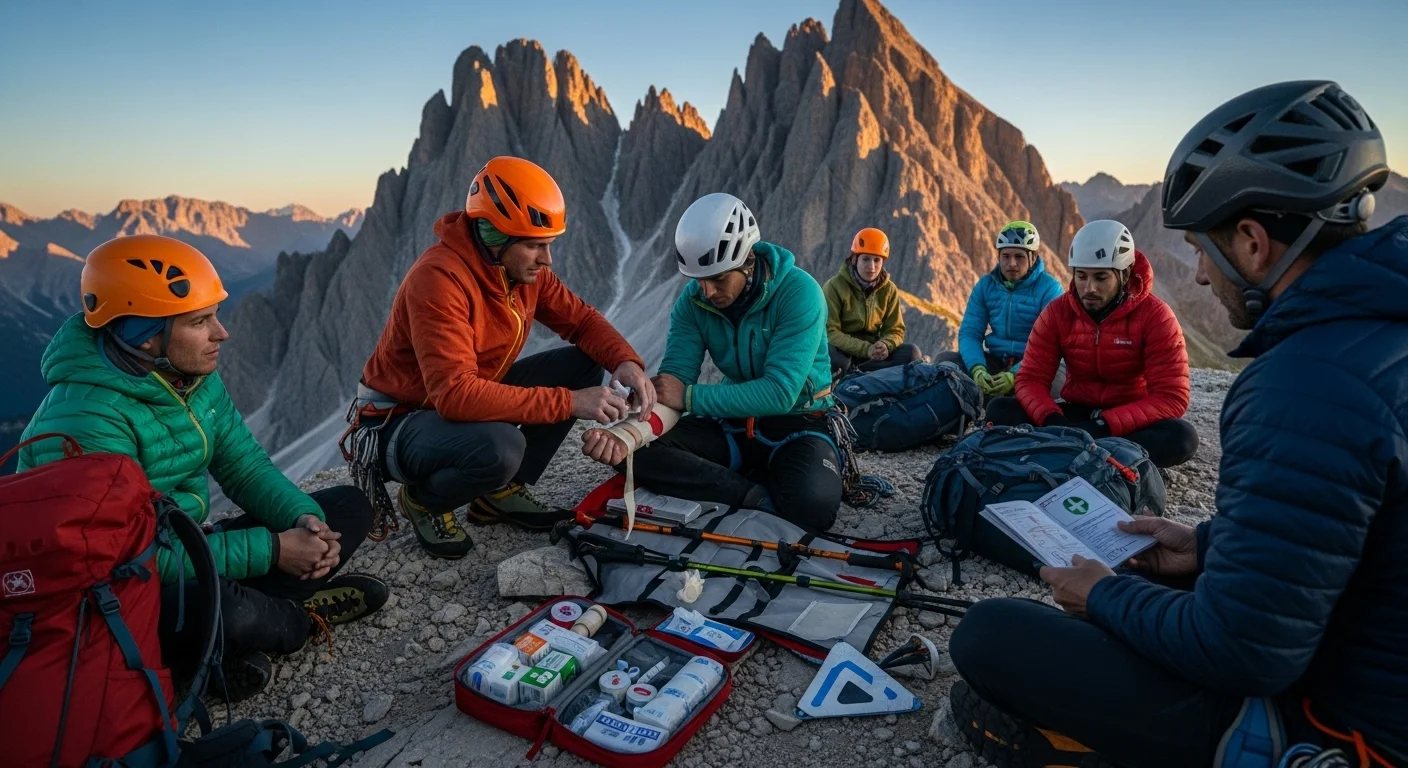
Understanding Mountain Climbing Risks
When I first set out to conquer my favorite mountain, I was filled with excitement and anticipation. However, as I climbed higher, I began to realize the importance of understanding the risks that come with mountain climbing. It’s not just about the thrill of reaching the summit; it’s also about being prepared for potential injuries and emergencies.
Common Injuries in Mountain Climbing
In my experience, some of the most common injuries I’ve seen among climbers are sprains, fractures, and falls. During one of my trips, a friend slipped on a rocky ledge and twisted his ankle. It was a painful reminder that even the most experienced climber can face unexpected challenges. Knowing how to identify and treat these injuries is crucial. Sprains, for instance, often occur when a joint is overstressed. I learned that the R.I.C.E. method—Rest, Ice, Compression, and Elevation—can help alleviate the pain and swelling.
Fractures are another concern, and they can happen due to falls or accidents while climbing. If you suspect a fracture, it’s essential to keep the injured area still and to seek professional help as soon as possible. I remember feeling a sense of urgency when one of my climbing partners fell and landed awkwardly. We had to stabilize his arm and get him back to base camp quickly.
Environmental Hazards
Environmental hazards add another layer of risk to climbing. From unpredictable weather changes to loose rocks, it’s vital to stay aware of your surroundings. I once encountered a sudden snowstorm while climbing, which drastically reduced visibility. It taught me to always check the weather forecast before embarking on a climb and to be prepared for sudden changes. Understanding the terrain and recognizing potential hazards can significantly reduce the likelihood of accidents.
Additionally, I’ve noticed that climbing routes can sometimes have loose rocks or unstable footing. As I navigated tricky patches, I often reminded myself to take cautious steps and to communicate with my climbing partners about potential dangers. Working as a team can make a big difference in avoiding these environmental hazards.
Altitude Sickness
Altitude sickness is another serious concern for climbers, especially when ascending quickly to high altitudes. On one of my climbs, I experienced mild symptoms like headache and nausea as we reached higher elevations. I learned that these symptoms can be a sign of altitude sickness, which can affect anyone, regardless of fitness level. It’s crucial to recognize the signs early and to take action.
To help prevent altitude sickness, I’ve found that gradual acclimatization is key. Spending an extra day or two at intermediate elevations can help your body adjust. Hydration also plays a significant role; I always make sure to drink plenty of water, as dehydration can worsen symptoms. If I ever feel symptoms creeping in, I remember to descend to a lower altitude and rest until I feel better.
In more severe cases, altitude sickness can escalate into High Altitude Pulmonary Edema (HAPE) or High Altitude Cerebral Edema (HACE), both of which are life-threatening. On one climb, a fellow climber developed HAPE, and we had to act quickly to get him down. Recognizing the severity of symptoms is crucial, and when in doubt, it’s always better to err on the side of caution.
Knowing the risks involved in mountain climbing has changed the way I prepare for my adventures. I’ve learned that understanding common injuries, environmental hazards, and altitude sickness not only helps in preventing mishaps but also ensures that we can respond effectively when issues arise. On our next climb, let’s remember to stay vigilant and prepare ourselves for anything the mountains throw our way. After all, the thrill of reaching the summit should never come at the expense of our safety.
Essential First Aid Supplies for Mountain Climbing
When I gear up for a mountain climb, I always prioritize packing essential first aid supplies. Having the right tools at hand can make all the difference in an emergency situation. I’ve learned through experience that being prepared goes beyond just having a first aid kit; it’s about knowing what to include and how to use it effectively.
First Aid Kit Must-Haves
One of the first things I do is invest in a high-quality first aid kit. Over the years, I’ve customized mine to fit my climbing needs. Here’s what I consider must-haves:
- Adhesive bandages: These are perfect for small cuts and blisters, which are common on long climbs. I’ve had my fair share of blisters, and having various sizes of band-aids has saved my skin more than once.
- Gauze pads and tape: For larger wounds, I always carry gauze pads and medical tape. In one instance, a fellow climber took a tumble and scraped their knee pretty badly. We were able to clean the wound and secure it with gauze, which prevented further injury.
- Antiseptic wipes or solution: Keeping injuries clean is crucial. I always use antiseptic wipes to clean any cuts before dressing them. It’s a simple step that can prevent infection.
- Elastic bandage: Perfect for wrapping sprains or strains. I once twisted my ankle while navigating a tricky section, and having an elastic bandage handy helped me stabilize it and continue the descent.
- Scissors and tweezers: These are essential for cutting tape or gauze, and for removing splinters or debris from wounds. I can’t stress enough how helpful it is to have these tools readily available.
Personal Medications
Beyond standard first aid supplies, I also pack personal medications. Everyone has different health needs, and for us climbers, it’s essential to be prepared. I carry:
- Anti-inflammatory medication: When the muscles start to ache after a long day of climbing, having ibuprofen or something similar can help manage pain and inflammation.
- Allergy medications: I’ve experienced allergic reactions to insect bites and plants while out in the wilderness. I never go without antihistamines, just in case.
- Personal prescriptions: If you take any specific medications, always remember to bring those along. I learned this lesson the hard way when I forgot my asthma inhaler on a climb once. It wasn’t a fun experience!
Emergency Communication Devices
Lastly, no climbing trip is complete without reliable communication devices. I’ve seen firsthand how important it is to stay connected, especially in remote areas. Here are a couple of devices I never leave home without:
- Mobile phone: While coverage may be spotty in the mountains, I still carry my phone for emergencies. It has saved me a few times when I needed to call for help or navigate back to camp.
- Satellite phone or personal locator beacon (PLB): These devices are a game changer for safety. I always carry a PLB to ensure I can signal for help even when there’s no cell service. Knowing I can reach help in an emergency gives me peace of mind.
By carefully selecting my first aid supplies, I feel more prepared for whatever challenges the mountains throw at me. I believe that when we take the time to pack thoughtfully, we’re not just enhancing our own safety; we’re also looking out for our climbing partners. After all, climbing is often a team effort, and being prepared can make all the difference in ensuring everyone has a safe and enjoyable experience.
Basic First Aid Techniques for Climbers
Having the right supplies is just part of the equation. Knowing how to use them effectively is equally important. Over the years, I’ve learned a few basic first aid techniques that every climber should be familiar with, and I find that practicing these skills can make a big difference in emergencies.
Wound Care and Dressing
When it comes to treating wounds, I always start by cleaning the area thoroughly. I remember a time when one of my friends cut their hand on a sharp rock. We quickly rinsed the wound with clean water and applied antiseptic wipes before covering it with a sterile dressing. It’s important to keep pressure on the wound to control bleeding and to change the dressing regularly to keep it clean and dry.
Managing Sprains and Strains
If someone twists an ankle or strains a muscle, I’ve found that the R.I.C.E. method comes in handy: Rest, Ice, Compression, and Elevation. I remember when I sprained my wrist while climbing. We applied an ice pack wrapped in a cloth to reduce swelling, wrapped it with an elastic bandage for support, and elevated it on a rock while we took a break. This approach helped me manage the pain and allowed me to continue safely.
Dealing with Cuts and Abrasions
Cuts and abrasions can happen easily during climbs. I’ve had my share of scrapes from brushes with sharp rocks. When treating these injuries, I clean the area with antiseptic wipes, apply antibiotic ointment, and cover it with a bandage. Keeping it protected not only helps it heal but also prevents infection, which I’ve learned is crucial when out in the wild.
By practicing these basic first aid techniques, I feel more confident in my ability to respond to injuries during climbs. It’s not just about having the tools; it’s about knowing how to use them effectively to keep ourselves and our climbing partners safe.
Responding to Altitude-Related Issues
When it comes to mountain climbing, altitude-related issues can sneak up on you, even if you think you’re prepared. I’ve definitely had my share of experiences with altitude sickness, and understanding how to respond effectively has been crucial for my safety and that of my climbing partners. Knowing what to look for can make a world of difference.
Identifying Symptoms of Altitude Sickness
Altitude sickness can manifest in various ways, and I’ve learned to be vigilant about spotting symptoms early. Common signs include headaches, dizziness, nausea, and fatigue. I remember vividly when I first felt that nagging headache creeping in as we approached higher elevations—it was my body’s way of telling me something wasn’t right. Other symptoms I’ve seen in myself and fellow climbers include loss of appetite and difficulty sleeping. The key is to listen to your body; if something feels off, it probably is.
First Aid for Mild Altitude Sickness
If I notice mild symptoms of altitude sickness, I take immediate steps to address it. The first thing I do is ensure I’m well-hydrated. I always carry a water bottle and make it a priority to drink plenty of fluids. In addition, I find that taking a break and resting can help alleviate discomfort. During a recent climb, I felt the early signs of altitude sickness, so I took a moment to sit down, drink some water, and catch my breath. If symptoms persist, I recommend descending to a lower elevation. It’s a simple yet effective way to allow your body to recover.
Severe Altitude Illness: When to Descend
In more severe cases, altitude sickness can escalate into HAPE or HACE, which can be life-threatening. I’ve been in a situation where a climbing buddy experienced severe symptoms, including confusion and extreme fatigue. In those moments, it’s crucial to remain calm and act quickly. If I suspect someone is experiencing severe altitude illness, I make the decision to descend immediately. It’s better to be safe than sorry; no summit is worth risking a life. I’ve learned that teamwork is vital in these situations, and discussing the symptoms openly as a group can help everyone make informed decisions about the best course of action.
Treating Environmental Injuries
Beyond altitude sickness, environmental injuries are another reality of climbing that we need to prepare for. From the biting cold to the scorching sun, the elements can take a toll on our bodies. I’ve experienced some of these challenges firsthand, and I believe that knowing how to treat them can make all the difference in staying safe and enjoying our climbs.
Hypothermia: Signs and Treatment
Hypothermia is something I’ve always kept in the back of my mind when climbing in colder conditions. It can sneak up on you, especially if you’re wet or exposed to strong winds. I remember one time when I underestimated the chill at a higher elevation. I felt a sudden onset of shivering and confusion, which were clear signs that I needed to take action. If I ever notice someone shivering uncontrollably or showing signs of confusion, I know it’s time to warm them up. I’ve found that moving to a sheltered area and removing any wet clothing can help. Layering on dry, warm clothes and using blankets or sleeping bags can also be lifesavers. A warm drink can provide a quick boost, too.
Heat Exhaustion vs. Heat Stroke
On the flip side, I’ve also encountered issues related to heat exhaustion while climbing in warmer climates. I remember feeling dizzy and nauseous during a particularly hot climb, which was a clear signal that I needed to cool down. Heat exhaustion can occur when the body loses too much water and salt, so I make it a point to take frequent breaks in the shade and hydrate regularly. If someone shows signs of heat exhaustion—like heavy sweating, weakness, or a rapid heartbeat—I recommend moving them to a cooler area, removing excess clothing, and providing fluids. It’s important to monitor their condition closely. If they worsen or show signs of heat stroke, such as confusion or a high body temperature, immediate evacuation is essential.
Sunburn and Skin Protection
Sunburn is another common issue that can quickly ruin a climbing trip. I’ve had my share of painful sunburns after long days under the sun. To prevent this, I always apply a high-SPF sunscreen before heading out and reapply it every couple of hours. If I do end up with sunburn, I find that taking cool showers, applying aloe vera, and keeping the affected area moisturized can help ease the discomfort. I also learned the hard way about the importance of wearing protective clothing and a wide-brimmed hat. Taking these precautions not only protects my skin but also makes for a much more enjoyable climbing experience.
By being aware of altitude-related issues and environmental injuries, I feel more equipped to handle whatever challenges the mountains throw at me. Understanding how to respond to these situations can mean the difference between a fun adventure and a serious setback. As we continue our climbing journeys, let’s keep these tips in mind to ensure we all stay safe and healthy on the trails.
Emergency Procedures and Evacuations
Even with all the preparation in the world, emergencies can still happen while climbing. From my experiences, having a clear understanding of how to respond can truly make a difference. Knowing emergency procedures isn’t just about having the right tools; it’s about being mentally prepared and knowing what steps to take when faced with an urgent situation.
Assessing the Situation
When an emergency occurs, the first thing I do is assess the situation calmly. I remember once when a climber in our group experienced a fall. My heart raced, but I knew panicking wouldn’t help anyone. I took a moment to evaluate the injuries, the environment, and the safety of our surroundings. It’s essential to determine whether it’s safe to approach the injured person or if there are hazards in the area, like loose rocks or potential avalanches. This initial assessment can guide the next steps I take and inform my climbing partners about what’s going on.
When to Call for Help
There have been times when I’ve faced injuries that required professional medical assistance. Knowing when to call for help is crucial. If the injury is severe—such as a suspected fracture, a head injury, or if someone is unconscious—don’t hesitate to call for help. I’ve learned that it’s better to err on the side of caution. In one instance, we had to use a satellite phone to call for rescue after a climber fell and couldn’t move. The key is to communicate clearly the nature of the emergency and your location so that help can reach you as quickly as possible.
Creating an Evacuation Plan
Having a plan for evacuation can save precious time during an emergency. I always discuss potential scenarios with my climbing partners before heading out. We agree on a rendezvous point in case we get separated, and we also identify the quickest route back to safety. In my experience, knowing how to navigate back to the trailhead or base camp can be just as important as knowing how to treat injuries. During one climb, we practiced our evacuation route, which ended up being invaluable when we needed to get someone to safety quickly.
Preventive Measures for Safe Climbing
While understanding how to respond to emergencies is vital, I believe prevention is the best first aid. Taking proactive measures can significantly reduce the chances of getting injured in the first place. I always keep a few key strategies in mind.
Pre-Climb Health Assessments
Before embarking on a climb, I make it a point to evaluate my health and that of my climbing partners. It’s essential to ensure that everyone is in good physical condition to handle the demands of the climb. I’ve seen how fatigue and underlying health issues can lead to accidents. A simple check-in can help us determine if anyone needs to scale back or adjust their plans.
Staying Hydrated and Nourished
Staying hydrated and maintaining energy levels is crucial during climbs. I always pack enough water and snacks, such as energy bars or trail mix. During one particularly challenging ascent, I realized my energy was draining quickly, and I didn’t have enough to keep going. I learned my lesson and now always remind myself to take breaks to hydrate and munch on snacks. It’s a small habit that pays off big time.
Choosing the Right Gear
The importance of having the right gear cannot be overstated. I make sure to invest in quality equipment that suits the specific conditions of my climb. Whether it’s proper footwear, clothing suited for the weather, or climbing gear, having the right tools can prevent accidents. I remember a time when I didn’t check my gear adequately, and I ended up struggling with a faulty harness. Now, I do a thorough check before every climb, ensuring everything is in good condition and ready to go.
Training and Preparedness for First Aid
Having the right mindset and equipment is only part of being prepared for mountain climbing emergencies. Training and regular practice can make a world of difference in how effectively we respond in critical situations. I’ve invested time in learning and honing my first aid skills, and it’s something I recommend for all climbers.
Wilderness First Aid Courses
I highly recommend taking a Wilderness First Aid course. These classes not only provide knowledge about first aid techniques but also how to handle specific situations in remote areas. The first time I took a course, I felt more empowered and confident. The hands-on practice and real-life scenarios gave me valuable insights into how to respond effectively in emergencies. Read Interesting article: Mastering Wildlife Photography: Tips for Your Next Safari Trip
Regular Skills Practice
Once I’ve learned first aid techniques, I find it essential to practice them regularly. I often gather a few friends to go over skills like wound treatment and CPR. By refreshing our memories together, we feel more prepared when out in the field. Plus, it’s a great way to bond and reinforce teamwork before tackling a climb.
Team Roles in First Aid Situations
When climbing with a group, we discuss and assign specific roles related to first aid. Knowing who will be responsible for what during an emergency helps streamline communication. I once climbed with a group that had designated first aid responders, and it made a significant difference when we faced a minor injury. Everyone knew their role, and we were able to act quickly and efficiently.
Final Thoughts
As I reflect on my mountain climbing experiences, I realize that preparation is not just about packing gear; it’s about nurturing a mindset geared toward safety and teamwork. Understanding the risks, having the right supplies, and knowing how to respond effectively can turn a potentially dangerous situation into a manageable one. I believe that with the right knowledge and skills, we can enhance our adventures and ensure that safety remains a top priority. The mountains are calling us to explore their beauty, and together, we can embrace each challenge while looking out for one another. Read Interesting article: Essential Wildlife Photography Tips for Budget Safari Travelers
Frequently Asked Questions
What are some common injuries associated with mountain climbing?
Common injuries in mountain climbing include sprains, fractures, and falls. Sprains often occur when a joint is overstressed, while fractures can result from falls or accidents during climbing.
What is the R.I.C.E. method for treating sprains?
The R.I.C.E. method stands for Rest, Ice, Compression, and Elevation. It is used to alleviate pain and swelling associated with sprains.
How can altitude sickness be prevented?
Altitude sickness can be prevented through gradual acclimatization by spending extra days at intermediate elevations and ensuring proper hydration to help the body adjust to higher altitudes.
What should I include in my first aid kit for mountain climbing?
Your first aid kit should include adhesive bandages, gauze pads and tape, antiseptic wipes or solution, an elastic bandage, scissors, and tweezers. Personal medications for pain and allergies should also be included.
What are the signs of altitude sickness?
Signs of altitude sickness include headaches, dizziness, nausea, fatigue, loss of appetite, and difficulty sleeping. It’s important to listen to your body if you experience these symptoms.
What should I do if I encounter hypothermia while climbing?
If someone shows signs of hypothermia, such as uncontrollable shivering or confusion, it’s important to move them to a sheltered area, remove wet clothing, and layer them with dry, warm clothes. Providing a warm drink can also help.
How can I recognize and treat heat exhaustion?
Heat exhaustion can be recognized by symptoms like heavy sweating, weakness, and a rapid heartbeat. To treat it, move the person to a cooler area, remove excess clothing, and provide fluids while monitoring their condition closely.
What steps should I take in case of an emergency while climbing?
In case of an emergency, first assess the situation calmly, determine if it’s safe to approach the injured person, and decide whether to call for professional help. Having an evacuation plan in place beforehand is also crucial.
Why is it important to stay hydrated while climbing?
Staying hydrated is crucial during climbs to maintain energy levels and prevent issues like altitude sickness and heat exhaustion. Regular hydration helps ensure that climbers can perform safely and effectively.
What kind of training is recommended for climbers regarding first aid?
It is recommended to take a Wilderness First Aid course to learn effective first aid techniques for remote areas. Regular practice of these skills is also beneficial to ensure preparedness during climbs.