
Bird photography can be a thrilling yet challenging adventure, especially if you’re on a budget. With the right gear, you can capture stunning images without breaking the bank. For those looking to explore more, check out Top Budget Destinations for Bird Photography Enthusiasts.
Understanding Bird Photography Basics
What is Bird Photography?
Bird photography is more than just snapping pictures of our feathered friends; it’s an art form that requires patience, knowledge, and a keen eye. I remember the first time I ventured out with my camera in hand, excited to document the vibrant species I’d always admired from afar. It’s about capturing their beauty, behavior, and the environments they inhabit. Whether you’re photographing a majestic eagle soaring through the sky or a tiny hummingbird hovering by a flower, each moment is unique and filled with charm.
Importance of Equipment in Bird Photography
Investing in the right equipment can make all the difference in your bird photography experience. I’ve learned from my own experiences that having the right camera and lenses can significantly improve the quality of your images. When it comes to capturing birds, the faster your camera can focus and the longer your lens can zoom, the better your chances of getting that perfect shot. But let’s be real – high-quality gear can come with a hefty price tag, which is why I’ve found ways to work within my budget without sacrificing too much quality. For further insights, you might find The Ultimate Guide to Wildlife Bird Photography for Travelers helpful.
Essential Camera Gear
Best Budget Cameras for Bird Photography
If you’re new to bird photography, you might be wondering where to start. I’ve found that while professionals often recommend high-end DSLRs, there are plenty of budget-friendly options that still deliver impressive results. Mirrorless cameras, for example, tend to be lightweight and compact, making them perfect for backpackers. After some research and personal testing, I recommend looking into models like the Canon EOS M50 or the Nikon Z50. Both offer fast autofocus, decent low-light performance, and are often available at a reasonable price.
Another option is to consider entry-level DSLRs like the Canon EOS Rebel or Nikon D3500. They are user-friendly and come with a variety of lenses that can be used for bird photography. Remember, it’s not always about the most expensive gear; it’s about understanding how to use what you have to get the best images possible.
Top Lenses for Bird Photography on a Budget
The lens you choose can make or break your bird photography experience. I learned this the hard way after trying to capture birds from afar with a standard kit lens. I quickly realized that a longer lens is essential for getting close to those elusive birds without disturbing them. Telephoto lenses are ideal for this purpose, but they can be pricey. I found that brands like Tamron and Sigma offer excellent budget telephoto options, such as the Tamron 150-600mm lens. It’s versatile, affordable, and produces great quality images.
If you’re still looking to save money, consider using a used lens or a refurbished one. Often, you can find high-quality lenses that have been well taken care of, allowing you to stretch your budget further. I’ve had success with both new and used lenses, and I recommend checking local camera shops or online marketplaces to find the best deals. Additionally, Capture Stunning Bird Photos on a Budget: Tips & Tricks offers more tips for maximizing your photography without overspending.
Tripods and Stabilizers for Steady Shots
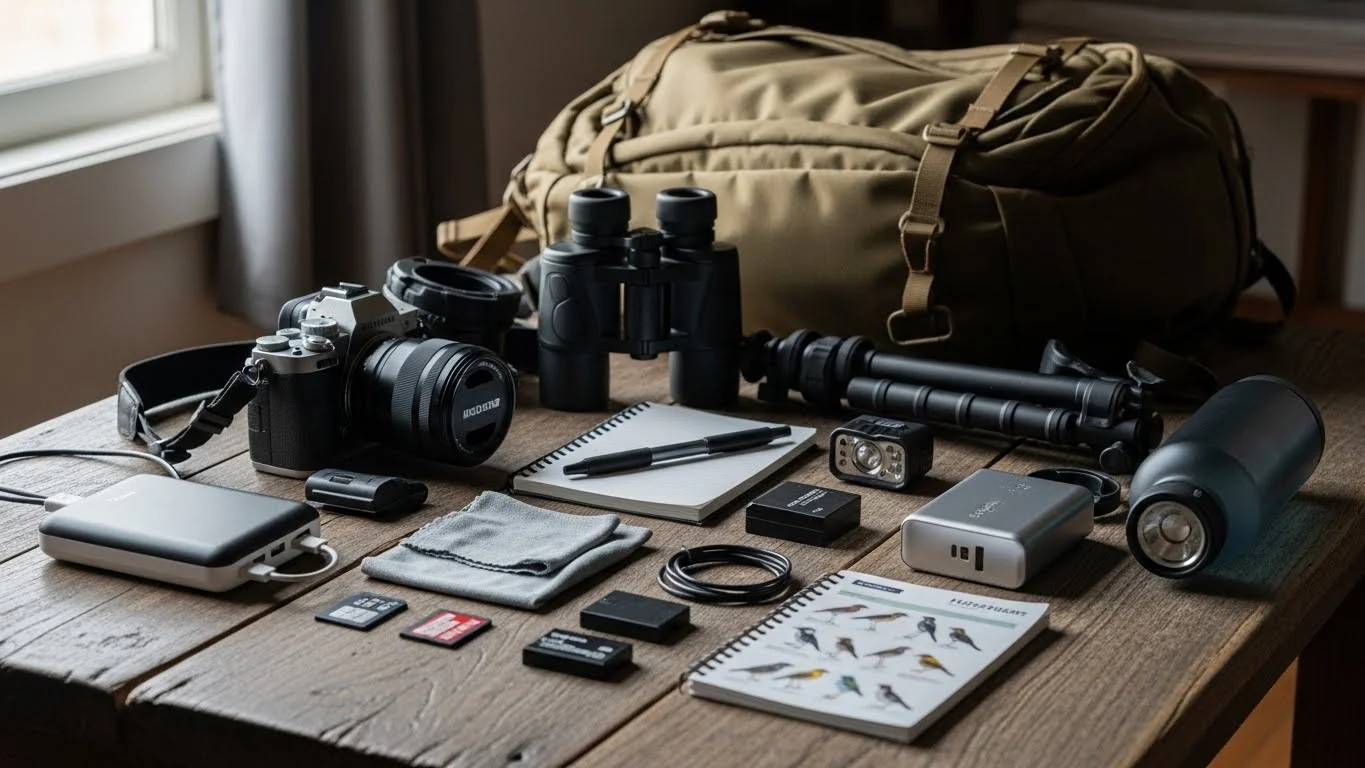
When capturing birds in flight or at a distance, stability is crucial. I can’t tell you how many blurry shots I’ve taken due to a shaky hand! Investing in a good tripod or monopod can help you achieve those sharp images. Look for lightweight options that are easy to carry on long hikes. I personally use a compact tripod that fits perfectly in my backpack and provides the stability I need without adding much weight.
Another option is a gimbal head, which is specifically designed for bird photography. It allows for smooth panning and tilting, making it easier to follow moving subjects. While these can be a bit more of an investment, I’ve found that they’re worth every penny for serious bird watchers.
For those times when you’re on the go and can’t manage a full tripod setup, consider handheld stabilizers. They can help minimize camera shake and are convenient when you need to be more mobile while chasing after birds.
Accessories to Enhance Your Bird Photography
Camera Bags for Backpackers
As I’ve roamed the great outdoors in search of that perfect shot, I’ve learned that a good camera bag is essential. It’s not just about protecting my gear; it’s also about convenience and comfort while I’m hiking through various terrains. I remember my first outing with a flimsy bag that didn’t hold everything securely. Halfway through the day, I was panicking as I felt my lens slipping out. Since then, I’ve made it a priority to invest in a sturdy, lightweight backpack that can carry all my essentials safely.
For bird photographers, I recommend looking for a bag with adjustable compartments. This way, you can customize the interior to fit your camera, lenses, and extra gear. I’ve found bags that even have dedicated sections for water bottles and snacks, which is a lifesaver during long shoots. A padded shoulder strap can make a huge difference too, especially when I’m out for hours. Remember, comfort is key when you’re trying to track down that elusive bird!
Filters and Lens Hoods
Filters might seem like an extra step, but I’ve discovered that they can truly enhance my bird photography. For instance, a polarizing filter can help reduce glare on feathers and water, making colors pop. I remember the first time I used one; the difference was astounding. My images came out richer and more vibrant, capturing the essence of the birds I was photographing.
Lens hoods are another accessory I never leave home without. They protect the lens from stray light and prevent flare, which can ruin an otherwise perfect shot. The added benefit is they also provide a little protection from accidental bumps. I’ve had moments where I bumped my camera against a branch while trying to get low to the ground for a shot. Thankfully, my lens hood took the brunt of that impact.
Memory Cards and Storage Solutions
One thing I’ve learned the hard way is to always have enough memory cards on hand. There’s nothing worse than being in the middle of a perfect bird-watching moment and realizing that you’ve run out of storage. I now carry multiple high-capacity memory cards. I prefer ones with fast write speeds because they help me capture bursts of shots when birds are in action, like during a mating dance or a sudden flight.
Storage solutions are equally important. I often back up my photos immediately after a shoot to ensure they’re safe. I’ve found portable external hard drives to be incredibly useful for this. They’re compact enough to take on my trips, and I can quickly transfer my files from my memory cards to free up space for more photos. I also recommend using cloud storage just in case. It’s comforting to know that my images are backed up in multiple places.
Clothing and Footwear for Bird Photography
Best Clothing Choices for Comfort and Camouflage
When it comes to bird photography, the right clothing can make a significant difference. I remember my first few outings where I wore bright colors, thinking they wouldn’t matter. Little did I know that birds are incredibly sensitive to movement and colors. Now, I opt for neutral tones like greens and browns that help me blend into the environment. It’s amazing how much more wildlife I see now that I’m not standing out like a sore thumb!
Comfort is also key, especially during long hours of waiting for the perfect shot. I typically wear breathable fabrics that wick moisture away, which keeps me comfortable as I wait in the sun or during a cool morning. Layering is essential too; mornings can be chilly while afternoons heat up quickly. A lightweight, long-sleeve shirt and a good pair of cargo pants have become my go-to outfit for birding trips.
Footwear for Various Terrains
Choosing the right footwear is just as crucial as what I wear on my upper body. I’ve trekked through muddy trails, rocky surfaces, and sandy beaches, and the right shoes have made all the difference. I’ve learned that waterproof boots are a lifesaver, especially when I’m near wetlands or during unexpected rain showers.
Comfortable hiking boots or trail shoes with good grip are my favorites. I prefer options that provide ankle support but are still lightweight to avoid fatigue. On days when I’m planning to walk a lot, I’m sure to break them in beforehand to avoid blisters. Trust me, you don’t want to be distracted by sore feet when you’re trying to focus on capturing those winged beauties!
Choosing the Right Locations for Bird Photography
National Parks and Wildlife Reserves
When I think about the best places for bird photography, national parks and wildlife reserves come to mind immediately. I’ve had some of my most memorable experiences in places like Yellowstone and Everglades National Park. These areas are often teeming with bird life, providing a rich backdrop for photography. I remember standing quietly by the water in the Everglades, watching a Great Blue Heron patiently waiting for its next meal. It felt like I was part of a secret world, and having the right location made all the difference.
National parks often have designated birding trails and lookout points, which I find incredibly helpful. I usually check park maps and visitor centers for the best spots to find specific species. Being in a protected area allows the birds to thrive in their natural habitats, and you can often observe them behaving as they would without human interference. It’s a photographer’s paradise, where the scenery complements the subjects beautifully.
Additionally, I’ve learned that many parks have organized bird walks or workshops led by knowledgeable guides. Participating in these can be a great way to learn about local species and their behaviors. If you’re lucky, you might even get tips on where to find elusive birds that are often missed by casual observers. Trust me, having a local guide can save you a lot of time and increase your chances of capturing those breathtaking shots.
Urban Birding Hotspots
Don’t overlook urban areas when planning your bird photography outings! I used to think that cities were devoid of bird life, but I quickly learned otherwise. Parks, gardens, and even rooftops can host a variety of species. I remember one afternoon spent at a local city park where I unexpectedly spotted a pair of Falcons nesting on a building ledge. I was amazed at how adaptable birds can be, thriving even in bustling environments.
Urban birding hotspots often feature unique opportunities for photography. I enjoy visiting places like botanical gardens or waterfronts, which tend to attract different types of birds. These settings can offer striking contrasts between the natural world and man-made structures in the background, creating compelling compositions. I’ve found that the key is to remain patient and observant—urban birds may not be as skittish as their rural counterparts, so you have a chance to get up close and personal.
Another tip I’ve learned is to keep an eye on local birding groups on social media or online forums. They often share sightings, which can lead you to incredible opportunities in your area. I’ve even discovered hidden gems in my city that I never knew existed, simply by following local birders. It’s a great way to connect with others who share your passion and discover new locations!
Budgeting for Bird Photography Gear
Finding Affordable Equipment Options
Setting a budget can be daunting when you’re getting into bird photography. I remember feeling overwhelmed by the sheer amount of gear available and the prices attached to them. However, I’ve learned that with a little research and smart shopping, you can find excellent equipment without emptying your bank account. I recommend starting by identifying your must-have gear and then prioritizing those items.
One of my favorite strategies is to look for seasonal sales or discounts at major retailers. Black Friday and holiday sales often result in significant savings. I’ve snagged quite a few deals during these sales, which allowed me to upgrade my gear while staying within budget. Additionally, subscribing to newsletters from camera manufacturers and retailers can keep you updated on special offers and promotions.
Buying Used vs. New Gear
Buying used gear is a fantastic option if you’re looking to save money. I’ve had great success purchasing used cameras and lenses from reputable sellers. Websites like KEH and B&H Photo have extensive used sections, and I’ve found gear that looks practically brand new at a fraction of the original price. I always make sure to check the return policy and warranty options as well, just in case something isn’t up to par.
Another great avenue is local photography clubs or online marketplaces. Many photographers upgrade their gear regularly and sell their old equipment. I’ve met some amazing people through these groups, and buying directly from someone often gives me a chance to ask questions about the gear’s history. Just be sure to test anything out before purchasing, if possible, to ensure it meets your needs.
Renting Equipment for Special Trips
If I’m planning a special trip, like a visit to a national park renowned for its birding opportunities, renting high-end gear can be a smart choice. I’ve rented lenses that I might not want to buy outright, like an expensive telephoto lens for a week. This way, I get to use top-notch equipment without the commitment of a purchase. Many camera shops offer rental services, and I’ve found that it’s often more affordable than I expected. Just like with buying used gear, I recommend doing your research to find a reputable rental service.
Renting allows you to experiment with different types of gear before making a financial commitment, which has helped me make informed decisions about future purchases. Plus, having that extra reach with a fantastic lens can lead to some incredible shots that I might not have captured otherwise!
Tips for Capturing Great Bird Photos
Understanding Bird Behavior
Understanding the behavior of birds has been one of the most rewarding aspects of my photography journey. I’ve discovered that each species has its own routines and habits, which can be crucial for capturing those stunning images. For example, some birds are most active during dawn or dusk, while others may feed during the day. I often spend time just observing them before I even think about raising my camera. This way, I can learn their patterns, which helps me position myself for the best shots.
One of my favorite moments was watching a group of American Goldfinches flitting back and forth from a sunflower patch. After observing them for a while, I noticed they would pause at the same spots every few minutes. I set up my camera nearby and patiently waited for the perfect moment when they landed, resulting in some of my best shots to date. It’s all about patience and being in tune with your subjects.
Best Times of Day for Bird Photography
Timing can vastly affect the quality of your photos. I’ve found that the golden hours—early morning and late afternoon—are the best times for bird photography. The soft, diffused light during these times adds a magical quality to your images. I usually plan my outings around these hours, and it’s amazing how much difference the lighting can make in the vibrancy of the feathers and the overall mood of the shot.
I remember one particularly early morning when I set out with my camera just as the sun was beginning to rise. The way the light hit the dew on the grass and illuminated the birds was nothing short of breathtaking. I managed to capture an Eastern Bluebird perched on a branch with the golden sun behind it, creating a stunning silhouette. It’s moments like these that remind me why I love bird photography so much.
Composition Techniques for Stunning Shots
Once I’ve got my camera ready and my subject in sight, composition becomes key. I’ve learned a few techniques that have helped me frame my shots beautifully. One of my favorites is the rule of thirds. By positioning the bird off-center, I can create a more dynamic image that draws the viewer’s eye. I also like to include elements from the environment, like branches or flowers, to add interest.
Another aspect I focus on is filling the frame with my subject. Since birds can sometimes be small and distant, getting as close as possible helps to emphasize their details. I often zoom in or crop my images during editing to ensure the bird is the star of the shot. Utilizing natural frames, like tree branches or foliage, can also add depth and context to my photos.
Post-Processing Tips for Bird Photographers
Basic Editing Software for Beginners
Post-processing is a crucial step that I used to overlook, but I quickly realized how much it can enhance my bird photos. I often start with basic editing software like Adobe Lightroom or even free options like GIMP. These tools allow me to adjust exposure, contrast, and sharpness easily. I remember the first time I edited a photo of a Red-tailed Hawk; simply adjusting the brightness and clarity made the details of its feathers pop!
One tip I have is to keep it natural. I try to avoid over-editing, as I want the birds to look as realistic as possible. Subtle adjustments can make a significant impact without losing the essence of the original shot.
Enhancing Your Bird Photos: What to Focus On
While editing, I focus on a few key aspects. First, I pay attention to color balance, making sure the hues of the birds’ feathers are accurate. I also highlight the eyes; a sharp, clear eye can bring a photo to life. I often use the sharpening tool selectively to enhance these areas without affecting the rest of the image.
Finally, I make sure to crop my images to get rid of any distractions around the edges. Clean, simple backgrounds can help the bird stand out, making my photos more striking. This approach has transformed many of my images from just good to truly amazing.
Final Thoughts
Bird photography has become more than just a hobby for me; it’s a passion that continually inspires and challenges me. Through my experiences, I’ve learned that with the right approach, anyone can capture stunning images without needing to invest in the most expensive gear. It’s all about understanding the birds, being patient, and making the most of the tools and techniques at your disposal.
As you embark on your own bird photography journey, I encourage you to embrace the process. Remember to enjoy the moments in nature, whether you’re waiting for that perfect shot or simply soaking in the sights and sounds around you. With time and practice, I believe you’ll find your own unique style and voice in this beautiful art form.
Happy birding and shooting!
Frequently Asked Questions
What is bird photography?
Bird photography is an art form that involves capturing images of birds, requiring patience, knowledge, and a keen eye. It encompasses documenting their beauty, behavior, and the environments they inhabit.
What types of cameras are recommended for bird photography on a budget?
For those on a budget, mirrorless cameras like the Canon EOS M50 and Nikon Z50 are recommended due to their lightweight and compact design. Entry-level DSLRs such as the Canon EOS Rebel and Nikon D3500 are also good options, offering user-friendly features and various lenses suitable for bird photography.
Why is a good lens important for bird photography?
A good lens is crucial for bird photography because a longer lens allows you to capture birds from a distance without disturbing them. Telephoto lenses are ideal, and budget options from brands like Tamron and Sigma, such as the Tamron 150-600mm lens, are recommended for their quality and affordability.
What accessories can enhance bird photography?
Essential accessories include tripods or monopods for stability, camera bags for convenience, filters to reduce glare and enhance colors, and lens hoods for protection from stray light. Memory cards and storage solutions are also important to ensure you have enough space for capturing images.
What clothing is recommended for bird photographers?
Bird photographers should wear neutral-toned clothing, such as greens and browns, to blend into the environment. Breathable fabrics and layers are also important for comfort during long hours of waiting for the perfect shot.
Where are the best locations for bird photography?
National parks and wildlife reserves, such as Yellowstone and Everglades National Park, are excellent locations for bird photography. Urban areas, parks, and gardens can also serve as hotspots for various bird species.
How can one save money on bird photography gear?
To save money, consider buying used or refurbished gear from reputable sellers. Look for seasonal sales and discounts, and prioritize essential equipment to avoid overspending. Renting gear for special trips can also be an affordable option.
What are some tips for capturing great bird photos?
Understanding bird behavior is key to capturing great photos. Observing their patterns, timing your outings during the golden hours of early morning and late afternoon, and applying composition techniques like the rule of thirds can significantly improve your photography.
What basic editing software is recommended for beginners?
Beginners can use basic editing software like Adobe Lightroom or free options like GIMP to enhance their bird photos. These tools allow for adjustments in exposure, contrast, and sharpness without over-editing the images.
What should photographers focus on when editing their bird photos?
When editing bird photos, focus on color balance, highlighting the eyes for liveliness, and cropping out distractions. Clean backgrounds can help make the bird stand out, enhancing the overall impact of the image.