
Winter hiking can be an exhilarating adventure filled with stunning landscapes and serene trails. With the right gear, you can explore the beauty of winter without breaking the bank. If you’re looking for some great trails, check out Top 10 Budget Winter Hiking Trails for Adventurers.
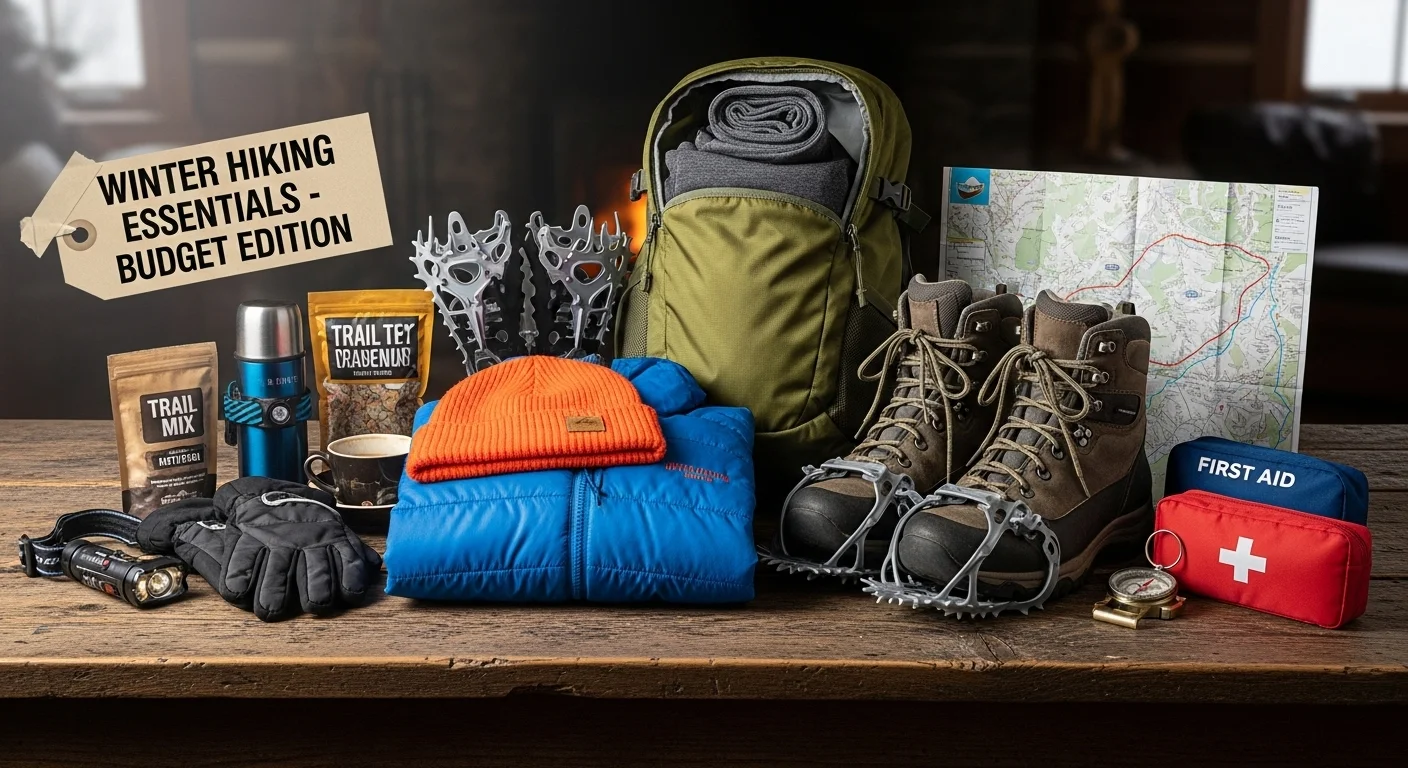
Understanding Winter Hiking
What is Winter Hiking?
Winter hiking is exactly what it sounds like—hiking during the colder months when snow blankets the ground and the air is crisp. I remember my first winter hike; I was mesmerized by how the scenery transformed. Trees draped in white, the crunch of snow underfoot, and the sheer quietness of nature made for an unparalleled experience. Winter hiking can range from leisurely strolls on packed trails to more challenging treks through snow-covered terrains. Whatever your preference, it’s an adventure worth trying.
Benefits of Winter Hiking
Let’s talk about why you might want to trade in your summer hiking boots for some insulated ones come winter. For me, winter hiking offers a unique opportunity to connect with nature in a way that summer simply doesn’t. The trails are less crowded, providing a sense of solitude that is rejuvenating. Plus, the cold air is incredibly refreshing, and you get a good workout navigating through snow. I’ve found that winter hiking helps to boost my mood and gives me a sense of accomplishment, especially when I reach a viewpoint that is even more breathtaking with a backdrop of snow.
Safety Considerations for Cold Weather
While winter hiking is rewarding, it does come with its challenges. Safety should always be a priority. I’ve learned that preparation is key to a successful winter hike. Dressing in layers, staying hydrated, and monitoring weather conditions can make all the difference. Cold weather can be unforgiving, so I always check the forecast before heading out. Learning to recognize signs of frostbite or hypothermia can also be lifesaving. I remember a trip where I felt a chill creeping in; it was a cue for me to head back and warm up before it got serious.
Essential Gear for Winter Hiking
Clothing Layering System
When it comes to winter hiking gear, your clothing is your first line of defense against the cold. I can’t stress enough the importance of a good layering system. Layering allows you to regulate your body temperature effectively. I’ve made the mistake of dressing too warmly before, leading to overheating and discomfort. Here’s how I break it down:
Base Layer: Moisture-Wicking Fabrics
Your base layer is crucial because it keeps sweat away from your skin. I prefer moisture-wicking fabrics like merino wool or synthetic materials. They keep me dry and warm without feeling bulky. I’ve personally found that cotton is a big no-no in winter; it retains moisture and can make you feel cold and clammy.
Insulation Layer: Fleece and Down Options
The insulation layer provides warmth. Fleece is a great lightweight option that I often choose for its breathability and comfort. On colder days, I opt for down jackets, which are lightweight yet incredibly warm. I remember one hike where the temperatures dropped unexpectedly; my down jacket saved me from feeling like a popsicle!
Outer Layer: Waterproof and Windproof Jackets
The outer layer protects you from wind and moisture. I always carry a good waterproof and windproof jacket. There have been times when weather conditions changed rapidly, and having this protective layer made all the difference. I recommend looking for jackets with adjustable hoods and cuffs to seal in warmth and keep out the wind.
Footwear for Winter Hiking
Footwear is just as important as clothing, especially when hiking on snow and ice. I’ve learned that investing in the right pair of boots is essential for comfort and safety.
Insulated Hiking Boots
Insulated hiking boots help keep my feet warm and dry. I look for boots with good traction and waterproofing. A few seasons ago, I purchased a pair that had both, and they’ve been a game-changer. I remember hiking on a particularly icy trail; my insulated boots allowed me to navigate without slipping constantly.
Winter Socks: Materials and Thickness
Winter socks are another vital part of the equation. I prefer thick, wool socks that provide warmth while wicking away moisture. I’ve experimented with different materials, and wool has consistently been my favorite. It’s amazing how a good pair of socks can elevate your hiking experience.
Crampons and Microspikes for Traction
When it comes to icy trails, crampons or microspikes are lifesavers. I can’t tell you how many times I’ve been grateful for my microspikes. They slip easily onto my boots and provide the grip I need on slippery surfaces. On one hike, I saw others struggling without them, and I felt lucky to have taken that small yet critical step in my gear preparation.
Accessories to Keep You Warm
Lastly, don’t forget about accessories! They can make a significant difference in your comfort level during a hike.
Winter Hats and Beanies
A good winter hat is essential. I’ve found that a beanie that covers my ears offers the best protection from the wind. It’s surprising how much heat escapes from your head, so I always make sure to pack one.
Gloves and Mittens: Which is Better?
I’ve had my fair share of cold fingers, so I’ve experimented with both gloves and mittens. I prefer mittens for their warmth, but gloves offer better dexterity. On particularly cold hikes, I layer lightweight gloves under my mittens for extra warmth.
Scarves and Neck Gaiters
Finally, a warm scarf or neck gaiter can help protect your neck from the biting cold. I remember one hike where the wind picked up, and having my neck gaiter ready made a world of difference.
Essential Gear for Winter Hiking
Backpack Essentials
When heading out for a winter hike, having the right backpack is essential. I’ve found that carrying the right gear can make my experience more comfortable and enjoyable. It’s not just about what I wear; it’s also about what I pack.
Daypack vs. Backpacking Packs
The first step is deciding between a daypack and a larger backpacking pack. For shorter winter hikes, a daypack usually suffices. I personally lean toward a pack with a capacity of 20-30 liters, which is perfect for holding my essentials without being bulky. On longer trips, however, I opt for a full backpacking pack, which allows me to carry extra layers, food, and gear. I find that it’s essential to choose a pack that’s comfortable and has adjustable straps to avoid strain during the hike.
Hydration Systems: Insulated Water Bottles
Staying hydrated is crucial, especially in cold weather. Cold air can be dehydrating, and I’ve learned that sipping water frequently helps keep my energy up. I recommend using insulated water bottles. I’ve tried several, and the ones that keep my water from freezing are a lifesaver. I remember a hike where I took a regular bottle, and by the time I reached the summit, it was just a block of ice! Having a sturdy thermos allows me to enjoy warm drinks, which can be delightful on a chilly day.
Food and Snacks for Energy
Winter hiking can be surprisingly demanding, so I always pack snacks to keep my energy levels up. I generally go for calorie-dense foods like trail mix, energy bars, or jerky. I’ve found that having something warm to eat, like a thermos of soup or hot cocoa, makes a world of difference during a break. On one hike, I shared some hot cocoa with friends at a viewpoint, and it turned into one of my favorite memories of the trip. Those little moments can really elevate the experience! If you’re interested in budget-friendly options, check out Budget-Friendly Coastal Hikes: Explore Nature on a Dime.
Budget-Friendly Gear Options
Buying vs. Renting Gear
If you’re just starting with winter hiking or trying it out for the first time, you might be wondering whether to buy or rent gear. Personally, I’ve done both. Renting is a great option if you want to test out different types of gear before making a purchase. I remember renting insulated boots and a snow jacket for my first winter hike, which helped me figure out what I liked without a big upfront cost. Over time, I’ve invested in my own gear, focusing on pieces that I know I’ll use repeatedly.
Where to Find Affordable Winter Hiking Gear
Thrift Stores and Second-Hand Shops
One of my favorite places to look for affordable winter hiking gear is thrift stores and second-hand shops. I’ve stumbled upon some amazing finds, like a barely-used down jacket and a sturdy pair of hiking pants, all at a fraction of the retail price. It’s also a sustainable option, which feels good to me. If you take the time to sift through, you might be surprised at what you can find.
Online Marketplaces and Discount Retailers
Online marketplaces can also be a goldmine. I often check sites like eBay and Facebook Marketplace for gently-used gear. Sometimes, I even find last season’s stock at discount retailers. I’ve found that patience is key; waiting for sales or checking regularly can yield great deals. I managed to snag a high-quality winter jacket one year at nearly half off because I kept an eye on the sales! Additionally, if you’re a budget backpacker, you might want to explore Top 10 Coastal Hiking Trails for Budget Backpackers.
DIY Gear Solutions
Homemade Hand Warmers
For those who love a good DIY project, making your own hand warmers can be a fun and functional solution. I’ve made a few using rice and fabric. Just fill small fabric pouches with rice, sew them shut, and pop them in the microwave for a minute before heading out. They provide a cozy warmth in my pockets and are reusable, which I love. It’s a simple way to keep my hands warm without spending extra money on commercial products.
Repurposing Old Gear for Winter Use
Another way to save some cash is to repurpose old gear. I’ve transformed an old fleece jacket into a warm neck gaiter and used old ski socks as liners for my hiking boots. It’s amazing how a little creativity can breathe new life into items that might otherwise be discarded. Plus, it feels rewarding to find practical uses for things I already own.
Planning Your Winter Hiking Trip
Choosing the Right Trail
Choosing the right trail for winter hiking can make or break your experience. I’ve learned that not all trails are suitable for winter conditions. Some might be prone to avalanches, while others may have hidden obstacles under the snow. When I first started winter hiking, I opted for a familiar trail I loved during the summer months. This choice made me feel more comfortable, but I soon realized that I needed to do my homework for winter conditions. I recommend checking local hiking forums or websites that provide information about trail conditions during winter. I usually look for trails that are marked for winter use, as these tend to be better maintained.
Weather Considerations
Weather can change rapidly in winter, and it’s something I always keep in mind when planning my hikes. I’ve been caught off guard by unexpected snowstorms or dropping temperatures, and trust me, that’s not a fun experience. Before heading out, I check the forecast multiple times and make sure to note any weather warnings. I also carry a small weather radio or use an app on my phone to stay updated while I’m on the trail. It helps me feel more secure, knowing I can make informed decisions if conditions worsen.
Winter Hiking Etiquette
When we’re out in nature, it’s important to respect both the environment and other hikers. I’ve noticed that winter hiking can bring out a different kind of camaraderie among hikers. We tend to share tips and greetings more than in warmer months. However, it’s essential to follow good etiquette. For example, if I’m hiking on a narrow trail, I always step aside to let others pass, especially if they’re heading uphill. I also make sure to pack out all my trash, and I try to leave no trace. It’s about preserving the beauty of winter hiking for everyone.
Group vs. Solo Hiking: Pros and Cons
Deciding whether to hike alone or with a group is something I pondered before each trip. There are pros and cons to both, and my choice often depends on the trail and my mood. Hiking with a group can be incredibly fun. I’ve enjoyed many hikes with friends where we shared snacks, laughter, and stories, which made the journey even more enjoyable. However, I also appreciate solo hikes for the peace and solitude they offer. I find that being alone in nature allows me to connect with my thoughts and the environment on a deeper level. On the flip side, I know that winter hiking can be riskier alone, especially if something goes wrong. So, if I decide to hike solo, I always inform someone about my plans and expected return time.
Staying Safe on the Trail
Essential Safety Gear
Safety gear is a must-have for winter hiking. Over the years, I’ve learned to pack a few essentials that have kept me safe and prepared. First and foremost is a first aid kit specifically tailored for winter conditions. I’ve had my fair share of scrapes and bruises, and having the right supplies on hand has always been reassuring.
First Aid Kits for Winter Hiking
When I put together my first aid kit, I made sure to include items like adhesive bandages, antiseptic wipes, gauze, and pain relievers. I also added some emergency items like instant cold packs and space blankets. I remember one hike where my friend twisted her ankle, and having that kit allowed us to address the situation on the spot. It’s a small investment that can make a big difference.
Navigation Tools: Maps and GPS Devices
Another essential I never hike without is a reliable navigation tool. I used to rely solely on my phone, but I learned the hard way that batteries can die in the cold. Now I always carry a physical map of the area and a compass. I also use a GPS device, but I make sure to have a backup. I’ve found that taking the time to plan my route and familiarize myself with the map before hitting the trail helps me feel more confident. Plus, it’s a nice way to absorb the beauty of the landscape before stepping into it!
Recognizing and Avoiding Hazards
Winter hiking presents unique hazards that I’ve come to recognize. Being aware of these can help me stay safe and enjoy the experience. One of the biggest dangers is frostbite and hypothermia. I’ve learned to be attentive to signs of these conditions, especially when the temperature drops unexpectedly.
Frostbite and Hypothermia Symptoms
Frostbite can sneak up on you, especially on exposed skin. I remember feeling a tingling sensation on my fingers during one particularly cold hike, which was my cue to warm up. Hypothermia, on the other hand, is more insidious. I’ve read that symptoms include shivering, confusion, and drowsiness. It’s crucial to be mindful of these signs, especially when hiking in remote areas.
Ice and Snow Hazards
In addition to cold-related risks, ice and snow can create treacherous conditions. I’ve experienced times when I underestimated a steep, icy slope, which made my descent quite perilous. Now, I always assess trail conditions and avoid areas that look too risky. Using trekking poles has also helped me maintain balance on slippery terrain.
Post-Hike Care and Maintenance
Caring for Your Gear After Winter Hiking
Once I’m back from a winter hike, I make it a point to care for my gear properly. I’ve learned that how I treat my gear after a hike can extend its life significantly. For example, I always dry out my boots and clean them thoroughly to prevent salt or dirt buildup. I’ve made the mistake of putting muddy boots away without cleaning them, and it led to some unpleasant odors! Now, I wipe them down and let them air dry before storing them.
Post-Hike Recovery Tips
After a day of winter hiking, my body often craves recovery. I make sure to hydrate and refuel with a hearty meal. I’ve found that stretching helps alleviate soreness, and I often take a warm bath to relax my muscles. These simple practices have made a noticeable difference in how I feel the next day, allowing me to hit the trails again with enthusiasm. I think that taking care of myself post-hike is just as important as the preparation leading up to it.
Frequently Asked Questions
What is winter hiking?
Winter hiking is hiking during the colder months when snow blankets the ground and the air is crisp. It can range from leisurely strolls on packed trails to more challenging treks through snow-covered terrains.
What are the benefits of winter hiking?
Winter hiking offers a unique opportunity to connect with nature, as the trails are less crowded, providing a sense of solitude. The cold air is refreshing, and it serves as a good workout navigating through snow, which can boost mood and provide a sense of accomplishment.
What should I wear for winter hiking?
A good layering system is essential for winter hiking. This includes a base layer made of moisture-wicking fabrics, an insulation layer such as fleece or down, and an outer layer that is waterproof and windproof.
What type of footwear is recommended for winter hiking?
Insulated hiking boots are recommended to keep feet warm and dry, along with good traction and waterproofing. Thick, wool winter socks are also vital for warmth and moisture-wicking.
What accessories should I bring for warmth during a winter hike?
Essential accessories for warmth include winter hats or beanies, gloves or mittens, and scarves or neck gaiters. These items help protect against the cold and retain body heat.
How can I stay hydrated while winter hiking?
It is crucial to stay hydrated in cold weather, so using insulated water bottles is recommended to prevent water from freezing. Frequent sipping of water helps maintain energy levels.
What should I pack in my backpack for a winter hike?
For winter hikes, it’s important to pack essentials such as food and snacks for energy, a first aid kit, navigation tools (maps and GPS), and appropriate clothing layers.
What safety considerations should I keep in mind for winter hiking?
Safety considerations include dressing in layers, staying hydrated, monitoring weather conditions, and being aware of signs of frostbite and hypothermia. It’s also important to carry essential safety gear.
How can I find affordable winter hiking gear?
Affordable winter hiking gear can be found at thrift stores, second-hand shops, online marketplaces, and discount retailers. Renting gear is also an option for beginners.
What should I do after a winter hike to care for my gear?
After a winter hike, it’s important to care for your gear by drying and cleaning boots to prevent dirt buildup. Hydrating and refueling with a hearty meal, along with stretching, can help with post-hike recovery.