
Embarking on a mountain trekking adventure doesn’t have to break the bank! With the right gear and a bit of planning, we can explore the great outdoors without spending a fortune. For inspiration, check out our Top 10 Budget-Friendly Mountain Trekking Destinations.
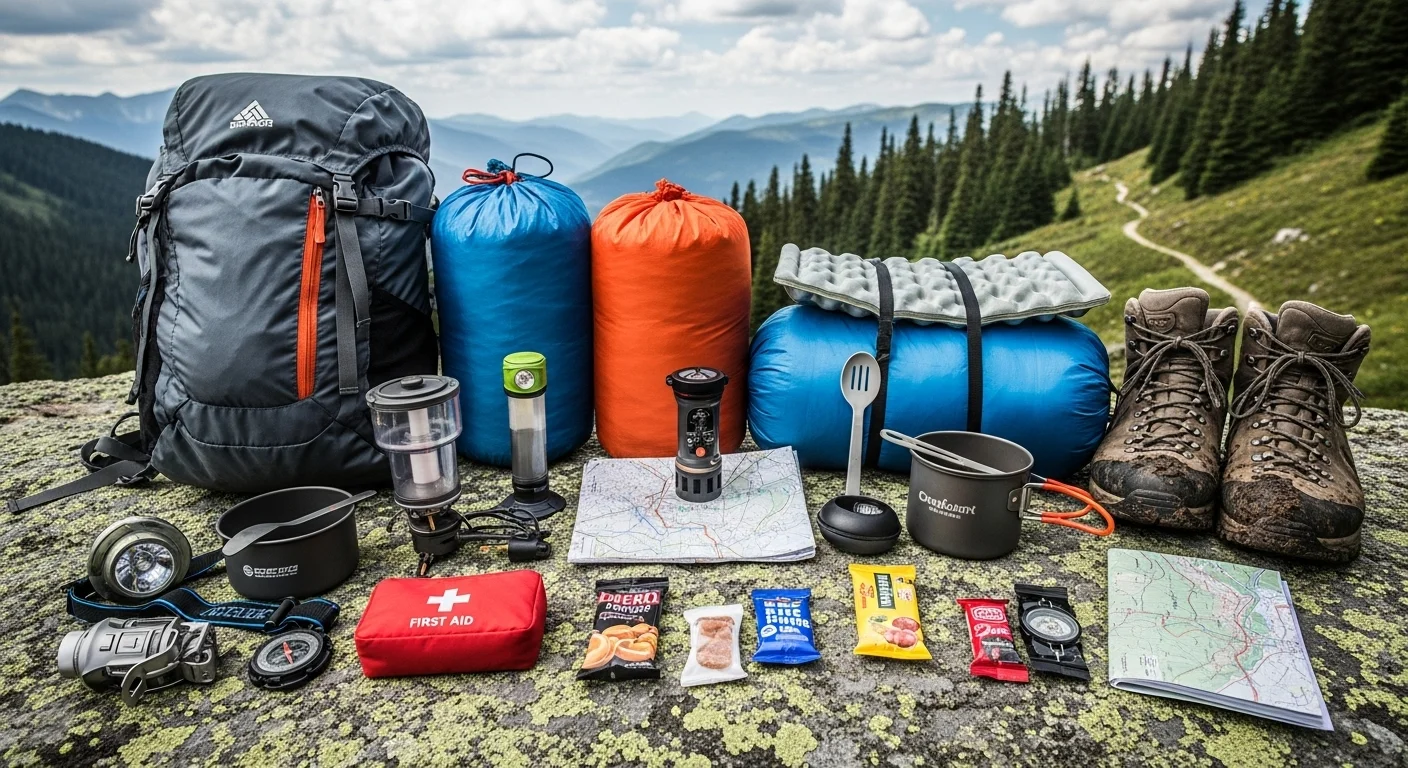
Understanding Budget Mountain Trekking
What is Mountain Trekking?
Mountain trekking is more than just hiking; it’s a full-blown adventure that allows us to immerse ourselves in nature while challenging our physical limits. I remember my first trek—a breathtaking journey through rugged terrains and stunning landscapes. It’s about exploring trails, conquering peaks, and experiencing the thrill of the wild. While it’s often associated with hefty price tags, budget mountain trekking opens up opportunities for everyone to enjoy the beauty of the mountains without emptying our wallets.
Benefits of Budget Trekking
Budget trekking has so many perks! First, it allows us to experience the joys of nature without financial stress. I’ve found that when I’m not worried about my expenses, I can focus more on the journey and the breathtaking views. Plus, trekking on a budget often leads us to discover hidden gems—less popular trails where we can immerse ourselves in solitude and peace away from the crowded paths. For more hidden gems, be sure to explore our Top 10 Budget-Friendly Mountain Trekking Destinations.
There’s also a sense of empowerment that comes with being resourceful. I’ve learned to find great deals and make the most of what I have, which not only enhances my outdoor skills but also builds confidence. And let’s not forget the stories we gather along the way; every trek brings new experiences and new friends, making our adventures even more special.
Key Considerations for Budget Trekking
Before we hit the trails, there are a few key considerations to keep in mind. First, understanding our physical limits is vital. I remember overestimating my abilities on a particularly challenging trail, which taught me the importance of knowing my fitness level. Selecting the right trail can make or break our experience, especially when on a budget. Opt for trails that match our skill level to ensure we enjoy rather than endure the trek.
Next, planning is crucial. From transportation costs to accommodation options, every little detail adds up. I always make a checklist to keep track of what I need and to avoid last-minute purchases that can be pricier. I’ve also discovered that camping or staying in budget lodges can significantly reduce overall costs. Lastly, being flexible with our travel dates can lead to cheaper options, whether it’s for gear rentals or accommodation.
Essential Gear for Budget Mountain Trekking
Footwear
Best Budget Hiking Boots
When it comes to trekking, having the right footwear can make all the difference. I’ve learned the hard way that blisters and sore feet can ruin an otherwise perfect adventure. So, investing in a good pair of budget hiking boots is essential. Brands like Merrell and Columbia offer reliable boots at a fraction of the price of high-end brands. I found a pair of Merrell Moab 2s on sale and they’ve become my go-to for all my treks.
Alternative Options: Trail Runners vs. Hiking Shoes
If you’re looking for something lighter, trail runners can be a great alternative. I used to think they weren’t sturdy enough for rough terrains, but after trying them out, I was pleasantly surprised. They’re lightweight, breathable, and perfect for those who prefer speed and agility on the trails. On the other hand, hiking shoes can provide more ankle support. It’s all about what feels right for you. For me, it depends on the type of terrain I’ll be navigating.
Backpacks
Choosing the Right Size for Your Trek
Finding the right backpack is key to a comfortable trek. I’ve gone through several sizes and eventually settled on a 50-liter pack for weekend hikes. It’s spacious enough for all my essentials without being too bulky. When selecting a backpack, consider the length of your trek. A day hike may only require a smaller pack, while longer excursions might need something more substantial.
Features to Look for in a Budget Backpack
When it comes to features, look for padded straps for comfort, breathable back panels to reduce sweating, and plenty of pockets for organization. I remember finding a budget-friendly option that checked all these boxes and it made all the difference on my treks. A good backpack should feel like an extension of yourself—light and easy to carry.
Clothing
Layering Basics: Base, Insulation, and Shell Layers
Clothing is another essential aspect of trekking. I’ve learned that layering is the way to go. A good base layer wicks moisture, while insulation keeps us warm, and a shell layer protects against wind and rain. On my trips, I often rely on lightweight and quick-drying fabrics. I’ve found thrift stores to be treasure troves for budget-friendly outdoor clothing.
Recommended Budget Brands for Trekking Clothing
Brands like REI Co-op and Patagonia offer great options that won’t break the bank. I’ve had my eye on some of their clearance items which provide quality without the hefty price tag. Plus, many brands have sales at the end of the season, so keeping an eye out can save us a few bucks.
Camping Gear
Budget Tents: What to Consider
For camping gear, I think a good tent is non-negotiable. I’ve camped in both high-end and budget tents, and I can confidently say that a decent budget tent will serve you well if you take care of it. Look for features like waterproofing and good ventilation. I bought a two-person tent that was both affordable and easy to set up, which made my camping experience much more enjoyable.
Sleeping Bags and Pads for Comfort on a Budget
Sleeping bags and pads are also crucial for a good night’s sleep in the wilderness. I always look for lightweight options that pack down small. I’ve found that synthetic sleeping bags are often cheaper and still keep us warm, even when damp. A decent sleeping pad can add that extra layer of comfort, and I recommend checking out brands like Teton Sports for budget-friendly options.
Navigational Tools
Maps vs. GPS: Which is More Budget-Friendly?
Navigational tools are essential for any trekker. I initially relied on GPS apps on my phone, but I’ve learned the importance of carrying a physical map as a backup. Maps are often free at trailheads, and I find them refreshing to use. They give me a better sense of the terrain and layout than a screen can provide.
Essential Apps for Outdoor Navigation
If you prefer tech, there are plenty of free or low-cost apps available for offline navigation. I’ve had great experiences with apps like AllTrails and Gaia GPS. They help track your route and offer useful information about the area you’re exploring.
Cooking Equipment
Budget-Friendly Camping Stoves
When it comes to cooking gear, a lightweight camping stove is a must. I’ve tried several brands, but I always come back to my simple, budget-friendly camp stove that runs on canister fuel. It heats up quickly and is easy to pack. Plus, it’s affordable, which is a win in my book!
Cooking Gear: Essentials for Cooking on the Trail
Keep cooking gear minimal. A lightweight pot, a spatula, and a couple of utensils are often all we need. I’ve learned to cook simple meals on the trail, like oatmeal for breakfast or dehydrated meals for dinner. They’re easy to prepare and satisfying after a long day of trekking.
Hydration Solutions
Choosing the Right Water Bottles and Filters
Hydration is key. I always carry a reusable water bottle, which is not only budget-friendly but also environmentally conscious. For longer treks, I use a water filter bottle or pump to treat water from streams. I’ve found that the LifeStraw or Sawyer Mini are reliable options that won’t hurt our wallets.
Budget Hydration Packs: Pros and Cons
Hydration packs can be convenient for day hikes or long treks. I’ve used one that holds water and has pockets for snacks and essentials. The downside is they can be pricier, but I think they’re worth it for comfort on the trail. Choosing the right option depends on our preferences and trekking style.
Safety Gear
First Aid Kits: What to Include
Safety gear is something I never overlook. A good first aid kit is essential, and I always customize mine with the basics: band-aids, antiseptic wipes, pain relievers, and any personal medications. I’ve built my kit over time, finding budget-friendly options that have everything I need.
Emergency Gear: Budget Options for Safety
In addition to a first aid kit, consider other safety items like a whistle, a flashlight, and a firestarter. I remember getting a multi-tool that serves multiple purposes on my treks, and it was affordable too! Having the right safety gear gives me peace of mind on the trails.
Budgeting for Your Trek
Cost Breakdown: Essential Gear vs. Luxury Items
When I first started trekking, I had no idea how to budget for my adventures. It felt overwhelming to think about all the gear I might need, so I decided to break it down into essential items and those that could be considered luxury. Essentials like sturdy footwear, a reliable backpack, and a good sleeping bag are non-negotiables. These items are worth investing in because they directly impact our comfort and safety on the trail. I remember feeling the difference when I upgraded my sleeping bag; I actually got a good night’s sleep for once!
On the flip side, luxury items might include high-tech gadgets, expensive clothing, or fancy cooking equipment. While they can enhance the experience, they aren’t necessary for a successful trek. I’ve found that many of my best experiences came from simplicity—just me, my backpack, and the beautiful outdoors. Prioritizing what’s truly essential can save us a lot of money and keep our packs light.
Tips for Saving Money on Gear
Saving money on gear is something I’ve become quite good at over the years. One of my favorite tips is to keep an eye on sales and clearance events. I often browse through outdoor retail websites or visit local shops during off-seasons to snag great deals. I remember scoring an amazing tent for half the price just because it was last season’s model. It’s still my favorite camping companion!
Another great way to save is by borrowing or renting gear. Many outdoor shops offer rentals for items like tents, backpacks, and even specialized equipment. It’s a fantastic option if you’re just starting or if you’re planning a trip that requires gear you won’t use often. I once borrowed a pair of trekking poles from a friend and ended up loving them. They were a game-changer for my knees on steep descents, and I eventually invested in my own pair.
Thrift stores and online marketplaces are also treasure troves for budget gear. I’ve found lightly used clothing and equipment that are still in great condition. It can be a fun adventure to hunt for hidden gems, and it feels good to recycle as well.
Where to Buy: Best Budget Gear Retailers
Finding the right retailers can make a big difference in our budgeting journey. I tend to gravitate toward stores like REI, which often have sales and a used gear section. Their return policy is also generous, which gives me peace of mind when trying out new items. I’ve walked out of their store with fantastic deals more times than I can count.
Online retailers like Amazon or Backcountry can also offer competitive prices, especially when looking for discounted items. However, I always check the reviews before purchasing anything—it’s important to know what I’m getting! And don’t forget about local outdoor shops; they can provide valuable advice and sometimes have sales that aren’t advertised online.
For me, it’s also about supporting small businesses. I love visiting local stores when I travel. Not only do they often have unique items, but they also provide an opportunity to connect with fellow outdoor enthusiasts. Plus, the staff usually knows the local trails, which can be super helpful for our planning.
Planning Your Trekking Adventure
Choosing the Right Trail
When planning a trek, choosing the right trail is key. I remember feeling a rush of excitement when I discovered trails that suited my skill level and interests. Sites like AllTrails or local hiking forums can provide invaluable information about trail conditions, difficulty levels, and scenic highlights. I often look for trails that offer a variety of landscapes, such as mountains, lakes, and forests; it keeps the experience fresh and invigorating.
For me, it’s essential to consider not just the trail’s difficulty but also the length and elevation gain. I’ve learned to start with shorter hikes that have moderate elevation to build my stamina. It’s important to be realistic about what I can handle, especially if I’m trekking with friends who may not have the same experience level. Making sure everyone is comfortable and happy is part of planning a successful adventure.
Understanding Weather Conditions
Weather can make or break a trek, so I always check the forecast before heading out. I’ve been caught in unexpected rainstorms, and trust me, it’s not fun! I usually look for apps that provide detailed weather reports, including temperature, precipitation, and wind conditions. These help me prepare better and pack accordingly. If the forecast looks sketchy, I might choose a different trail or postpone my trip. I’d much rather hike in pleasant weather than fight through rain or snow.
Permits and Regulations: What You Need to Know
Some trails require permits or have specific regulations to follow, so it’s crucial to do a little research ahead of time. I learned this the hard way when I showed up at a popular national park trailhead, only to find out that permits were required and I hadn’t secured one. It was a bummer! Now, I always check the local park’s website or contact their office to understand the rules. Some areas have restrictions on group sizes or require specific camping practices to protect the environment.
Being aware of these regulations not only keeps us within the law but helps preserve the beauty of the trails for future hikers. I think we all want our favorite spots to stay pristine, so it’s our responsibility to follow the rules. It’s all part of being a good steward of the outdoors.
Preparing for Your Trekking Adventure
Physical Preparation: Training Tips
As I got more into trekking, I quickly realized that physical preparation is just as important as having the right gear. I remember my first long trek; I was so excited but completely unprepared. By the end of the first day, I was exhausted and regretted not training beforehand. I learned that building endurance is key. I started incorporating regular hikes into my routine, gradually increasing the distance and elevation to simulate what I’d face on the trails.
Strength training also became part of my regimen. I focused on core exercises, leg workouts, and flexibility training. Simple things like squats, lunges, and planks made a noticeable difference in my stability and overall stamina. I also found that practicing hiking with my loaded backpack helped me adjust to carrying weight, which is crucial for comfort during treks.
Moreover, I recommend listening to your body. If you feel fatigued, it’s okay to take a break or adjust your training plan. I’ve learned that rest days are just as vital as workout days. They help my muscles recover and keep me motivated. Finding a hiking buddy can also make training more enjoyable; I’ve had some great conversations and laughs while preparing for our adventures together.
Pack Smart: How to Optimize Your Gear
Packing efficiently is an art I’ve mastered over time. I used to throw everything into my backpack without much thought, which led to uncomfortable treks. Now, I focus on packing smart. I always start by making a list of essentials and then prioritize my gear based on the trek duration and conditions.
One trick I discovered is to use packing cubes or compression bags. They help organize my gear and save space, making it easier to find what I need without digging through my entire pack. I also learned to pack heavier items close to my back and lighter items towards the top. This balance keeps my center of gravity aligned, which is crucial for maintaining stability on rough terrains.
I remember a trek where I packed a little too much food, thinking I’d get hungry. I ended up carrying extra weight that I didn’t need! Now, I pack lightweight, high-energy snacks like nuts, granola bars, and dried fruit. They keep me fueled without adding too much bulk. It’s all about being mindful and adjusting my packing strategy based on the specifics of each trek.
Leave No Trace Principles
As I’ve spent more time in nature, the importance of leaving no trace has really hit home for me. I believe it’s our responsibility to protect the beautiful places we explore. I remember being on a trail that was littered with trash, and it made me sad to see such a beautiful environment being disrespected. Since then, I’ve committed to following the Leave No Trace principles on every trek.
The first step is planning ahead. I always make sure to bring enough supplies, so I’m not tempted to leave trash behind. I’ve gotten into the habit of packing out everything I bring in—this includes food wrappers, leftover gear, and anything else. I also try to stick to established trails and campsites to minimize my impact on the surrounding environment.
Moreover, I’ve learned the importance of being respectful toward wildlife. I keep my distance and never feed animals, as this can disrupt their natural behaviors. Sharing the trail with others requires kindness too. I always greet fellow hikers and step aside to let faster trekkers pass. It cultivates a sense of community that I cherish.
In my experience, practicing these principles not only enhances my adventures but also ensures that future generations can enjoy the same beautiful landscapes. It’s a rewarding feeling to know I’m doing my part to preserve the outdoors.
Frequently Asked Questions
What is mountain trekking?
Mountain trekking is a full-blown adventure that allows individuals to immerse themselves in nature while challenging their physical limits. It involves exploring trails, conquering peaks, and experiencing the thrill of the wild, all while making it accessible through budget trekking options.
What are the benefits of budget trekking?
Budget trekking allows individuals to experience nature without financial stress, discover hidden gems, and feel empowered by being resourceful. It enhances outdoor skills, builds confidence, and results in memorable stories and friendships along the way.
What should I consider before going on a budget trek?
Key considerations include understanding your physical limits, selecting the right trail that matches your skill level, effective planning for transportation and accommodation, and being flexible with travel dates to find cheaper options.
What type of footwear is recommended for budget mountain trekking?
Budget hiking boots are essential, with brands like Merrell and Columbia offering reliable options at lower prices. Alternatives like trail runners can be lighter and suitable for speed, while hiking shoes provide more ankle support, depending on the terrain.
How can I save money on trekking gear?
To save money on gear, watch for sales and clearance events, consider borrowing or renting equipment, and check thrift stores or online marketplaces for lightly used items. This approach can help you find quality gear at a fraction of the price.
What are essential safety gear items for trekking?
Essential safety gear includes a first aid kit with band-aids, antiseptic wipes, pain relievers, and personal medications. Additional items like a whistle, flashlight, and firestarter can enhance safety on the trails.
How can I prepare physically for a trekking adventure?
Physical preparation involves building endurance through regular hikes, incorporating strength training, and practicing with a loaded backpack. Listening to your body and allowing time for rest is also important for effective training.
What should I pack for a budget mountain trekking trip?
Pack smart by making a list of essentials, using packing cubes or compression bags for organization, and balancing weight by placing heavier items closer to your back. Focus on lightweight, high-energy snacks to keep your pack light.
How important is understanding weather conditions before a trek?
Understanding weather conditions is crucial as it can impact the overall experience. Always check forecasts for temperature, precipitation, and wind conditions, and be prepared to adjust plans if the weather looks unfavorable.
What are the Leave No Trace principles?
Leave No Trace principles emphasize planning ahead, packing out everything you bring in, sticking to established trails and campsites, and being respectful toward wildlife and fellow hikers. Following these principles helps preserve the environment for future generations.