
Cultural festivals are vibrant celebrations filled with color, music, and rich traditions. Capturing these moments doesn’t have to break the bank; with the right gear and a little creativity, you can document these experiences beautifully. For inspiration, check out Top 10 Festivals to Photograph: A Backpacker’s Guide.
Understanding Cultural Festivals
Definition of Cultural Festivals
Cultural festivals are events that celebrate the traditions, arts, and social practices of specific groups. These gatherings can range from music and dance festivals to food fairs and historical reenactments. They provide a platform for communities to showcase their heritage and allow visitors to immerse themselves in different cultures. I’ve attended various cultural festivals over the years, and each one has offered its unique flavor and essence, making them truly memorable experiences.
Importance of Cultural Festivals in Society
Cultural festivals play a vital role in society. They bring people together, fostering a sense of community and belonging. I’ve noticed that these events often encourage cultural exchange, creating dialogue between diverse groups, which helps to break down barriers and promote understanding. Additionally, festivals can boost local economies by attracting tourists and providing opportunities for local artisans and performers. In my opinion, they are more than just celebrations; they’re essential for preserving cultural identities and promoting social cohesion.
Popular Types of Cultural Festivals
There’s a wide variety of cultural festivals that take place around the world, each with its own unique features. Some of the most popular types include:
- Music Festivals: These focus on different genres and can range from large-scale events like Coachella to local folk music festivals.
- Food Festivals: Celebrating regional cuisines, these festivals often feature tastings, cooking demonstrations, and local chefs.
- Art Festivals: Showcasing visual arts, crafts, and performances, these festivals provide a platform for local and international artists.
- Religious Festivals: These celebrate significant religious traditions and often include rituals, parades, and communal gatherings.
From my experience, attending different types of festivals has allowed me to appreciate the vastness of human creativity and expression.
Essential Gear for Capturing Cultural Festivals
Camera Equipment
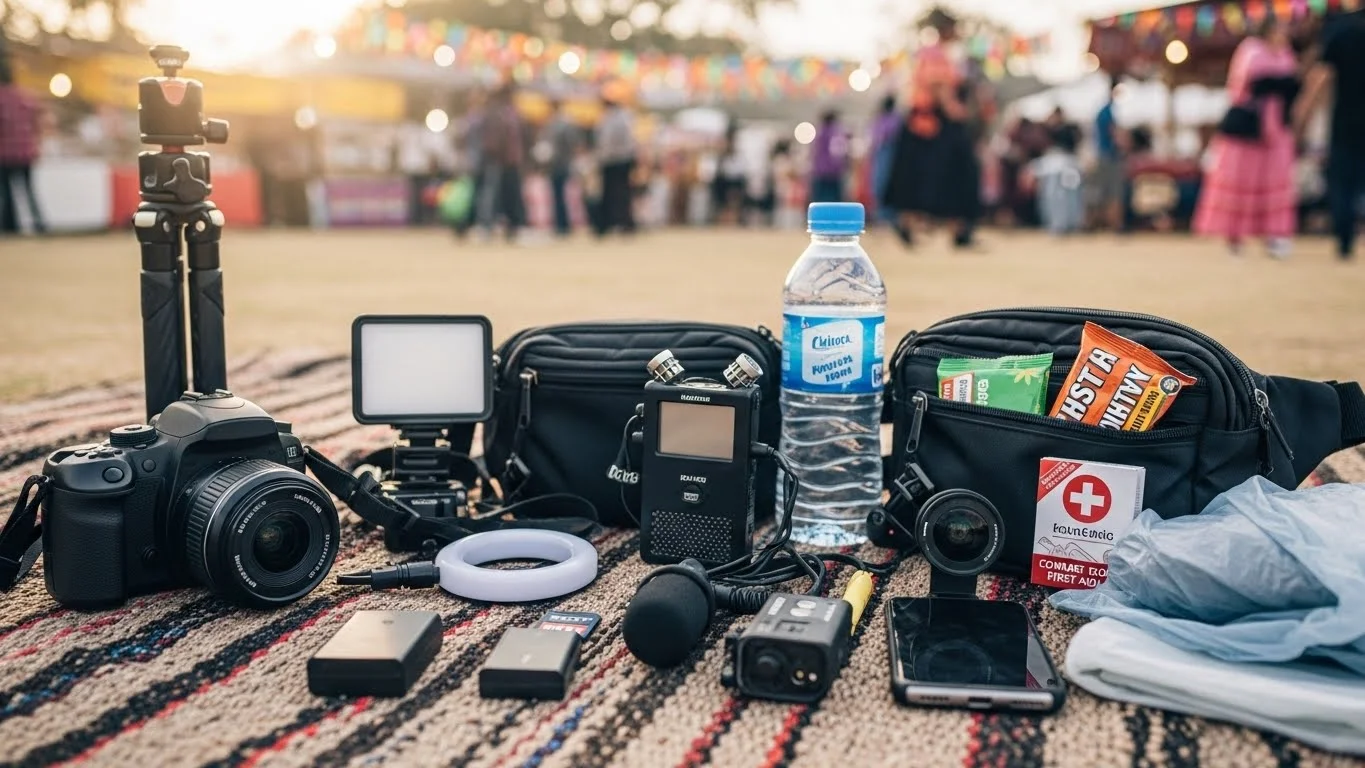
When it comes to capturing the essence of cultural festivals, having the right camera equipment is essential. I’ve learned that choosing the right gear can significantly impact the quality of my photos and videos.
DSLR vs. Mirrorless Cameras
DSLRs and mirrorless cameras each have their strengths. I used to favor DSLRs for their durability and battery life, but I’ve recently switched to a mirrorless camera, which is lighter and offers fantastic video capabilities. The choice ultimately depends on your style and needs. If you’re traveling light, a mirrorless camera might be the way to go. However, if you’re comfortable with a bulkier setup and prefer optical viewfinders, DSLRs are still a great option.
Smartphones: Pros and Cons
Smartphones have come a long way in terms of camera quality. I’ve found that my smartphone often captures stunning images, especially in good lighting. However, the limitations in zoom and low-light performance can be a drawback. For quick shots or candid moments, smartphones are fantastic, but for more serious photography, I still recommend a dedicated camera.
Lens Recommendations for Different Scenarios
The right lens can make all the difference. I’ve experimented with various lenses and found that a versatile zoom lens is perfect for festivals. It allows me to capture wide shots of crowds and zoom in on details without changing lenses. A prime lens, like a 50mm with a wide aperture, is great for portraits and low-light situations, capturing the emotions of the festival-goers beautifully.
Audio Equipment
Audio quality is often overlooked but is crucial for capturing the festival atmosphere. Good audio can elevate your content significantly.
External Microphones for Better Sound
I learned that using an external microphone can drastically improve sound quality, especially in noisy environments. Whether you’re recording interviews or ambient sounds, consider using a shotgun or lavalier mic. These mics help to isolate your audio source, making your recordings clearer and more professional.
Audio Recorders for Interviews and Ambient Sounds
Sometimes, I prefer using a portable audio recorder for interviews or capturing ambient sounds. These devices can offer better quality than just using your camera’s built-in mic. Plus, they allow you to capture sounds without being tied to your camera setup, giving you the freedom to explore different areas of the festival.
Tripods and Stabilizers
Keeping your shots steady is essential, especially when filming videos or taking long exposures.
Types of Tripods for Different Terrains
I’ve used both lightweight travel tripods and heavier ones, depending on the festival location. For outdoor festivals with uneven terrain, I recommend a sturdy tripod with adjustable legs. It’s essential to ensure stability to avoid shaky footage. For events held in crowded spaces, a compact tripod can be beneficial as it allows for easier maneuvering.
Gimbals for Smooth Video Capture
To achieve that cinematic look, I’ve found gimbals to be incredibly helpful. They stabilize your camera, allowing for smooth panning and movement while filming. If you plan to capture dynamic moments, like dancers or performers, a gimbal can make a huge difference in the final quality of your footage.
Lighting Gear
Lighting can change everything. Festivals often take place during the day, but evening events may require additional lighting gear.
Portable LED Lights for Nighttime Events
I’ve brought portable LED lights to nighttime festivals, and they’ve been a game-changer. These lights are lightweight and can be adjusted for brightness, allowing me to highlight specific subjects without overwhelming the scene.
Reflectors and Diffusers for Natural Light
When I shoot during the day, I often carry a collapsible reflector. It helps bounce natural light onto my subjects, especially during harsh sunlight. Diffusers can also soften the light, creating a more flattering look for portraits. I’ve found that using these tools can vastly improve the quality of my photos.
Budget-Friendly Alternatives
Buying Used or Refurbished Gear
Finding quality gear doesn’t have to mean emptying your wallet. I’ve often turned to the second-hand market for my photography equipment, and it has saved me a lot of money. Websites like eBay, KEH, and even local camera shops sometimes offer used or refurbished gear in great condition. I remember purchasing a refurbished lens that was practically brand new at half the retail price. It felt like a score! Just be sure to check the return policy and warranty options. Trust me, it’s worth it to ensure you’re making a smart investment.
Renting Equipment for Short-Term Use
If you’re attending a festival and want to use high-end equipment without the hefty price tag, renting can be a fantastic option. There are several rental services available that allow you to take home professional gear at a fraction of the cost. I’ve rented cameras and lenses for specific events, and it’s a game changer. This way, I can experiment with different setups without the long-term commitment. Plus, many rental services have knowledgeable staff who can help you pick the best equipment for your needs.
DIY Photography and Videography Solutions
Sometimes, the best solutions come from creativity rather than cash. I’ve found that a little ingenuity can go a long way in capturing amazing shots. For example, I once used a simple piece of cardboard to create a DIY reflector, which helped bounce light onto my subject during an afternoon festival. It cost me nothing but a few minutes of my time. Additionally, you can create handheld stabilizers using household items like rubber bands and weight to reduce shaky footage. These DIY tricks not only save money but also challenge your creativity and resourcefulness as a photographer. For more budget-friendly tips, check out Budget Backpacking: Tips for Stunning Cultural Photography.
Planning Your Festival Coverage
Researching Festivals in Advance
Before heading out to a festival, I find that doing a bit of research can make a huge difference in my coverage. I like to check the festival’s official website or social media pages to find out about the schedule, featured performers, and any special events that might be happening. This helps me prioritize what I want to capture and plan my day accordingly. I remember attending a cultural festival where some of the best performances were scheduled for later in the day, and knowing that in advance allowed me to explore more freely without missing out on key moments.
Creating a Shot List and Storyboard
Having a shot list is another trick I use to stay organized while documenting a festival. I jot down the types of shots I want to capture, like portraits of performers, candid moments of festival-goers enjoying themselves, and wide shots of the overall atmosphere. I even sketch a rough storyboard to visualize how I want the final product to flow. This preparation helps keep me focused, especially in the hustle and bustle of a lively event. The last thing you want is to forget to capture something special because you got caught up in the moment!
Budgeting for Travel and Accommodation
Festivals can sometimes be a little pricey, especially if you’re traveling far. I’ve found that budgeting ahead of time helps me enjoy the experience without financial stress. I look for nearby hotels or Airbnb options that fit my budget. Sometimes, I even consider camping if the festival allows it, as it can be a fun way to immerse myself in the experience. Additionally, I try to keep an eye out for early bird ticket sales, which can save a significant amount. Planning ahead not only smooths the journey but also allows me to enjoy the festival without worrying about expenses.
Practical Tips for Capturing Cultural Festivals
Arriving Early for Optimal Shots
One of my favorite tips is to arrive early at the festival. Not only does this give me a chance to avoid the crowds, but it also allows me to capture the setup, which can tell a great story of the event. The early morning light is usually softer and more flattering, making it perfect for photography. I remember arriving at a festival just as the vendors were setting up, and I got some stunning shots of colorful stalls and empty performance stages that felt magical before the chaos began.
Engaging with Participants and Locals
Connecting with participants and locals can elevate your festival experience and your photography. I’ve always found that striking up conversations with artists, performers, or attendees leads to candid moments and genuine smiles that make for great photos. Being open and friendly creates an inviting atmosphere, and people are often willing to share their stories or even pose for a portrait. I once chatted with a local artisan who not only shared her creative process but also invited me to capture her work in progress, which resulted in some of my favorite shots from that festival.
Respecting Cultural Sensitivities
Each cultural festival carries its unique traditions and customs, and it’s essential to approach these events with respect. I make it a point to learn about the culture being represented and understand any restrictions on photography. For instance, some rituals may be personal or sacred, and it’s important to ask for permission before taking photos. Respecting these boundaries not only honors the culture but also helps build trust, which can lead to more meaningful interactions and photographs.
Post-Capture: Editing and Sharing Your Work
Free and Affordable Editing Software Options
After spending hours capturing the vibrant moments at a festival, the next step is editing my photos and videos. I’ve found that the right editing software can transform my raw footage into something truly special. Fortunately, there are plenty of free and budget-friendly options available.
One of my go-to free tools is GIMP. It’s a fantastic alternative to Photoshop, offering a wide range of features that let me tweak colors, adjust lighting, and even add creative filters. For video editing, I’ve had great success with DaVinci Resolve. Its free version is packed with professional-grade tools for color correction and video effects, allowing me to create polished content without spending a dime.
If I’m looking for something a bit simpler, Canva has an easy-to-use interface for quick edits and graphic designs. I often use it to create engaging social media posts featuring my festival highlights. For those who prefer more direct editing on their smartphones, Snapseed is an excellent mobile app. I love how intuitive it is, making it easy to apply filters and make adjustments on the go.
Best Practices for Sharing on Social Media
Once my photos and videos are edited, sharing them on social media is one of the most exciting parts! I’ve learned that how I present my work can make a big difference in engagement. First, I think it’s important to choose the right platform. Instagram is fantastic for visuals, while Facebook can be better for sharing stories and connecting with friends.
I always aim to use high-quality images and videos when posting. I’ve found that vibrant, eye-catching content tends to attract more attention. Along with great visuals, I like to incorporate thoughtful captions that provide context to my images. For instance, I might share a short story about a particular moment I captured or the significance of a tradition I witnessed at the festival. This personal touch encourages people to engage with my posts.
Another strategy I use is to utilize relevant hashtags. Researching popular hashtags related to the festival or cultural themes can help my posts reach a wider audience. I remember one time using hashtags like #CulturalFestival and #ArtInTheCommunity when I shared my photos from a local art festival, which helped connect me with other photographers and festival-goers.
Building a Portfolio from Festival Coverage
Over the years, I’ve built a portfolio that reflects my passion for cultural festivals and the vibrant stories they tell. Creating a dedicated portfolio not only showcases my work but also allows me to track my growth as a photographer. I often curate a selection of my best shots from various festivals, focusing on a mix of candid moments, stunning performances, and the colorful atmosphere.
To compile my portfolio, I use a simple yet effective approach. I start by selecting my favorite images that evoke emotion and tell a story. I’ve found that grouping photos by theme or festival can create a cohesive narrative. For example, I might have a section dedicated to music festivals and another for food festivals, showcasing the unique experiences each offers.
Once I have a solid selection, I create an online portfolio using platforms like Adobe Portfolio or Squarespace. These sites provide templates that make it easy to display my work professionally. I also include a brief bio and contact information, allowing potential clients or collaborators to reach out.
I’ve learned that networking is key to building a successful portfolio. Attending festivals not only gives me the opportunity to capture amazing moments but also to connect with other creatives. I often exchange business cards with fellow photographers, artists, or organizers, which has led to exciting collaborations and even paid gigs. It’s amazing how one shared experience at a festival can open new doors!
Frequently Asked Questions
What are cultural festivals?
Cultural festivals are events that celebrate the traditions, arts, and social practices of specific groups. They can include music and dance festivals, food fairs, and historical reenactments, providing a platform for communities to showcase their heritage.
Why are cultural festivals important in society?
Cultural festivals play a vital role in fostering community, encouraging cultural exchange, and boosting local economies. They help break down barriers, promote understanding, and preserve cultural identities.
What types of cultural festivals are popular?
Popular types of cultural festivals include music festivals, food festivals, art festivals, and religious festivals. Each type features unique elements that highlight different aspects of culture and creativity.
What camera equipment is recommended for capturing cultural festivals?
Recommended camera equipment includes DSLRs or mirrorless cameras, smartphones for quick shots, versatile zoom lenses for different scenarios, and external microphones for better audio quality.
How can I improve audio quality when capturing festivals?
Using external microphones, such as shotgun or lavalier mics, can significantly improve audio quality, especially in noisy environments. Portable audio recorders can also capture better sound without being tethered to a camera.
What are budget-friendly options for photography gear?
Budget-friendly options include buying used or refurbished gear, renting equipment for short-term use, and creating DIY solutions, such as using household items to build stabilizers or reflectors.
How can I plan my festival coverage effectively?
Effective planning involves researching festivals in advance, creating a shot list and storyboard, and budgeting for travel and accommodation to ensure a smooth experience.
What practical tips can help in capturing cultural festivals?
Arriving early to avoid crowds and capture setup, engaging with participants and locals for candid moments, and respecting cultural sensitivities are practical tips for capturing the essence of festivals.
What software options are available for editing festival photos and videos?
Free and affordable editing software options include GIMP for photo editing, DaVinci Resolve for video editing, Canva for quick edits, and Snapseed for mobile editing.
How can I effectively share my festival coverage on social media?
To effectively share on social media, choose the right platform, use high-quality images, incorporate thoughtful captions, and utilize relevant hashtags to reach a wider audience.