
Mountain climbing can be exhilarating, but it often comes with a hefty price tag. Fortunately, you don’t need to break the bank to gear up for your next adventure. Here’s how to get started without overspending.
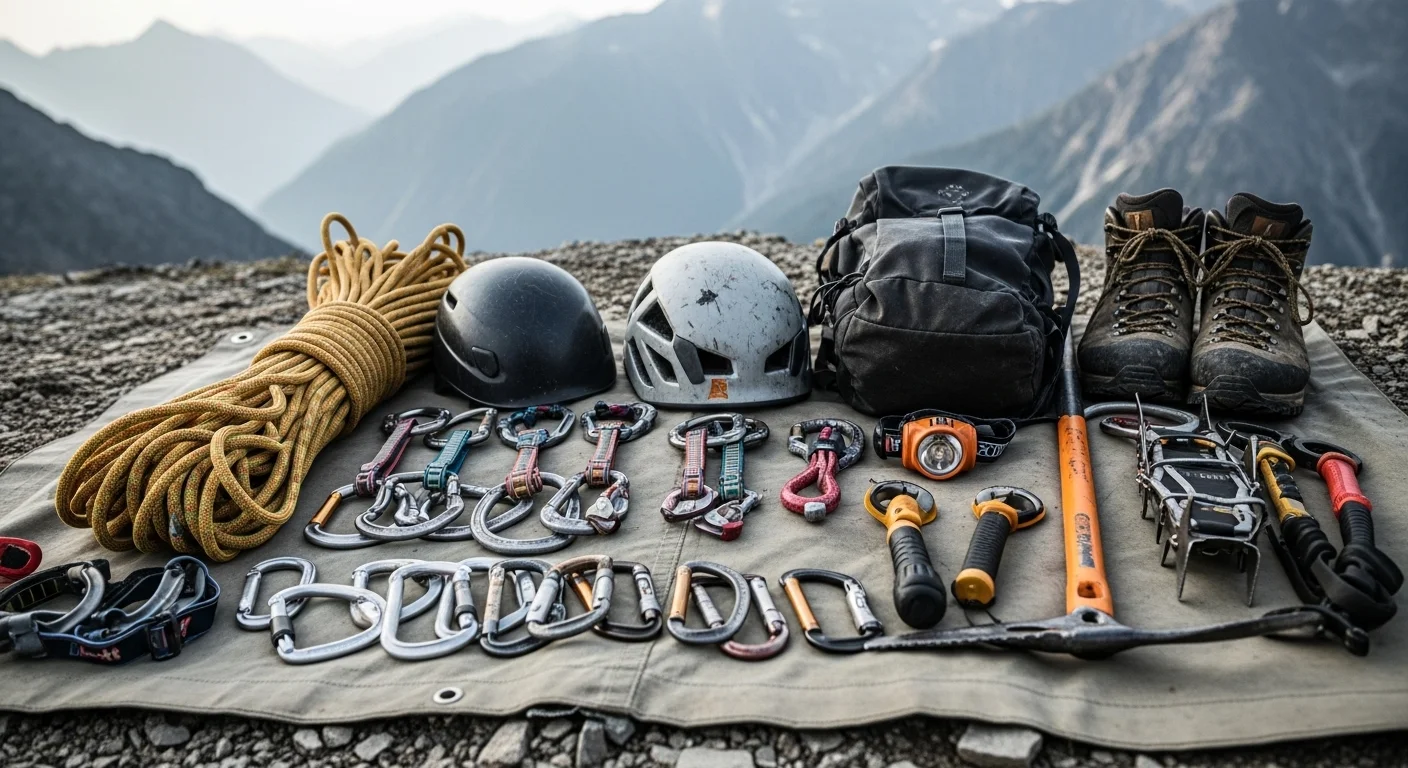
Understanding Mountain Climbing Gear
What is Mountain Climbing?
Mountain climbing, also known as alpinism, is a sport that involves ascending mountains. It’s not just about physical strength; it requires knowledge, skills, and the right gear to navigate various terrains and weather conditions. I remember my first climb—it was thrilling yet daunting. Each step up the rocky path felt like a small victory, but I quickly learned that without the proper gear, that victory could turn into a struggle.
Importance of Proper Gear for Safety and Performance
Having the right gear is essential for both safety and performance. I’ve found that good equipment can make a significant difference in your climbing experience. Quality gear helps protect against the elements and potential falls, while also enhancing your overall performance. For instance, a well-fitted harness allows for better movement and comfort, which is crucial during those exhausting ascents. I learned this firsthand on a trip where my ill-fitting gear made every climb feel twice as hard.
Read Interesting article: Top 10 Budget-Friendly Climbing Gear for Adventurous Souls
Key Gear Categories for Budget Mountain Climbing
Clothing Essentials
When it comes to clothing, layering is key for mountain climbing. It allows you to adjust your outfit based on changing weather conditions. I usually pack multiple layers, and here’s how I break it down:
Base Layers
Your base layer is the first line of defense against the elements. It should wick moisture away from your skin to keep you dry. I’ve found that synthetic materials or merino wool work best. You don’t have to splurge on high-end brands; often, you can find good-quality options at budget stores or online sales.
Insulating Layers
The insulating layer retains body heat and provides warmth. Fleece jackets or lightweight down vests are great options. I remember scoring a fantastic deal on a fleece jacket at a thrift store that became my go-to for chilly climbs. Insulating layers can also be versatile for everyday wear, making them a worthy investment.
Outer Layers (Jackets)
The outer layer protects you from wind, rain, and snow. Look for waterproof and breathable jackets. While I once thought I had to spend a fortune for a reliable jacket, I discovered that many affordable brands offer excellent protection. During my last climb, I used a budget jacket that kept me dry and comfortable, proving that you don’t always need high-end gear.
Footwear
Your choice of footwear can make or break your climbing experience. Investing in the right shoes and boots is crucial.
Climbing Shoes
Climbing shoes should fit snugly for better performance. I used to think I needed the priciest shoes to climb effectively, but I found that many budget options provide great grip and comfort. It’s all about trying them on and finding what works for your foot shape. I recommend checking out local outdoor shops for clearance sales on last season’s styles.
Hiking Boots
Hiking boots are essential for longer treks. They should offer good ankle support and traction. I once hiked with a pair of old boots that lacked proper grip, and I definitely felt the consequences on steep terrain. Look for sales or even consider second-hand options; I’ve seen great boots at thrift stores that only needed a good cleaning.
Safety Equipment
Safety gear is non-negotiable. It’s something I’ve learned over my climbing adventures. The right safety equipment can prevent accidents and save lives.
Helmets
A climbing helmet protects your head from falling rocks and impacts. I remember my first climb without a helmet; it was nerve-wracking. I’ve since invested in a budget-friendly option that fits well and provides peace of mind.
Harnesses
A harness is vital for safety while climbing. I initially bought an expensive model, but later discovered that many affordable harnesses provide excellent support and safety features. Try to look for ones with adjustable leg loops for a customizable fit.
Belay Devices
Belay devices are essential for managing rope tension. Again, budget options can be just as effective as premium brands. I learned that simplicity often works best, especially when I was just starting out.
Navigational Tools
Knowing your route is crucial. Here are some navigational tools I’ve found helpful:
Maps and Compasses
Having a physical map and compass can be a lifesaver in unfamiliar territory. I’ve used digital maps on my phone, but when the battery dies or signal fades, a traditional map comes in handy.
GPS Devices
A GPS device can offer reassurance during climbs. Many affordable handheld devices can be found online or even rented for trips. I’ve used both and can say they’re worth considering for safety.
Camping Gear
If you’re planning to camp during your climbing adventures, having the right gear is essential, and you can find budget-friendly options that work well.
Tents
A good tent should be lightweight and weather-resistant. I remember my first camping trip with a cheap tent that leaked during a rainstorm. Since then, I’ve focused on finding budget tents that offer good quality. Second-hand stores often have great options.
Sleeping Bags
Sleeping bags are crucial for a good night’s sleep. I learned the hard way that a cheap sleeping bag doesn’t always keep you warm. Look for ones rated for the temperatures you expect to encounter.
Cooking Equipment
Cooking gear should be lightweight and portable. I often use a simple camping stove that I purchased on sale. It’s reliable and fits perfectly in my pack!
Budget-Friendly Alternatives for Gear
Where to Find Affordable Gear
Finding budget-friendly gear can feel like a treasure hunt, but trust me, it’s worth the effort. I’ve discovered several places to score great deals without sacrificing quality.
Second-Hand Stores
Thrift stores and consignment shops have become my go-to spots for affordable gear. I still remember the excitement of finding a barely-used climbing harness for a fraction of its original price. Many people upgrade their gear, so you can often find quality items that just need a little cleaning. Plus, it’s environmentally friendly to reuse and recycle! Don’t hesitate to search these hidden gems in your community; you might be surprised by what you find.
Online Marketplaces
Websites like eBay, Craigslist, and Facebook Marketplace are goldmines for finding budget gear. I’ve bought and sold gear on these platforms, and it’s a fantastic way to get what you need at a lower price. Just be sure to thoroughly check the condition and ask questions before you commit. I once snagged a high-quality sleeping bag from a seller who only used it once. It felt like a win-win situation!
Rental Options
If you’re just starting or planning a specific trip, renting gear can be a smart choice. Many outdoor shops offer rental services for everything from tents to climbing equipment. I’ve rented gear for weekend trips, and it saved me money while allowing me to try out high-end items without the commitment. Plus, it’s a great way to test different brands and styles before making a purchase.
DIY Gear Solutions
Sometimes, you can save even more by getting creative and making your own gear. I’ve had fun experimenting with DIY solutions that have served me well on my climbs.
Making Your Own Climbing Holds
If you’re into bouldering, creating your own climbing holds can be a fun project. I realized that with some wood and a bit of creativity, I could craft holds that fit my needs perfectly. There are countless tutorials online, and it feels rewarding to climb on something I made myself! Just remember to prioritize safety by ensuring that your holds are secure and can handle the weight.
Homemade First Aid Kits
Another DIY solution I’ve implemented is my homemade first aid kit. I’ve found it easy to customize based on my personal needs and the types of hikes I do. I gathered essential supplies like band-aids, antiseptic wipes, and pain relievers, all packed into a small, lightweight bag. It’s not only cost-effective but also ensures I have exactly what I need without carrying unnecessary items. Whenever I pack for a climb, I feel a sense of reassurance knowing I’ve prepared myself for minor accidents.
How to Prioritize Gear Purchases
Essential vs. Non-Essential Gear
When budgeting for gear, I’ve learned to differentiate between what I truly need and what’s just nice to have. I remember my early days of climbing when I thought I needed every piece of equipment available. Over time, I’ve realized that focusing on essential gear can save both money and space in my pack.
For instance, I consider items like a helmet and harness non-negotiable. These are crucial for safety and performance while climbing. In contrast, extra accessories like decorative gear or high-tech gadgets can wait until I’m more experienced and have the budget to spare. Creating a list of essentials has helped me prioritize my purchases and avoid impulse buys.
Creating a Gear Checklist
Having a gear checklist has been a game-changer for me. I started by listing every item I thought I might need, then categorized them into essential and non-essential. When I’m preparing for a new climb, I pull out my checklist to ensure I don’t forget anything important. This method keeps me organized and helps avoid those last-minute runs to the store, which can lead to overspending.
I also recommend updating this list as I gain more experience and learn what works best for me. It’s become a reflection of my growth as a climber and has helped me make smarter purchases. Plus, it feels satisfying to check items off my list as I acquire them!
Tips for Saving Money on Mountain Climbing Gear
Timing Your Purchases
Timing can be everything when it comes to buying mountain climbing gear. I’ve noticed that waiting for the right moment can lead to substantial savings. For instance, I’ve learned that many outdoor retailers have specific times of the year when they offer deep discounts, especially at the end of climbing season. This is when they want to clear out inventory for new stock. I once waited until late summer to buy a new pair of climbing shoes, and I ended up getting them for half the price! It’s all about being patient and keeping an eye on the trends.
Seasonal Sales and Discounts
Another smart move is to pay attention to seasonal sales. Many outdoor shops and online stores have sales around holidays or special events like Black Friday or Memorial Day. I’ve made it a habit to check for these sales and plan my gear purchases accordingly. For example, during a pre-Black Friday sale, I snagged a high-quality waterproof jacket at a fraction of the original price. I recommend signing up for newsletters from your favorite outdoor brands; they often send out notifications for upcoming sales or exclusive discounts. This way, you can be in the know about the best deals before they disappear!
Using Coupons and Promo Codes
Using coupons and promo codes can be a game-changer. I remember stumbling across a website dedicated to gathering promo codes for different outdoor retailers, and it opened up a whole new world of savings for me. Before making a purchase online, I always take a moment to search for any available codes. Even a small discount can add up, especially when you’re buying multiple items. I once found a code that saved me 20% on an entire order, which was a huge win! It’s definitely worth the extra minute or two to search.
Read Interesting article: Unlock Your Potential with These Climbing Techniques Tips
Considerations for Safety and Quality
Understanding Gear Ratings and Certifications
While it’s essential to save money, I’ve learned that safety shouldn’t be compromised. Understanding gear ratings and certifications is crucial in ensuring that your equipment meets safety standards. For example, climbing gear often comes with certifications like UIAA or CE, indicating that it has undergone rigorous testing. I remember a time I was tempted by a super cheap harness, but after checking its certifications, I realized it didn’t meet necessary safety standards. It’s a reminder that while I want to save, I also need to prioritize quality that keeps me safe on the mountains.
Balancing Cost with Safety Features
When looking for budget gear, I try to balance cost with safety features. It can be tempting to go for the cheapest option, but I’ve learned the hard way that sometimes you get what you pay for. For instance, I once bought a low-cost helmet that felt flimsy and didn’t have the features I needed for peace of mind. After that experience, I focused on finding a helmet that, while still affordable, had good reviews and safety ratings. It’s all about finding that sweet spot where the price is reasonable, but the quality doesn’t take a hit. I recommend taking the time to read user reviews, as they can provide valuable insights into whether a product is worth the investment.
Real-Life Examples of Budget Gear Choices
Comparison of Budget vs. Premium Gear
When I first started mountain climbing, I was overwhelmed by the variety of gear options available. I often wondered if spending more money meant getting better quality. To find out, I decided to try both budget and premium gear for comparison. One of my first purchases was a budget sleeping bag, which surprisingly kept me warm during a chilly night under the stars. In contrast, I later invested in a premium sleeping bag that was lighter and more compact, but I found that my budget option did just fine for weekend trips. It made me realize that sometimes, budget gear can perform excellently, especially for beginners or casual climbers.
User Experiences and Reviews
Hearing from others can also help guide your choices. I often turn to online forums and review sites to understand what works and what doesn’t. I remember reading a post from a climber who swore by a budget-friendly climbing harness that turned out to be comfortable and reliable. Inspired, I tried it myself and was pleasantly surprised by its performance. These user experiences have helped me avoid costly mistakes and discover hidden gems in the world of budget gear. I encourage others to share their experiences as well; it builds a sense of community and helps newcomers feel more confident about their purchases.
Read Interesting article: Climbing Techniques to Elevate Your Mountain Adventure Trips
Final Thoughts
As I reflect on my journey through mountain climbing, I realize that embracing budget gear has been a game changer. It’s not just about saving money; it’s about finding what works for me and enjoying the experience without the stress of financial strain. I’ve learned that quality doesn’t always have to come with a hefty price tag. With a little research, patience, and creativity, we can gear up for our adventures without compromising on safety or performance.
For those just starting out, don’t feel pressured to buy the latest high-end gear. Focus on the essentials that keep you safe and comfortable, and remember that experience will guide your future purchases. I still cherish the memories of my climbs, often made better by the budget options that allowed me to explore more without breaking the bank.
Remember, mountain climbing is about the journey, the views, and the camaraderie. The right gear helps, but it’s our spirit and determination that truly matter. So, get out there, find your passion for the mountains, and don’t let budget constraints hold you back from making those unforgettable memories.
Happy climbing!
Frequently Asked Questions
What is mountain climbing?
Mountain climbing, also known as alpinism, is a sport that involves ascending mountains. It requires knowledge, skills, and the right gear to navigate various terrains and weather conditions.
Why is proper gear important for mountain climbing?
Having the right gear is essential for both safety and performance. Quality gear helps protect against the elements and potential falls while enhancing overall performance during climbs.
What are the key categories of gear needed for budget mountain climbing?
Key gear categories for budget mountain climbing include clothing essentials (base layers, insulating layers, outer layers), footwear (climbing shoes and hiking boots), safety equipment (helmets, harnesses, belay devices), navigational tools (maps, compasses, GPS devices), and camping gear (tents, sleeping bags, cooking equipment).
Where can I find affordable mountain climbing gear?
Affordable mountain climbing gear can be found at second-hand stores, online marketplaces like eBay or Craigslist, rental options from outdoor shops, and through DIY solutions for certain gear items.
How can I prioritize my gear purchases?
To prioritize gear purchases, differentiate between essential and non-essential items. Creating a gear checklist can help ensure you acquire necessary items first while avoiding impulse buys.
What should I consider when timing my gear purchases?
Timing your purchases can lead to savings, especially during seasonal sales or at the end of climbing season when retailers clear out inventory. Being patient and planning your purchases can yield significant discounts.
How can I save money on mountain climbing gear?
To save money, consider using coupons and promo codes, shopping during seasonal sales, and timing your purchases strategically. Signing up for newsletters from outdoor brands can also alert you to upcoming sales.
What safety considerations should I keep in mind when purchasing gear?
While saving money is important, safety should not be compromised. Understanding gear ratings and certifications, such as UIAA or CE, ensures that the equipment meets necessary safety standards.
Can budget gear be as effective as premium gear?
Yes, budget gear can perform excellently, especially for beginners or casual climbers. Many climbers have found that budget options can meet their needs effectively without the high price tag.
What is the importance of user experiences and reviews when choosing gear?
User experiences and reviews can provide valuable insights into the performance of gear. They can help guide purchasing decisions, avoid costly mistakes, and highlight reliable budget-friendly options.