
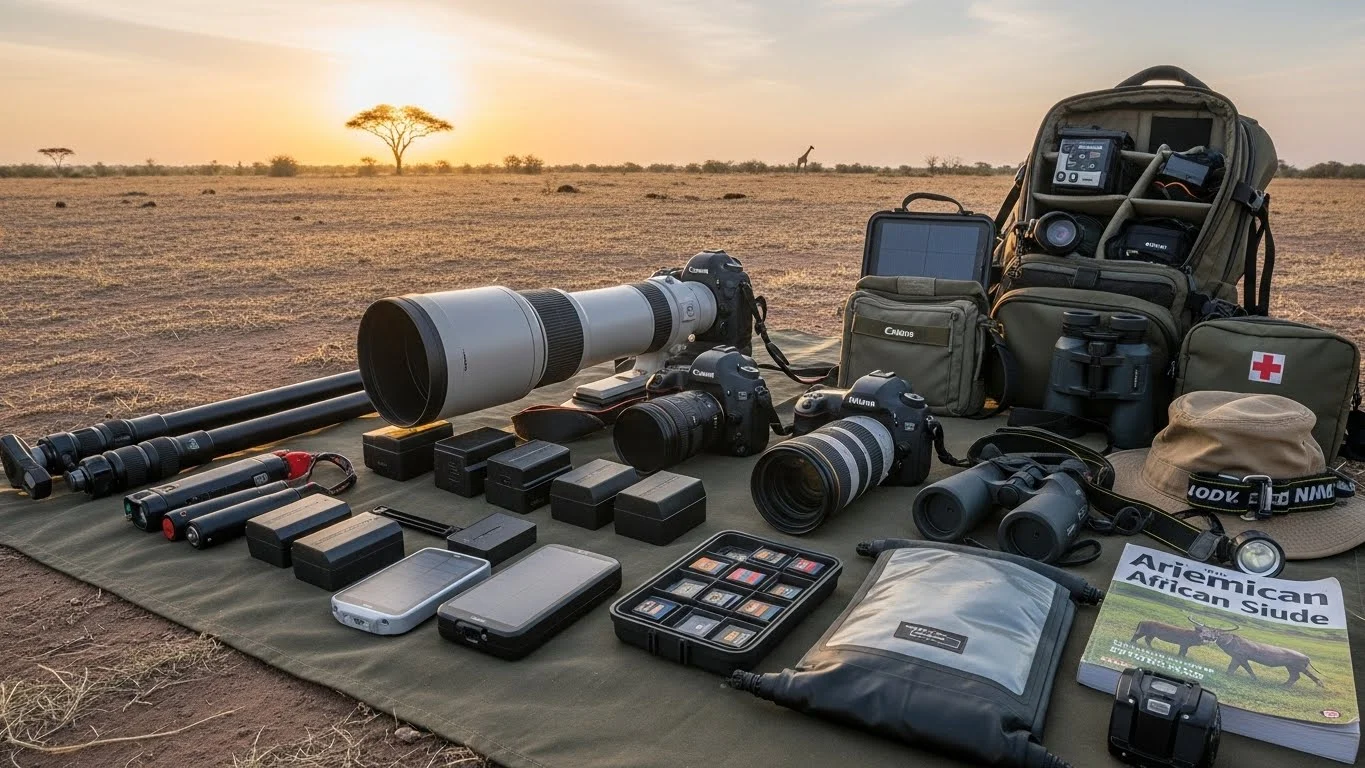
Embarking on a wildlife safari photography adventure is an exhilarating experience. Capturing the essence of nature and its inhabitants requires not just passion but also the right gear to make those moments unforgettable. For those looking to enhance their skills, Expert Tips for Perfect Wildlife Photography on Safari offers valuable insights.
Understanding Wildlife Safari Photography
The Importance of Gear in Wildlife Photography
When I first ventured into wildlife photography, I quickly realized that having the right gear could make or break my experience. The wilderness is unpredictable, and the opportunities to capture stunning images often occur in the blink of an eye. I remember missing a chance to photograph a majestic lion because my camera was not ready. A well-thought-out selection of gear can help us seize those fleeting moments. It’s not just about having the latest technology; it’s about having the tools that suit our style and the environment we’re in.
Types of Wildlife Safaris
Wildlife safaris come in various forms, and understanding them can help us choose the right gear. When I planned my first safari, I learned that there are driving safaris, walking safaris, and even boat safaris, each requiring different equipment. For instance, on a driving safari, I found a good zoom lens essential to capture distant wildlife. In contrast, while participating in a walking safari, I appreciated a lightweight camera that allowed me to move quickly and quietly.
Some safaris focus on particular wildlife, like birds or big cats, which can also influence our gear choices. For birdwatching, a longer lens is crucial, while for photographing larger animals, we might need a more versatile lens. Knowing the type of safari ahead of time lets us prepare adequately. Additionally, Wildlife Photography on a Budget: Safari Tips You Need provides great advice for selecting gear that won’t break the bank.
Challenges in Wildlife Photography
Wildlife photography is rewarding but comes with its own set of challenges. I’ve faced everything from changing light conditions to unpredictable animal behavior. One moment, I’d be basking in bright sunlight, and the next, I’d be scrambling to adjust my settings as clouds rolled in. Understanding these challenges helps us gear up not just for the adventure but also the unexpected. For example, we need to be prepared for varying light, which might involve carrying a few different lenses and filters. I’ve learned that patience is key, and often, we have to wait for the perfect shot to present itself.
Additionally, wildlife can be elusive. I remember spending hours waiting for a sloth bear to appear, only to realize I needed to adjust my strategy—changing locations or even time of day for better chances. This unpredictability is all part of the excitement but also emphasizes the need for adaptable gear.
Camera Equipment Essentials
Choosing the Right Camera
When it comes to selecting a camera for wildlife photography, I believe it’s essential to choose one that feels right in our hands. Personally, I started with a DSLR, and while it served me well, I’ve since transitioned to a mirrorless option. The difference in weight was noticeable during long days in the field, and I found myself more inclined to carry my camera everywhere. I recommend trying out different cameras before making a decision, as comfort and usability can significantly impact our shooting experience.
DSLR vs. Mirrorless Cameras
As I explored more about camera types, the debate between DSLR and mirrorless cameras often came up. DSLRs are tried and true, with fantastic image quality and battery life. However, I noticed that mirrorless cameras have gained popularity because they are lighter and often have faster autofocus systems. For wildlife photography, where every second counts, the speed can be a game-changer. I personally opted for a mirrorless camera due to its portability and silent shooting modes, which are incredibly helpful for not startling the animals.
Essential Lenses for Wildlife Photography
Choosing the right lens can transform our photography. I’ve experimented with different lenses, and I’ve learned that a few key types are essential for wildlife photography.
Telephoto Lenses
Telephoto lenses are a must-have for wildlife photography. I remember the first time I used a 300mm lens to photograph elephants from a distance; the results were breathtaking. Telephoto lenses allow us to capture intimate details without disturbing the wildlife. I recommend investing in a lens with a wide aperture, as it can help in low-light conditions and create beautiful background blur.
Wide-Angle Lenses
While telephoto lenses are fantastic for close-ups, I also found wide-angle lenses beneficial for capturing the vastness of the landscape. I often switched to a wide-angle lens when photographing animals in their habitats, which added context to my shots. It’s a great way to tell a story about the wildlife and their environment.
Camera Accessories
Alongside our camera and lenses, various accessories can enhance our experience.
Tripods and Monopods
Stability is crucial in wildlife photography. I often use a tripod for landscape shots and a monopod for added support when tracking moving animals. Both help reduce camera shake and allow for longer exposures, especially in low light.
Camera Bags
Having a good camera bag is essential. I remember my first safari, where I brought a bulky bag that was hard to manage. Since then, I’ve chosen lighter, more functional bags that keep my gear protected while making it easy to access my camera quickly.
Filters (Polarizers, ND Filters)
Filters are often overlooked, but I’ve found them extremely helpful. A polarizing filter can reduce glare and enhance colors, while neutral density (ND) filters help manage exposure in bright conditions, allowing me to use slower shutter speeds for creative effects. They’re small, lightweight, and can make a big difference in our photos.
Lighting and Flash Equipment
Understanding Natural Light in Safari Conditions
One of the most exciting yet challenging aspects of wildlife photography is learning how to work with natural light. During my safaris, I discovered that the golden hours—early morning and late afternoon—provide the most magical light for photography. I remember one morning, the sun was just rising, casting a warm glow over the savannah, and I was able to capture a herd of wildebeests silhouetted against the horizon. That image still stands out as one of my favorites. I recommend planning your outings around these times, as the softer light creates stunning colors and reduces harsh shadows.
However, it’s crucial to be adaptable. As the day progresses, I’ve found myself adjusting my settings frequently. The bright midday sun can be tricky, often leading to overexposed images. I learned to keep my eye on the sky and be prepared to tweak my exposure settings to capture the richness of colors without losing details. Over time, I also developed a better feel for how clouds can diffuse light, creating softer shadows that can enhance the overall composition of a shot.
Using Flash Effectively
While natural light is often ideal, there are times when a flash can make a difference in our wildlife photography. I initially hesitated to use a flash, fearing it might scare away the animals. However, I’ve found that when used correctly, it can enhance our images without disturbing wildlife. For example, during my trip to a dense forest area, I was capturing some beautiful bird species, and the shadows created by the thick canopy made it difficult to get a sharp shot. I decided to use my flash and was able to illuminate the birds without startling them. This experience taught me the value of using flash in low-light situations.
When using flash, especially in wildlife settings, I recommend practicing with a diffuser. It softens the light and reduces the harshness of the flash, which can be beneficial for our subjects and the overall feel of the images. I learned this tip from a fellow photographer on a safari, and it changed how I approached low-light situations.
External Flash and Diffusers
An external flash can be a game-changer for wildlife photography. It allows for more versatility than a built-in flash, especially when we want to control the angle and intensity of the light. I invested in a decent external flash after realizing how much more dynamic my photos could be with better lighting control. Using this type of flash, I can bounce light off surfaces to create a more natural look, especially when photographing animals in challenging light conditions.
Diffusers are another essential item in my kit. They help soften the light from external flashes. I recall one instance where I was photographing a shy leopard resting under a tree. The harsh sunlight was creating bright spots and deep shadows. By using my external flash with a diffuser, I managed to create even lighting across the leopard’s fur, revealing its beautiful patterns without overwhelming it. Taking the time to understand how light works and how to manipulate it with tools like diffusers has significantly improved my wildlife shots.
Field Gear for Comfort and Safety
Clothing Recommendations
Comfort and safety are paramount when setting out on a wildlife photography adventure. I’ve learned the hard way that the right clothing can make a huge difference in our experience. Breathable, moisture-wicking fabrics are my go-to for long days outdoors. I remember one particularly hot day, wearing a cotton t-shirt that became soaked with sweat, making it uncomfortable to focus on photography. Now, I always opt for lightweight, quick-dry shirts that keep me comfortable and allow me to stay on the move.
Layering for Different Weather Conditions
Weather can change rapidly in the wild, so layering is key. I often start with a light base layer and then add a mid-layer for warmth. On my last safari, I found myself in cooler morning temperatures, so I wore a fleece jacket that I could easily take off as the sun rose and temperatures climbed. This flexibility allows me to stay comfortable throughout the day, making me more focused on capturing those perfect shots.
Neutral Colors for Blending In
Another tip I picked up is the importance of wearing neutral colors. Bright colors can attract unwanted attention from wildlife, potentially scaring them away. I typically wear browns, greens, and tans, which help me blend into the environment. This approach has allowed me to get closer to animals without disturbing their natural behavior. I remember sitting quietly in a bush, wearing my muted colors, as a family of elephants walked right past me. Those moments are what make wildlife photography truly magical.
Footwear for Safari
The right footwear is just as crucial as clothing. I’ve experienced blisters from poor choices in footwear, and it can ruin an entire day of shooting. Sturdy hiking boots with good ankle support and a comfortable fit are essential. On my last safari, I invested in a pair that provided excellent traction on uneven terrain, which helped me confidently move around while carrying my gear. It’s worth taking the time to find a pair that feels good, as our feet carry us to all those amazing wildlife encounters.
Binoculars for Scouting
Having a good pair of binoculars is another essential piece of field gear. They can enhance our safari experience by helping us scout wildlife from a distance before deciding where to position ourselves for a shot. I can’t tell you how many times my binoculars have led me to incredible sightings that I might have otherwise missed. I always recommend keeping them handy; they can use them to spot animal behavior or identify different species, which can enrich our overall experience in the wild.
Wildlife Photography Accessories
Memory Cards and Storage Solutions
One of the most critical aspects of wildlife photography is ensuring that we have enough memory to capture every stunning moment. I remember my first safari, where I underestimated how many photos I would take. I had only one memory card, and it filled up much quicker than I anticipated. That day taught me a valuable lesson about being prepared. Now, I always carry multiple high-capacity memory cards. It gives me peace of mind, knowing I have enough space to capture everything from a rare sighting to the breathtaking landscapes.
I also recommend using cards that have fast write speeds. This is especially important for burst shooting when we want to capture a sequence of actions, like a cheetah chasing its prey. I’ve learned that slow cards can lead to missed opportunities, so investing in quality memory cards can make a world of difference. Additionally, I often bring a portable external hard drive to back up my images at the end of each day. This way, I can ensure that my memories are safe, just in case something happens to my primary cards.
Extra Batteries and Charging Options
When it comes to battery life, I can’t stress enough how crucial it is to have extra batteries on hand. Wildlife photography can be demanding on our gear, and I’ve often found myself in situations where my camera battery dies right before a perfect shot. I remember one trip when I was about to photograph a stunning sunset, and my camera shut off because I hadn’t charged my spare battery. Since then, I make it a habit to carry at least two extra batteries, fully charged and ready to go.
For longer safaris, having a reliable charging option is also essential. I invested in a portable battery charger that can recharge my camera batteries in the field. This has been a game-changer. I can keep shooting throughout the day without worrying about running out of power. I’ve even seen some photographers use solar chargers during their trips to remote locations, which is a fantastic option for staying powered up while enjoying nature.
Cleaning Kits for Lenses and Cameras
Keeping our gear clean is vital, especially when we’re out in the wild. Dust, dirt, and moisture can find their way onto our lenses and sensors, and I learned this the hard way after getting some unfixable spots in my photos. Now, I always carry a cleaning kit with me. It typically includes a lens brush, microfiber cloth, and lens cleaning solution. I make it a point to clean my gear regularly, particularly after a day of shooting in dusty or wet environments.
One tip I picked up is to use a blower to gently remove dust before touching the lens with a cloth. This simple step has helped me avoid scratches and other damage to my lenses. I also regularly check the camera body and sensor for dust, especially after changing lenses, as even the smallest particles can ruin a great shot.
Technology and Apps for Wildlife Photography
Photo Editing Apps
Once I’ve captured those magical moments, I find that the right photo editing apps can elevate my images even further. I’ve experimented with several apps, and I’ve found that tools like Lightroom and Snapseed are fantastic for making quick adjustments on my phone or tablet. They allow me to enhance colors, adjust exposure, and crop images on the go, which is incredibly convenient.
Editing is an essential part of my workflow. I often like to tweak images right after a shoot while the memories are still fresh. It’s exciting to see how a little adjustment can transform a photo from good to stunning. I recommend spending some time learning these apps to develop a style that feels authentic to us. For those looking to master their photography skills, Mastering Wildlife Photography: Tips for Your Next Safari Trip can provide further guidance.
Wildlife Identification Apps
One of the joys of wildlife photography is learning about the animals we encounter. Wildlife identification apps have become invaluable tools for me. Apps like iNaturalist and Merlin Bird ID help me recognize different species and learn more about their behaviors and habitats. I remember using one during a birdwatching session, and it helped me identify a rare bird I’d never seen before. It added an extra layer of enjoyment to my trip.
These apps often provide additional information such as migration patterns and conservation status, which can enhance our understanding and appreciation of the wildlife we photograph. Plus, they can be helpful when sharing our findings with others, allowing us to contribute to citizen science efforts.
Weather Apps for Planning Shoots
Weather can significantly impact wildlife photography, and I’ve learned to never underestimate its importance. I always check reliable weather apps before heading out to plan my shooting times. Apps like Weather Underground or Dark Sky provide detailed forecasts, including sunrise and sunset times, which are essential for capturing those golden hours I love so much.
Moreover, understanding weather patterns can help us anticipate animal behavior. For instance, I’ve noticed that animals tend to be more active during cooler temperatures or after a rain shower. By planning around the weather, we can increase our chances of witnessing remarkable wildlife moments. It’s an exciting part of the preparation process that ensures we get the best shots possible during our safari adventures.
Frequently Asked Questions
What is the importance of gear in wildlife photography?
The right gear is crucial in wildlife photography as it can significantly affect the ability to capture fleeting moments. A well-thought-out selection of gear helps photographers be prepared for unpredictable wildlife and varying conditions, ensuring they can seize opportunities as they arise.
What types of wildlife safaris are there?
There are various forms of wildlife safaris, including driving safaris, walking safaris, and boat safaris. Each type requires different equipment, with driving safaris benefiting from a good zoom lens and walking safaris favoring lightweight cameras for mobility.
What are some challenges in wildlife photography?
Wildlife photography presents challenges such as changing light conditions and unpredictable animal behavior. Photographers must adapt their settings and strategies to effectively capture images, often requiring patience and readiness for unexpected situations.
How do I choose the right camera for wildlife photography?
Choosing the right camera involves finding one that feels comfortable in your hands. Many photographers start with DSLRs but may prefer mirrorless options for their lighter weight and faster autofocus capabilities, which are beneficial in fast-paced wildlife scenarios.
What types of lenses are essential for wildlife photography?
Essential lenses for wildlife photography include telephoto lenses for capturing distant subjects and wide-angle lenses for contextual landscape shots. Telephoto lenses allow for intimate detail capture without disturbing wildlife, while wide-angle lenses help tell a story about the environment.
What camera accessories enhance wildlife photography?
Useful accessories include tripods and monopods for stability, lighter camera bags for easy access, and filters such as polarizers and ND filters to manage light and enhance image quality.
How can I effectively use natural light in wildlife photography?
Utilizing natural light involves planning outings during golden hours, which provide the best lighting conditions. Photographers must also be adaptable, adjusting settings throughout the day to cope with changing light conditions.
What are the benefits of using flash in wildlife photography?
Using a flash can enhance images in low-light conditions without disturbing wildlife when done correctly. An external flash provides more control over lighting, and using a diffuser can help soften the light for better results.
What clothing is recommended for a wildlife photography adventure?
Clothing for wildlife photography should be breathable, moisture-wicking, and lightweight for comfort during long hours outdoors. Layering is also important to adapt to changing weather conditions, and wearing neutral colors helps blend into the environment.
What should I consider regarding memory cards and storage for wildlife photography?
It is essential to carry multiple high-capacity memory cards to avoid running out of space during a shoot. Fast write speeds are important for burst shooting, and having a portable external hard drive for backing up images can ensure the safety of your photos.