
Exploring the vibrant spiritual landscape of India through affordable Hindu pilgrimages can be an enriching experience. From the banks of sacred rivers to magnificent temples, every journey offers a unique connection to ancient traditions. For those looking for more options, check out the Top 7 Budget-Friendly Hindu Pilgrimages to Explore.
Understanding Hindu Pilgrimages: An Overview
What is a Hindu Pilgrimage?
When I first learned about Hindu pilgrimages, I was fascinated by the depth and diversity they offer. A pilgrimage, or “Tirtha Yatra,” is a journey to sacred sites that hold immense spiritual significance in Hinduism. It’s not just a physical journey; it’s also a spiritual quest. Many Hindus believe that visiting these holy places helps purify the soul, brings blessings, and fulfills spiritual aspirations. I’ve realized that each destination carries stories that resonate with the rich tapestry of Hindu mythology, history, and philosophy.
Significance of Pilgrimages in Hindu Culture
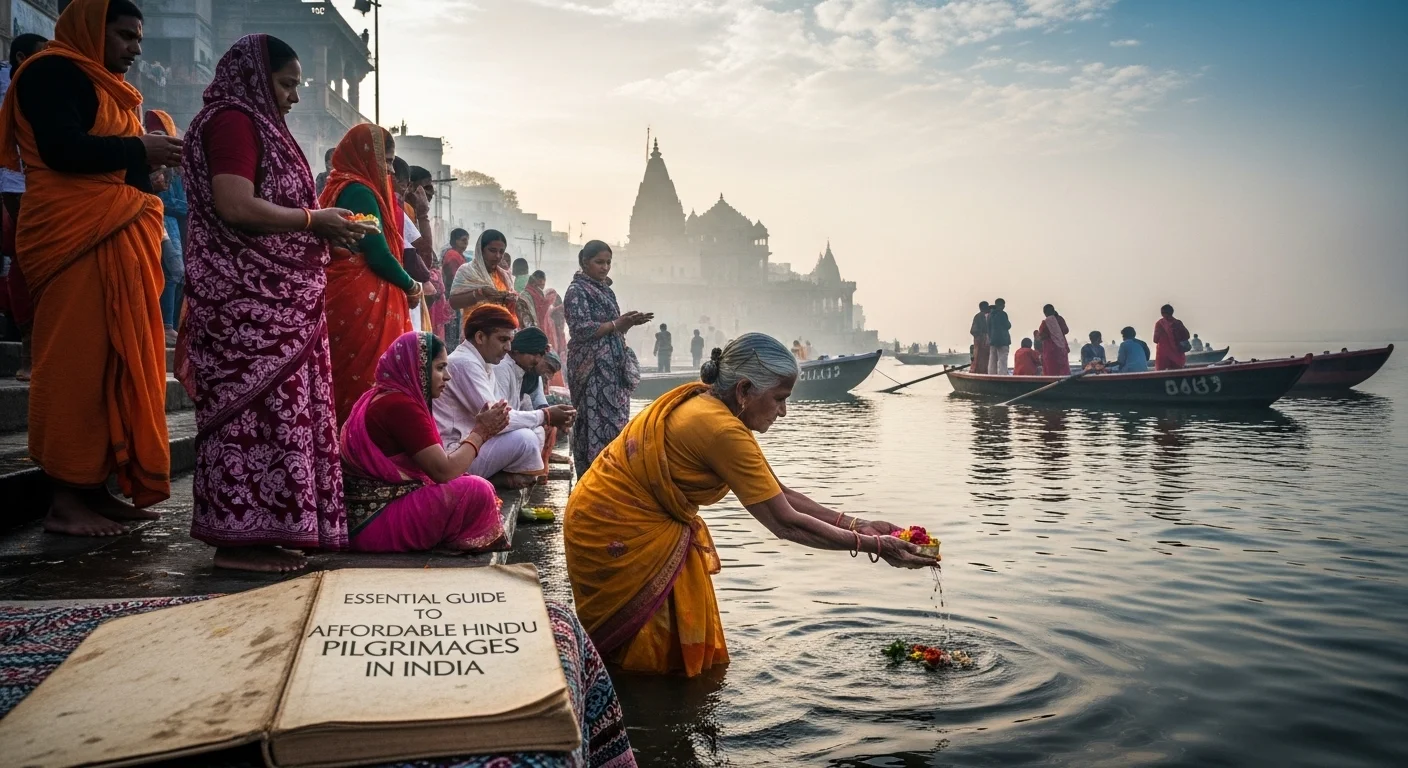
The importance of pilgrimages in Hindu culture cannot be overstated. For centuries, these journeys have been a way for devotees to express their faith, seek solace, and connect with the divine. I remember my first pilgrimage to Varanasi; standing on the banks of the Ganges was like stepping into a living history. The rituals, prayers, and the spiritual energy surrounding me were overwhelming. In many ways, I was not just observing, but participating in a tradition that has shaped the lives of millions.
Moreover, I found that these journeys often lead to personal transformation. People from all walks of life come together, sharing experiences and forging connections. There’s a sense of community that transcends cultural and linguistic barriers, reminding us of our shared humanity. I believe this aspect of pilgrimage is what makes it so special—it’s not just about the destination, but the journey and the people we meet along the way. If you’re interested in eco-friendly options during your travels, consider reading about Affordable Eco-Lodges: Your Guide to Green Travel Stays.
Top Affordable Hindu Pilgrimage Destinations in India
Varanasi: The Spiritual Capital
Varanasi, known as Kashi, is often called the spiritual capital of India. This ancient city holds profound significance for Hindus, as it is believed that dying here allows one to break the cycle of rebirth. My visit to the ghats was surreal; the atmosphere was charged with devotion. The mesmerizing Ganga Aarti in the evening, with the sounds of chanting and the flickering lamps, is something I will never forget. The best part is that you can explore Varanasi on a budget, from affordable guesthouses to street food that’s not only delicious but also easy on the wallet.
Haridwar: Gateway to the Gods
Haridwar is another place that holds a special place in my heart. This town, located at the foothills of the Himalayas, is where the Ganges leaves the mountains and enters the plains. I was captivated by the Ganga Aarti held at Har Ki Pauri. The energy of the crowd, the scent of incense, and the sight of devotees immersing themselves in the holy waters is something you have to experience. Haridwar offers a range of affordable accommodations and is an excellent starting point for those wanting to explore the nearby Rishikesh.
Rishikesh: The Yoga Capital
Speaking of Rishikesh, if you’re into yoga or meditation, this is the place for you. I remember attending a sunrise yoga session by the river, which was incredibly rejuvenating. Beyond its spiritual significance, Rishikesh is also known for its scenic beauty. The best part? There are numerous budget-friendly ashrams and guesthouses where you can stay while soaking in the tranquil vibes of this serene town.
Amritsar: Home of the Golden Temple
Amritsar’s Golden Temple is a marvel that I believe everyone should see. The temple, with its stunning architecture and reflection in the surrounding pool, is a sight to behold. What struck me most was the community kitchen, or ‘Langar,’ that serves free meals to thousands daily, regardless of their background. Visiting Amritsar can be very affordable, with various options for budget accommodations and dining. The city’s rich history and vibrant culture are added bonuses that enhance the entire experience.
Ajmer: The Dargah of Khwaja Moinuddin Chishti
Ajmer is home to the revered Dargah of Khwaja Moinuddin Chishti, a Sufi saint. My visit there was a transformative experience. The atmosphere was filled with a deep sense of peace and devotion. The Dargah welcomes people of all faiths, making it a beautiful reminder of unity. The local markets offer a chance to buy inexpensive souvenirs, and you can find comfortable stays that won’t break the bank.
Tirupati: The Famous Venkateswara Temple
Tirupati is known for the Venkateswara Temple, one of the richest temples in the world. While it can get crowded, the experience of participating in the rituals and the sheer devotion of the pilgrims is awe-inspiring. There are plenty of budget options for food and lodging, allowing visitors to partake in this spiritual journey without overspending.
Ujjain: The City of Mahakaleshwar
Lastly, don’t miss Ujjain, home to the Mahakaleshwar Temple, one of the twelve Jyotirlingas. The Kumbh Mela, held here, attracts millions of devotees. Even if you visit outside the festival, the city has a timeless charm. It’s easy to explore Ujjain on a budget, with local eateries serving delicious vegetarian meals.
When to Visit: Best Times for Pilgrimages
Seasonal Considerations
Timing is everything when planning a pilgrimage in India. From my experience, understanding the climate and seasonal variations can significantly enhance your journey. Generally, the best time to visit most pilgrimage sites is during the cooler months, from October to March. The weather is pleasant, making long walks to temples and participation in rituals much more enjoyable.
In the summer months, especially in northern India, the heat can be intense. I remember visiting Varanasi in late April once, and the scorching sun made every step feel like a mini workout. If you can, I recommend avoiding the peak summer months of May and June. However, if you only have summer available, look for early morning or late evening activities to dodge the heat of the day.
Monsoon season, which typically runs from June to September, offers a unique and lush landscape. I found that the temples and ghats take on a mesmerizing beauty with the rain. However, some areas may experience flooding, so it’s essential to keep an eye on local weather forecasts and be prepared for sudden changes in plans.
Festivals and Special Events
Participating in festivals can add an exhilarating layer to your pilgrimage experience. Many Hindu festivals, like Diwali, Holi, or Kumbh Mela, draw enormous crowds and create vibrant atmospheres filled with prayers, music, and cultural celebrations. I had the opportunity to visit Haridwar during Kumbh Mela, and witnessing the sea of devotees bathing in the Ganges was both overwhelming and awe-inspiring. The energy was palpable, and I felt deeply connected to something much larger than myself.
Another special time to visit is during Navratri, a festival dedicated to the goddess Durga, celebrated with fervor across India. Temples come alive with festivities, and you can find colorful dances, music, and rituals taking place everywhere. I recall getting swept up in the Garba dances in Gujarat, and it was a joyful celebration that left lasting memories. If your schedule allows, aligning your pilgrimage with these festivals can make for a truly unforgettable experience.
Budgeting for Your Pilgrimage
Cost Breakdown: Transportation, Accommodation, and Food
When it comes to budgeting for a pilgrimage, being mindful of your expenses can help you make the most of your journey without breaking the bank. From my travels, I’ve learned to break down costs into three main categories: transportation, accommodation, and food.
Transportation can vary widely depending on the distance and the mode you choose. Trains in India are an affordable and scenic way to travel between pilgrimage sites. I’ve taken several overnight trains, and while the experience can be a bit quirky, it’s often cheaper than flying. Buses are another budget-friendly option, especially for shorter trips. Just make sure to book in advance during peak seasons to secure your seat.
Accommodation can range from budget hostels to mid-range hotels. I’ve often stayed in guesthouses or dharamshalas, which are usually quite affordable and provide a chance to meet fellow travelers. It’s wise to set aside a portion of your budget for unexpected expenses, like last-minute accommodations or special experiences, such as guided tours of temples.
Food is another area where you can save. Street food is not only delicious but also very affordable. I remember enjoying a plate of chaat in Varanasi for just a few rupees! Eating where the locals eat not only keeps costs down but also gives you a taste of the authentic cuisine. If you prefer dining at restaurants, look for thalis—fixed meals that offer a variety of dishes at a reasonable price.
Tips for Traveling on a Budget
Traveling on a budget doesn’t mean you have to sacrifice experiences. I’ve picked up a few tips over the years that I believe can help anyone looking to stretch their rupees further. First, always negotiate when using local taxis or auto-rickshaws. Agreeing on a fare before starting your journey can save you from any unexpected surprises. Also, consider using public transport whenever possible; it’s an adventure in itself!
Another tip is to travel in a group if you can. Sharing accommodations and transport costs can significantly reduce your expenses. I’ve traveled with friends on several occasions, and it not only made things cheaper but also added to the fun of the experience. Additionally, keep an eye out for discounts on entry fees for temples or attractions—many sites offer reduced rates for students or large groups.
Lastly, don’t hesitate to ask locals for recommendations. I’ve often found that some of the best experiences come from local advice, whether it’s a hidden temple, a scrumptious food stall, or a cheap place to stay. Embracing spontaneity can lead to delightful surprises, and that’s what makes the journey all the more rewarding. For those looking for adventurous gear, consider exploring Essential Gear for Budget Rock Climbing Adventures Abroad.
Where to Stay: Accommodation Options
Budget Hotels and Guesthouses
Finding a place to stay during your pilgrimage can be daunting, but it doesn’t have to be expensive. I’ve discovered that budget hotels and guesthouses are plentiful at most pilgrimage sites. These options not only cater to the wallet-conscious traveler but also provide a chance to connect with fellow pilgrims. I vividly remember staying in a cozy guesthouse in Varanasi, where the owner shared stories about the city and its spiritual significance over breakfast. It made my experience feel much more personal.
Many of these budget accommodations offer clean rooms, basic amenities, and sometimes even free breakfast, which can be a nice perk. I recommend checking online reviews before booking to ensure you pick a place that suits your needs. Websites like Booking.com or Hostelworld can be helpful in finding the right fit. In my experience, booking in advance is often wise, especially during busy pilgrimage seasons.
Dharamshalas and Ashrams
Dharamshalas and ashrams are another fantastic option for those looking to immerse themselves in the spiritual atmosphere. Staying in a dharamshala, which is often run by local religious organizations, can be incredibly affordable. I found that the simplicity of these accommodations allows for a more focused experience. Many dharamshalas offer dormitory-style rooms, which are perfect for meeting and connecting with other travelers who share a similar journey.
Ashrams, on the other hand, often provide a more structured experience. Many of them offer yoga and meditation classes, which can enhance your spiritual experience. During my visit to Rishikesh, I stayed at an ashram where I participated in daily yoga sessions and evening prayers. It was a beautiful way to deepen my connection to my surroundings and the spiritual practices of Hinduism. Plus, the communal meals at ashrams are a great way to enjoy healthy vegetarian food and connect with others.
Local Homestays
If you want to experience the local culture more intimately, consider staying at a homestay. This is a great way to support local families and get a taste of everyday life in India. I had the pleasure of staying with a family in Ujjain during my pilgrimage, and it was one of the highlights of my trip. They welcomed me with open arms and shared their customs, traditions, and, of course, delicious home-cooked meals!
Homestays often come with the added benefit of local insight. The hosts can provide invaluable tips about nearby attractions, dining options, and cultural practices. I found that these personal connections enriched my pilgrimage experience, making it feel more authentic and memorable. Websites like Airbnb or local travel agencies can help you find homestay options in the area you plan to visit.
Transportation: Getting Around
Public Transport Options
Navigating India’s vast landscape can be an adventure in itself. I’ve always preferred using public transport when exploring pilgrimage sites. It’s not only budget-friendly but also allows you to experience the local vibe. Trains are a popular choice for longer distances, and I’ve found them to be quite efficient. Just remember to book your tickets in advance, especially during peak pilgrimage season, as trains can fill up quickly.
Local buses are another excellent option for getting around, particularly for shorter trips. They can be a bit crowded, but that’s part of the experience! I recall taking a local bus from Haridwar to Rishikesh, and it was an exhilarating ride filled with laughter and chatter with fellow passengers. Plus, the scenery along the way was stunning.
Renting Vehicles vs. Using Local Taxis
For those who prefer more flexibility, renting a vehicle may be a good option. I’ve rented scooters and bikes in places like Rishikesh and found it to be a fun way to explore at my own pace. However, I recommend ensuring you have a valid license and are comfortable navigating local traffic, which can be quite chaotic!
Alternatively, using local taxis or auto-rickshaws can be a convenient way to get around, especially if you’re visiting multiple sites in one day. I often relied on app-based taxi services, which made it easy to find rides without the hassle of negotiating fares. Just ensure you confirm the driver’s identity before hopping in, as safety should always be a priority.
Top Attractions to Visit During Pilgrimages
Temples and Sacred Sites
When embarking on a pilgrimage, visiting temples and sacred sites is undoubtedly the highlight. Each temple carries its own unique story and spiritual significance. I remember standing before the intricate carvings of the Mahakaleshwar Temple in Ujjain, feeling a deep sense of reverence wash over me. It’s amazing how these spaces can evoke such powerful emotions.
In addition to the major temples, don’t overlook smaller, lesser-known sites. I’ve discovered that often, these hidden gems are where you can find a more peaceful atmosphere and connect more deeply with the local culture. Ask locals for recommendations on off-the-beaten-path temples; you might just stumble upon an experience that resonates with you.
Local Markets and Shopping Areas
Exploring local markets is another rewarding aspect of any pilgrimage. I love wandering through bustling bazaars, soaking in the colors, sounds, and aromas. In Varanasi, the market near the ghats is a treasure trove of handmade crafts, clothing, and spices. I found some beautiful scarves and religious artifacts to take home as souvenirs.
Shopping in local markets not only supports artisans but also allows for meaningful interactions with vendors. Don’t hesitate to strike up conversations; I’ve often learned fascinating stories about the products and the people behind them. Plus, bargaining can be a fun way to engage with the local culture and practice your haggling skills!
Cultural Experiences and Festivals
Finally, consider immersing yourself in local cultural experiences during your pilgrimage. Many towns offer traditional performances, workshops, and classes that provide insight into the local way of life. I took part in a cooking class in Amritsar that was not only fun but also delicious! Learning how to make local dishes and understanding their significance added a rich layer to my experience.
Attending local festivals, as mentioned earlier, can be incredibly rewarding. The energy, colors, and communal spirit of festivals like Diwali or Holi are unforgettable. I once participated in a Diwali celebration in a small village, and the warmth and joy shared among everyone present left a lasting impression on my heart.
Frequently Asked Questions
What is a Hindu pilgrimage?
A Hindu pilgrimage, or “Tirtha Yatra,” is a journey to sacred sites that hold immense spiritual significance in Hinduism. It is both a physical journey and a spiritual quest, believed to purify the soul and fulfill spiritual aspirations.
Why are pilgrimages important in Hindu culture?
Pilgrimages hold great importance in Hindu culture as they allow devotees to express their faith, seek solace, and connect with the divine. They often lead to personal transformation and foster a sense of community among diverse individuals.
What are some affordable Hindu pilgrimage destinations in India?
Some affordable Hindu pilgrimage destinations in India include Varanasi, Haridwar, Rishikesh, Amritsar, Ajmer, Tirupati, and Ujjain. Each of these places offers unique spiritual experiences at budget-friendly prices.
When is the best time to visit Hindu pilgrimage sites?
The best time to visit most pilgrimage sites in India is during the cooler months from October to March. This pleasant weather makes it easier to participate in rituals and explore the sites.
What budgeting tips can help during a pilgrimage?
To budget effectively for a pilgrimage, consider breaking down costs into transportation, accommodation, and food. Utilize affordable transportation options like trains and buses, stay in budget hotels or dharamshalas, and enjoy inexpensive street food.
What types of accommodations are available for pilgrims?
Accommodations for pilgrims include budget hotels, guesthouses, dharamshalas, ashrams, and local homestays. These options provide a range of experiences from simple and affordable to more immersive cultural stays.
How can I get around during my pilgrimage?
Public transport, including trains and local buses, is a budget-friendly way to navigate pilgrimage sites. Alternatively, renting a vehicle or using local taxis can offer more flexibility for exploring multiple sites.
What attractions should I visit during a pilgrimage?
During a pilgrimage, you should visit temples and sacred sites, explore local markets, and engage in cultural experiences. Smaller, lesser-known temples can provide a more peaceful atmosphere and deeper connections to local culture.
What role do festivals play in enhancing the pilgrimage experience?
Participating in festivals can add excitement to your pilgrimage experience, as they are filled with vibrant atmospheres, prayers, and cultural celebrations. Events like Diwali, Holi, and Kumbh Mela create a sense of communal spirit among devotees.
How can I save money while traveling on a pilgrimage?
To save money while traveling on a pilgrimage, negotiate fares for local transport, travel in groups to share expenses, and seek out discounts on entry fees for attractions. Asking locals for recommendations can also lead to affordable and authentic experiences.