
Gift giving is a universal practice, rich with emotion and cultural significance. Whether celebrating a milestone or strengthening relationships, understanding these customs can transform our approach to connecting with others. Read Interesting article: Solo Travel Success: Understanding Cultural Etiquette
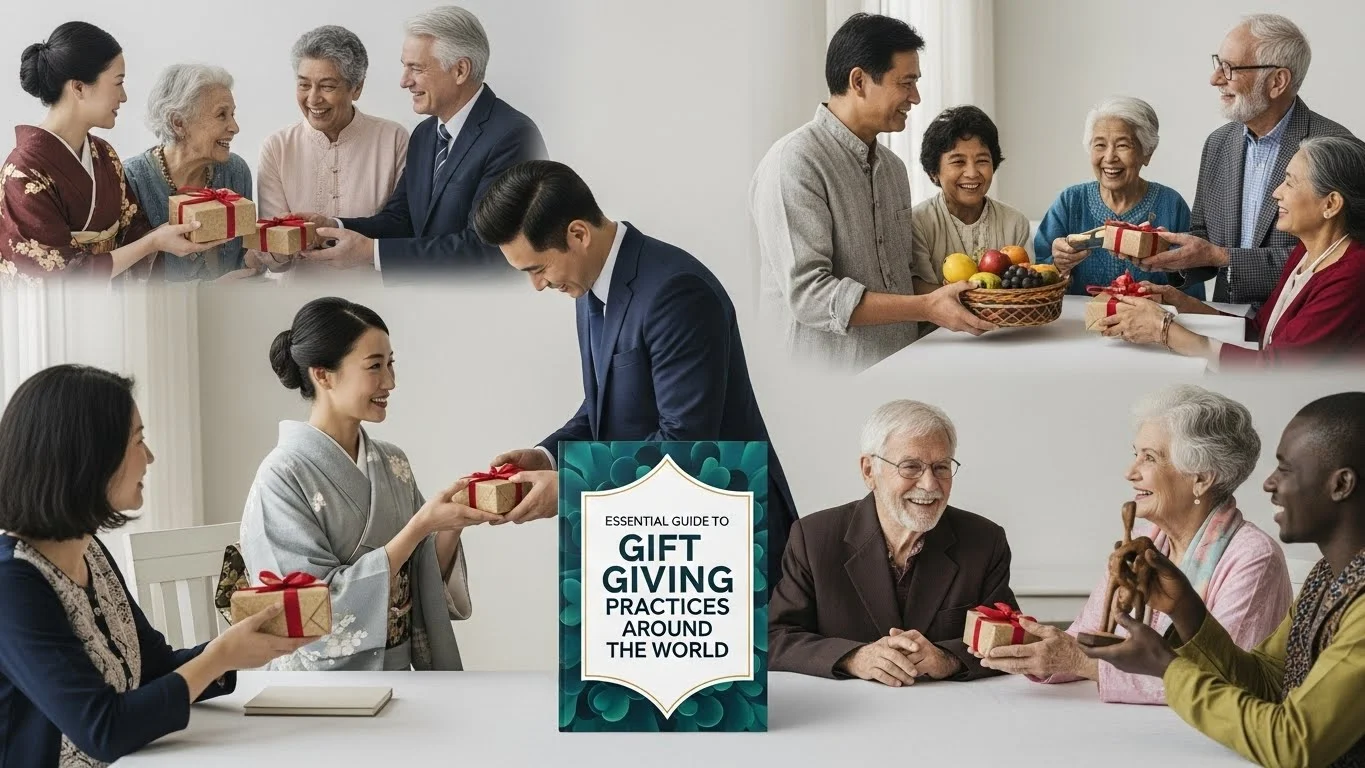
Understanding the Importance of Gift Giving
Gift giving holds a special place in cultures around the world. I’ve often found that the act of giving isn’t just about the item itself but the meaning and connection behind it. Each gift can tell a story, reflecting the giver’s sentiments, cultural values, and the relationship shared. It’s fascinating to see how these practices vary from one region to another, each with its own unique flair.
Cultural Significance of Gifts
Cultural significance plays a huge role in how gifts are perceived and exchanged. I remember visiting a friend from Japan who explained the deep-rooted traditions behind gift giving in her culture. For instance, in Japan, the wrapping is just as crucial as the gift itself. Beautifully wrapped presents convey respect and thoughtfulness, which is why I’ve learned to pay attention to presentation in my own gift-giving experiences. Each culture has its unique customs; in some places, gifts are given modestly, while in others, extravagant presentations are the norm. This diversity highlights how gifts can symbolize various societal values, from humility to abundance.
Psychological Aspects of Gift Giving
The psychological aspects of gift giving are equally intriguing. I’ve noticed that the act of giving can foster a sense of connection and strengthen relationships. When I give a gift, I feel a rush of joy knowing that I might brighten someone’s day. There’s something profoundly fulfilling about seeing a loved one’s face light up with surprise and gratitude. Psychologically, gifts can also serve as a way to express emotions we might struggle to articulate. It’s a tangible manifestation of our affection, appreciation, or even an apology. This is something I’ve experienced firsthand; a carefully chosen gift can convey feelings that words sometimes can’t.
Regional Gift Giving Practices
Now, let’s explore how gift giving practices vary around the globe. I’ve always been curious about these traditions, so I decided to dive deeper into different regions and their unique customs.
North America
In North America, gift giving is often associated with significant life events and holidays. I’ve observed that birthdays, holidays, and weddings are the most common occasions. On birthdays, people usually celebrate with parties and expect gifts, which can range from practical items to fun surprises. Personally, I love giving thoughtful gifts that reflect the recipient’s personality.
Common Occasions for Gift Giving
Holidays like Christmas and Thanksgiving are also major gift-giving times. On Christmas, I’ve noticed families often engage in traditions like Secret Santa or White Elephant gift exchanges, which add a fun twist to the experience. Thanksgiving might not traditionally focus on gifts, but expressing gratitude through small tokens can often be seen, especially among close friends and family.
Popular Gifts and Trends
As for popular gifts, technology and personalized items have taken center stage recently. I often find myself opting for customized gifts that hold sentimental value, such as engraved jewelry or photo books. These gifts reflect a thoughtfulness that mass-produced items sometimes lack. Read Interesting article: Navigating Cultural Etiquette Solo: A Traveler’s Guide
Europe
Europe’s diverse cultures bring unique flavors to gift giving. During my travels, I’ve noticed that customs can vary dramatically from country to country.
Gift Giving in Western Europe
In Western Europe, particularly in countries like Germany and France, gifts are typically given on special occasions such as birthdays or Christmas. I learned that it’s common in Germany to give flowers as a gift for housewarming parties, while in France, the focus is often on gourmet food items and wine.
Unique Practices in Eastern Europe
Conversely, Eastern European countries have their unique approaches. For example, in Russia, it is customary to bring a small gift, like pastries or a bottle of wine, when invited to someone’s home. I’ve found that this practice reflects a sense of hospitality and the value placed on social gatherings.
Asia
Asia is rich with diverse traditions, and gift giving is no exception. I’ve experienced some of these customs firsthand, and they always leave a lasting impression.
Gift Giving in China
In China, gifting is intricately tied to symbolism. I learned that red is a favored color for wrapping paper because it represents good fortune. It’s fascinating to see how certain numbers also hold significance, such as avoiding the number four, which sounds like the word for death. The thoughtfulness behind these customs really deepens the meaning of the gift.
Japan’s Omiyage Tradition
Japan’s “Omiyage” tradition is another beautiful practice. Every time someone travels, they often bring back gifts or local delicacies for friends and family. I remember when a colleague returned from a trip to Kyoto with beautifully packaged sweets. It’s a lovely way to share experiences and keep connections strong.
India’s Festivals and Gift Giving
In India, festivals like Diwali are significant gift-giving occasions. During my visits, I’ve seen how exchanging gifts symbolizes goodwill and prosperity. I often find myself participating in these vibrant celebrations, where sweets and decorative items are exchanged, bringing joy and warmth to relationships.
Africa
Africa is a continent bursting with diversity, and this is powerfully reflected in its gift-giving customs. I’ve always been fascinated by how each country has its own unique practices, shaped by rich histories and cultural narratives. During my travels across various African nations, I’ve encountered some truly beautiful traditions that highlight the importance of community and connection.
Traditional Practices in Sub-Saharan Africa
In Sub-Saharan Africa, gift giving often intertwines with community gatherings and celebrations. I remember attending a vibrant wedding in Ghana where the couple received gifts not just from family but from the entire community. It felt like a collective celebration, where everyone contributed to the couple’s new life together. I found it heartwarming how the gifts ranged from practical household items to handmade crafts, reflecting the community’s love and support.
Another interesting aspect I noticed is the practice of giving livestock in some cultures. In countries like Kenya, a goat or cow can symbolize wealth and prosperity. When I visited a Maasai village, I learned that gifting a cow during important ceremonies demonstrates respect and strengthens bonds between families. It’s incredible how these gifts can signify unity and social status while also being deeply rooted in traditions.
Gift Giving in North Africa
Moving to North Africa, I’ve observed that gift giving often aligns with hospitality. In places like Morocco and Egypt, when you’re invited to someone’s home, it’s customary to bring a small gift, such as sweets or fruit. I recall being invited to a Moroccan home, and I brought a box of pastries. The host’s delighted smile as they opened the box was a moment I cherish. It’s a beautiful way to express gratitude and respect, creating a warm atmosphere that encourages connection.
In Egypt, I learned that gifting is a significant part of religious celebrations. During Ramadan, for example, sharing food and small gifts with family and friends is common. I participated in iftar gatherings where everyone brought something to share. The act of giving and receiving food highlighted the spirit of togetherness and generosity that I found so moving.
Latin America
Latin America is another region rich with colorful customs and traditions surrounding gift giving. I’ve had the pleasure of experiencing these diverse practices firsthand, and they always leave a lasting impression.
Customs in Mexico
In Mexico, gift giving is often tied to festive occasions and personal milestones. I remember attending a Quinceañera, a celebration of a girl’s 15th birthday, which is a significant rite of passage in Mexican culture. The gifts given during this event tend to be meaningful, often reflecting the young woman’s journey into adulthood. I found it touching how gifts were not just material items but also tokens of love and support from family and friends.
During holidays, such as Día de los Muertos, gifts are sometimes left on altars as offerings to honor deceased loved ones. I’ve seen families create beautiful displays filled with photos, food, and small gifts, which speaks volumes about the importance of remembering and celebrating those who have passed.
Gift Giving in Brazil
In Brazil, the spirit of celebration is palpable, especially during events like Carnival and New Year’s Eve. I once experienced a New Year’s celebration where it’s common to give gifts of white clothing as a symbol of peace and renewal. I joined in, wearing white and exchanging small gifts with friends, creating a sense of unity and hope for the new year.
I’ve also noticed how Brazilians cherish spontaneous gift giving. When visiting friends, it’s common to bring small treats or even flowers, which adds a personal touch to visits. This practice of giving brings people together and fosters a sense of warmth and connection that I deeply appreciate. Read Interesting article: Master Cultural Etiquette as a Solo Traveler
Occasions and Their Specific Practices
Birthdays
Birthdays are celebrated with enthusiasm in many cultures, and I’ve seen how the significance of this occasion varies widely. For me, birthdays have always been a reason to reflect and celebrate life. In the United States, parties with cake and gifts are expected, while in other cultures, like in some Asian countries, the focus may be more on family gatherings and special meals. From my experience, it’s the thought behind the birthday gift that counts the most, whether it’s a handmade card or a carefully selected present.
Weddings
Weddings, too, are a grand affair around the world. I’ve attended weddings in different countries, and each one has its own unique customs. In many cultures, the exchange of gifts symbolizes the joining of two families. I’ve seen guests bring gifts that are carefully chosen to reflect the couple’s interests or needs, highlighting the thoughtfulness and love behind each gesture.
Holidays and Festivals
Holidays and festivals provide a fantastic opportunity for gift giving. Each celebration has its own customs, and I’ve enjoyed discovering these traditions in various cultures. For instance, during Christmas, gift giving often takes center stage in many Western nations, with families gathering around trees adorned with lights and ornaments. In India, Diwali is marked by exchanging gifts like sweets and decorative items, symbolizing the triumph of light over darkness. It’s beautiful to see how these occasions bring people closer together through the act of giving.
Christmas Giving Traditions
Christmas in many cultures is a magical time for gift giving. I remember the excitement of waking up on Christmas morning to find gifts waiting under the tree. The joy of giving and receiving during this season is something many people cherish, as it fosters a sense of community and love. Different cultures have their unique ways of celebrating this holiday, from Christmas markets in Europe to family gatherings in Latin America, and it’s fascinating to see how gift giving plays a role in these traditions.
Diwali and its Significance
In India, Diwali is one of the most important festivals, and gift giving enhances its significance. I’ve participated in Diwali celebrations, where the exchange of gifts symbolizes goodwill and prosperity. People often give sweets, decorative items, and even clothing, reflecting the joy and warmth of the season. It’s a wonderful time to connect with loved ones and express our best wishes for the coming year.
Corporate Gift Giving
Corporate gift giving is another area where I’ve seen cultural differences come into play. In some countries, it’s considered a standard practice to give gifts to clients or partners, while in others, it can be viewed with skepticism. I’ve learned that understanding the cultural context is crucial in professional settings. Thoughtful corporate gifts can strengthen business relationships, but it’s essential to ensure that the gifts are appropriate and respectful of local customs.
Gift Etiquette Around the World
What to Avoid When Giving Gifts
Gift etiquette can be quite intricate, and I’ve learned that what’s acceptable in one culture might be frowned upon in another. For instance, I remember gifting a beautiful clock to a friend in Germany, only to find out later that giving a clock is considered bad luck. I felt embarrassed, but it was a valuable lesson in understanding cultural nuances. It’s essential to avoid gifts that may carry negative connotations or are seen as inappropriate.
Another pitfall I’ve encountered is assuming that everyone appreciates the same types of gifts. In some cultures, extravagant gifts might be seen as boastful rather than generous. I’ve come to understand that simplicity can often be more appreciated. For example, in Japanese culture, giving a gift that’s too expensive might create a sense of obligation, which is something I now keep in mind when selecting presents.
In certain countries, the color of the wrapping paper can also send a message. I’ve learned that in China, white wrapping paper is associated with funerals, so I always opt for vibrant colors that symbolize joy and prosperity when gifting to friends from that culture. Being aware of these subtleties can help us avoid unintentional offenses.
Appropriate Gift Choices by Culture
Choosing the right gift isn’t just about personal taste; it’s about understanding the recipient’s culture. I’ve found that many cultures have specific guidelines regarding what makes a gift appropriate. For example, in many Middle Eastern countries, gifting alcohol can be inappropriate, especially in conservative circles. I’ve made it a point to ask discreetly if I’m unsure about someone’s preferences or cultural practices.
When it comes to gifts for corporate settings, I’ve noticed that things like pens, notebooks, or gourmet food items tend to be safe bets in many cultures. However, in Japan, presenting a gift with both hands is a sign of respect, and I’ve learned to follow this custom myself. It’s a small gesture, but it shows the thoughtfulness behind my actions.
In contrast, in parts of Africa, communal gifts that involve the entire family are appreciated. During a visit to a family in Nigeria, I observed that bringing a basket of fruit for everyone to share was more cherished than a single gift for one person. This experience opened my eyes to how gifts can reflect not just individual relationships but also communal ties.
Unique Gifts from Different Cultures
Handmade Crafts and Local Artisans
One of the most delightful aspects of gift giving, in my experience, is the opportunity to share unique handmade crafts from different cultures. I’ve always been drawn to the stories behind these items. For instance, during a trip to Peru, I discovered beautifully woven textiles made by local artisans. Each piece carried the history and tradition of the craft, making it a thoughtful gift. I often find that handmade gifts not only support local economies but also connect the giver and receiver through a shared appreciation of culture.
In Bali, I was enchanted by the intricate wood carvings made by local craftsmen. I brought back a small sculpture that symbolizes love and unity. Whenever I look at it, I’m reminded of the vibrant culture and the talented artisans who pour their hearts into their work. These gifts are more than just objects; they carry the essence of their origins and tell stories that can spark conversations.
Food and Drink as Gifts
Food and drink also hold significant places in gift-giving traditions worldwide. I’ve found that bringing local delicacies as gifts can be a wonderful way to share experiences. For instance, when I visited Italy, I couldn’t resist bringing back a bottle of fine olive oil. Not only was it a treat for the taste buds, but it also served as a conversation starter about the beautiful countryside I had explored.
In many cultures, food is viewed as a symbol of hospitality. I remember attending a dinner in Turkey where I was gifted a box of homemade baklava. The gesture was not only generous but also welcomed me into their home and culture. I’ve learned that sharing food can create bonds and foster connections, making it an excellent choice for gifting.
Also, in Japan, gifting a box of traditional sweets during celebrations is common. It’s a way to show respect and appreciation, and I’ve come to cherish this practice. The thoughtfulness behind choosing a specific type of food item can elevate the experience, making it memorable for both the giver and the receiver.
Frequently Asked Questions
What is the significance of gift giving in various cultures?
Gift giving holds emotional and cultural significance, representing the giver’s sentiments, cultural values, and relationships. Each gift can tell a unique story and highlight societal values, varying widely from one region to another.
How does presentation impact gift giving in different cultures?
In some cultures, like Japan, the wrapping of a gift is just as important as the gift itself. Beautifully wrapped presents convey respect and thoughtfulness, emphasizing the importance of presentation in the overall gift-giving experience.
What psychological benefits are associated with gift giving?
The act of giving can foster a sense of connection and strengthen relationships. It often brings joy to the giver and serves as a tangible expression of emotions, helping to articulate feelings that might be difficult to express in words.
What are common occasions for gift giving in North America?
In North America, common occasions for gift giving include birthdays, holidays like Christmas and Thanksgiving, and weddings. Gifts are often expected during these significant life events, reflecting the recipient’s personality and the celebratory spirit.
What are some unique gift-giving practices in Europe?
In Western Europe, gifts are commonly exchanged on occasions like birthdays and Christmas, with specific traditions such as giving flowers in Germany for housewarming parties. Eastern European customs, like bringing small gifts when invited to someone’s home, reflect a strong sense of hospitality.
How does gift giving vary in Asia, particularly in China and Japan?
In China, gift giving is tied to symbolism, with red wrapping symbolizing good fortune and certain numbers being significant. In Japan, the “Omiyage” tradition entails bringing back gifts from travels, emphasizing the importance of sharing experiences and connecting with others.
What role does gift giving play in African cultures?
In Africa, gift giving is often intertwined with community gatherings and celebrations. In Sub-Saharan Africa, gifts are given to celebrate events like weddings as a collective community effort, while in North Africa, hospitality dictates that small gifts are brought when visiting someone’s home.
What are some traditional gift-giving practices in Latin America?
In Latin America, gift giving is often associated with festive occasions and personal milestones. For instance, in Mexico, gifts during a Quinceañera are meaningful and reflect the young woman’s journey into adulthood, while in Brazil, spontaneous gift giving is common during visits.
What should be considered when choosing appropriate gifts in different cultures?
Choosing the right gift involves understanding cultural guidelines, such as avoiding gifts that may carry negative connotations or are deemed inappropriate. It’s important to respect local customs and preferences, especially in corporate settings or when interacting with conservative cultures.
What unique gifts can represent different cultures?
Handmade crafts and local delicacies often make thoughtful gifts that reflect the culture of the giver. Items like woven textiles from Peru or traditional sweets from Japan carry stories and cultural significance, making them more than just objects but meaningful tokens of appreciation.