
Traveling abroad on a budget can be exhilarating, but it also comes with its own set of health challenges. Let’s explore some essential precautions to help you stay safe and healthy while backpacking around the globe. Read Interesting article: Top Family Travel Safety Tips for Budget Backpackers
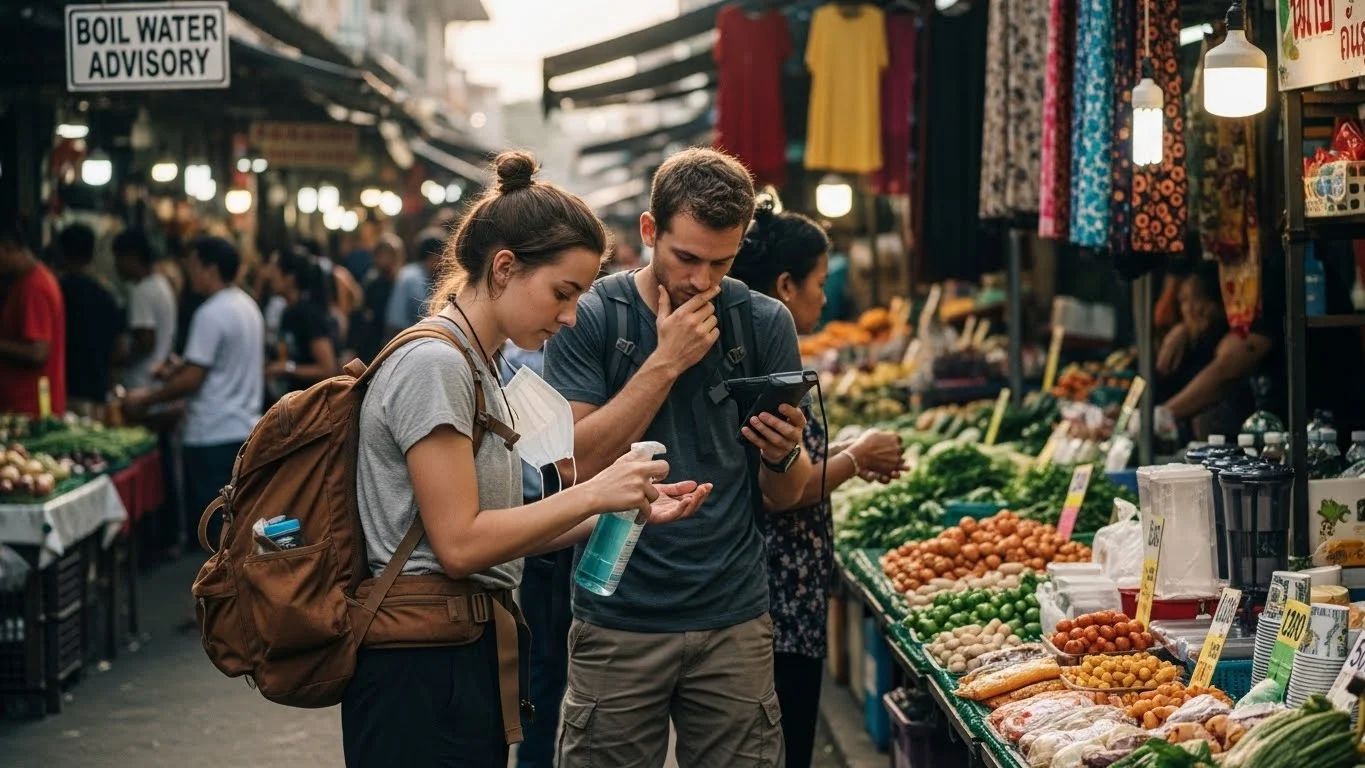
Understanding Health Risks While Traveling
When I embarked on my first backpacking adventure, I quickly learned how vital it is to understand the health risks that come with traveling. Each destination has its unique challenges, and being prepared is essential. I felt a mix of excitement and anxiety as I researched and planned for potential health issues. Here’s what I discovered during my travels.
Common Health Issues for Backpackers
As a backpacker, you may encounter various health issues, especially if you’re venturing off the beaten path. I remember getting a mild stomach bug in Southeast Asia, which reminded me that our bodies react differently to new environments. Some common health problems I’ve seen among backpackers include:
- Gastrointestinal Issues: It’s not uncommon to experience food poisoning or traveler’s diarrhea. I learned to be cautious about street food and opted for restaurants that looked clean and busy.
- Respiratory Infections: Staying in hostels or crowded areas increases the risk of catching colds or flu. During my travels, I always kept hand sanitizer handy and tried to avoid close contact with sick travelers.
- Allergies: New places mean new allergens. I often pack my allergy medications just in case, especially when I encounter unfamiliar plants or foods.
Regional Health Concerns
Every region has its specific health concerns. I remember researching which diseases to be aware of before heading to Africa. In some areas, diseases like malaria and yellow fever are prevalent. Here are a few regional health concerns to consider:
- Malaria: This mosquito-borne illness is a significant risk in tropical and subtropical regions. I decided to pack mosquito repellent and wear long sleeves when trekking through jungles.
- Dengue Fever: Also transmitted by mosquitoes, dengue is another risk in tropical areas. I learned to stay in accommodations with screens or air conditioning.
- Zika Virus: While this may not affect everyone, it’s crucial for pregnant travelers to be aware of this virus in certain regions. I made sure to check travel advisories for updates.
Travel Insurance: Why It’s Essential
One of the best decisions I made was to invest in travel insurance. It may seem like an extra expense, but it’s a lifesaver if you face unexpected health issues. I once fell ill in a remote area and had to visit a local clinic. Thankfully, my insurance covered the costs, allowing me to focus on recovery instead of worrying about bills. Here’s why I believe travel insurance is essential:
- Medical Emergencies: If you need to see a doctor or get emergency care, insurance can save you from hefty out-of-pocket expenses.
- Evacuation Costs: In some cases, you might need to be evacuated to a better medical facility. Insurance can cover those high costs.
- Peace of Mind: Knowing you’re covered helps you relax and enjoy your trip without constantly worrying about potential health issues.
In my experience, having travel insurance was a game-changer. I felt reassured knowing I had a safety net if something went wrong. Before heading out, I always recommend checking different plans to find one that fits your needs and budget.
Preparing for health risks while traveling isn’t just about packing the right medications or knowing the regional concerns. It’s about being proactive and aware of what you might face on the road. As I continued my backpacking journey, I realized the importance of understanding these risks, which allowed me to enjoy my adventures fully and safely. In the next section, we’ll delve into the essential vaccinations and medications you should consider before hitting the road.
Essential Vaccinations and Medications
When I began to prepare for my travels, one of the first things I did was look into the necessary vaccinations and medications I might need. It’s easy to overlook this aspect in the excitement of planning adventures, but I quickly realized that staying healthy while traveling abroad starts with being properly vaccinated. I felt a sense of responsibility, not just for my own health but also for those I would encounter on my journey.
Recommended Vaccinations by Region
Different regions have different health risks, and getting the right vaccinations can protect you from serious diseases. I remember going through a long list of vaccinations before my trip to South America. Here’s a rundown of some recommended vaccinations based on various regions:
- Hepatitis A and B: These vaccines are essential if you’re traveling to many parts of Africa, Asia, or Latin America. I got both shots because I wanted to enjoy local food and drinks without worrying too much.
- Typhoid: This vaccination is particularly important for traveling in areas with poor sanitation. I decided to get vaccinated before heading to India, where I knew I’d be exploring local street food.
- Yellow Fever: Required for certain African and South American countries, this shot is crucial if you plan to visit jungle areas. I vividly remember the feeling of relief after receiving this vaccination; it made me feel more prepared for my journey.
- Rabies: If you’ll be spending time around animals or in remote areas, consider getting the rabies vaccine. I opted for it before my trip to Southeast Asia, just to be safe.
Before traveling, I recommend consulting with a healthcare professional who can help assess your vaccination needs based on your itinerary and personal health history. It’s always better to be safe than sorry.
Over-the-Counter Medications to Pack
Aside from vaccinations, I found it incredibly helpful to pack a small pharmacy of over-the-counter medications. You never know when a headache, allergy attack, or digestive issue might strike. Here’s what I usually take with me:
- Pain Relievers: I never travel without ibuprofen or acetaminophen. They’ve been lifesavers for headaches or muscle aches after a long day of trekking.
- Antihistamines: Allergies can flare up unexpectedly, especially in new environments. I always carry some antihistamines to ward off any allergic reactions.
- Anti-diarrheal Medication: Since stomach issues can pop up while traveling, I recommend bringing something like loperamide. I learned this the hard way when I encountered street food that didn’t agree with me!
- Cold and Flu Medications: A convenient pack of cold medicine can help ease the symptoms if you catch something while on the road. I always kept some in my bag for those moments when I felt under the weather.
Before my travels, I also made a checklist of these medications to ensure I didn’t forget anything essential. It’s a small effort that can lead to a more comfortable trip.
Prescription Medications: What You Need
If you’re on any prescription medications, it’s crucial to plan ahead. I learned to carry enough medication for my entire journey, along with copies of my prescriptions. This way, I wouldn’t face any problems if I needed a refill or if I lost my medication. Here are some tips to keep in mind:
- Consult Your Doctor: Before leaving, I spoke with my physician about my travel plans to ensure I had adequate supplies. They also provided advice on how to store my medications while abroad.
- Keep Medications in Their Original Containers: This helps avoid any confusion at customs and ensures you have the necessary information if you need medical assistance.
- Research Local Availability: In some countries, certain medications might not be readily available. I found it useful to check if my prescriptions could be filled abroad, just in case.
Taking these steps helped me feel more secure during my travels, knowing I had everything I needed. The peace of mind that came from being well-prepared allowed me to focus on enjoying my adventures rather than worrying about potential health setbacks.
As I continued my journey, I remembered that health risks don’t end with vaccinations and medications. There’s a whole other aspect to staying healthy while on the road, especially when it comes to food and water safety. Let’s explore that next!
Food and Water Safety
One of the most vital aspects of staying healthy while traveling is being cautious about what we eat and drink. I learned this lesson the hard way after a nasty bout of food poisoning in a bustling market. Since then, I’ve been diligent about food and water safety, and I want to share some strategies that have helped me navigate these challenges while backpacking. Read Interesting article: Essential Safety Tips for Solo Backpackers on a Budget
How to Avoid Foodborne Illnesses
Foodborne illnesses can quickly ruin a trip, and I’ve seen it happen to fellow travelers. To avoid tasting the bitter flavor of sickness, I’ve developed some habits that keep me safe while still enjoying local cuisine:
- Choose Cooked Foods: Whenever possible, I opt for freshly cooked meals. I remember enjoying steaming dumplings in China, feeling reassured that they were cooked right before my eyes. This way, I know the food is hot and less likely to harbor harmful bacteria.
- Avoid Raw Foods: While salads and fresh fruits can be tempting, I learned to be cautious. I often stick to fruits I can peel myself, like bananas or oranges, which I feel safer consuming. Eating at places with a steady stream of customers also tends to indicate freshness.
- Watch for Food Hygiene: If a food stall looks dirty or uncared for, I steer clear. I’ve found that places that maintain cleanliness and have a visible food preparation area tend to serve safer meals. Trust your gut; if something feels off, it’s okay to walk away.
Safe Drinking Water Practices
Drinking water safety is just as crucial as food safety. I can’t stress enough how important it is to stay hydrated, but I’ve learned the hard way that not all water is created equal. Here’s what I do to stay safe:
- Drink Bottled Water: Whenever I’m in an area with questionable water quality, I always opt for bottled water. I make sure the seal is intact before purchasing, as I once bought a bottle that had been refilled, and it was a mistake I won’t make again.
- Use Water Purification Tablets: For those times when bottled water isn’t available, I carry water purification tablets with me. They’re lightweight and easy to use, which has come in handy on treks where clean water sources were scarce.
- Filter Water with a Straw: I’ve discovered portable water filters that allow me to drink directly from lakes or streams. This has been a game-changer during hikes, giving me peace of mind knowing I can stay hydrated without taking unnecessary risks.
Local Cuisine: What to Try and What to Avoid
Exploring local cuisine is one of the highlights of traveling for me. I love trying new dishes and flavors, but I’ve developed a keen eye for what to sample and what to skip:
- Street Food: While street food can be delicious and offers a genuine taste of local culture, I’ve learned to choose wisely. I often look for vendors with long lines, as this usually means the food is fresh and popular. I remember savoring spicy tacos from a bustling cart in Mexico City, and it was an unforgettable experience.
- Avoid Unfamiliar Dishes: If I see something on the menu that looks too exotic or unusual, I usually play it safe and opt for something I recognize. I once tried a dish I couldn’t identify, and let’s just say it didn’t end well.
- Trust Your Instincts: If a place feels off, I’ve learned to trust my instincts. There are times when I’ve walked into a restaurant and just felt uneasy. Walking away has saved me from potential health issues more than once.
By being mindful of food and water safety, I can enjoy my travels without the fear of falling ill. It’s all about making informed choices and being proactive about what I consume. I feel more empowered when I know I’m taking steps to protect myself, and it allows me to focus on the adventure ahead.
Next, let’s discuss another crucial aspect of staying healthy on the road: personal hygiene and sanitation. This can make a big difference in our overall well-being while traveling!
Personal Hygiene and Sanitation
When I think back on my travels, one of the greatest lessons I learned was the importance of personal hygiene and sanitation. Staying clean can make a big difference in how we feel while on the road. I remember a time in a remote village where I had to rely on my own resources to maintain hygiene, and it was an eye-opener. Here are some practices that helped me stay healthy while traveling.
Hand Washing Techniques
Hand washing is something we often take for granted at home, but it becomes crucial when traveling. I discovered that the simple act of washing my hands can prevent a slew of illnesses. Here’s what I recommend:
- Wash Hands Regularly: I made it a habit to wash my hands before eating and after using the restroom. I found that using soap and water for at least 20 seconds was the best way to ensure cleanliness. Singing a little song in my head while washing helped me keep track of the time!
- Use Hand Sanitizer: When soap and water weren’t available, I always carried a small bottle of hand sanitizer. I preferred one with at least 60% alcohol content. It became my go-to after handling money or using public transport.
- Be Mindful of Touching Your Face: I learned to consciously avoid touching my face, especially my eyes, nose, and mouth, unless my hands were clean. This small act helped prevent germs from entering my body.
Using Public Restrooms Safely
Public restrooms can be a bit daunting, especially in certain countries where hygiene standards may vary. I’ve had my share of interesting bathroom experiences, but I always kept a few tips in mind:
- Bring Your Own Supplies: I typically carried toilet paper, wet wipes, and hand sanitizer in my bag. Some places might not provide these essentials, and having them on hand made me feel more comfortable.
- Avoid Touching Surfaces: Whenever possible, I used my foot to flush or my elbow to open the door. It might seem a bit odd, but it helped minimize contact with potentially dirty surfaces.
- Choose Busy Locations: I often looked for restrooms in busy restaurants or tourist areas. They usually had better maintenance and cleanliness standards than those in less frequented spots.
Dealing with Insects and Parasites
Insects and parasites can be a significant concern when traveling, especially in tropical areas. I learned some tricks to keep myself protected while still enjoying the beautiful outdoors:
- Use Insect Repellent: I never left home without a good insect repellent. Choosing one with DEET or natural alternatives helped me avoid pesky bites, especially when hiking or camping.
- Wear Protective Clothing: Long sleeves and pants became my best friends in areas with high insect activity. I found lightweight, breathable fabrics that kept me cool while providing protection.
- Check for Ticks: After hiking, I always checked my body for ticks. They can carry diseases, so being proactive about inspections helped me stay healthy.
Staying Active and Fit While Traveling
Staying healthy isn’t just about avoiding illness; it’s also about maintaining physical and mental health. I realized early on that incorporating physical activity into my travels improved my mood and energy levels. Here’s how I stayed fit while exploring new places:
Exercise Tips for Backpackers
I found that even simple activities could keep me active during my travels:
- Walk or Bike: Instead of taking public transportation everywhere, I made it a point to walk or rent a bike. This allowed me to explore at my own pace while getting some exercise.
- Use Hotel Gyms: Whenever I stayed in accommodations with a gym, I made it a point to squeeze in a workout. Even a quick 30-minute session helped me feel recharged.
- Join Local Fitness Classes: I loved joining a local yoga or dance class. It was a fun way to meet new people while staying active. Plus, I got to experience local culture in a unique way.
Maintaining Mental Health on the Road
Traveling can be overwhelming at times, and mental health should be prioritized just as much as physical health. Here’s what helped me during my adventures:
- Practice Mindfulness: I took a few minutes each day to meditate or practice deep breathing. It helped me stay grounded amid the chaos of travel.
- Stay Connected: I made it a point to check in with friends and family regularly. Their support provided comfort, especially during challenging moments.
- Keep a Journal: Writing about my experiences helped me process my feelings and reflect on my journey. I found that journaling allowed me to appreciate the little moments that made my travels special.
Emergency Preparedness
Being prepared for emergencies is vital when traveling. I learned that having a plan in place could save time, stress, and even lives. Here are some steps I took:
Creating a Health Emergency Plan
I always made sure to establish a health emergency plan before my trips:
- Know Your Health Insurance: I reviewed my travel insurance policy to understand what was covered. It gave me peace of mind knowing I had support in case of an emergency.
- Emergency Contacts: I kept a list of local emergency contacts, including hospitals and clinics, saved in my phone. This way, I could access them quickly if needed.
- Inform Travel Companions: If traveling with friends or family, I made sure everyone knew the plan for emergencies. Having a clear communication strategy helped us stay calm during stressful situations.
Finding Local Healthcare Services
Researching local healthcare services before my trip was a game-changer:
- Use Apps and Websites: I utilized travel apps to locate healthcare facilities near my accommodations. Knowing where to go in advance eased my worries.
- Ask Locals: I often asked locals for recommendations on trusted doctors or clinics. Their insights were invaluable and helped me feel more secure.
- Language Barriers: I learned a few basic phrases in the local language related to health. This small effort made communication easier in emergencies.
Understanding Local Emergency Numbers
Before heading to a new destination, I always researched local emergency numbers:
- Know the Number: I made sure to memorize the local emergency phone number. It’s surprising how often this detail is overlooked, but it can make a huge difference in critical situations.
- Share with Travel Companions: I shared this information with my travel buddies to ensure everyone was on the same page during emergencies.
- Write It Down: I wrote down emergency numbers and kept them handy, either in my phone or on a piece of paper in my wallet.
Budget-Friendly Health Products
Staying healthy while traveling doesn’t have to break the bank. I found several budget-friendly health products that made a big difference in my travels:
Travel Health Kits: What to Include
Creating a travel health kit was one of the best decisions I made:
- Basic Medications: I included pain relievers, antihistamines, and anti-diarrheal medication. Having these essentials on hand saved me from unnecessary stress and illness.
- First Aid Supplies: Band-aids, antiseptic wipes, and gauze made up my first aid kit. I never knew when I might need them, especially during outdoor adventures.
- Personal Hygiene Items: I made sure to pack hand sanitizer, wet wipes, and feminine hygiene products. Keeping clean while on the go is essential!
Affordable Health Insurance Options
I found that shopping around for health insurance options made a big difference:
- Compare Plans: I compared different travel insurance plans and read the fine print to ensure I was getting the best coverage for my needs.
- Look for Discounts: Many companies offer discounts for booking online or for longer trips. I made sure to take advantage of these offers.
- Read Reviews: Checking customer reviews helped me choose a reputable company that provided reliable coverage.
Discounts on Healthcare Services Abroad
Lastly, I discovered that many countries offer discounts for tourists seeking medical care:
- Research Local Options: I looked up local clinics and hospitals that offered affordable services for travelers. Some even had special rates for foreigners.
- Negotiate Costs: In some cases, I was able to negotiate costs for certain services, especially in countries where haggling is common.
- Ask for Recommendations: I often asked fellow travelers or locals for recommendations on affordable healthcare providers. Their insights led me to some excellent resources.
Staying Informed During Your Trip
Finally, staying informed during my travels was crucial for maintaining my health. I found that being proactive helped me navigate potential health risks effectively. Here are some strategies I employed:
Using Travel Apps for Health Updates
Technology has made it easier than ever to stay informed:
- Download Essential Apps: I found travel apps that provided health updates, vaccination requirements, and even local health news. Staying informed helped me adapt to changing situations.
- Set Alerts: I set alerts for any travel advisories related to health concerns. This way, I was always in the loop and could adjust my plans accordingly.
- Engage with Online Communities: I joined travel forums and social media groups where fellow travelers shared their experiences. Learning from others gave me valuable insight into staying healthy on the road.
Connecting with Local Health Organizations
Building connections with local health organizations can be beneficial:
- Local Clinics: I made an effort to visit local clinics or health organizations to gather information on health risks and recommendations for travelers.
- Volunteer Opportunities: If time allowed, I often looked for volunteer opportunities with local health organizations. It was a great way to give back while learning about health issues in the area.
- Attend Health Fairs: I discovered that some cities host health fairs or workshops for travelers. Attending these events helped me gain insights and resources.
Staying Updated on Travel Advisories
Finally, I always checked travel advisories before and during my trips:
- Government Websites: I relied on official government websites for the latest travel advisories related to health risks and safety concerns.
- Follow Local News: I made a habit of checking local news sources for updates on health issues, natural disasters, or any emerging situations that might affect my travels.
- Join Local Expat Communities: Connecting with expats in the area helped me stay informed about health and safety issues from a local perspective.
Final Thoughts
Traveling on a budget while maintaining health and safety is all about preparation and awareness. Throughout my journeys, I’ve learned that a little effort goes a long way. By understanding health risks, staying informed, and taking proactive steps, I’ve been able to enjoy countless adventures without compromising my well-being. I hope that by sharing my experiences and strategies, you feel empowered to embark on your own travels with confidence. Safe travels! Read Interesting article: Top 10 Eco-Lodges for Budget Backpackers in 2023
Frequently Asked Questions
What are some common health issues backpackers face while traveling?
Backpackers may encounter various health issues, including gastrointestinal issues like food poisoning or traveler’s diarrhea, respiratory infections due to crowded accommodations, and allergies from unfamiliar plants or foods.
What regional health concerns should travelers be aware of?
Travelers should be aware of diseases like malaria, dengue fever, and Zika virus, particularly in tropical and subtropical regions. It’s important to check travel advisories for specific health risks in each destination.
Why is travel insurance considered essential for travelers?
Travel insurance is vital as it covers medical emergencies, evacuation costs, and provides peace of mind, allowing travelers to focus on enjoying their trip without worrying about unexpected health issues.
What vaccinations are recommended for travelers?
Recommended vaccinations include Hepatitis A and B for parts of Africa, Asia, or Latin America, Typhoid for areas with poor sanitation, Yellow Fever for certain African and South American countries, and Rabies for those spending time around animals.
What over-the-counter medications should travelers pack?
Travelers should consider packing pain relievers (like ibuprofen or acetaminophen), antihistamines for allergies, anti-diarrheal medication, and cold and flu medicines to address various health issues that may arise during their trip.
How can travelers ensure food and water safety?
To avoid foodborne illnesses, travelers should choose freshly cooked foods, avoid raw foods, and prioritize hygiene. For drinking water, it’s best to consume bottled water, use purification tablets, or filter water from natural sources.
What personal hygiene practices should travelers follow?
Travelers should wash their hands regularly, use hand sanitizer when soap and water aren’t available, and be mindful of touching their face to prevent illness.
How can travelers maintain physical and mental health while on the road?
Travelers can stay active by walking, biking, or using hotel gyms, and maintain mental health by practicing mindfulness, staying connected with friends and family, and journaling about their experiences.
What steps should travelers take in case of a health emergency?
Travelers should create a health emergency plan, know their health insurance details, keep a list of local emergency contacts, and inform travel companions about the plan to ensure a coordinated response during emergencies.
How can travelers stay informed about health risks during their trips?
Travelers can use travel apps for health updates, connect with local health organizations, and check government websites and local news for the latest travel advisories related to health and safety.