
Family backpacking adventures are an exciting way to bond, explore nature, and create lifelong memories. With the right packing tips, you can ensure a smooth journey that everyone will enjoy! Read Interesting article: Smart Backpacking Tips to Save Money on Your Next Trip
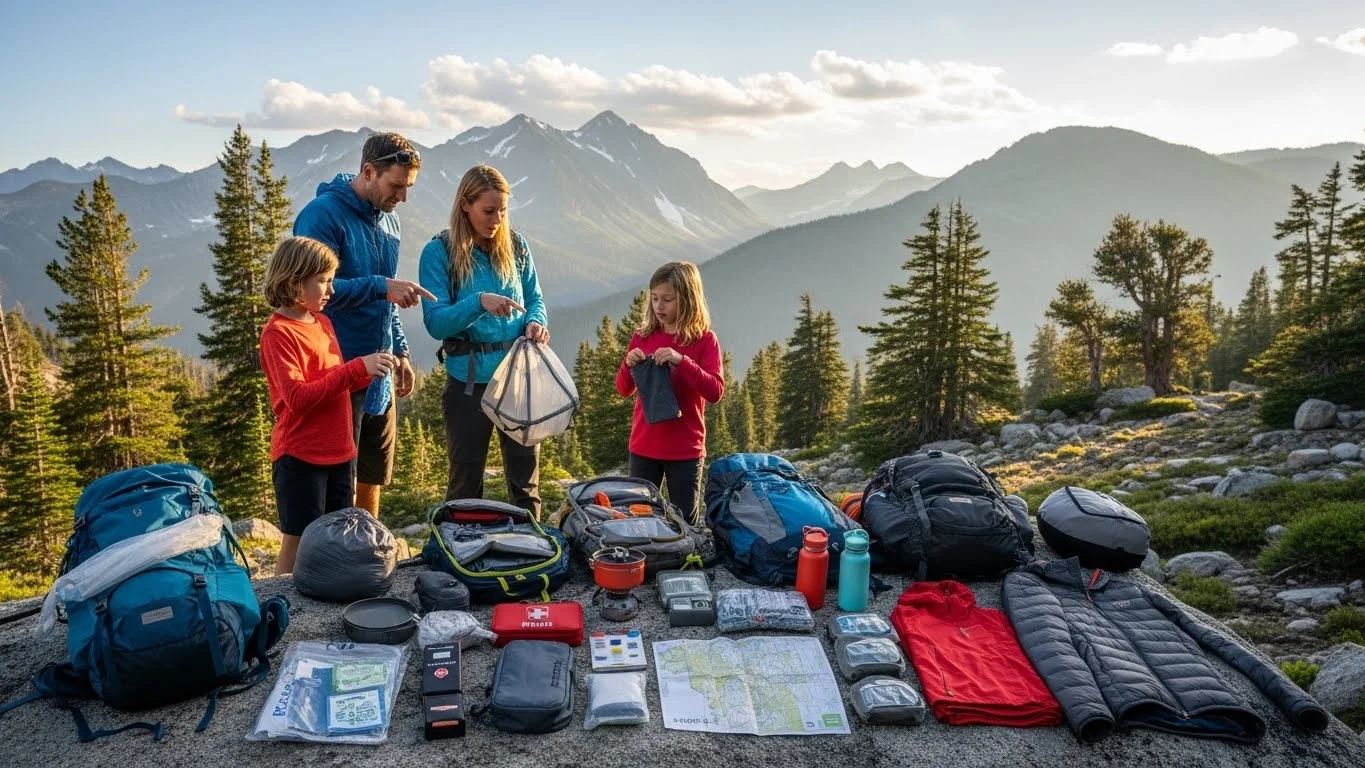
Understanding Family Backpacking Basics
What is Family Backpacking?
Family backpacking is essentially the art of hiking while carrying all your gear in a backpack. It’s a way for families to connect with nature, engage in physical activity, and experience the great outdoors together. I remember the first time my family and I decided to go backpacking; it was a blend of excitement and nervousness as we loaded up our packs and headed out on the trail. The thrill of exploring new places while being fully responsible for our gear made every trip an adventure.
Benefits of Backpacking with Family
Backpacking with family brings a plethora of benefits. First, it allows us to unplug from our busy lives and reconnect with each other. I’ve seen how spending time in nature can spark conversations that wouldn’t normally happen at home. We share stories, laugh at silly moments, and face challenges together, which strengthens our bond.
Another significant benefit is the physical aspect. Hiking is a great way to stay active, and it’s something that can be enjoyed by all ages. I’ve seen my kids thrive and grow stronger with each journey, embracing the challenge of the trail. Plus, being in nature can boost our mood and well-being, something that we all appreciated after a long week. If you’re looking for more tips, check out 10 Essential Backpacking Tips for Budget Travelers.
Choosing the Right Destination
Choosing the right destination for family backpacking is crucial. I’ve learned that not all trails are created equal, and it’s important to consider the skill level of everyone in the family. We started with easy, well-marked trails, which allowed us to build confidence and enjoy the experience without feeling overwhelmed. As we gained more experience, we began to explore more challenging routes.
When picking a destination, I often consider factors like the distance to hike, the terrain, and the availability of water sources. Family-friendly trails typically have shorter distances and beautiful scenery to keep everyone motivated. I also check for campsites along the way, as having a comfortable place to rest at the end of a day is essential for a successful trip.
Another tip is to look into local parks or national forests, which often have designated family-friendly hiking areas. I’ve found that these locations can provide a wealth of information on trail conditions, safety tips, and family-oriented activities available in the area. It’s always a good idea to do a little research and perhaps even visit the site beforehand, if possible, to gauge what it has to offer. For those interested in cultural experiences, Backpacking Tips for Visiting Cultural Heritage Sites Cheaply can provide valuable insights.
Essential Packing List for Family Backpacking
Backpacks: Choosing the Right Size
When it comes to backpacks, size matters. I remember the first time I bought a backpack for my daughter; it was too big for her little frame, and it quickly became a source of frustration. I’ve learned that it’s crucial to choose a backpack that fits each family member properly. For adults, look for backpacks that are adjustable and have padded straps for comfort. When it comes to kids, a smaller, lightweight pack that’s easy to carry is key. My son loves his small pack with fun designs, which makes him more eager to carry his own gear.
Clothing Essentials for Different Weather Conditions
When packing clothing, I always remind myself to be prepared for various weather conditions. Layers are my best friend. I’ve found that packing moisture-wicking base layers, insulating mid-layers, and waterproof outer layers can make a world of difference. On one trip, we were caught in a sudden rainstorm, and because I had packed our waterproof jackets, we were able to stay warm and dry, turning a potentially miserable experience into a fun story to tell.
Additionally, I recommend including extra socks and hats, as they can make a long hike much more comfortable. I always pack a pair of lightweight gloves too, just in case it gets chilly. It’s surprising how quickly the weather can change, so being prepared is essential.
Footwear: Importance of Comfortable Shoes
Footwear can make or break a backpacking trip. I remember one miserable hike where my shoes were too tight, and by the end of the day, I was limping along. I’ve since learned the importance of good hiking boots or shoes that provide support and cushioning. I always recommend trying on several pairs and breaking them in before the trip—this can prevent blisters and discomfort on the trail.
For my kids, I keep an eye out for shoes that are lightweight yet sturdy, ensuring they have a good grip. They’ve grown to appreciate their hiking shoes, and I love how they encourage them to explore without worrying about their feet!
Camping Gear: Tents, Sleeping Bags, and Cooking Equipment
When it comes to camping gear, choosing the right equipment is vital. I’ve spent a lot of time researching tents that are both lightweight and easy to set up. For our family, a tent that fits everyone comfortably is non-negotiable. I’ve learned the hard way that a cramped tent can lead to restless nights.
Sleeping bags are equally important; I look for ones that are suitable for the expected temperatures. My family prefers sleeping bags that are roomy, allowing for some movement during the night. We also enjoy lightweight cooking equipment that’s easy to pack but still allows us to prepare warm meals, which can be a highlight of our trips.
Essential Packing List for Family Backpacking
First Aid Kit: Must-Have Items
Having a well-stocked first aid kit is something I never take for granted anymore. On our first backpacking trip, my son tripped and scraped his knee, and I was so grateful I had packed a first aid kit. It included band-aids, antiseptic wipes, and some basic pain relievers. I’ve learned that it’s important to customize your kit based on your family’s needs. For us, I always include items like allergy medication and blister pads, especially since we all have different sensitivities and needs.
Additionally, I recommend taking along some essential items like gauze, tape, and a pair of tweezers. I remember when my daughter found a splinter in her finger, and having tweezers on hand made the situation a lot easier. When packing, I also make sure to check expiration dates on any medications or supplies. Trust me, a well-prepared first aid kit can turn a potentially stressful situation into just a minor hiccup in our adventure.
Navigation Tools: Maps, Compasses, and GPS Devices
Navigation is another key aspect of our family backpacking trips. I’ve found that relying solely on a GPS device can sometimes lead to trouble, especially when the battery dies or we find ourselves in areas with poor reception. That’s why I always pack a physical map and a compass, too. I love the idea of teaching my kids basic navigation skills, and it’s a fun way to bond. We sometimes play games where they have to read the map and help us get to our next destination.
In our experience, having multiple navigation tools has saved us from getting lost more than once. I remember one trip where we took a wrong turn, but thanks to our map and compass, we found our way back on track. Plus, it’s a good opportunity to disconnect from technology and enjoy the beauty of nature!
Packing Strategies for Families
Involving Kids in the Packing Process
Involving my kids in the packing process has always made our trips more enjoyable. I’ve noticed that when they help pack their own gear, they feel a sense of ownership and responsibility. I often lay out all the gear and let them choose what they want to bring. This not only makes them excited about the trip, but it also helps me keep track of what we’re taking.
One time, my daughter insisted on bringing her favorite stuffed animal along. At first, I hesitated, thinking it would take up space, but I decided to let her pack it. It turned out to be a great comfort for her on the trail and made for some adorable photos! Involving them in this way teaches them valuable skills and makes them feel like part of the planning team.
How to Pack Light: Tips for Reducing Weight
Packing light is something I’ve learned to master over the years. I remember my first few trips where I packed way too much, and it made the hike exhausting. I’ve realized that less is more. I recommend making a list of essentials and sticking to it. Before every trip, I go through our gear and ask myself if each item is truly necessary.
One trick I’ve adopted is to share items, like a single cooking pot instead of individual ones for each person. I also prefer to bring lightweight gear that serves multiple purposes. For example, a bandana can be used for anything from a sweatband to a pot holder. When we can cut down on weight, it makes a huge difference in our comfort and enjoyment on the trail.
Organizing Gear: Packing Cubes and Compression Sacks
Keeping our gear organized has been a game-changer for us. I discovered packing cubes and compression sacks, and they’ve made such a difference in how we pack. I use packing cubes to sort clothing by person, making it easy for everyone to find what they need without digging through a big pile. This has saved us time and hassle on the trail.
Compression sacks are fantastic for sleeping bags and bulky clothing. They help maximize space in our backpacks, allowing us to fit everything we need without overloading ourselves. I can’t tell you how much more enjoyable our hikes have been since adopting these organizational tools. It’s like having a mini closet in our packs!
Utilizing Multi-Purpose Items
Multi-purpose items have become a staple in my packing strategy. I’ve found that bringing along things that can serve multiple functions helps reduce the amount of gear we carry. For instance, a Swiss Army knife is great not just for cutting food, but also for fixing gear or opening cans.
Another favorite of mine is using a lightweight tarp. It can serve as a ground cover for our tent, a picnic blanket, or even a makeshift shelter if it rains. The more versatile our gear, the lighter our packs become, and I’ve found that it leads to a much more enjoyable hiking experience. It’s amazing how creative we can be with a few handy tools!
Food and Nutrition on the Trail
Choosing Lightweight and Nutritious Snacks
When it comes to food on our backpacking trips, I’ve learned that planning is key. Choosing the right snacks can make a huge difference in keeping our energy levels up without adding too much weight to our packs. I often opt for lightweight, calorie-dense snacks that provide the nutrition we need. My family loves trail mix, which I make by combining nuts, dried fruit, and a few chocolate pieces for a little indulgence. It’s such a hit that the kids look forward to it every time we head out.
Another favorite of ours is energy bars. I usually try to select bars that are packed with whole ingredients. We’ve experimented with different brands and recipes, and it’s fun to find ones that everyone enjoys. I also recommend packing some nut butter packets; they’re great for a quick energy boost. We’ve found that these snacks not only keep us going on the trail but also help us bond during our breaks as we share our favorites.
Meal Planning for Backpacking Trips
Meal planning can feel overwhelming, but I’ve discovered that keeping it simple is the best approach. I usually create a meal plan before each trip, considering our hiking schedule and how long we’ll be out. For breakfast, oatmeal is a go-to option for us. It’s lightweight, easy to prepare, and filling. I like to bring along some dried fruits to add flavor and nutrients.
For lunch, I often prepare wraps or sandwiches that can be eaten on the go. I’ve learned to avoid anything too messy, as eating on the trail can be tricky. Dinner is where I get a little more creative. I enjoy pre-packaging dehydrated meals that only need hot water—it’s a lifesaver after a long day on the trail. I’ve found that meal time is not just about nourishment, but also a time to relax and recount the day’s adventures with the family.
Cooking Gear and Techniques for Families
Cooking while backpacking doesn’t have to be complicated. I’ve invested in a lightweight camping stove that’s easy to set up and use. It’s become an essential part of our gear. We usually bring a small pot for boiling water and cooking meals. I’ve learned to keep our cooking gear minimal, so we don’t have to haul around extra weight. One pot meals have been a game-changer for us—less cleanup means more time to enjoy the outdoors!
I also like to pack a portable coffee press for those early mornings. It has become a little ritual for me to brew coffee while the kids enjoy their breakfast. It’s these small comforts that make our trips feel more like home. I’ve found that involving the kids in cooking can be a fun activity, too. They love helping out, whether it’s stirring the pot or measuring ingredients, which makes them feel more engaged in the whole process.
Safety and Comfort Considerations
Preparing for Weather Changes
Weather can be unpredictable, especially in the mountains, so preparing for changes is something I always prioritize. I remember a trip where we started out under clear skies, but by mid-afternoon, dark clouds rolled in, and suddenly we were caught in a downpour. Thankfully, I had packed extra layers and rain gear, which kept us dry and comfortable. I’ve learned to always check the weather forecast before we head out and pack accordingly.
I also encourage my family to dress in layers so we can adjust to changes quickly. On cool mornings, we start with our base layers, and as the day warms up, we can peel off layers as needed. Packing an emergency poncho or lightweight tarp can be a lifesaver too, in case we need extra protection from the elements. It’s all about being prepared and flexible, which has transformed our experiences during unpredictable conditions.
Hygiene Essentials for Family Backpacking
Maintaining hygiene while backpacking is often overlooked, but it’s crucial for our comfort and health. I always pack biodegradable soap, hand sanitizer, and a small trowel for digging a hole when nature calls. I’ve learned that having these essentials can make a world of difference, especially when we’re deep in the woods. We also bring along a quick-dry towel for washing hands and faces after meals.
For dental hygiene, I make sure each family member has a travel toothbrush and toothpaste. It’s funny how a simple routine like brushing our teeth at the end of the day helps us feel a little more at home, even in the great outdoors. I also recommend packing some wet wipes for those times when a shower isn’t an option. They’ve become a staple for our hygiene kit and a comfort after a long day of hiking.
Emergency Preparedness and Contact Information
Being prepared for emergencies is something I take very seriously. I always ensure that each family member carries a whistle and that we have a plan for what to do in case someone gets lost or separated. I remember a hike where my daughter wandered a little too far ahead, and having that whistle allowed her to signal us quickly. It was a great reminder that even small measures can make a big difference.
Before we leave, I also make sure to share our itinerary with a family member or friend who isn’t going with us. This way, someone knows where we are supposed to be, which could be crucial in case of an emergency. I believe that having a first aid kit is just as important as having contact numbers for parks or emergency services. It’s all about being prepared so that we can focus on enjoying our adventure without unnecessary worry.
Frequently Asked Questions
What is family backpacking?
Family backpacking is the art of hiking while carrying all your gear in a backpack, allowing families to connect with nature, engage in physical activity, and experience the great outdoors together.
What are the benefits of backpacking with family?
Backpacking with family allows for unplugging from busy lives, strengthening bonds through shared experiences, and promoting physical activity that can be enjoyed by all ages. It also boosts mood and well-being.
How do I choose the right destination for family backpacking?
Choosing the right destination involves considering the skill level of all family members, picking easy trails to build confidence, and looking for family-friendly trails that include shorter distances and beautiful scenery. Researching local parks or national forests is also beneficial.
What should I pack for family backpacking?
Essential items include properly sized backpacks, clothing for various weather conditions, comfortable footwear, camping gear like tents and sleeping bags, a first aid kit, navigation tools, and lightweight nutritious snacks and meals.
How can I involve kids in the packing process?
Involving kids in packing can enhance their excitement for the trip. Allowing them to choose personal items to bring fosters a sense of ownership and responsibility, making them feel like part of the planning team.
What strategies can help reduce weight when packing for a backpacking trip?
Packing light involves making a list of essentials, sharing items among family members, and using lightweight gear that serves multiple purposes. It’s important to evaluate the necessity of each item before packing.
How can I ensure safety and comfort while backpacking?
To ensure safety and comfort, prepare for weather changes by dressing in layers and packing emergency ponchos. Maintain hygiene with biodegradable soap and hand sanitizer, and be prepared for emergencies by carrying whistles and sharing your itinerary with someone not on the trip.
What types of food should I bring on a backpacking trip?
Choosing lightweight, calorie-dense snacks like trail mix and energy bars is recommended. Meal planning should focus on simple, easy-to-prepare options like oatmeal for breakfast and dehydrated meals for dinner.
Why is navigation important during family backpacking trips?
Navigation is crucial to avoid getting lost. It’s beneficial to pack a physical map and compass, along with a GPS device, to teach basic navigation skills and ensure the family can find their way even without technology.
What items should be included in a first aid kit for backpacking?
A well-stocked first aid kit should include band-aids, antiseptic wipes, pain relievers, gauze, tape, tweezers, allergy medication, and blister pads, tailored to the family’s specific needs and checked for expiration dates.