
Backpacking with family can be one of the most rewarding adventures, filled with laughter, exploration, and unforgettable memories. Here’s how to make the most of your family backpacking trips with essential tips on packing and preparation. Read Interesting article: Eco-Friendly Packing Tips for Budget Backpackers
Understanding Family Backpacking
What is Family Backpacking?
Family backpacking is a unique way to spend quality time together while exploring the great outdoors. It involves carrying all your gear in backpacks, allowing you to hike to various campsites, enjoy nature walks, and immerse yourselves in beautiful landscapes. I remember my first family backpacking trip; we packed our essentials, hit the trails, and felt an incredible sense of freedom as we wandered through the woods, discovering new places together. It was a bonding experience, one that I cherish to this day.
Benefits of Family Backpacking
There are countless benefits to family backpacking that I have come to appreciate over the years. First and foremost, it encourages family bonding. With no distractions from technology, we found ourselves connecting in ways we hadn’t before. Hiking together, setting up camp, and cooking meals as a family fostered teamwork and communication.
Moreover, spending time outdoors has immense health benefits. We were more active, breathing fresh air and soaking in the beauty of nature, which uplifted our spirits. I noticed how my kids became more curious about their surroundings, asking questions about plants, animals, and ecosystems. This sparked a love for nature that I hope they carry with them for a lifetime.
Lastly, family backpacking promotes resilience and adaptability. We learned to face challenges together—whether it was a sudden rainstorm or a long hike uphill. Overcoming these obstacles taught us valuable lessons about patience and perseverance.
Recommended Destinations for Family Backpacking
Choosing the right destination can make or break your family backpacking adventure. When we first started, we opted for locations that were kid-friendly and offered various trail options to suit different skill levels. Here are a few recommendations based on my experiences:
- Great Smoky Mountains National Park: This park offers numerous trails ranging from easy to moderate. The scenic views and diverse wildlife make it a perfect spot for families.
- Yosemite National Park: Known for its breathtaking beauty, Yosemite has family-friendly trails like the Mirror Lake Trail, which is relatively easy and showcases stunning landscapes.
- Shenandoah National Park: With plenty of short hikes and beautiful vistas, Shenandoah is ideal for families looking to enjoy a weekend getaway.
- Acadia National Park: This park combines both the mountains and the sea. The Jordan Pond Path is a great choice for families with its flat terrain and picturesque views.
These destinations not only offer beautiful trails but also provide facilities and resources that cater to families, making it easier to prepare for your backpacking trip. Additionally, if you’re looking for more ideas on packing, check out Essential Green Packing Tips for Budget Backpackers.
Essential Gear for Family Backpacking
Choosing the Right Backpack
Finding the right backpack is crucial for a successful family backpacking trip. I remember the first time I bought backpacks for my family; I didn’t realize how important it was to choose the right size and fit. For adults, look for packs with good support and plenty of storage. For kids, I recommend a smaller, lighter pack to ensure they can carry their essentials without getting overwhelmed.
When selecting backpacks, consider features such as adjustable straps, hip belts for weight distribution, and rain covers. I found that involving my kids in the selection process made them more excited about the trip and more willing to carry their own gear.
Family-Friendly Tent Options
A good tent can make all the difference in your camping experience. We discovered that family tents should be spacious enough to accommodate everyone comfortably, with enough room for gear. I recommend looking for tents that are easy to set up; after a long day of hiking, the last thing you want is to grapple with complicated instructions. Consider options with multiple entrances for easy access, especially when kids need to trot out for a moment!
Sleeping Bags for All Ages
Choosing the right sleeping bags is essential for a good night’s sleep. I learned early on that the temperature rating matters—especially in cooler climates. For kids, I found that sleeping bags with fun designs helped them feel more excited about bedtime. Ensure that everyone’s sleeping bag is appropriate for the season, and don’t forget to bring sleeping pads for extra comfort.
Cooking Equipment and Utensils
Cooking on the trail can be a fun family activity, but it requires the right gear. I prefer using a lightweight camping stove, as it makes meal prep quick and easy. Don’t forget to pack a set of collapsible utensils, a pot for boiling water, and a small cutting board. I also recommend bringing along a few simple recipes that everyone can help with, making mealtime an enjoyable experience for the whole family. For additional packing strategies, check out Top Packing Tips for Solo Travelers on a Budget.
Clothing Essentials for All Weather Conditions
Weather can be unpredictable when you’re out in nature, so packing the right clothing is vital. I always make sure to include moisture-wicking base layers, insulating mid-layers, and waterproof outer layers. For my kids, I prefer clothing that is easy to put on and take off, allowing them to adapt quickly to changing temperatures. It’s essential to pack extra socks, as wet feet can ruin a day of fun!
Clothing and Footwear Packing Tips
Layering Techniques for Different Weather
When it comes to dressing for family backpacking trips, I’ve learned that layering is key. The weather can change unexpectedly, so having options allows us to adapt without lugging around a ton of clothes. I usually start with a moisture-wicking base layer, followed by an insulating mid-layer for warmth, and finish with a waterproof outer layer. This way, if it gets chilly, we can add the mid-layer, and if it warms up, we can easily strip down to the base layer. I remember on one hike, we started with a cool morning, but by midday, we were all peeling off layers like they were a second skin! It kept us comfortable and ready for whatever nature threw our way.
Footwear Recommendations for Kids and Adults
Choosing the right footwear is just as important as the clothing we wear. For my family, I always look for sturdy, well-fitting hiking shoes or boots. They need to provide good ankle support, especially for the kids, as they tend to be a bit less stable on uneven terrain. I recommend breaking in new shoes before the trip; I once made the mistake of letting my kids wear brand new boots on our first day, and let’s just say, it wasn’t the best idea! We learned that comfortable socks are equally crucial, so I pack a few pairs of moisture-wicking ones to avoid blisters.
Durable vs. Lightweight Fabrics
In my experience, both durability and weight are crucial when it comes to choosing clothing fabrics. I favor lightweight materials for comfort and ease of movement, but they also need to stand up to wear and tear. For example, I love using synthetic fabrics that dry quickly and resist stains, which is a must when you have kids who seem to find every mud puddle on the trail. I remember one trip when a little slip left my daughter splattered with mud, but her quick-dry pants saved the day. They looked brand new again in no time!
Kid-Friendly Clothing Options
When it comes to dressing my kids for backpacking, I always look for clothing that’s fun and practical. Bright colors or fun patterns not only make them excited to wear their gear but also help me keep track of them on the trail! I’ve found that clothes with built-in sun protection are also a great choice, so the kids can explore without the worry of getting sunburned. Plus, I always pack an extra set of clothes in case of spills or unexpected rain. It’s amazing how a little preparation can go a long way in keeping spirits high during our adventures!
Food and Nutrition Planning
Choosing Portable and Nutritious Snacks
Food is an essential part of our backpacking experience, and I make it a priority to pack nutritious snacks that are easy to carry. I usually opt for a mix of trail mix, granola bars, and fresh fruits like apples or bananas. These snacks keep everyone energized without weighing us down. I remember the first time I packed peanut butter and jelly sandwiches; they were a hit, but they also turned into a sticky mess by lunchtime! Now, I prefer to keep things simple and pack items that are less likely to get squished.
Meal Planning for Family Backpacking Trips
Meal planning has become one of my favorite parts of preparing for a trip. I usually plan for simple, one-pot meals that everyone can help make. Pasta with a light sauce, instant rice with veggies, and even dehydrated meals have become staples in our menu. I’ve found that involving my kids in the meal planning process not only teaches them about cooking but also makes them more excited about eating what we prepare together. After all, there’s something magical about a warm meal after a long day of hiking!
Water Filtration and Hydration Strategies
Staying hydrated is vital, especially during a backpacking trip. I always pack a reliable water filtration system, like a filter pump or a gravity filter, to ensure we have access to clean water. We’ve had some great experiences filling our bottles from mountain streams, and the kids love the idea of drinking “nature’s water.” I also encourage everyone to drink regularly, setting reminders if needed. I’ve noticed that when we’re busy hiking, it’s easy to forget to hydrate, so keeping water easily accessible helps.
Safety and First Aid Essentials
First Aid Kits for Families
Safety is paramount when we venture into the wilderness, so I always pack a well-stocked first aid kit. I’ve learned the hard way that it’s not just about having band-aids and antiseptic; we need to include items like insect repellent, allergy medication, and blister treatment. Preparing for the unexpected helps us focus on enjoying our time outdoors. I usually go through the kit with my kids before the trip, teaching them what each item is for. This not only prepares us for accidents but empowers them to be responsible.
Emergency Contact Information and Safety Plans
It’s essential to have a safety plan in place. Before we set off, I make sure everyone knows our route and the estimated time we’ll be out. I also carry a map and a compass, even if I often rely on GPS. I’ve realized that it’s better to have a backup plan in case technology fails. We discuss what to do if someone gets separated from the group, and I always make sure to have emergency contact information accessible for everyone.
Understanding Wildlife Safety
Wildlife encounters can be thrilling, but they also require caution. I talk to my kids about how to behave if we see animals like bears or snakes. We’ve learned to make noise while hiking, so we don’t startle any wildlife. I find it’s important to instill a sense of respect for nature in my kids, so they understand that while animals are fascinating, we must admire them from a safe distance. This education has helped us feel both excited and secure in our adventures.
Organizational Tips for Packing
How to Efficiently Pack a Backpack
Packing a backpack efficiently can make a world of difference in how comfortable and enjoyable our family backpacking trips are. I learned early on that weight distribution is key. I always start by organizing our gear into categories: sleeping, cooking, clothing, and personal items. This way, I can easily find what I need without rummaging through everything. I place heavier items like cooking gear closer to my back for better balance, while lighter items like sleeping bags go towards the bottom of the pack. I also make it a habit to keep snacks and a water bottle easily accessible. This little trick keeps everyone happy and hydrated during our hikes!
Using Packing Cubes for Family Gear
Packing cubes have become my best friends while organizing our gear. I remember the first time I used them; it transformed our packing experience. Each family member gets their own cube for clothing, and I have a separate one for cooking supplies. This not only saves space but also makes unpacking at our campsite a breeze. With the kids helping, they can quickly grab their cubes and set up their own sleeping areas. I’ve noticed that having designated spots for everyone’s gear reduces the chaotic search for lost items, making our overall experience smoother.
Checklist for Family Backpacking Essentials
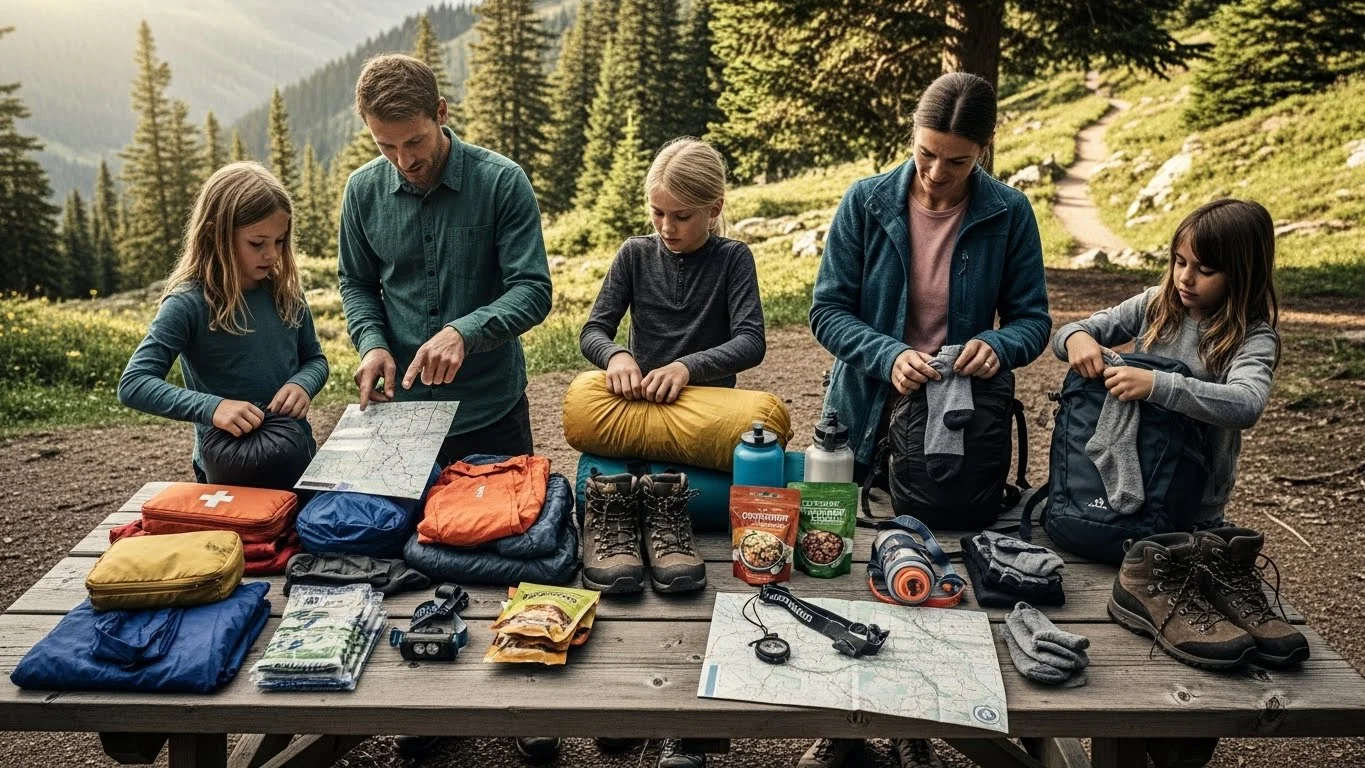
Creating a checklist has been a game-changer for me. I sit down a few days before our trip and list out everything we need, breaking it down into categories like food, gear, and clothing. I involve my kids in this process, allowing them to contribute their favorite snacks or items they want to bring. Having a physical checklist helps keep us organized and ensures we don’t forget essentials. On our last trip, we made sure to include items like a camera to capture memories and a small notebook for the kids to jot down their thoughts about our adventures. It’s a simple practice that adds a touch of excitement to our packing routine!
Involving Kids in the Packing Process
Age-Appropriate Packing Tasks
Getting kids involved in packing is not only fun but also instills a sense of responsibility. For my younger kids, I assign tasks like choosing their favorite clothes or selecting snacks for the trip. I find that letting them pick out their gear makes them more excited about the adventure ahead. For older kids, I encourage them to help pack their own gear, ensuring they understand the importance of what they’re carrying. This not only teaches them valuable skills but also gives them a sense of ownership over the trip. I remember when my son proudly packed his own bag for the first time; he was so excited to show me he had everything he needed!
Teaching Kids About Outdoor Responsibility
Involving our kids in the packing process also provides a perfect opportunity to teach them about outdoor responsibility. I take the time to explain why we need to pack out what we bring in and the importance of Leave No Trace principles. This conversation has led to some fantastic discussions about respecting nature and wildlife. On one trip, we even had a mini scavenger hunt where the kids had to find and identify certain plants and animals while also understanding the need to protect their environment. It’s moments like these that make the packing process more meaningful and educational, deepening their connection with nature.
Tips for a Successful Family Backpacking Experience
Setting Realistic Expectations
One of the most valuable lessons I’ve learned while backpacking with my family is the importance of setting realistic expectations. I remember our first trip, where I planned an ambitious itinerary with long hikes each day. It didn’t take long for us to realize that we needed to adjust our plans. Now, I keep our daily distances manageable, allowing for plenty of breaks and time to enjoy the scenery. We’ve learned to embrace the journey rather than just focusing on the destination. It’s all about creating joyful experiences for everyone, especially the kids, who may tire out more quickly than adults.
Importance of Flexibility in Plans
Flexibility has become a key ingredient in our family backpacking adventures. Whether it’s a sudden rain shower or a tired little one who needs a break, I’ve learned that being adaptable makes the trip much more enjoyable. I remember one hike where we encountered a muddy trail that was almost impassable; instead of pushing through, we chose to explore a nearby area instead. That unexpected detour led us to a beautiful lake where we spent the afternoon. It turned out to be one of the highlights of our trip! Embracing spontaneity has allowed us to create special memories we might have otherwise missed.
Engaging Kids During the Journey
Keeping kids engaged during hikes can sometimes be challenging, but I’ve discovered a few tricks that work wonders. I often play games like “I Spy” or make up stories about the wildlife we encounter. I also take frequent breaks to allow them to explore and collect interesting rocks or leaves. Sometimes, we even bring along a nature journal for the kids to sketch or write about their experiences. This not only keeps them entertained but also encourages their curiosity about the world around them. The more involved they feel, the more they’ll appreciate the beauty of our surroundings.
Frequently Asked Questions
What is family backpacking?
Family backpacking is a unique way to spend quality time together while exploring the great outdoors. It involves carrying all your gear in backpacks, allowing you to hike to various campsites and enjoy nature walks.
What are the benefits of family backpacking?
Family backpacking encourages bonding, promotes health through outdoor activity, sparks curiosity about nature, and teaches resilience and adaptability through overcoming challenges together.
What are some recommended destinations for family backpacking?
Some recommended destinations include Great Smoky Mountains National Park, Yosemite National Park, Shenandoah National Park, and Acadia National Park, all of which offer family-friendly trails and facilities.
What should I consider when choosing a backpack for family backpacking?
When choosing a backpack, consider the size and fit, support features, and storage capacity. For kids, a smaller, lighter pack is recommended to ensure they can carry their essentials comfortably.
What type of tent is best for family backpacking?
A family tent should be spacious enough for everyone and easy to set up. Look for tents with multiple entrances for easy access and enough room for gear.
How can I keep kids engaged during a backpacking trip?
To keep kids engaged, play games like “I Spy,” take frequent breaks for exploration, and bring along a nature journal for them to sketch or write about their experiences.
What are some food and nutrition planning tips for backpacking?
Pack portable and nutritious snacks like trail mix and granola bars, plan simple one-pot meals, and ensure a reliable water filtration system for hydration.
What should be included in a family first aid kit for backpacking?
A well-stocked first aid kit should include band-aids, antiseptic, insect repellent, allergy medication, and blister treatment to prepare for various situations.
How can I efficiently pack a backpack for family trips?
To pack efficiently, organize gear into categories (sleeping, cooking, clothing), distribute weight properly, and keep snacks and water easily accessible.
Why is it important to set realistic expectations for family backpacking trips?
Setting realistic expectations helps manage daily hiking distances, allows for breaks, and emphasizes enjoying the journey, especially for kids who may tire more quickly.