
Planning a safari adventure is thrilling, but it can also feel overwhelming, especially when it comes to packing. Understanding the essentials can make your experience unforgettable and ensure you’re well-prepared for whatever comes your way. Read Interesting article: Top 10 Must-Have Gear for Your Wildlife Safari Adventure
Understanding Safari Types
Before diving into the packing process, it helps to understand the different types of safaris available. Each type has its unique requirements, and knowing which one you’ll be embarking on can significantly shape your packing list. Let me take you through some of the popular safari types based on my own experiences and what I’ve learned over the years.
Traditional Safari
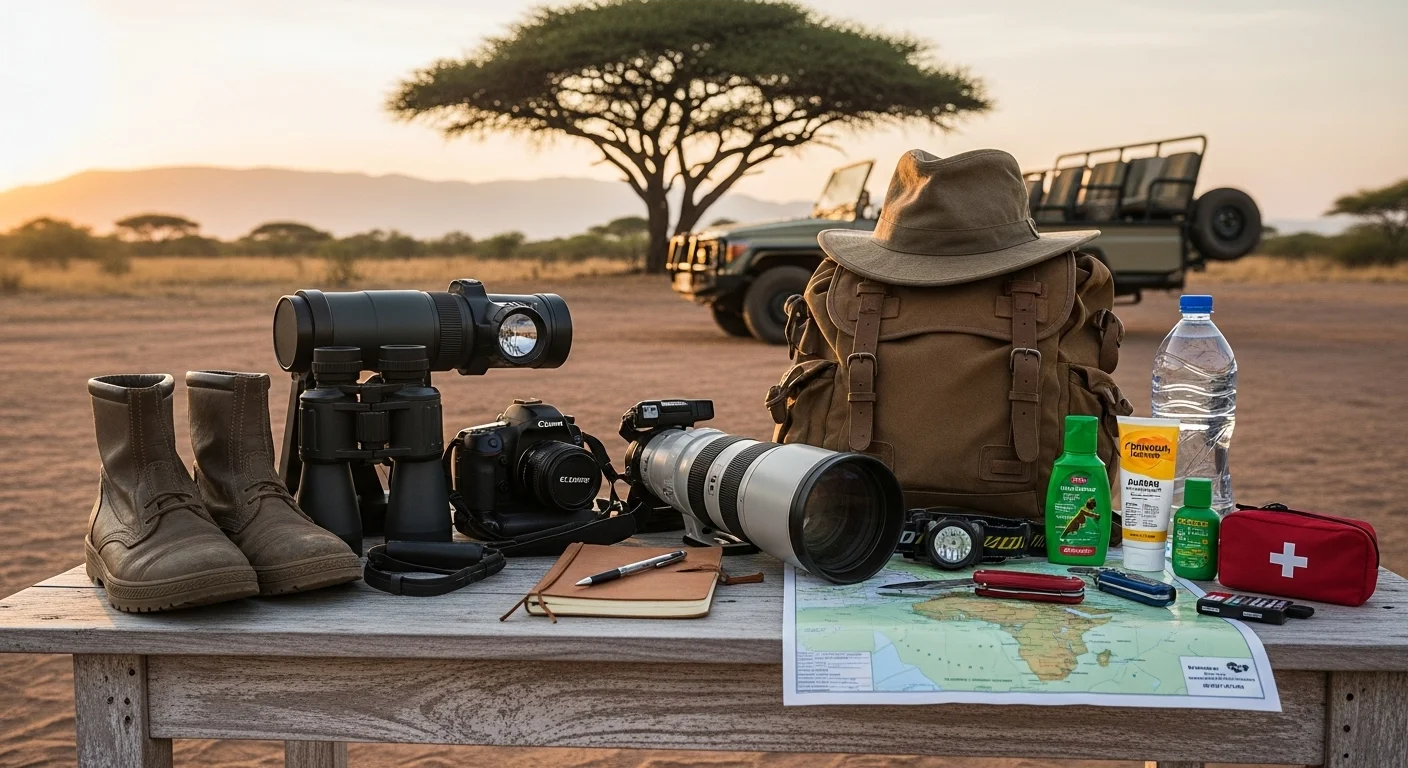
A traditional safari is often what comes to mind when people think about African safaris. Picture yourself in a comfortable 4×4 vehicle, traversing the savanna while watching majestic wildlife. For this type of safari, I found that a good pair of binoculars and a decent camera with a zoom lens are essential. You’ll want to capture those breathtaking moments up close without disturbing the animals.
In terms of packing, I recommend bringing lightweight, breathable clothing that allows for movement and comfort, as you may be sitting for long periods. A hat and sunglasses are also must-haves for protection against the sun. Read Interesting article: Mastering Wildlife Photography: Tips for Your Next Safari Trip
Walking Safari
For those seeking a more immersive experience, walking safaris are absolutely incredible. I remember my first walking safari; the thrill of being on foot, surrounded by nature, was unlike anything else. However, this type of safari requires different gear. You’ll want sturdy hiking boots that provide ankle support, as well as a good daypack to carry essentials like water, snacks, and your camera.
Additionally, I’ve learned that wearing layers is key. Mornings can be chilly, but by midday, temperatures can soar. A lightweight jacket or fleece is perfect for those early starts, and as the day warms up, you can easily shed a layer.
Self-Drive Safari
If you’re up for an adventure, a self-drive safari can be a fantastic way to explore at your own pace. This option gives you the freedom to stop wherever you want, but it also means you need to be well-prepared. I’ve done a couple of these trips, and I found that having a reliable GPS device was a game-changer for navigating through parks and finding campsites.
For a self-drive safari, I suggest packing a cooler for food and drinks, as well as a portable cooking setup if you plan to camp. It’s also wise to bring extra fuel, just in case you find yourself in a remote area where gas stations are scarce.
Photography Safari
If photography is your passion, a photography safari is the way to go. I’ve participated in a couple of these and learned that having the right equipment is crucial. A DSLR or mirrorless camera with a range of lenses will help you capture stunning wildlife shots. A tripod can also be beneficial, especially if you want to take steady shots during sunrise or sunset.
Don’t forget to bring extra batteries and memory cards. There’s nothing worse than running out of storage space or battery life when you’re about to photograph a rare sighting! I also recommend a lens cleaning kit to keep your gear free from dust and dirt, which can be common on safari. Read Interesting article: Essential Wildlife Photography Tips for Budget Safari Travelers
Understanding the type of safari you’ll be taking is essential for packing the right equipment. Each safari experience offers its own set of adventures and challenges, and being prepared can make all the difference. Next, let’s dive into the essential clothing you should consider bringing along.
Essential Clothing for Safari
Lightweight and Breathable Fabrics
When it comes to clothing, my absolute priority is comfort. I’ve found that lightweight, breathable fabrics are the best options for a safari. These materials help wick away sweat and allow for airflow, especially during those hot days in the sun. Fabrics like cotton or moisture-wicking synthetics are perfect.
Neutral Colors for Blending In
Wearing neutral colors is another tip I picked up along the way. Earthy tones like beige, brown, and olive green not only help you blend into the environment but also keep you cooler than bright colors, which can attract unwanted attention from insects. I remember my friend wore a bright red shirt on her safari, and she definitely got more mosquito bites than the rest of us!
Layering for Temperature Changes
Temperature changes are common on safari, especially from day to night. I learned the hard way that layering is essential. I typically wear a t-shirt or tank top, then add a long-sleeve shirt and a lightweight jacket. This way, I can easily add or remove layers as needed. A good pair of cargo pants with zip-off legs can also be a game-changer, allowing you to convert them into shorts when it gets warm.
Comfortable Footwear
Comfortable footwear is a must. I’ve spent entire days exploring, and trust me, a good pair of walking shoes or hiking boots makes all the difference. Look for shoes that provide good ankle support and have a sturdy sole. I also recommend breaking them in before your trip to avoid blisters.
Accessories: Hats, Sunglasses, and Scarves
Don’t forget your accessories! A wide-brimmed hat can protect your face from the sun, while sunglasses shield your eyes from harsh rays. I also like to carry a light scarf; it can serve multiple purposes, such as protecting against dust or keeping warm in the evening chill.
By focusing on the right clothing, you’ll be ready to tackle any safari adventure. Now, let’s look at the must-have gear for wildlife viewing that will enhance your experience and make it even more memorable.
Must-Have Gear for Wildlife Viewing
Binoculars
When it comes to wildlife viewing, a good pair of binoculars can truly enhance your experience. I can’t tell you how many times I’ve been grateful for mine, especially during those quiet moments when animals are at a distance. I recommend looking for binoculars with a magnification of at least 8x; this gives you a decent view without making it too shaky to hold. It’s also worth investing in a pair that’s waterproof and fog-proof, just in case the weather decides to surprise you. I remember spotting a lion pride from afar, and having my binoculars made all the difference in seeing the details of their majestic manes and playful cubs.
Camera and Lenses
If you’re anything like me, capturing the beauty of wildlife through photography is one of the highlights of a safari. A good camera is essential, and I’ve found that a DSLR or a mirrorless camera with interchangeable lenses is the way to go. Ideally, you’ll want a zoom lens to get those close-up shots of animals without getting too close. I often bring a 70-300mm lens for this purpose. On my last trip, I was able to photograph elephants from a distance, which was safer for both them and me. Don’t forget to check your camera settings beforehand; you want to be ready to capture that perfect moment when it happens!
Field Guide for Wildlife Identification
Bringing along a field guide can be incredibly useful for identifying the various species you encounter. I remember on one safari, I stumbled upon a bird I couldn’t quite identify. Having a field guide made it easy to look it up on the spot, and it turned out to be a stunning African Grey Hornbill! There are many great pocket-sized guides available, covering everything from mammals to birds and plants. I recommend picking one that focuses on the specific region you’ll be visiting. It can also serve as a fun conversation starter with fellow travelers!
Notebook for Safari Journaling
Keeping a journal during your safari is one of my favorite ways to document the experience. I’ve found that writing down my thoughts and observations helps me process the adventure and retain memories that I might forget otherwise. I like to jot down details about the animals I see, the landscapes that capture my heart, and even my feelings during each moment. Plus, it’s wonderful to look back on those entries later and relive the excitement. A simple notebook and pen do the trick, but if you prefer digital, a tablet or smartphone works just as well. Just remember to keep it charged!
Camping and Sleeping Equipment
Tent and Sleeping Bag
If your safari includes camping, a high-quality tent and sleeping bag are essential. I’ve had my share of camping experiences, and a good tent can make all the difference in ensuring a comfortable night’s sleep. Look for a tent that is easy to set up and durable against the elements. I usually opt for a three-season tent, as it provides enough protection for varying weather conditions. For sleeping bags, I recommend one that’s rated for cooler temperatures, as the nights can get chilly in the bush. It’s worth testing your sleeping bag at home to ensure it’s comfortable for you.
Sleeping Pad or Mattress
A sleeping pad or inflatable mattress is something I never skimp on. Sleeping on the ground can be hard on your back, and I learned this the hard way on my first camping trip. A good sleeping pad provides insulation and cushioning, making for a much more restful night. Some pads even pack down small, which is great for space-saving in your luggage. I’ve found that investing in a quality pad pays off, as it can really improve your camping experience.
Portable Camping Chair
Having a portable camping chair is a game-changer, especially for relaxing around the campfire after a long day of exploring. I’ve spent many evenings sitting in mine, enjoying the sounds of nature and sharing stories with fellow travelers. Look for lightweight options that fold easily and are comfortable for sitting for extended periods. It’s also nice to have a cup holder for your drink while you soak in the beautiful sunsets!
Cooking and Food Supplies
Portable Cooking Gear
If you’re planning to cook while on safari, having the right cooking gear is vital. I’ve tried a few different setups, but I always go for a compact camping stove that’s easy to use and transport. A multi-burner stove is great for preparing meals, while a simple pot and pan can handle most cooking tasks. Don’t forget utensils, a can opener, and a cutting board! I’ve found that meal prep can be a fun part of the experience, especially when cooking with friends.
Cooler and Food Storage Solutions
Keeping food fresh is important, especially in warmer climates. I usually pack a good cooler to store perishables. When I went on a self-drive safari, I made sure to stock up on ice packs to keep everything chilled. I also recommend using airtight containers to protect food from critters and keep everything organized. Using resealable bags for snacks can save space and make it easy to grab something on the go.
Water Purification System
Staying hydrated is crucial while on safari, and I’ve learned that having a reliable water purification system is essential. There are various options available, from portable filters to purification tablets. I’ve used both, and they’re equally effective. Just be sure to check the instructions ahead of time so you know how to use them properly. I usually fill up my water bottles at the start of each day, ensuring I have enough to last until I can refill again.
Snacks and Energy Foods
Lastly, I can’t stress enough the importance of packing snacks. Long days of wildlife watching can leave you feeling famished, and having easy-to-eat energy foods on hand is a lifesaver. I like to pack a variety of nuts, dried fruits, granola bars, and jerky. These snacks not only keep my energy levels up but also provide a quick bite between meals. It’s nice to have something satisfying to nibble on while waiting for those epic animal sightings!
Health and Safety Essentials
First Aid Kit
When I go on safari, I always make sure to pack a well-stocked first aid kit. I remember the first time I forgot to bring one; it was nerve-wracking because you never know what might happen out in the wild. Basic supplies like band-aids, antiseptic wipes, and pain relievers are must-haves. I also like to include any specific medications I might need, such as antihistamines for allergies or motion sickness tablets. It’s always better to be safe than sorry, and having that little kit can give you peace of mind.
Insect Repellent
Insect repellent is another essential item I never travel without. I’ve had my fair share of itchy bites, and trust me, they can be a real nuisance during your safari adventure. I prefer using a product with DEET, as I’ve found it to be highly effective against mosquitoes and other insects. Applying it regularly throughout the day can keep those pesky bugs at bay. I also recommend wearing long sleeves and pants in the evening when insects tend to be more active.
Sun Protection: Sunscreen and Lip Balm
Sun protection is crucial, especially when you’re out in the open for long periods. I learned this the hard way after ending up with a sunburn on my last safari. I recommend packing a high-SPF sunscreen and applying it generously before heading out each day. Don’t forget about your lips! A good lip balm with SPF can prevent chapping and sunburn, which can be uncomfortable during those long drives or walks.
Personal Medications and Vaccinations
If you take any personal medications, make sure to pack enough for your trip along with a copy of your prescriptions. I also like to check with my doctor about any recommended vaccinations before traveling to certain regions. For instance, some areas may require a yellow fever vaccination, and it’s best to ensure you’re up-to-date on any necessary shots. I’ve found that being prepared in this way helps me focus on enjoying the adventure rather than worrying about my health.
Navigation and Communication Tools
Maps and GPS Devices
Having reliable navigation tools is essential for any safari, especially if you’re going on a self-drive adventure. I usually carry both a physical map and a GPS device. While I love the convenience of GPS, I can’t tell you how many times my phone has lost signal in remote areas. Having a map as a backup can save you from getting lost. I also recommend downloading offline maps beforehand, just in case. It’s important to know where you are, especially in wildlife areas.
Satellite Phone or Emergency Beacon
For more remote safaris, having a satellite phone or an emergency beacon can be a lifesaver. There have been times when I’ve ventured deep into national parks, and I felt much safer knowing I had a way to communicate in case of an emergency. I’ve used a satellite phone on a few trips, and it provided peace of mind when I was far from help. If you’re traveling with a group, consider sharing one between you to lighten the load.
Important Documentation and Money
Passport and Visa Requirements
Double-checking your passport and visa requirements is something I always prioritize before my safari. Some countries have specific entry requirements, and I’ve learned the hard way that it’s best to err on the side of caution. I usually carry both digital and physical copies of my passport, as well as any necessary visas. It can be helpful to keep these documents in a waterproof pouch to protect them from the elements.
Insurance Documents
Travel insurance is something I never travel without, especially on safari. I’ve had friends who faced unexpected medical issues while abroad, and having insurance made all the difference in getting them the care they needed. Before I leave, I ensure I have a copy of my insurance documents and know the emergency contact number for the insurance provider. This way, I can enjoy my safari knowing I’m covered.
Cash vs. Card: What to Bring
When it comes to money, I typically bring a mix of cash and cards. While credit cards are accepted in some areas, many remote locations don’t have card facilities. I recommend carrying local currency for small expenses like tips or snacks. I learned the hard way that it’s smart to have cash on hand for markets or when you’re in a place where cards aren’t accepted. Additionally, I always notify my bank before my trip to avoid any issues with using my cards abroad.
Electronics and Charging Solutions
Camera Batteries and Chargers
As someone who loves photography, I can’t stress enough the importance of bringing extra camera batteries and chargers. I’ve been caught with a dead battery just when I was about to capture a fantastic shot, and it’s incredibly frustrating. I usually pack at least two extra batteries, and I make sure they’re fully charged before I leave. Also, having a charger that works in the local outlet is essential, so I bring an adapter just in case.
Power Bank or Solar Charger
In addition to extra batteries, I find that a power bank is a must-have. When I’m out in the field all day, my phone and camera can drain quickly, and having a power bank ensures I can recharge when needed. A solar charger is also a great option if you’re camping and want to stay off-grid. I’ve used one before, and it’s a nice feeling knowing I can harness the sun’s energy to keep my devices powered.
Portable Wi-Fi Device
If staying connected is important to you, consider bringing a portable Wi-Fi device. While I enjoy disconnecting during my safari, I also like being able to share my experiences in real-time. A portable Wi-Fi device lets me stay connected without relying on local networks, which can be spotty in remote areas. Just be sure to check if it will work in the countries you’re visiting.
Final Packing Tips
Weight and Size Considerations
As you prepare for your safari, I’ve learned that keeping weight and size in mind is crucial. Many airlines have strict luggage weight limits, so I try to pack as light as possible. I often make a list of my essentials and stick to it, ensuring I don’t overpack. Rolling my clothes instead of folding them helps save space, and packing cubes can keep everything organized. It’s all about maximizing what you bring without weighing yourself down.
Checklist for Last-Minute Items
Before heading out, I create a checklist for last-minute items that I might forget in the hustle and bustle of packing. Things like chargers, toiletries, and any snacks I plan to bring are on that list. I find it helpful to check off items as I pack them to avoid any last-minute panic. Having a checklist gives me that extra peace of mind and ensures I’m not missing anything crucial for my safari adventure.
Frequently Asked Questions
What should I pack for a traditional safari?
For a traditional safari, it’s essential to bring a good pair of binoculars, a decent camera with a zoom lens, lightweight and breathable clothing, a hat, and sunglasses for sun protection.
What gear is necessary for a walking safari?
When going on a walking safari, you’ll need sturdy hiking boots, a good daypack for essentials like water and snacks, and layered clothing to adjust to temperature changes throughout the day.
What is recommended for a self-drive safari?
For a self-drive safari, you should have a reliable GPS device, a cooler for food and drinks, a portable cooking setup if camping, and extra fuel for remote areas.
What camera equipment should I take on a photography safari?
A photography safari requires a DSLR or mirrorless camera with a variety of lenses, particularly a zoom lens for close-up shots, along with extra batteries, memory cards, and a lens cleaning kit.
What type of clothing is best for a safari?
Lightweight, breathable fabrics in neutral colors are best for a safari as they help with comfort and blending into the environment. Layering is also recommended for temperature fluctuations.
What items are essential for wildlife viewing?
Key items for wildlife viewing include binoculars with at least 8x magnification, a camera with interchangeable lenses, a field guide for species identification, and a notebook for journaling your experiences.
What camping equipment do I need for a safari?
If camping, you’ll need a high-quality tent, a sleeping bag rated for cooler temperatures, a sleeping pad or mattress for comfort, and a portable camping chair for relaxation.
What cooking supplies should I bring on a safari?
Essential cooking supplies include a portable camping stove, utensils, a cooler for food storage, and a reliable water purification system to ensure safe drinking water.
What health and safety items should I consider for my safari?
A well-stocked first aid kit, insect repellent with DEET, sunscreen and lip balm for sun protection, and any personal medications or vaccinations are vital for health and safety on safari.
What important documentation should I prepare before my safari?
Before your safari, ensure you have your passport and visa requirements, travel insurance documents, and a mix of cash and cards for expenses, especially in remote areas.