
Family road trips can be a thrilling adventure, especially when done on a budget. With the right essential packing tips, you can ensure a fun and worry-free journey for your loved ones.
Planning Your Family Road Trip
Choosing Your Destination
When I think about planning a family road trip, the first thing that comes to mind is choosing the perfect destination. I remember my first family road trip when we drove to a national park. That mix of excitement and anticipation was palpable. I suggest picking a place that offers something for everyone. If your kids love nature, a national park might be ideal. If they are more inclined toward amusement parks, look for somewhere with that thrill. We often discussed what each family member wanted to see and do, which turned out to be a great way to ensure everyone was excited about the trip.
Mapping Your Route
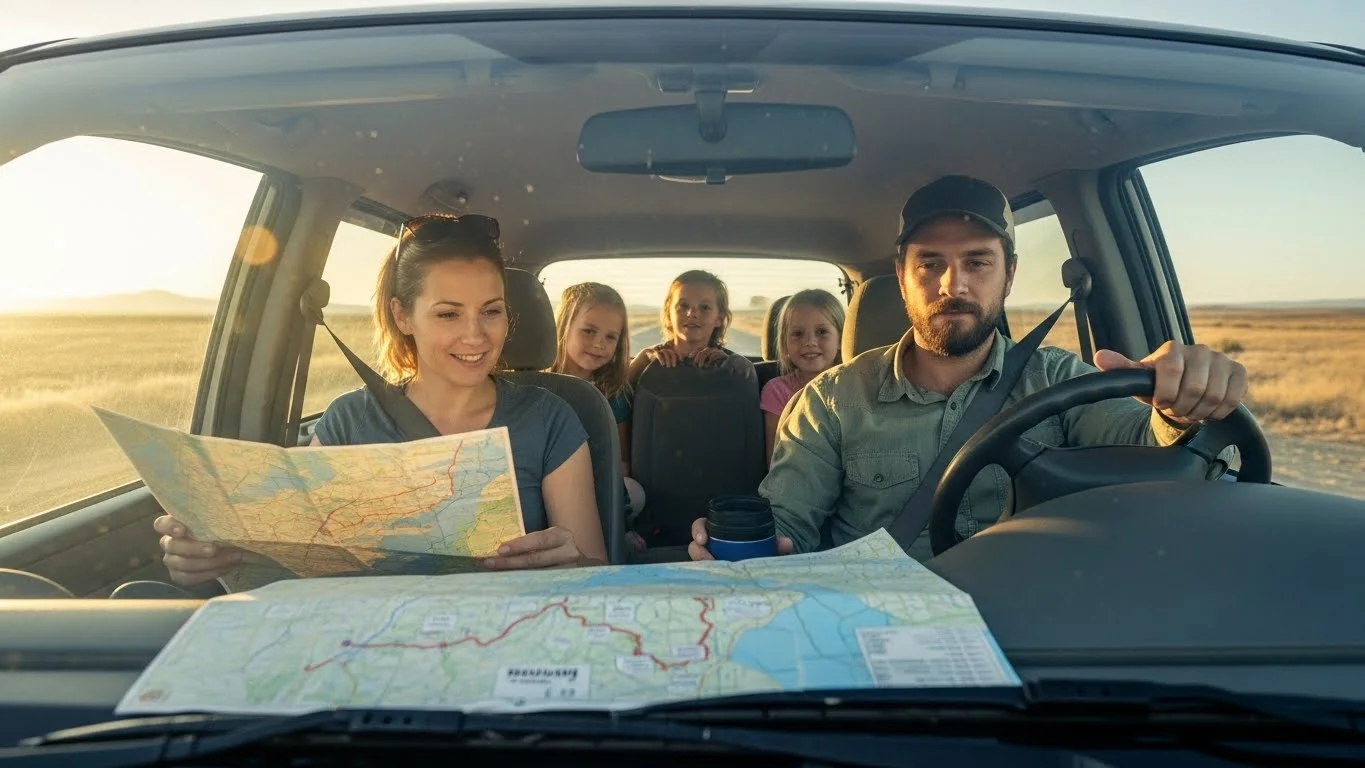
Once the destination is set, it’s time to map out your route. I’ve found that using a combination of GPS and old-fashioned paper maps can save the day, especially if we lose signal in remote areas. I like to plan for scenic routes, which not only make the drive more enjoyable but can also include fun stops along the way. Make sure to check for places of interest – like quirky roadside attractions or picnic spots – because those little detours often turn into cherished memories. When we took a trip across the country, we made it a point to stop at every interesting spot we could find, which made the journey just as memorable as the destination.
Budgeting for Your Trip
Budgeting for a road trip can seem daunting, but I’ve learned that it’s all about prioritizing. Write down all potential costs: gas, food, accommodations, and activities. I always put down a little extra for unexpected expenses because, let’s face it, they happen! One tip I can share is to set a daily spending limit. We did this on our last trip and found it helped keep our spending in check without dimming our fun. I also recommend using budgeting apps or just a simple spreadsheet to track everything. It helps to see where your money is going and allows for adjustments if we find ourselves overspending in one area.
Preparing Your Vehicle
Before we hit the road, I always make sure our vehicle is in tip-top shape. I learned this the hard way after a trip where our car broke down due to neglect. A quick checklist is what I rely on: oil change, tire pressure check, and ensuring all lights are functional. I also recommend having a spare tire and jack, just in case. Recently, we took a long drive, and I made sure to have everything checked beforehand. It gave me such peace of mind knowing we were ready for anything that might come our way. Also, consider downloading a roadside assistance app. It can be a lifesaver if something goes wrong. I felt relieved knowing help was just a click away during our road trip.
Essential Packing Tips for Safety
Emergency Kit Essentials
Packing an emergency kit is something I never skip anymore. I learned that having the right supplies can make a huge difference in a pinch. My go-to items include jumper cables, a flashlight with extra batteries, basic tools, and a first-aid kit. I also add some non-perishable snacks and water, just in case. On our last trip, we ended up using the flashlight when we had to change a flat tire after dark. It’s those moments that remind me how important it is to be prepared.
First Aid Kit Items
Alongside the emergency kit, having a well-stocked first aid kit is crucial. I always include band-aids, antiseptic wipes, gauze, and any medications our family might need. I remember when my son scraped his knee during a roadside stop; having our first aid kit saved the day. We could clean it up on the spot, and I felt like a superhero for being prepared! It’s important to check the kit before each trip to replace any expired items and ensure everything is ready to go.
Food and Water Supplies
Staying hydrated and having snacks handy helps keep spirits high on long drives. I often pack a cooler with water bottles, fruit, and healthy snacks. Not only does it save money on food stops, but it also prevents those hunger-related meltdowns! I’ve found that when kids can munch on something healthy, they’re less cranky and more willing to enjoy the journey. Plus, having snacks on hand means fewer stops, which can add up in travel time. I know from experience that planning meal ideas ahead of time can save both money and time on the road.
Entertainment for Kids
Long hours in the car can be a challenge, especially for kids. I’ve learned that planning entertainment is as essential as packing snacks. We’ve tried everything from audiobooks to road trip bingo, and I personally love creating playlists of our favorite songs. I also pack a bag of toys and books that they can play with during the trip. It keeps them engaged and happy, which makes for a smoother ride. On our last trip, we even made a game out of spotting different license plates, and it turned into a fun family competition! For more ideas, check out engaging road trip games that can keep the family entertained.
Safety Precautions During the Trip
Regular Vehicle Maintenance Checks
While preparing for a road trip, I can’t stress enough how important it is to regularly check your vehicle during the journey. I’ve learned that even after an initial inspection, things can change quickly on the road. Every few days, I make it a point to check the tire pressure and fluid levels, especially if we’re driving through varying elevations. I remember a trip where we drove through the mountains, and the car’s performance changed due to the altitude. Being proactive helped us avoid potential issues, which made for a smoother ride. It might seem like an extra step, but it’s worth the peace of mind.
Understanding Road Conditions and Weather
Staying informed about road conditions and weather is another crucial aspect of road safety. I always check the weather forecast before we leave and keep an eye on it during the trip. There have been times when we encountered unexpected storms, and having that information allowed us to make better decisions, like adjusting our route or finding a cozy place to wait it out. I also recommend downloading a weather app that provides real-time updates. It’s like having a safety net; you can avoid slippery roads or severe weather warnings that could disrupt your journey.
Using GPS and Roadside Assistance Apps
Technology has made road trips a lot easier, and I’ve come to rely heavily on GPS and roadside assistance apps. I remember a time when we got lost in a remote area, and my trusty GPS app helped us find our way back. It’s also handy for discovering nearby attractions or places to eat. But beyond that, having a roadside assistance app gives me comfort knowing that help is just a tap away if we run into any trouble. During our last trip, we used an app to locate a nearby mechanic when we noticed some strange noises coming from the car. I felt grateful to have that resource at our fingertips!
Safe Driving Practices
Practicing safe driving habits is vital, especially when traveling with family. I always remind myself and other drivers to avoid distractions. It can be so tempting to check your phone or change the music, but I’ve learned that focusing on the road is the safest bet. During long stretches, I find it helpful to switch drivers if possible. Not only does this keep everyone alert, but it also allows you to share the driving burden. Additionally, I keep our speed in check and adhere to traffic rules; safety should always come first. I feel that when everyone in the car is calm and focused, it reflects in the overall trip experience.
Rest Stops and Breaks
Importance of Frequent Breaks
Taking breaks during a long drive is something I’ve learned to prioritize. I used to think we could power through a 10-hour drive without stopping, but I quickly realized how exhausting that can be for everyone. Frequent breaks not only help relieve fatigue but also give us a chance to stretch our legs and enjoy the scenery. I find that every couple of hours is a good rule of thumb. During our recent trip, we made sure to stop at interesting rest areas, which often had picnic tables or scenic views, making our breaks enjoyable rather than just a chore.
Safe Locations for Rest Stops
When choosing where to stop, safety is a top priority. I tend to favor well-lit rest areas or places that are populated with other travelers. I remember once we stopped at a secluded area, and it just felt off. Now, I always check for reviews online or rely on recommendations from others. If I see a rest stop with facilities and families around, I feel more comfortable letting my kids stretch out and play for a bit. Planning these stops in advance can help avoid unnecessary stress during the trip.
Stretching and Hydration Tips
During our rest stops, I encourage everyone to stretch and stay hydrated. It’s surprising how a few minutes of movement can refresh us for the road ahead. I often lead the family in simple stretches, like reaching for the sky or doing some light jogging in place. It lightens the mood and gets everyone ready to hop back in the car. Hydration is equally important, especially if we’re driving in hot weather. I recommend keeping a water bottle within arm’s reach and reminding everyone to drink regularly. It helps keep spirits high and prevents the crankiness that can come with dehydration!
Traveling with Children: Special Considerations
Car Seat and Booster Seat Safety
When traveling with kids, ensuring their safety in the vehicle is non-negotiable. I always make sure that the car seats and booster seats are properly installed and appropriate for their size and age. Before our road trips, I double-check that everything is secure. I remember feeling a bit nervous during our first road trip with the kids, but knowing they were safe gave me peace of mind. I recommend reviewing local laws regarding car seat regulations, as they can vary from state to state, ensuring that your little ones are always protected.
Engaging Activities for Kids on the Road
Keeping kids entertained is an essential part of a successful road trip. I’ve found it helps to have a mix of activities ready to go. Audiobooks are a favorite of ours, as they can keep kids engaged for hours. We take turns picking our favorite stories, which adds an element of excitement to the trip. I also love involving them with travel journals where they can draw or write about things they see along the way. It gives them a sense of participation and creativity. Plus, it’s always fun to look back at what they created afterward! For more fun ideas, check out top 10 fun activities for family road trips.
Managing Travel Anxiety in Children
Traveling can sometimes be overwhelming for kids, leading to anxiety or discomfort. I’ve noticed that discussing the trip ahead of time helps them know what to expect. We talk about where we’re going, the fun things we’ll do, and even share pictures of our destination. I also find that bringing along comfort items, like a favorite blanket or stuffed animal, can ease their nerves. On one trip, my daughter was feeling particularly anxious, and having her stuffed bunny with her made a world of difference. I believe that understanding and preparation can go a long way in making the journey enjoyable for everyone.
Budget-Friendly Safety Tips
Finding Affordable Accommodations
Finding budget-friendly places to stay during a road trip can be a bit of a challenge, but I’ve learned a few tricks that really help. I remember a trip where we were determined to save some money on lodging. We started by looking into family-friendly hotels and motels that often offer discounts for kids or even complimentary breakfasts. Booking in advance can also lead to better deals. In some cases, we’ve had great success using travel apps that offer last-minute deals. They can sometimes provide significant savings, especially if you’re flexible with your plans. Another option that worked for us was considering campgrounds. Camping can be a fun experience, and it often costs much less than traditional hotels. Plus, being closer to nature is an added bonus!
Picnicking vs. Dining Out
Eating out can quickly drain your budget on a road trip, so I’ve found that picnicking is a fantastic alternative. We started packing lunches and snacks for our travels, which not only saves money but also allows us to enjoy meals in beautiful outdoor settings. I usually pack a cooler with sandwiches, fruits, and drinks, along with some easy-to-eat snacks like granola bars or nuts. There’s something special about stopping at a scenic spot for a picnic; the kids love it! Plus, it keeps our energy up for the journey ahead. On days when we do choose to dine out, I’ve noticed that looking for local diners or food trucks can be a more affordable and authentic experience compared to bigger chain restaurants.
Using Coupons and Discounts
Another great way to save money while ensuring safety on our trips is by using coupons and discounts. I always check online for printable coupons or apps that offer discounts at restaurants, attractions, and even gas stations along our route. There are often regional discount books available at tourist information centers that can provide significant savings. I remember discovering a coupon for a popular attraction during one of our trips, and it made visiting that place even more enjoyable knowing we saved some cash. I also recommend signing up for loyalty programs with hotels or restaurants we frequent; they can offer perks like free meals or discounted stays, which add up over time. It’s all about being resourceful and making the most of what’s available!
Emergency Preparedness
What to Do in Case of a Breakdown
No one wants to think about a breakdown during a road trip, but I’ve learned that being prepared makes all the difference. I remember a time when our car unexpectedly stopped in the middle of nowhere. It was quite stressful, but because I had planned ahead, we managed it smoothly. First, I always make sure to pull over safely to the side of the road. Once we’re safe, I recommend turning on the hazard lights and using reflective triangles if we have them. It’s crucial that we stay inside the vehicle, especially with kids, until help arrives. I’ve found that keeping the roadside assistance contact information easily accessible on my phone or in the glove compartment is a lifesaver. Knowing who to call and what steps to take can turn a stressful situation into just a minor hiccup in our adventure.
Handling Medical Emergencies
Medical emergencies can be daunting while traveling, but I’ve learned that being prepared can ease some worries. I always carry a list of emergency contacts, including our family doctor and local hospitals at our destination. I make sure to have any necessary medications for my family and pack them in a clearly labeled bag. I also suggest keeping a first aid kit readily accessible. If someone gets a minor injury or illness, having supplies on hand can help us manage it until we can reach a doctor if needed. I remember during one trip, my daughter developed a sudden headache, and having our medications made a world of difference. Knowing that we had the right tools on hand helped us feel more secure in our travels.
Staying Connected: Mobile and Offline Resources
Staying connected during a road trip is so important, especially for safety. I always make sure my phone is fully charged and I have a car charger handy. It’s also a good idea to download maps and other resources that can work offline in case we enter areas with no signal. I learned this the hard way when we got stuck in a spot with poor reception, and it made navigating tricky. I also recommend keeping a list of local emergency numbers for police, fire, and hospitals, just in case. Having that information within reach gives me peace of mind, knowing we’re prepared for anything that might come our way. Plus, I like to share our route with someone who isn’t traveling with us, so they know where we’re headed. It’s a simple precaution, but it can really help in an emergency.
Frequently Asked Questions
What should I consider when choosing a destination for a family road trip?
When choosing a destination, pick a place that offers something for everyone. Discuss with each family member what they want to see and do to ensure excitement for the trip.
How can I effectively map my route for a road trip?
Use a combination of GPS and paper maps to avoid losing signal in remote areas. Plan for scenic routes and look for interesting stops along the way to create memorable experiences.
What are some budgeting tips for a road trip?
Write down all potential costs, including gas, food, accommodations, and activities, and set a daily spending limit. Consider using budgeting apps or spreadsheets to track expenses and adjust as needed.
What should I check on my vehicle before going on a road trip?
Before hitting the road, ensure your vehicle is in good condition by checking the oil, tire pressure, and lights. It’s also wise to have a spare tire and jack, and consider downloading a roadside assistance app for emergencies.
What items should be included in an emergency kit for a road trip?
Your emergency kit should include jumper cables, a flashlight with extra batteries, basic tools, a first-aid kit, non-perishable snacks, and water.
How can I keep kids entertained during long drives?
Plan entertainment by bringing audiobooks, toys, books, and creating games like road trip bingo or license plate spotting. Engaging activities help keep kids happy and occupied during the journey.
What safety precautions should I take while driving on a road trip?
Practice safe driving habits by avoiding distractions, switching drivers to stay alert, and regularly checking speed and adherence to traffic rules to ensure everyone’s safety.
Why are frequent breaks important during long drives?
Frequent breaks help relieve fatigue, allow for stretching, and make the journey more enjoyable by taking advantage of interesting rest areas with scenic views or picnic spots.
What should I do if my vehicle breaks down during a road trip?
If your vehicle breaks down, pull over safely, turn on hazard lights, and stay inside the vehicle until help arrives. Keep roadside assistance contact information easily accessible for emergencies.
How can I prepare for medical emergencies while traveling?
Carry a list of emergency contacts, necessary medications, and a well-stocked first-aid kit. Being prepared can help manage minor injuries or illnesses until you can reach a doctor.