
Luxury solo travel can feel exhilarating and liberating, allowing you to explore the world on your own terms. With the right preparation and awareness, you can ensure your journey is as safe as it is enjoyable. If you’re looking for inspiration, check out Top Destinations for Affordable Luxury Solo Travel Adventures.
Understanding Luxury Solo Travel
What Defines Luxury Travel?
When I think about luxury travel, I picture experiences that go beyond just staying in a fancy hotel. For me, it’s about indulgence, comfort, and personalized service. Luxury travel often includes high-end accommodations, gourmet dining, exclusive experiences, and a focus on quality over quantity. It’s the little touches that make a difference—like a private guide who knows the hidden gems of a city or a beautifully curated itinerary that allows you to explore at your own pace. Luxury is not just about spending money; it’s about creating unforgettable memories that resonate long after the trip is over.
The Benefits of Traveling Solo
Traveling alone has its unique charm. I remember my first solo trip; it was both daunting and liberating. I had the freedom to choose my own itinerary, change plans on a whim, and immerse myself in new cultures without worrying about anyone else’s preferences. Solo travel allows you to connect more deeply with your surroundings and the people you meet along the way. You can focus entirely on your own interests, whether that’s finding the best cafes in Paris or hiking the stunning trails of Patagonia. Plus, it often leads to unexpected friendships when you’re out there on your own, and that can be one of the most rewarding aspects of the journey. If you’re interested in tips for budget-friendly options, consider reading How to Experience Luxury Solo Travel Without Breaking the Bank.
Preparing for Your Trip
Researching Your Destination
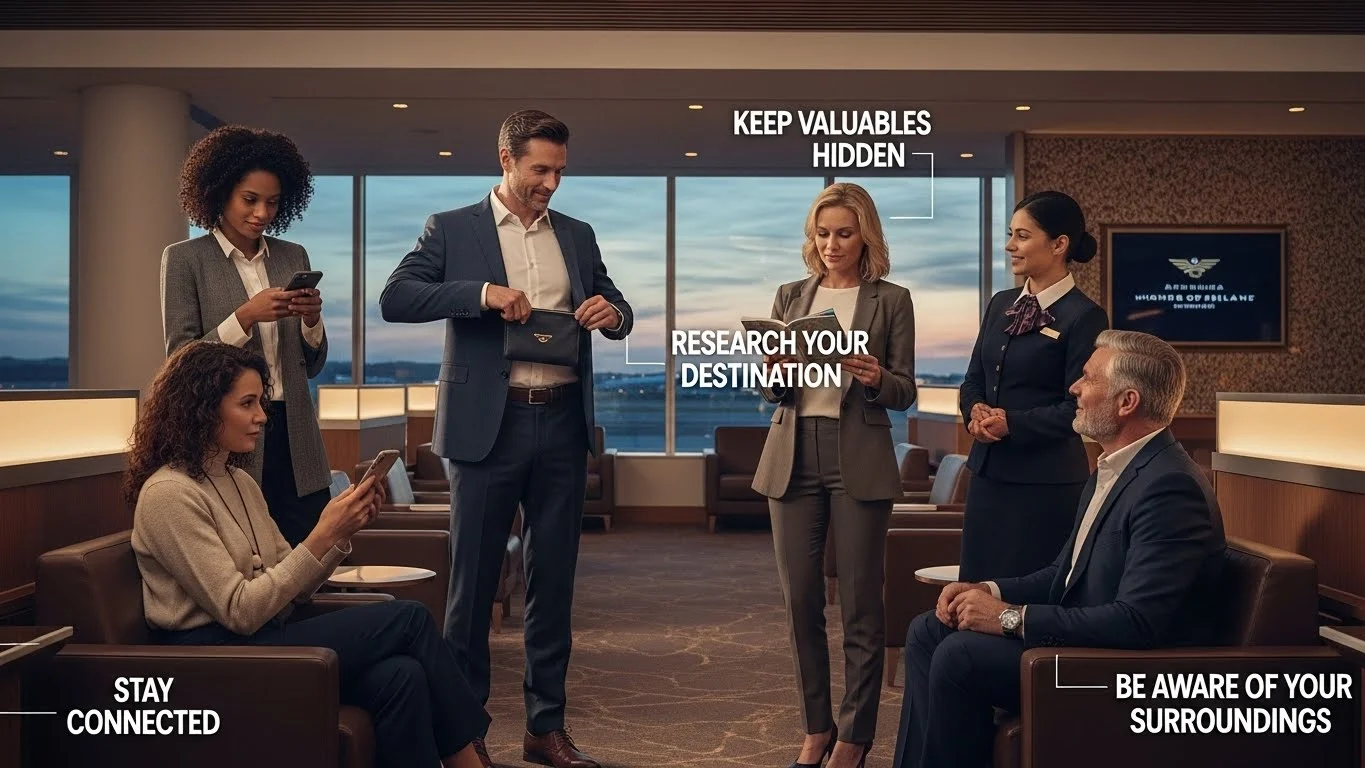
Before I embark on any trip, I dive deep into researching my destination. I find it’s crucial to understand the local customs, traditions, and safety considerations. For instance, when I traveled to Thailand, I learned about the etiquette surrounding the royal family and the importance of dress codes when visiting temples. I also looked into the best neighborhoods to stay in and the activities I wanted to experience. I often use travel blogs, forums, and even social media to gather insights from other travelers. This not only helps me prepare but also makes me feel more connected to the place I’m about to explore.
Choosing Luxury Accommodations
Your choice of accommodation can significantly impact your overall experience. I’ve stayed in everything from boutique hotels to luxurious resorts, and I believe the best choice balances comfort, location, and safety. I like to look for places that offer concierge services and have good reviews regarding security. In my experience, luxury hotels often provide additional safety measures, such as secure entrances and 24-hour staff. It’s also wise to check if the hotel has a good emergency plan in place. You want to feel at home while still enjoying the perks of a luxury experience.
Travel Insurance: Why It’s Essential
One thing I never overlook is travel insurance. It might feel like an unnecessary expense at times, but I’ve learned the hard way that it can save you a lot of trouble. Whether it’s trip cancellations, medical emergencies, or lost belongings, insurance provides peace of mind. I remember a trip where my flight got canceled last minute, and having insurance allowed me to rebook without a financial burden. I always recommend looking for a plan that covers both health-related issues and travel disruptions, especially for luxury travelers who may have more at stake.
Essential Safety Tips for Luxury Solo Travelers
Staying Aware of Your Surroundings
One of the first lessons I learned while traveling solo is the importance of staying aware of my surroundings. It’s easy to get lost in the beauty of a new city, but I try to keep my wits about me. I often find a quiet corner to observe the area before diving into the activities. I scan for exits, note any unusual behavior, and remember that I can always trust my instincts. If something feels off, I don’t hesitate to change my plans. I also recommend avoiding overly crowded places when possible, as they can attract pickpockets.
Securing Your Valuables
When I travel, I’m conscious of where I keep my valuables. I use a crossbody bag that I can easily access but also keep an eye on. I only carry what I need for the day and leave the rest locked up in my hotel safe. I’ve seen too many travelers lose their passports or expensive electronics simply because they were too relaxed about security. It’s a good idea to have a backup plan, like digital copies of important documents stored securely online. This way, if anything goes missing, I can quickly retrieve the information I need.
Using Trusted Transportation Options
Navigating a new city can be intimidating, especially when it comes to transportation. I always make sure to use reputable services, whether it’s a pre-arranged car service or rideshare apps that are well-reviewed. I remember once taking an unfamiliar taxi in a foreign country, and I felt uneasy the entire ride. Now, I stick to my trusted apps and even ask my hotel for recommendations on safe transport options. It’s better to pay a little extra for peace of mind than to risk your safety.
Connecting with Local Authorities and Resources
Establishing a connection with local authorities can enhance your safety while traveling. I often familiarize myself with the local emergency numbers and locate the nearest embassy or consulate. It gives me a sense of security to know where to turn if I need assistance. I’ve learned that building rapport with hotel staff can also be beneficial; they often have valuable insights on safe areas and can provide tips on what to avoid. Plus, they can help in case of any emergencies.
Health and Wellness Considerations
Staying Healthy While Traveling
When I think about luxury travel, health might not be the first thing that comes to mind, but it’s incredibly important. I’ve learned that maintaining my well-being while on the road can make or break my experience. I always start by packing a small wellness kit that includes basic medications, vitamins, and any other personal health essentials. It’s a little ritual that gives me peace of mind. I also try to stay hydrated, especially when I’m traveling to places with different climates. I’ve noticed that drinking plenty of water helps me feel better overall, and it keeps my energy up for all those adventures I plan to embark on.
Another aspect I consider is my diet. I enjoy indulging in local cuisine, but I’ve found that balance is key. I make an effort to include fruits and vegetables in my meals, as they help keep my immune system strong. Plus, I always listen to my body. If I feel sluggish or unwell, I take a step back and prioritize rest. After all, what’s the point of a luxurious getaway if you’re too tired to enjoy it?
Emergency Contacts and Local Healthcare Facilities
Before I set off on a new adventure, I take the time to research local healthcare facilities and emergency contacts. It may seem a bit paranoid, but I believe it’s a smart move. I remember traveling to a remote area in South America, where I found out that the nearest hospital was an hour away. Knowing this in advance allowed me to pack a more comprehensive first aid kit and keep an eye on my health. I also make sure to save local emergency numbers on my phone. It’s a simple step that can make a big difference in case of an emergency.
In addition to that, I like to connect with my hotel staff upon arrival. They usually have great insights into the local healthcare options and can provide recommendations should I need medical assistance. This connection not only offers practical help but also makes me feel more secure in an unfamiliar place.
Managing Communication and Connectivity
Staying Connected with Family and Friends
Being away from home can sometimes make me feel isolated, but staying connected with loved ones helps ease that feeling. I always make it a point to inform my family and friends about my travel plans, including where I’ll be staying and my itinerary. I usually set up regular check-ins, whether through texts or video calls. It’s comforting for both me and them, and it gives me a sense of support while I’m exploring new places on my own.
Additionally, I’ve found that sharing my location with a trusted person can be a helpful safety measure. I use various apps that allow me to share my location in real-time. If I’m venturing out to a less populated area, it’s reassuring to know that someone knows where I am. I also encourage my friends to do the same when they travel. It’s a simple way to enhance the safety of our adventures.
Using Technology for Safety
Technology is a game-changer for solo travelers like me. I rely on various apps to keep me informed and secure. For instance, I use travel apps that provide real-time updates on local safety conditions, which is vital when I’m in unfamiliar territory. Mapping apps are also essential; they help me navigate without always having to rely on others for directions. I make sure my phone is charged and that I have a portable charger handy, as having access to my devices can be crucial in emergencies.
Moreover, I’ve started using safety apps that offer features like emergency alerts or direct connections to local authorities. These can provide an extra layer of comfort when I’m out exploring on my own. A simple tap on my phone can give me access to help if I ever need it.
Local Customs and Cultural Awareness
Understanding Cultural Norms
Cultural awareness has become one of my favorite parts of traveling. Each destination has its own set of customs and norms, and I love immersing myself in them. Before I go, I research the local culture—everything from dining etiquette to dress codes. For instance, I learned that in Japan, it’s important to bow when greeting someone instead of a handshake. I enjoy practicing these norms, as it shows respect and helps me connect with locals on a deeper level.
On one of my trips to Morocco, I discovered how critical it was to understand the customs surrounding hospitality. Accepting food or drink offered to me was seen as a sign of respect, and I made sure to embrace that tradition. This experience not only enriched my travels but also led to meaningful interactions with the people I met.
Language Barriers and Communication Tips
Language can sometimes feel like a barrier, but I’ve found that a little effort can go a long way. I like to learn a few key phrases in the native language before I arrive. Simple greetings or phrases like “thank you” or “please” can open doors and often lead to warmer interactions with locals. I remember trying to converse in Spanish during my trip to Argentina, and the smiles I received made me feel so connected.
If language becomes an issue, I’ve utilized translation apps to help bridge the gap. These tools can turn a potentially frustrating situation into a fun exchange. In my experience, people appreciate the effort, even if you stumble over the words. I’ve made some wonderful friends by simply trying to communicate with them in their language!
Emergency Preparedness
Creating a Personal Safety Plan
When I think about traveling solo, emergency preparedness is one of the most crucial aspects I consider. Having a personal safety plan can give you the confidence to enjoy your trip without constant worry. I often start by researching the emergency services available in the area I’m visiting. Knowing the local emergency numbers and the location of the nearest hospital or clinic can make a huge difference in case something goes wrong. I remember one trip where I kept the local police station’s number saved on my phone, just in case I needed it.
Another part of my safety plan involves identifying safe zones. These are places where I can go if I feel uncomfortable or if something goes awry—like a nearby hotel or a well-populated café. I like to map out these locations so I have them handy. Plus, I make sure to discuss my plans with someone back home or a trusted friend. I often send them my itinerary and check in regularly, which not only helps me feel more secure but also reassures them.
What to Do in Case of an Emergency
If I ever find myself in an emergency, it’s essential to stay calm and collected. I remind myself to assess the situation first. For instance, if something minor like a lost wallet happens, I focus on retracing my steps. I’ve had moments where I panicked over losing something valuable, but I learned to take a deep breath and think logically. I often remind myself that most problems have solutions, and panicking usually doesn’t help.
If I’m faced with a more serious issue, like an accident or illness, I immediately seek help. I always have the local emergency contact numbers saved on my phone and know how to ask for help in the local language. I’ve practiced phrases like “I need help” or “Where is the hospital?” to ensure I can communicate effectively. I’ve found that local people are usually willing to assist, but it helps to be prepared.
In the unfortunate event of theft or loss of important documents, I make sure to contact my embassy or consulate right away. They can assist with replacing passports and offer vital advice on what to do next. I remember when a fellow traveler had her passport stolen; she was so relieved to find the consulate staff helpful and understanding. It’s comforting to know that there are resources out there to support you in times of need.
Building a Safety Mindset
Trusting Your Instincts
One thing I’ve learned is the importance of trusting my instincts. There have been moments when I felt uneasy about a situation or a person, and I’ve learned to listen to that inner voice. I think it’s a skill we often overlook, especially when we want to explore every opportunity that presents itself. I remember walking down a quiet alley in a foreign city, and something told me to turn back. I did, and later found out that others had experienced issues in that area. It reinforced my belief that my gut feeling is a valuable tool while traveling.
Additionally, I try not to ignore any feelings of discomfort or fear. If I feel uneasy about a situation, I often choose to leave, even if it seems rude or abrupt. This proactive approach has served me well. Trusting my instincts has allowed me to navigate through unfamiliar territories more confidently and has kept me safe on numerous occasions.
Staying Assertive and Confident
Being assertive is another key factor in my safety mindset. I’ve found that exuding confidence can often deter unwanted attention or situations. When I walk through a new city, I try to appear self-assured, with my head held high and my belongings secure. I believe that projecting confidence can make a significant difference in how I am perceived by others.
In situations where I need to assert my boundaries—like declining an unwanted invitation or saying no to a vendor—I practice being polite but firm. I remember a time when a street vendor wouldn’t take no for an answer. I had to firmly state my refusal while maintaining a friendly demeanor. It worked, and I was able to walk away without any further hassle. This experience taught me the value of being clear and assertive while still being respectful.
Ultimately, embracing both trust in my instincts and assertiveness allows me to enjoy my travels while minimizing risks. It’s about finding that balance between being open to new experiences and protecting myself. I believe this mindset has transformed my solo travel experiences into ones filled with adventure and joy, rather than fear or hesitation.
Frequently Asked Questions
What defines luxury travel?
Luxury travel is characterized by experiences that go beyond just staying in a fancy hotel. It includes indulgence, comfort, personalized service, high-end accommodations, gourmet dining, exclusive experiences, and a focus on quality over quantity. The little touches, such as a private guide or a curated itinerary, contribute to creating unforgettable memories.
What are the benefits of traveling solo?
Traveling alone offers freedom in choosing itineraries, changing plans on a whim, and immersing oneself in new cultures without catering to others’ preferences. Solo travel enhances personal connections with surroundings and people, often leading to unexpected friendships, making the journey more rewarding.
What should I research before my trip?
Before traveling, it’s important to research local customs, traditions, and safety considerations. Understanding etiquette, dress codes, and the best neighborhoods to stay in can enhance your experience. Using travel blogs, forums, and social media can provide valuable insights from other travelers.
Why is travel insurance essential?
Travel insurance is crucial as it provides peace of mind against trip cancellations, medical emergencies, or lost belongings. It can save travelers from financial burdens in emergencies, making it a wise investment for luxury travelers who may have more at stake.
What safety tips should luxury solo travelers follow?
Luxury solo travelers should stay aware of their surroundings, secure their valuables, use trusted transportation options, and connect with local authorities. Familiarizing oneself with emergency numbers and local resources can enhance safety and provide a sense of security.
How can I stay healthy while traveling?
Maintaining health while traveling involves packing a wellness kit with medications and vitamins, staying hydrated, and balancing indulgent meals with fruits and vegetables. Listening to your body and prioritizing rest when feeling unwell is also key to enjoying the trip.
What should I do in case of an emergency while traveling?
In an emergency, it’s essential to stay calm and assess the situation. Having local emergency contact numbers saved on your phone and knowing how to ask for help in the local language can be crucial. For theft or lost documents, contacting your embassy or consulate is important for assistance.
How can I prepare for language barriers?
To overcome language barriers, travelers can learn key phrases in the local language before arriving and use translation apps to assist in communication. Efforts to speak the local language can lead to warmer interactions and help bridge gaps in communication.
What is a personal safety plan for solo travelers?
A personal safety plan includes researching local emergency services, identifying safe zones, and sharing your itinerary with someone back home. Knowing emergency contact numbers and locations of hospitals can provide confidence and security while traveling solo.
How can trusting instincts enhance safety while traveling?
Trusting your instincts is vital for safety while traveling. If you feel uneasy about a situation, it’s important to listen to that inner voice and change plans if necessary. Being assertive and confident can also deter unwanted attention and help maintain personal safety.