
Underwater photography is a thrilling adventure, but safety should always be your top priority. By following essential safety tips, you can capture breathtaking images while keeping yourself and the marine environment safe. Read Interesting article: Explore Stunning Underwater Photography Spots on a Budget
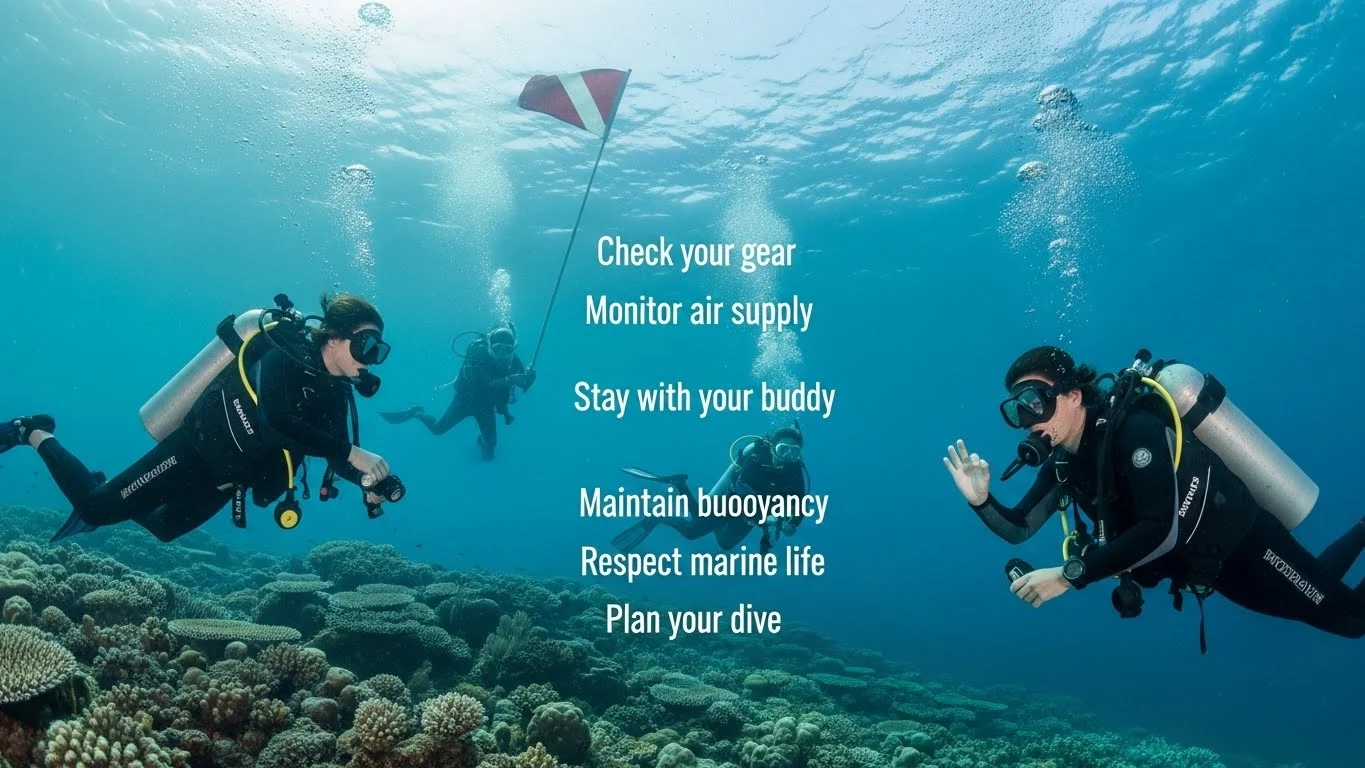
Understanding Underwater Photography Safety
The Importance of Safety in Underwater Photography
As an avid underwater photographer, I’ve learned that safety is not just a guideline; it’s a necessity. Every dive offers a unique opportunity to capture extraordinary images, but it also comes with its own set of risks. I remember my first dive with a camera; the excitement was palpable, but I quickly realized how crucial it was to stay vigilant. Understanding safety protocols helps ensure that we can enjoy this beautiful experience without compromising our well-being.
Common Risks Faced by Underwater Photographers
Underwater photographers face various risks that can turn a beautiful dive into a dangerous situation. Here are a few common risks I’ve encountered and learned to navigate:
- Equipment Failure: I’ve had my fair share of equipment mishaps. A flooded camera or malfunctioning gear can ruin a dive and pose safety hazards.
- Decompression Sickness: This condition can occur when divers ascend too quickly. I learned the hard way how vital it is to follow proper ascent rates and safety stops.
- Marine Life Encounters: While many marine creatures are harmless, some can be aggressive or venomous. I try to maintain a respectful distance and avoid provoking them.
- Visibility Issues: Poor underwater visibility can lead to disorientation. I always check the water conditions before diving and adjust my plans accordingly.
- Strong Currents: Diving in strong currents can be challenging. I’ve found it’s best to familiarize myself with the dive site and understand how to navigate these conditions safely.
Recognizing these risks has helped me prepare better and enjoy my underwater adventures more fully. By keeping safety at the forefront of my diving, I can focus on capturing stunning images without unnecessary worry.
Essential Equipment for Underwater Safety
Waterproof Camera Gear
The right camera gear is crucial for underwater photography. I always use waterproof housing for my camera, even if it’s labeled as water-resistant. The ocean can be unpredictable, and I’ve seen too many photographers lose their gear due to a small oversight. When choosing waterproof gear, ensure it is rated for the depths you plan to dive, as this will give you peace of mind while you’re submerged.
Buoyancy Control Devices (BCD)
Having a Buoyancy Control Device (BCD) is essential for any underwater photographer. I remember my first dive without a BCD; I struggled to maintain stability while trying to capture images. A BCD allows you to control your buoyancy effectively, helping you stay at your desired depth. It also acts as a flotation aid if you need to surface quickly. I recommend practicing with your BCD in controlled environments to get comfortable before diving into more challenging waters.
Dive Computers and Depth Gauges
Investing in a good dive computer has made my underwater experiences much safer. These devices track your depth, time, and ascent rates, helping you avoid decompression sickness. I rely on my dive computer to monitor my dive profile, ensuring I don’t exceed my limits. It’s a crucial tool that provides real-time data, allowing me to focus on my photography rather than counting minutes or estimating depth.
Safety Equipment: Floatation Devices and Whistles
For added safety, I always carry a flotation device and a whistle. A flotation device can be a lifesaver in emergencies, allowing you to stay afloat while signaling for help. I’ve used a whistle to signal my dive buddy when visibility was low. It’s a small but effective piece of equipment that can make a big difference in an emergency. Along with these tools, consider having a surface marker buoy (SMB) to alert boats to your presence when surfacing.
As an underwater photographer, the thrill of capturing the hidden beauty of the ocean motivates me to improve my skills. However, I’ve learned that taking the right precautions is what truly allows me to enjoy those breathtaking moments safely. By understanding the risks and equipping myself with the right gear, I can focus on what I love most—photographing the wonders beneath the waves. Read Interesting article: Top 7 Budget-Friendly Destinations for Underwater Photography
Pre-Dive Safety Preparations
Checking Equipment Functionality
Before every dive, I make it a point to thoroughly check my equipment. This step is non-negotiable for me. I remember a time when I skipped this part in my excitement, only to find out halfway through my dive that my camera battery was dead. That moment taught me a valuable lesson about the importance of preparation. I go through my gear systematically: ensuring my camera housing is sealed, checking the O-rings for any wear, testing my dive computer, and verifying that my BCD inflates and deflates properly. These simple checks can save you from a lot of stress and potential hazards underwater.
Understanding Dive Conditions
Knowing the dive conditions can significantly enhance our safety and enjoyment. I always check the weather forecast, water temperature, and current conditions before heading out. If I notice that the conditions are less than ideal, I weigh my options carefully. For instance, strong currents can be challenging, especially if I’m focusing on getting that perfect shot. I’ve learned that it’s better to postpone a dive than to risk my safety. Additionally, I try to find information on local dive sites, as conditions can vary widely even in the same area.
Planning Your Dive Site
Planning is key to a successful dive, and I always create a mental or written plan before jumping in. I take into account the depth, entry and exit points, and any notable features I wish to photograph. I also consider how long I expect to be underwater. For me, having a dive plan means I can communicate my intentions clearly to my buddy. I remember a dive where we both had different ideas about what to explore, leading to some confusion. Now, I make sure we’re on the same page before we even enter the water.
Buddy System: Importance and Best Practices
The buddy system is a fundamental rule in diving, and for good reason. Diving with a partner not only enhances safety but also enriches the experience. I always dive with a buddy I trust, and we routinely check in with each other. Before every dive, we discuss our plan and set clear signals for how we’ll communicate underwater. I’ve found that sharing responsibilities, like watching each other’s backs or alternating who leads, builds a strong sense of teamwork. If I ever feel uneasy during a dive, I know I can rely on my buddy to help me navigate any challenges we face.
In-Water Safety Practices
Maintaining Proper Buoyancy
Once I’m in the water, maintaining proper buoyancy becomes my next priority. I’ve had experiences where I either sank too quickly or floated to the surface too fast, both of which can be distracting and stressful. To combat this, I focus on small adjustments with my BCD. I developed a habit of taking slow, deep breaths; this helps me control my buoyancy naturally. I also try to keep my body horizontal in the water, which makes it easier to stay stable while I’m composing shots.
Awareness of Surroundings and Marine Life
Staying aware of my surroundings is crucial while I’m underwater. I always take a moment to soak in the environment before I start shooting. This practice helps me spot potential hazards or interesting subjects to photograph. I’ve learned that keeping an eye on marine life is equally important. I remember a time when I was so focused on capturing a beautiful clownfish that I didn’t notice a larger fish approaching. Thankfully, it was just curious, but I realized then how easily distractions can lead to unsafe situations. Respecting marine life and observing their behavior can also enhance our photography.
Signs of Decompression Sickness
Being aware of the signs of decompression sickness has become a part of my diving routine. I’ve had friends who experienced symptoms like dizziness or joint pain after ascending too quickly. It’s a reminder that we should always adhere to safe ascent rates and make safety stops. I keep an eye on my dive computer and remind my buddy to do the same. If I ever feel anything unusual during or after a dive, I know to take it seriously and seek help immediately.
Using Hand Signals for Communication
Communication underwater is vital, and using hand signals has become second nature for me. I make sure to review common signals with my buddy before diving, as it can get easy to forget them when you’re focused on snapping pictures. I’ve found that being able to communicate effectively can prevent misunderstandings and enhance safety. Simple signals like “OK” and “What’s wrong?” can tell you a lot in a matter of seconds.
Post-Dive Safety Considerations
Decompression Procedures
After every dive, I make it a point to focus on proper decompression procedures. It’s a crucial aspect of diving that I’ve learned to respect deeply. I remember my instructor emphasizing the importance of ascending slowly and making safety stops. If you’ve ever experienced a dive where you didn’t adhere to these practices, you’ll know just how serious it can be. I usually plan my ascent to include a three-minute safety stop at about 15 feet. This gives my body time to release nitrogen safely, minimizing the risk of decompression sickness. It’s a simple step, but it makes all the difference for my overall well-being post-dive.
Post-Dive Equipment Care
Once I’m back on the surface, I immediately turn my attention to my gear. I’ve learned that taking care of my equipment after a dive is just as important as checking it before. I rinse my camera gear and dive equipment in fresh water to remove salt and debris. I remember the first time I neglected this step, and it led to corrosion on my camera housing. Now, I make it a ritual to inspect and clean everything thoroughly. I also check for any signs of wear or damage. If I find anything concerning, I address it right away rather than waiting until my next dive. Keeping my gear in top shape ensures that I’m ready for my next underwater adventure.
Recognizing Symptoms of Dive-Related Illness
Being aware of dive-related illnesses is crucial. I’ve come across divers who ignored early symptoms of issues like decompression sickness, thinking it would go away. I always remind myself to listen to my body. Some symptoms can include fatigue, joint pain, or dizziness. If I ever feel anything out of the ordinary, I don’t hesitate to seek help. I’ve found that it’s better to err on the side of caution. Additionally, after a dive, I spend some time resting and hydrating. This helps my body recover and flush out any nitrogen build-up. Taking care of myself post-dive is an essential part of my routine.
Special Situations and Emergency Protocols
Handling Equipment Failures Underwater
Equipment failure is one of those things that can happen to anyone, and I’ve had my fair share of unexpected moments. Once, during a dive, my camera flooded because I hadn’t secured the housing properly. I remember the panic that set in, but I quickly took action. I’ve learned that keeping calm is vital in these situations. If my gear fails, I prioritize my safety first—if necessary, I’ll abort the dive and signal my buddy to surface with me. Having a backup plan, like knowing how to use my dive computer or buoyancy device in emergencies, has made me more confident in handling these moments.
Emergency Ascents and Safety Stops
In case of an emergency ascent, I know that remaining calm and following proper procedures is essential. I’ve practiced emergency ascents during training, and I keep them in mind whenever I dive. If I ever feel the need to ascend quickly, I focus on a controlled ascent, even if it’s not ideal. I remember a dive where strong currents made it challenging to maintain depth, and I had no choice but to ascend. I kept my eyes on my dive computer and made sure to stop at 15 feet for my safety stop. It’s moments like these that reinforce the importance of preparation and knowledge of emergency protocols.
Responding to Marine Life Encounters
While underwater photography brings me joy, encounters with marine life can be unpredictable. I’ve had moments where I found myself too close to curious creatures, and I quickly learned to respect their space. If I see a potentially aggressive marine animal, I calmly back away and observe from a distance. It’s crucial to remain composed and avoid sudden movements that could provoke them. I also remind myself to keep my camera ready but not at the cost of my safety. Understanding marine behavior has improved my ability to photograph wildlife without putting myself or the creatures in danger.
First Aid for Underwater Accidents
Having basic first aid knowledge is something I consider essential in my diving journey. I took a first aid course specifically for divers, and it has equipped me with the skills to handle emergencies. From knowing how to treat an injury to recognizing the signs of hypoxia, I’ve found that this knowledge gives me an extra layer of confidence. I always carry a small first aid kit in my dive bag, including items like band-aids, antiseptic wipes, and a pocket mask for CPR. Being prepared for any incident, no matter how small, ensures that I can continue enjoying my underwater adventures with peace of mind. Read Interesting article: Unlock the Secrets to Capturing Stunning Underwater Moments
Resources for Underwater Photographers
Training Courses and Certifications
One of the best investments I’ve made in my underwater photography journey is taking specialized training courses. These courses not only enhance my photography skills but also deepen my understanding of diving safety. Organizations like PADI and NAUI offer courses tailored for underwater photographers, focusing on both the technical aspects of diving and photography techniques. I remember taking a course that emphasized buoyancy control while shooting; it transformed the way I approach my dives. I highly recommend looking for local dive shops or schools that provide these certifications. The knowledge gained and the confidence built from these courses can truly set you up for success in the water.
Online Communities and Forums
Connecting with fellow underwater photographers has been invaluable for me. I’ve found that online communities and forums are great places to share experiences, ask questions, and seek advice. Websites like Wetpixel and various Facebook groups dedicated to underwater photography provide a wealth of information and support. I’ve learned about new techniques, gear recommendations, and even local dive spots through these platforms. Engaging with others who share the same passion can inspire us to push our limits and improve our craft. Plus, it’s always comforting to know that I’m part of a community that understands the challenges and joys of underwater photography.
Recommended Safety Gear and Equipment Suppliers
Investing in quality safety gear is crucial for any underwater photographer. Over the years, I’ve come to trust specific brands and suppliers for my diving equipment. Some of my favorites include Scubapro for BCDs, Suunto for dive computers, and Ikelite for underwater housings. I always check reviews and seek recommendations from experienced divers before making a purchase. Additionally, I’ve found it helpful to visit dive expos and shops, where I can see the gear firsthand and often get demonstrations. Building a relationship with local dive shops has also allowed me to access advice and support tailored to my needs. Having reliable equipment not only enhances my safety but also boosts my confidence underwater.
Final Thoughts
Reflecting on my underwater photography journey, I realize how intertwined safety and creativity are in this beautiful pursuit. Each dive is filled with excitement and discovery, but it’s the safety practices that allow me to explore with peace of mind. I’ve learned countless lessons along the way, from the importance of preparation to the value of community support. It’s essential to prioritize our safety and that of the marine environment while capturing the stunning world beneath the waves. I hope that by sharing my experiences, I inspire fellow photographers to dive safely and enjoy all that underwater photography has to offer. Let’s continue to explore, create, and protect our oceans together!
Frequently Asked Questions
What is the importance of safety in underwater photography?
Safety is a necessity for underwater photographers. Every dive presents unique risks, and understanding safety protocols helps ensure that photographers can enjoy their experience without compromising their well-being.
What are some common risks faced by underwater photographers?
Common risks include equipment failure, decompression sickness, encounters with aggressive marine life, visibility issues, and strong currents. Being aware of these risks can help photographers prepare better for their dives.
What essential equipment is recommended for underwater safety?
Essential equipment includes waterproof camera gear, buoyancy control devices (BCDs), dive computers, depth gauges, flotation devices, whistles, and surface marker buoys (SMBs) to enhance safety during dives.
What are some pre-dive safety preparations to consider?
Pre-dive safety preparations include checking equipment functionality, understanding dive conditions, planning the dive site, and using the buddy system to enhance safety and communication.
How can I maintain proper buoyancy while underwater?
Maintaining proper buoyancy involves making small adjustments with your BCD, taking slow, deep breaths, and keeping your body horizontal in the water to stay stable while photographing.
What should I do if I experience signs of decompression sickness?
If you experience signs of decompression sickness, such as dizziness or joint pain, it is crucial to take it seriously, adhere to safe ascent rates, and seek help immediately.
What are recommended practices for handling equipment failures underwater?
In the event of equipment failure, prioritize safety, remain calm, and if necessary, abort the dive and signal your buddy to surface with you. Having a backup plan can enhance your confidence in managing these situations.
What first aid knowledge is beneficial for divers?
Basic first aid knowledge, including injury treatment and recognizing signs of hypoxia, is essential for divers. Carrying a small first aid kit and knowing how to respond to underwater accidents can provide additional safety.
How can I enhance my understanding of underwater photography and diving safety?
Taking specialized training courses from organizations like PADI and NAUI can enhance both photography skills and diving safety knowledge. Engaging in online communities and forums also provides support and learning opportunities.
Why is post-dive equipment care important?
Post-dive equipment care is crucial to prevent corrosion and ensure that gear remains in top shape for future dives. Rinsing equipment in fresh water and inspecting for wear or damage can prolong the lifespan of diving gear.