
Solo travel opens the door to unique experiences and cultural discoveries. To make the most of these adventures, understanding and respecting local customs is essential. Read Interesting article: Mastering Solo Travel Etiquette: A Cultural Guide
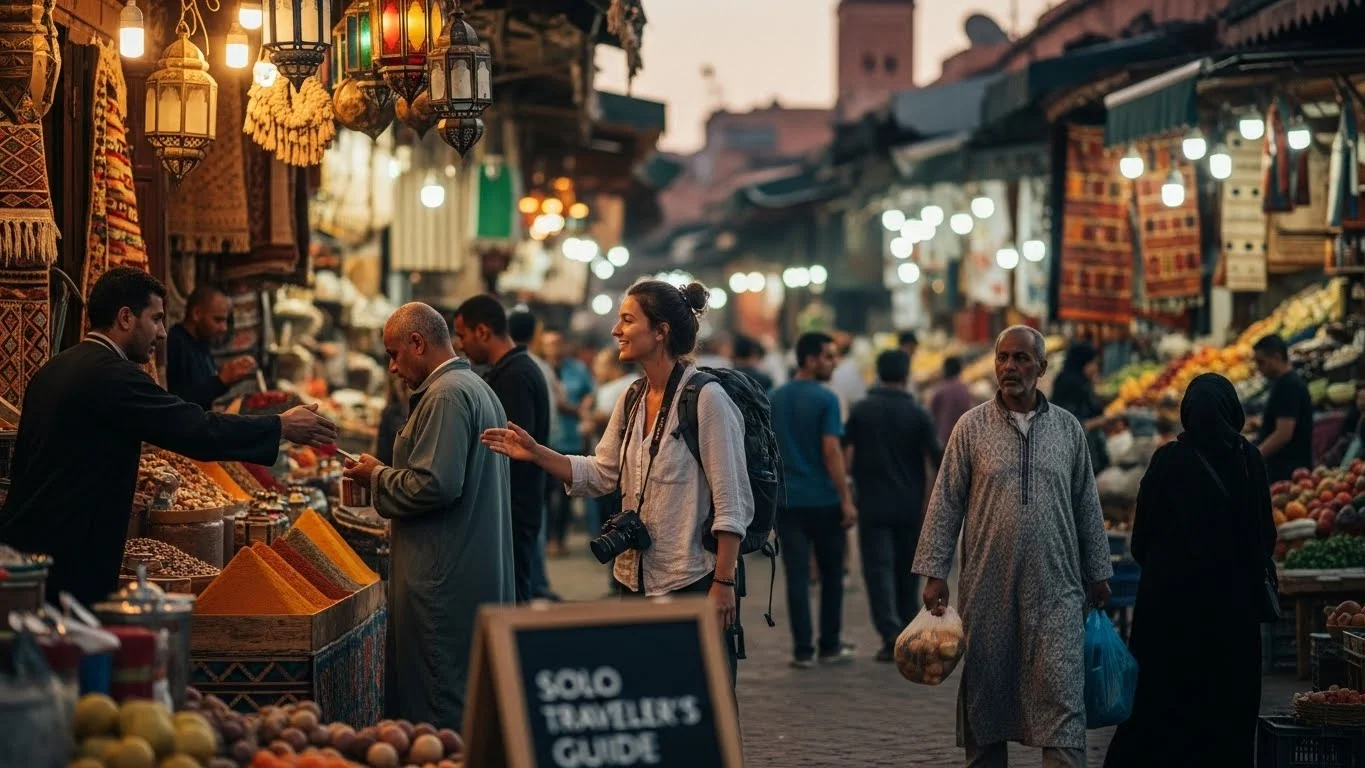
Understanding Cultural Etiquette
Defining Cultural Etiquette
Cultural etiquette encompasses the rules and conventions that govern behavior in different societies. These guidelines can vary widely depending on the region, community, and even specific cultural groups. For me, learning about cultural etiquette feels like opening a window into the soul of a place. It’s about understanding the unspoken rules that shape interactions. Whether it’s knowing how to greet someone, what gestures are appropriate, or how to behave during meals, cultural etiquette is vital in fostering respect and understanding. I remember when I traveled to Japan, learning to bow instead of shaking hands was a small but significant detail that helped me connect better with locals.
Importance of Respecting Local Customs
Respecting local customs is crucial for several reasons. First, it shows that you value the culture you’re exploring. When we travel, we become ambassadors of our own culture, but we also represent tourists in general. I’ve noticed that when I make an effort to follow local customs, I receive warmer welcomes. People appreciate when visitors show a genuine interest in their way of life. This can lead to meaningful interactions, friendships, and deeper insights into the culture. I believe that by respecting local customs, we can create positive experiences for ourselves and those we meet. Read Interesting article: Cultural Solo Travel: Affordable Ways to Dive Deep
Preparing for Your Solo Trip
Researching Destination-Specific Etiquette
Before embarking on a solo adventure, I always spend some time researching the specific etiquette of my destination. This isn’t just about meeting basic social norms; it’s about immersing myself in the culture. Websites, travel blogs, and even social media can be incredible resources. I recall reading about the importance of tipping in various countries; in some places, it’s customary, while in others, it can be seen as rude. By understanding these nuances, I feel more confident and prepared to navigate social situations. I often jot down key points in my travel journal, so I have quick references on hand.
Understanding Local Laws and Regulations
Along with etiquette, knowing the local laws is essential. I’ve found that every country has its own set of rules, some of which may be surprising to travelers. For example, I learned that chewing gum is banned in Singapore; knowing this beforehand saved me from an embarrassing situation. It’s also important to be aware of laws regarding alcohol consumption, photography, and behavior in public spaces. I recommend reviewing government travel advisories and guides specific to your destination. This knowledge helps us avoid unintentional disrespect and ensures we remain safe.
Learning Basic Local Language Phrases
Learning a few basic phrases in the local language can go a long way in showing respect. I’ve found that even simple greetings or “thank you” can open doors and create connections. When I traveled to Italy, I made a point to learn how to say “hello” and “please” in Italian. The smiles I received from locals made my efforts worthwhile. Not only does it demonstrate respect for the culture, but it also shows that you’re willing to engage. Plus, it can enhance your experiences by allowing you to communicate more effectively. I often practice with language apps before my trips, making it a fun part of my preparation.
Social Interactions and Communication
Greetings and Introductions
The way people greet each other varies significantly across cultures. In some places, a firm handshake is standard, while in others, a light touch or even a nod might be more appropriate. I remember visiting Brazil, where I learned that cheek-kissing is a common greeting. Initially, I was unsure, but once I got comfortable with it, I felt more connected to the people I met. Observing how locals greet one another can provide valuable cues on how to interact with them. I often watch and follow their lead, which helps me feel more at ease in social situations.
Body Language and Personal Space
Body language is another critical aspect of cultural interactions. I’ve realized that what feels comfortable in one culture may be inappropriate in another. For instance, personal space varies widely; in some cultures, being close during conversations is normal, while in others, it can be perceived as invasive. During my travels in Southeast Asia, I learned to be mindful of my gestures and proximity to others. It’s fascinating how much can be communicated without words, and by being aware of these differences, we can engage more respectfully.
Dining Etiquette: Table Manners Around the World
Dining etiquette can be a complex aspect of cultural interactions. I’ve discovered that table manners differ greatly from one country to another. For example, in some cultures, finishing everything on your plate is a compliment to the host, while in others, leaving food can signal satisfaction. I remember dining in Thailand, where I learned to use my fork and spoon correctly, with the fork serving primarily as a tool to push food onto the spoon. Understanding and adapting to these dining customs not only ensures a pleasant dining experience but also shows respect for the culture and its traditions.
Acceptable Topics of Conversation
When it comes to conversation, I’ve learned that some topics are better left untouched, while others can spark engaging discussions. For instance, topics like politics or religion can be sensitive in certain cultures. I usually start with neutral subjects, such as food, local customs, or shared travel experiences. This approach allows me to gauge the comfort level of the person I’m speaking with. I remember chatting with a local in Morocco about traditional foods, and it led to a wonderful exchange of recipes and cooking tips. It’s all about being sensitive and respectful while finding common ground.
Dress Codes and Personal Presentation
Understanding Local Dress Norms
When I travel, I’ve learned that paying attention to local dress norms is just as important as understanding etiquette. Each culture has its own expectations regarding how people should present themselves. For instance, I remember visiting a Buddhist temple in Thailand, where I was required to cover my shoulders and knees. It wasn’t just about being modest; it was about showing respect for the sacred space. I quickly adapted by wearing lightweight, long-sleeved tops and loose-fitting pants, which also kept me cool in the tropical heat. Observing how locals dress not only helps me blend in but also shows that I honor their customs.
Modesty and Cultural Sensitivity in Clothing Choices
Modesty can mean different things depending on where you are. In some places, casual beachwear is perfectly acceptable, while in others, it might be seen as disrespectful. I’ve found it helpful to pack versatile clothing that I can layer or accessorize to fit various settings. For example, when I traveled to Morocco, I opted for long skirts and light scarves to cover my arms and hair when visiting more conservative areas. I think it’s a small effort that goes a long way in fostering positive interactions with locals. Additionally, I always recommend checking the weather and local customs before packing, so you can feel comfortable and confident wherever you go.
Engaging with Local Communities
Participating in Cultural Events and Festivals
One of my favorite ways to immerse myself in a new culture is by participating in local events and festivals. I’ve experienced some unforgettable moments by joining in celebrations, from traditional dance performances to food festivals. For example, attending the Diwali festival in India was a breathtaking experience. The vibrant colors, music, and sense of community made me feel welcome and connected. I learned that engaging in these events shows respect for local traditions and allows us to create genuine memories. I often check local calendars for events happening during my visit, as they are perfect opportunities to interact with locals and learn more about their culture.
Supporting Local Businesses and Artisans
Another way to connect with the community is by supporting local businesses and artisans. I’ve enjoyed wandering through markets and shops, where I found unique handmade crafts that tell a story of the place. In Bali, I stumbled upon a small workshop where artisans were creating beautiful batik fabrics. I took the time to chat with them and learn about their craft, which made purchasing a few pieces even more meaningful. I believe that spending money in local businesses not only helps the economy but also fosters relationships. When we invest in local artisans, we help preserve their culture and support their livelihoods.
Volunteering and Giving Back to the Community
During my travels, I’ve found volunteering as a fantastic way to give back to the communities I visit. Whether it’s participating in beach clean-ups or helping at local schools, these experiences have enriched my travels immensely. I remember volunteering in a small village in Guatemala, where I assisted in teaching English to children. It was incredibly rewarding to share knowledge and make a difference, even if it was just a small one. Volunteering not only allows me to contribute but also helps build connections with locals. I’ve learned that giving back can lead to deeper insights into the culture and create lasting friendships. Read Interesting article: Ultimate Guide to Solo Adventure Travel Destinations
Responsible Photography Practices
Asking for Permission Before Taking Photos
As a traveler, I always carry my camera, ready to capture breathtaking moments. However, I’ve learned the importance of asking for permission before taking photos of people, especially in culturally rich environments. I remember visiting a market in Morocco where the colorful stalls were bustling with life. Rather than snapping away, I approached a few locals and asked if I could take their photos. The smiles and warm nods I received transformed my experience, as many were happy to share a moment with me. This practice not only respects their privacy but often leads to engaging conversations and connections.
Understanding Restrictions on Photography
Some places have strict rules about photography, especially in religious or sacred sites. I’ve encountered signs prohibiting photography in various temples and museums, and I always make sure to adhere to these regulations. During my visit to the Vatican, I was amazed by the breathtaking art but was also mindful of the no-photo policy in certain areas. Understanding these restrictions helps us show respect for the significance of these places and avoids putting ourselves in uncomfortable situations. I also recommend checking online resources or asking locals about any photography guidelines before capturing those stunning shots.
Handling Conflicts and Misunderstandings
Staying Calm and Respectful During Cultural Differences
Even with the best intentions, misunderstandings can happen while traveling. During my trip to India, I accidentally offended someone by not using my right hand to pass something. I felt embarrassed and didn’t know how to rectify the situation. However, I learned that staying calm, apologizing sincerely, and acknowledging the cultural difference went a long way in smoothing things over. I believe that approaching these moments with an open heart and mind can transform conflicts into opportunities for learning and connection.
Seeking Help When Needed
There may be times when we feel lost or unsure while traveling, and that’s okay. I’ve learned that asking for help is not a sign of weakness but rather a way to connect with locals. I remember getting lost in the streets of Barcelona and approached a friendly shopkeeper for directions. Not only did he help me find my way, but he also shared some local tips about restaurants to try. Seeking assistance can lead to unexpected friendships and enrich our travel experiences. I encourage travelers to embrace these moments; they often turn into the highlight of our journeys.
Solo Travel Safety Tips
Trusting Your Instincts
One of the most important lessons I’ve learned while traveling solo is to trust my instincts. There have been times when I felt uneasy about a situation or a place, and I always listened to that inner voice. I remember walking through a quiet alley in a foreign city and felt a sudden urge to turn back. I followed that instinct, and it later turned out that there was a festival happening just a few blocks away, which was so much more enjoyable! Trusting our gut feelings can help us stay safe and navigate new environments confidently.
Staying Aware of Your Surroundings
Staying aware of my surroundings has become second nature while traveling. I try to keep my phone tucked away, especially in crowded places, to stay focused. I often scan my environment for exits, nearby shops, and even potential friends. I’ve found that being present in the moment not only keeps me safe but also allows me to catch small details that make travel special. For instance, I once noticed a street performer in Paris that I would have missed if I had been glued to my phone. Engaging with our surroundings can lead to delightful surprises.
Emergency Contacts and Resources
Before heading out on any trip, I always make sure to have a list of emergency contacts and resources. I store important numbers, like the local embassy and local emergency services, in my phone and keep a physical copy in my wallet. I also familiarize myself with the nearest hospital and police station, just in case. I feel more secure knowing that I’m prepared for any situation. Additionally, I always share my itinerary with a trusted friend or family member so they know where I am. This simple step can provide peace of mind for both me and my loved ones.
Reflection and Learning
Journaling Your Experiences
Journaling has been one of my favorite ways to reflect on my travels. I try to jot down my thoughts and experiences each day, capturing the little moments that might otherwise fade from memory. I remember writing about my experience at a local festival in Peru, detailing how the vibrant colors and music made me feel alive. Going back and reading those entries allows me to relive those moments and learn from them. It’s a great way to process my journey and think about what I’ve learned about myself and the world around me.
Sharing Your Stories: Social Media Etiquette
In our digital age, sharing travel experiences on social media has become a common practice. I’ve enjoyed posting my adventures, but I’ve also learned to be mindful of how I share. Respecting local customs is vital, especially when it comes to posting images of people or sacred sites. I always ask for permission before posting photos of locals and take care to avoid sharing sensitive topics. I think it’s essential to promote positivity and respect in our online presence, as it reflects our travels and the cultures we engage with. My goal is to inspire others to travel thoughtfully and with an open heart.
Understanding Cultural Etiquette
Defining Cultural Etiquette
Cultural etiquette is a fascinating subject that reveals so much about a society’s values and traditions. It encompasses the unwritten rules that guide our interactions and behaviors in different social settings. I often find myself diving into this topic before I travel, eager to learn how to navigate the intricacies of a new culture. For instance, I remember visiting a Moroccan home where I was greeted with warm hospitality. I quickly learned that eating with my right hand was a sign of respect and appreciation. It’s these little nuances that make cultural etiquette feel like a treasure map, leading us to meaningful connections and understanding.
Importance of Respecting Local Customs
Respecting local customs goes beyond mere politeness; it’s a way to show genuine interest in the culture you’re experiencing. I’ve seen firsthand how this respect can create bonds and open doors. For example, when I traveled to Taiwan, I was invited to a family dinner. By adhering to their customs, like waiting for the elders to start eating, I felt honored and accepted. It reminded me that these practices aren’t just rituals; they carry deep meanings and histories. I believe that embracing local customs helps us engage with the community in a more profound way, enriching our travel experiences.
Preparing for Your Solo Trip
Researching Destination-Specific Etiquette
Researching destination-specific etiquette is something I consider essential before any trip. I enjoy reading travel books, blogs, and forums to gather insights about the local customs of the places I plan to visit. For instance, I learned that in some Middle Eastern cultures, it’s polite to refuse an offer of food or drink a few times before accepting. Knowing this beforehand made me feel more at ease during my visits. I often create a list of dos and don’ts that I can refer to during my travels. This preparation empowers me to interact confidently and respectfully with locals.
Understanding Local Laws and Regulations
Understanding local laws and regulations is another critical aspect of preparing for a trip. I’ve encountered some surprising rules that I wish I’d known ahead of time. For example, during a visit to Dubai, I learned about the strict laws regarding public behavior and dress codes. Being aware of these regulations not only keeps us safe but also helps avoid any unintentional disrespect. I recommend checking online resources or travel guides that cover legal aspects in detail before setting off. This preparation makes the travel experience smoother and more enjoyable.
Learning Basic Local Language Phrases
Learning a few basic phrases in the local language can significantly enhance our travel experiences. I remember when I traveled to Thailand, taking the time to learn how to say “thank you” in Thai opened so many doors for me. The locals appreciated my efforts, and it led to warm smiles and friendly conversations. I often use language apps to practice before my trips, making it a fun part of my preparation. Knowing just a few essential words can help break the ice and show that we respect and value the culture we’re engaging with.
Social Interactions and Communication
Greetings and Introductions
When it comes to greetings, I’ve noticed that each culture has its unique way of welcoming someone. I remember traveling to Japan, where a simple bow was customary instead of a handshake. Initially, I felt awkward, but once I embraced this practice, I felt a deeper connection with the people I met. It’s interesting how a simple gesture can convey so much respect and understanding. I make it a point to observe how locals greet each other and adapt my approach accordingly. This practice not only helps me fit in but also enriches my interactions.
Body Language and Personal Space
Body language and personal space are also vital components of communication. I’ve realized that what feels comfortable in my culture may not be the same for others. For instance, during my travels in Latin America, I discovered that people often stand closer during conversations than I was used to. At first, it felt a bit overwhelming, but I learned to adapt and appreciate the warmth behind it. Being mindful of body language and personal space helps foster respectful interactions, allowing us to connect with others in a way that feels comfortable for everyone involved.
Dining Etiquette: Table Manners Around the World
Dining etiquette varies greatly across the globe, and I’ve found that being aware of these differences can enhance the experience. In some cultures, it’s considered disrespectful to start eating before everyone is served, while in others, it’s polite to finish everything on your plate. I remember enjoying a meal in Ethiopia, where sharing food from a common plate was the norm. It was a beautiful way to bond with my fellow diners. Understanding these customs not only ensures a pleasant dining experience but also shows our respect for the culture and its traditions.
Acceptable Topics of Conversation
When engaging in conversation, I’ve learned that some subjects can be sensitive, while others are safe bets. I often start with neutral topics, like local cuisine or travel experiences, to gauge the comfort level of those I’m speaking with. I remember having a delightful conversation with a local in Italy about our favorite pasta dishes. It led to sharing tips and even a few laughs! By being mindful of acceptable topics, we can foster enjoyable interactions and create meaningful connections with the people we meet.
Frequently Asked Questions
What is cultural etiquette?
Cultural etiquette encompasses the rules and conventions that govern behavior in different societies. It includes understanding how to greet others, appropriate gestures, and behavior during meals, which fosters respect and understanding.
Why is it important to respect local customs while traveling?
Respecting local customs shows that you value the culture you are exploring. It enhances the travel experience by leading to warmer welcomes and meaningful interactions with locals.
How can I prepare for solo travel regarding cultural etiquette?
Preparing for solo travel involves researching destination-specific etiquette, understanding local laws and regulations, and learning a few basic phrases in the local language to navigate social situations confidently.
What should I know about greetings and introductions in different cultures?
Greetings vary significantly across cultures; for example, a firm handshake might be standard in some places, while cheek-kissing or bowing might be common in others. Observing how locals greet each other can provide valuable cues.
How does body language affect social interactions in different cultures?
Body language is crucial, as comfort levels regarding personal space and gestures can differ widely. Being aware of these cultural differences helps foster respectful interactions and connection with others.
What dining etiquette should I be aware of while traveling?
Dining etiquette varies globally; for instance, in some cultures, finishing everything on your plate is a compliment, while in others, leaving food may indicate satisfaction. Understanding these customs is essential for a pleasant dining experience.
What topics of conversation are generally acceptable while traveling?
Neutral topics such as local cuisine, customs, or shared travel experiences are safe to discuss. Sensitive subjects like politics or religion should be approached cautiously to avoid discomfort.
How can I engage with local communities while traveling?
Engaging with local communities can be achieved by participating in cultural events, supporting local businesses and artisans, or volunteering. These activities foster connections and enrich the travel experience.
What are responsible photography practices when traveling?
Responsible photography practices include asking for permission before taking photos of people and adhering to any restrictions on photography in sacred or culturally significant sites to respect privacy and cultural norms.
What should I do if I encounter a misunderstanding due to cultural differences?
If a misunderstanding occurs, staying calm and respectfully acknowledging the cultural difference is key. Apologizing sincerely can help smooth over the situation and transform conflicts into learning opportunities.