
Solo travel can be one of the most rewarding experiences, allowing you to explore the world on your own terms. However, as a budget backpacker, ensuring your safety while on the road is crucial for a memorable journey. For more insights, check out Solo Travel Safety: How to Stay Secure on Your Adventures.
Understanding Solo Travel Safety
The Importance of Safety for Backpackers
When I first decided to embark on a solo backpacking adventure, safety was at the forefront of my mind. I remember the excitement of planning my route and picking out the perfect destinations, but I quickly realized that understanding safety was just as essential as choosing where to go. Backpackers, especially those traveling alone, can be vulnerable to various risks, so it’s important to prioritize safety to truly enjoy the freedom of solo travel.
For me, traveling solo meant I could immerse myself in new cultures, meet interesting people, and embrace spontaneity without worrying about others’ preferences. But with that freedom came the responsibility of ensuring my well-being. I learned that a little preparation goes a long way in helping you feel secure and confident on your journey.
Common Risks Faced by Solo Travelers
As solo travelers, we face unique challenges. One obvious risk is theft, whether it’s losing your wallet while out exploring or having your backpack snatched in a crowded market. I remember walking through a bustling street in a foreign city, and I had my bag slung over my shoulder, feeling invincible. That’s when I noticed someone eyeing my backpack. It was a sharp reminder to stay vigilant.
Then there are health risks. We often underestimate how important it is to stay healthy while on the road. I’ve had my share of food poisoning incidents that left me regretting my culinary choices. It reinforced the need to be cautious about what I eat and drink, especially in places where hygiene standards might be different from what I’m used to.
Additionally, solo travelers can sometimes feel lonely or isolated, which can lead to poor decision-making. I’ve found myself in situations where, feeling lonely, I let my guard down and got into uncomfortable situations. The key is to prepare yourself mentally, so you know how to handle those emotions while staying safe.
Pre-Travel Safety Preparations
Researching Your Destination
Before I travel, I make it a habit to research my destination thoroughly. I dive into the culture, the local customs, and even the common scams that other travelers have faced. Websites, travel blogs, and forums are all valuable resources. My favorite part is reading firsthand accounts from other solo travelers; their experiences often provide insights that you won’t find in guidebooks. For comprehensive insights, refer to Essential Solo Travel Safety Tips for Adventurous Backpackers.
Understanding the areas that are considered safe versus those that aren’t can help you plan your itinerary better. I’ve found that knowing when and where to explore can make all the difference in having a great experience versus finding yourself in a tough spot. Also, don’t forget to check if there are any travel advisories in place before you leave.
Travel Insurance: Why It’s Essential
I can’t emphasize enough how important travel insurance is. On my last trip, I was fortunate enough to avoid any major mishaps, but I still had peace of mind knowing I was covered in case of emergencies. Travel insurance is like a safety net; it protects you against unforeseen circumstances like cancellations, medical emergencies, or theft.
When selecting a policy, I recommend looking for one that covers medical emergencies, trip cancellations, and personal liability. I learned the hard way that not all insurance is created equal, so take the time to read the fine print. It’s worth the investment when you consider the potential costs of an unexpected situation abroad.
Emergency Contacts and Local Laws
Having a list of emergency contacts saved on my phone is something I never travel without. I make sure to include local emergency numbers, my country’s embassy or consulate, and perhaps even a few friends or family members back home. I remember once needing help during a minor incident, and having that contact list ready made the process so much easier.
Understanding the local laws is also crucial. Every country has different regulations, and what might be acceptable in one place could land you in trouble in another. I always take a moment to familiarize myself with the basics, like traffic laws or cultural etiquette. It’s a small effort that can prevent misunderstandings and ensure a smoother experience.
Health Precautions: Vaccinations and Medications
Last but certainly not least, I never overlook vaccinations and health precautions. Depending on where I’m traveling, I make sure I’m up to date on necessary vaccines. For instance, when I traveled to Southeast Asia, I learned about the importance of getting vaccinated for things like typhoid and hepatitis A. It’s not just about protecting myself; it’s about being responsible and considerate of others around me.
I also carry a small health kit with basic medications and any prescription meds I need. Having these on hand can save you from a lot of stress, especially if you fall ill in a place where pharmacies may not have what you need. Trust me, having that kit ready has come in handy more times than I can count.
Packing Smart for Safety
Choosing the Right Backpack
When I first started solo backpacking, I didn’t think much about my backpack choice, but I’ve learned the hard way how crucial it is. My backpack is like my home away from home, so I always make sure it’s lightweight, comfortable, and secure. I prefer a backpack that has multiple compartments; this way, I can keep my valuables closer to my body and accessible only when I need them. I also look for features like lockable zippers and a rain cover, as these add an extra layer of security and protection.
Another tip I’ve discovered is to choose a color that doesn’t scream “tourist.” Bright colors can attract unwanted attention, while neutral tones help me blend in better. I remember one time in a crowded market, a traveler nearby had a flashy backpack that drew all sorts of curious eyes. I felt relieved that mine was less noticeable, allowing me to navigate the area with more confidence.
Essential Safety Gear
Over the years, I’ve accumulated a list of essential safety gear that I never leave home without. A good travel lock is indispensable, especially for securing my backpack while traveling on public transport or in hostels. I also carry a personal alarm, which can be a lifesaver in a tight situation. I once tested it out during a solo trip, and the loud sound definitely caught the attention of nearby people, making me feel safer.
Another item that has proven invaluable is a portable charger. I rely on my phone for navigation and emergency contacts, so keeping it charged is essential. I’ve found myself in places where I couldn’t easily find an outlet, and having that backup power source has come to my rescue more than once. Don’t forget a good quality flashlight; it’s handy not just for camping but also for navigating dark streets or dimly lit areas.
Documents and Money Management
Managing my documents and money while traveling is something I take very seriously. I make photocopies of my passport, ID, and any essential documents, storing them both digitally and physically. I keep one set of copies in a separate spot from the originals, just in case something goes missing. I remember one trip when I lost my wallet; having those copies made the replacement process much smoother.
When it comes to money, I often split my cash and cards between my main backpack and a smaller daypack. This way, if something happens and I lose one, I still have access to funds. I also rely on a money belt or hidden pouch under my clothing for my most important items. It might feel a little awkward at first, but the peace of mind it brings is worth it. I’ve seen too many travelers regret not being more careful with their money, and I always want to learn from others’ experiences.
Technology for Safety: Apps and Devices
In today’s digital age, technology can be a fantastic ally for solo travelers. I love using safety apps that share my location with trusted friends or family. For instance, I often use apps that allow me to send alerts if I’m feeling unsafe or need assistance. I remember using one during a solo hike when I decided to explore a less-traveled path. It gave my family peace of mind knowing they could track my route.
I also recommend downloading maps and travel guides offline. Wi-Fi can be spotty in some areas, and having access to crucial information without needing an internet connection is a game changer. Additionally, I find it helpful to keep a list of local emergency numbers on my phone, so I can quickly access them if needed. I learned from experience that being prepared can make all the difference when things take an unexpected turn.
Staying Safe During Your Journey
Transportation Safety Tips
Navigating foreign transportation systems can be daunting, but I’ve picked up some tips along the way. I usually opt for well-reviewed transport options, whether it’s a bus, train, or taxi. For local taxis, I recommend using rideshare apps where available, as it adds an extra layer of safety. I remember once hailing a taxi in a busy city, and when I saw the driver’s rating was low, I immediately canceled and waited for a better option.
When using public transportation, I stay alert and keep my belongings secure. During one crowded bus ride, I felt someone brush against me, and I quickly tightened my grip on my backpack. It’s those little instincts that can help avert larger problems. If I ever feel uncomfortable, I don’t hesitate to move to another area or even get off at the next stop to regain my composure.
Choosing Safe Accommodations
Finding safe places to stay is key for peace of mind while traveling solo. I usually rely on well-known booking sites and read reviews from fellow travelers. I’ve found that hostels and guesthouses often have a more social atmosphere, which can provide a sense of security. However, I always check if they have lockers available for my belongings. I learned the hard way during my first trip when I left my important items out in the open and felt anxious all night.
When I arrive at my accommodation, I take a moment to familiarize myself with the layout and any emergency exits. I also try to chat with the staff about the area and get their recommendations for safe places to explore nearby. This not only helps me stay informed but also builds a rapport that can be beneficial later on.
Connecting with Other Travelers
While solo travel can sometimes feel isolating, I’ve found that connecting with other travelers can enhance my experience and provide an added layer of safety. I often join group tours or attend local meet-ups, which can be a great way to meet like-minded adventurers. I remember joining a cooking class abroad, and not only did I learn a new dish, but I also made friends who became my travel buddies for a few days.
These connections can provide a sense of security, as it’s comforting to have someone else with you in unfamiliar places. Plus, sharing tips and experiences with fellow travelers can lead to discovering hidden gems in the area that I might not have found on my own. I’ve found that the travel community is often very supportive, and I’ve met some incredible people along the way.
Maintaining Your Privacy
In this age of social media, it’s easy to share our travels online, but I’ve learned the importance of maintaining privacy while on the road. I try to avoid posting my location in real-time, as it can attract unwanted attention. Sharing my experiences after I’ve left a location helps keep my adventures safer. I remember a friend who had her accommodations compromised because she was sharing her whereabouts too openly. It was a wake-up call for me.
When meeting new people, I also tend to keep personal details to a minimum. It’s tempting to share everything when you’re excited, but being cautious about what you disclose can prevent potential risks. I’ve found that keeping the conversation light and casual while gauging the other person’s intentions goes a long way in ensuring my safety.
On-the-Ground Safety Tips
Staying Aware of Your Surroundings
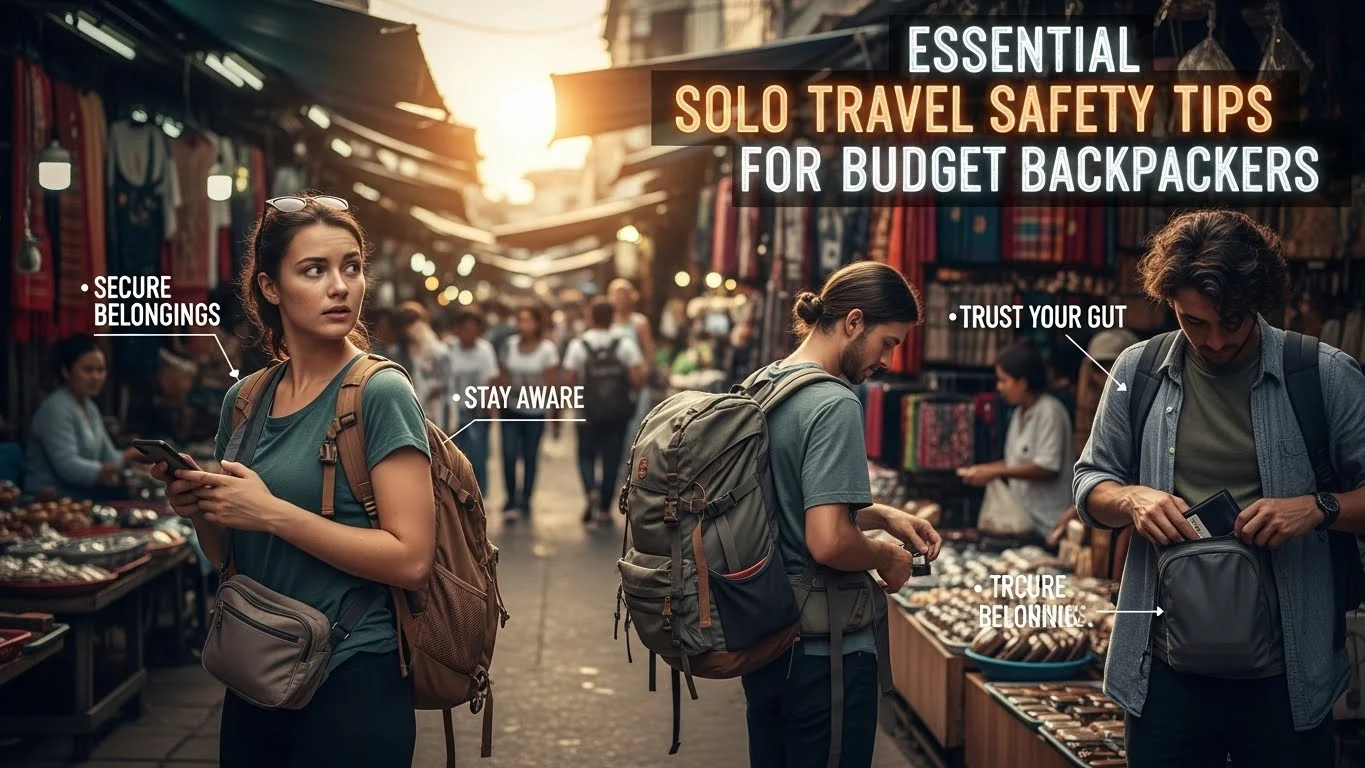
One of the best pieces of advice I’ve ever received is to stay aware of my surroundings. This might sound basic, but it’s made a huge difference in my travel experiences. I often find myself in vibrant, bustling environments, and it’s easy to get lost in the sights and sounds. I remember wandering through a local market, fascinated by the colorful stalls and the aromatic food. But I made sure to keep a mental note of my surroundings so that I wouldn’t inadvertently wander into a less safe area.
I try to avoid looking too much like a tourist, constantly checking maps or my phone. Instead, I glance at my route discreetly or ask locals for directions. I’ve found that engaging with locals not only provides helpful tips but also helps me blend in, making me less of a target. Plus, it can lead to meaningful interactions that enrich my travel experience.
Recognizing and Avoiding Scams
During my travels, I’ve encountered a variety of scams, and learning to recognize them has been invaluable. One of my first trips was in a city known for its vibrant street performances, and I was so enthralled that I didn’t notice when someone tried to pickpocket me. Thankfully, I felt the tug on my bag and turned just in time. Since then, I’ve become more cautious, listening to the experiences of fellow travelers and doing my own research on common scams in the areas I visit.
One scam I often hear about is the “friendly local” who offers to show you around or guide you to a popular attraction, only to lead you to a shop where they earn a commission. I’ve learned to politely decline unsolicited offers and trust my instincts. If something feels off, it probably is. Being aware of the common tricks can save you a lot of headaches down the line.
Managing Personal Belongings
Managing my belongings while traveling is crucial for peace of mind. I’ve developed a system over the years that works for me. I always keep my valuables—like my passport, money, and electronics—in a money belt or a secure pouch that I wear under my clothes. This way, even in crowded situations, I can feel more at ease knowing they’re safely tucked away.
When I’m out and about, I try to use a daypack that closes securely and can be easily accessed. I’ve seen too many travelers leave their bags unzipped or hanging loosely, which can be an open invitation for thieves. Whenever I sit down, whether it’s at a café or on public transport, I make sure my bag is secured in front of me or attached to my body. I learned this the hard way after almost losing my bag during a moment of distraction.
Using Public Wi-Fi Safely
In our tech-savvy world, I often find myself relying on public Wi-Fi, especially when I need to stay connected or access important information. However, I’ve learned to be cautious about using unsecured networks. Public Wi-Fi can be a hacker’s playground, and I’ve heard too many horror stories about travelers having their personal information compromised.
To stay safe, I always use a VPN (Virtual Private Network) when connecting to public Wi-Fi. It adds an extra layer of security by encrypting my data. Additionally, I avoid accessing sensitive accounts, like online banking, while on public networks. This simple practice has given me peace of mind while I enjoy my travels without worrying about my online security.
Emergency Situations: What to Do
Recognizing Signs of Trouble
Despite my best efforts to stay safe, I know that emergencies can happen. One of the most important skills I’ve developed is recognizing signs of trouble. If I ever feel uneasy in a situation, whether it’s a group of people acting suspiciously or a sudden change in the atmosphere around me, I’ve learned to trust my gut instinct. It’s better to be overly cautious than to find myself in a situation that could escalate.
In crowded places, I sometimes spot individuals who seem to be watching me a bit too closely. In these instances, I calmly change my path or move to a more populated area. I’ve also learned to keep my phone handy, not just for navigation but also as a tool for contacting someone if I need help. It’s empowering to have a plan in place for potential trouble.
How to Handle Theft or Loss
If the worst happens and I find myself dealing with theft or loss, I’ve learned how to handle it calmly. First and foremost, I take a deep breath and remind myself to stay composed. I recall one experience when my wallet was stolen; instead of panicking, I retraced my steps mentally and reported the loss to local authorities. Having the contact details of my embassy or consulate saved me a lot of trouble during that time.
I also make sure to have a backup plan in place for my finances. I often keep a small amount of emergency cash hidden separately, and I’ve set up a way to access funds from home if I ever find myself in a pinch. This preparation has come in handy more than once, allowing me to feel more secure while traveling.
Finding Help: Local Authorities and Services
Knowing how to find help in an emergency is vital. I always familiarize myself with local emergency services and have a list of important contacts saved on my phone. If I ever need assistance, whether it’s for theft, health issues, or any other troubles, I know where to turn. During one trip, I had to seek help from the local police for a minor issue, and being aware of their location made the process much smoother.
Emergency Numbers by Country
Before heading to a new destination, I make sure to research the emergency numbers relevant to that country. With a quick search, I can find the local numbers for police, medical emergencies, and fire services. I also recommend saving these numbers in your phone, or even carrying a small card with them written down. This simple step has proven invaluable during my travels, allowing me to feel more prepared for any situation that may arise.
Frequently Asked Questions
What are the common risks faced by solo travelers?
Common risks faced by solo travelers include theft, health risks such as food poisoning, and feelings of loneliness or isolation, which can lead to poor decision-making.
Why is travel insurance important for solo travelers?
Travel insurance is essential because it acts as a safety net, protecting against unforeseen circumstances like cancellations, medical emergencies, or theft, providing peace of mind while traveling.
What should I research before traveling to a new destination?
Before traveling, it’s important to research the culture, local customs, common scams, safe areas versus unsafe areas, and any travel advisories in place.
How can I ensure my safety while using public transportation?
To ensure safety while using public transportation, opt for well-reviewed options, stay alert, keep your belongings secure, and if you ever feel uncomfortable, don’t hesitate to move to another area or get off at the next stop.
What are some essential safety gear items for solo travelers?
Essential safety gear for solo travelers includes a good travel lock, personal alarm, portable charger, and a high-quality flashlight.
How can I maintain my privacy while traveling?
Maintain privacy by avoiding real-time location sharing on social media and being cautious about personal details when meeting new people, sharing only what is necessary.
What actions should I take if I experience theft or loss while traveling?
If you experience theft or loss, stay calm, retrace your steps, report the loss to local authorities, and have a backup plan for accessing funds if necessary.
How can I recognize signs of trouble while traveling?
Recognizing signs of trouble involves trusting your instincts; if you feel uneasy about a situation or notice suspicious behavior, it’s wise to change your path or seek a more populated area.
What should I do in case of an emergency while abroad?
In case of an emergency, familiarize yourself with local emergency services, keep a list of important contacts on your phone, and know where to turn for assistance.
How can I manage my documents and money safely while traveling?
Manage documents and money safely by making photocopies of important documents, keeping them stored separately from the originals, and using a money belt or hidden pouch for valuable items.