
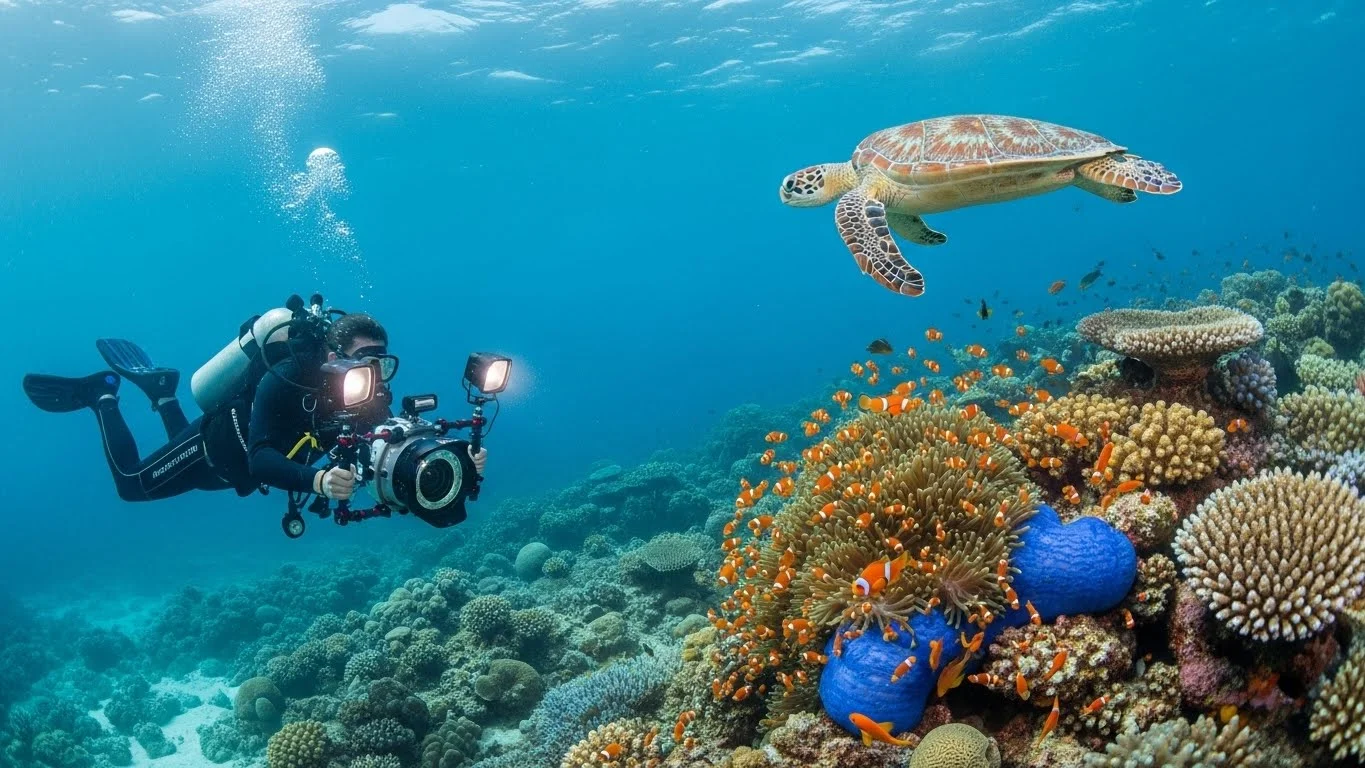
Capturing the beauty of marine life can be one of the most rewarding experiences for any photographer. Whether you’re snorkeling in a coral reef or diving in deep waters, the underwater world offers endless opportunities for breathtaking imagery. To truly excel, consider mastering underwater photography techniques.
Understanding Marine Life Photography
When I first dipped my toes into marine life photography, I realized it wasn’t just about having a good camera. It was about understanding the environment and the creatures that inhabit it. The thrill of capturing a fleeting moment, like a school of fish darting through the water, is exhilarating. Knowing how to navigate the underwater landscape and the unique behaviors of marine animals is key to creating stunning images.
The Importance of Marine Life Photography
Marine life photography does more than just capture pretty pictures; it plays a vital role in raising awareness about our oceans and the creatures living within them. Personally, I feel that every photograph tells a story. Whether it’s a close-up of a delicate sea turtle or a sweeping shot of a vibrant coral reef, these images can evoke emotions and ignite a passion for conservation. I’ve experienced moments where a simple photo sparked conversations about marine preservation, and that’s incredibly powerful.
Types of Marine Life to Capture
From my experience, there are countless species to photograph, each with its own charm and challenges. I’ve found some of my favorite subjects include:
- Fish: Schools of fish can create dynamic compositions, especially when they move in sync. The challenge is to anticipate their movements.
- Mammals: Dolphins and whales offer incredible opportunities, but their size and speed can make capturing them tricky.
- Corals: The colors and textures of coral reefs are astonishing. I love photographing them up close to show their intricate details.
- Invertebrates: Creatures like octopuses and seahorses can be elusive but rewarding subjects. Their unique shapes and colors can make for eye-catching photography.
Every type of marine life presents its own set of challenges and rewards, and I think that’s part of what keeps me coming back for more.
Essential Equipment for Marine Life Photography
Having the right gear can make a significant difference in your underwater photography. I remember feeling overwhelmed by the choices when I started, but over time, I’ve narrowed down the essentials that have worked best for me. If you’re looking for budget-friendly options, check out essential underwater photography accessories on a budget.
Camera Types and Features
The type of camera you use can vary widely depending on your budget and preferences. I personally use a mirrorless camera because it’s compact and versatile. Here are a few features I recommend considering:
- Waterproof Housing: Investing in a good-quality housing is crucial if you’re using a DSLR or mirrorless camera. It protects your gear and allows you to shoot at depth.
- Manual Controls: I find that having manual settings gives me more control over my shots, especially in varying light conditions underwater.
- Fast Autofocus: Marine life can be unpredictable, so a camera with quick autofocus can help you capture those split-second moments.
Lenses for Underwater Photography
The lens you choose can make or break your underwater photos. Wide-angle lenses are my go-to for capturing expansive reef scenes and large marine animals. I also keep a macro lens handy for those close-up shots of smaller creatures. I remember the first time I used a macro lens to photograph a nudibranch; the details were simply mesmerizing.
Accessories: Lights, Filters, and More
Lighting underwater can be challenging due to the water’s natural filtration of light. I often use external strobes to illuminate my subjects, which helps bring out their colors. Additionally, color correction filters can be beneficial, especially when shooting in deeper waters where colors tend to wash out. I’ve learned the hard way that without proper lighting, even the most vibrant subjects can look dull and lifeless.
In my journey as a marine life photographer, I discovered that having the right equipment and understanding how to use it is foundational. As I continue to explore the depths of the ocean, I feel more prepared with every dive, and I can’t wait to see what beauty awaits beneath the waves. For those looking for affordable options, consider checking out affordable underwater photography gear for backpackers.
Techniques for Capturing Stunning Images
As I’ve spent more time underwater, I’ve come to realize that having the right equipment is only part of the equation. The techniques we employ can truly elevate our marine life photography. I remember the first few dives I took, feeling like I was just pointing and shooting. It wasn’t until I started focusing on specific techniques that I saw a real improvement in my images.
Composition Tips for Marine Photography
Composition is one of those elements that can make or break a photograph. I learned early on that the rule of thirds applies just as much underwater as it does on land. Positioning my subject along the lines or at the intersections of the grid can create a more balanced and engaging image. I often try to include leading lines, like coral formations or schools of fish, that guide the viewer’s eye through the photograph. One of my favorite techniques is to shoot from below marine life; it can create a dramatic perspective, especially when sunlight filters down through the water.
Another tip I’d recommend is to pay attention to the background. I’ve spent time adjusting my angle to avoid distracting elements in the frame. A clean background can make your subject pop, and using negative space effectively can add depth to the composition. I’ve found that even a slight shift in position can significantly change the overall feel of the image.
Understanding Lighting Underwater
Lighting is often the biggest challenge in underwater photography. I remember my first few attempts where I thought I could rely solely on natural light, only to surface with dull, lifeless images. I learned that the deeper you go, the more colors get filtered out. That’s when I decided to invest in external strobes. These lights can help illuminate my subjects, bringing back the vibrant colors that water tends to wash away.
I also discovered the importance of shooting during the golden hours—just before sunrise or just after sunset. The soft, diffused light can create a magical atmosphere, enhancing the details in the water and giving my images a warm glow. I try to plan my dives around these times, and the results have consistently amazed me.
Using Color and Contrast Effectively
Color is one of the most fascinating aspects of underwater photography. I believe it’s essential to think about how colors interact in your frame. Vibrant marine life against a contrasting background can create striking images. For instance, I’ve found that shooting a bright clownfish against the deep blues of an anemone can create a captivating contrast that draws the viewer in.
Paying attention to the color palette can also help convey the mood of the image. Cooler tones can evoke a sense of calmness, while warmer tones might suggest vibrancy and energy. I often experiment with different angles and distances to see how the colors shift in different lighting conditions. This exploration has helped me create more dynamic and engaging photographs.
Planning Your Dive or Snorkel Session
After learning techniques for capturing stunning images, I found that planning my dive or snorkel sessions became equally important. A little preparation can make a world of difference in the outcomes of my photography adventures. I remember heading out without much thought, only to find myself in less-than-ideal conditions. Now, I take the time to plan my outings carefully.
Choosing the Right Location
The location can heavily influence the types of marine life I encounter and the quality of my images. I’ve visited various spots, from bustling coral reefs to serene kelp forests, and each has its own unique charm. I recommend researching locations known for their biodiversity. Online forums, local dive shops, and social media can be great resources for finding hidden gems.
In my experience, some locations are better during certain seasons. For example, I’ve found that certain areas might be teeming with marine life during particular migration seasons. I always keep an eye on the local marine calendars to maximize my chances of encountering interesting subjects.
Best Times for Marine Life Activity
I’ve noticed that different marine species have varying levels of activity at different times of the day. Early mornings often yield more action, as many creatures are just starting their day. Conversely, I’ve found that some species, like certain fish and nocturnal creatures, are more active during dusk and dawn. I’ve adjusted my dive schedules to align with these patterns and have been rewarded with more dynamic shots.
Additionally, tide changes can impact visibility and marine life behavior. I’ve learned to check tide charts to plan my dives accordingly, aiming for times when the currents are at their gentlest. This not only makes for a safer dive but helps me maintain stability while capturing images.
Safety Precautions and Guidelines
Safety is paramount when exploring the underwater world. I’ve had my share of close calls, and those experiences taught me the importance of being well-prepared. Before any dive or snorkel, I ensure I have all necessary gear, including a dive computer, safety float, and a buddy system in place. Keeping communication open with my dive partner is essential, and we always establish signals for various scenarios.
Additionally, I’m always mindful of my surroundings. I’ve learned the hard way that marine life can be unpredictable. Maintaining a respectful distance from creatures, especially potentially dangerous ones like sharks or jellyfish, is crucial for both my safety and theirs. Understanding our environment helps create a more enjoyable experience and leads to better photography outcomes.
Editing Techniques for Marine Life Photography
Once I started capturing stunning underwater images, I realized that editing is just as essential as shooting. The post-processing stage allows us to enhance our photos and create the desired mood or atmosphere. I remember feeling a bit intimidated when I first opened editing software, but with practice, I’ve found it to be an exciting part of the creative process.
Post-Processing Software Options
There are several software options out there, and choosing the right one can make a difference in your editing experience. I’ve tried various programs, but I keep coming back to Adobe Lightroom and Photoshop for my editing needs. Lightroom is fantastic for organizing and making global adjustments, like exposure and color balance, while Photoshop offers more advanced editing features for retouching and fine-tuning.
If you’re looking for something more budget-friendly, I’ve also heard great things about Capture One, which some photographers swear by for its color grading capabilities. For mobile editing, apps like Snapseed have done wonders for my photos when I’m on the go. It’s amazing how a few adjustments can elevate an image to the next level, especially when it comes to underwater photography.
Enhancing Colors and Details
Underwater photos often need a little love to bring out the colors that might have been lost due to the water’s filtering effect. One technique I love is adjusting the white balance to make the colors pop. I typically increase the vibrancy and saturation slightly to enhance the natural hues of marine life without overdoing it. I remember the first time I adjusted the colors of a coral reef shot—I was stunned at how much more alive it looked!
Sharpening is another key step in my editing process. I’ve learned that a little bit of sharpening can go a long way in bringing out the details of fish scales or the textures of coral. It’s important to be cautious, though; too much sharpening can lead to an unnatural look. I usually zoom in on my images while sharpening to ensure everything looks crisp but not overly processed.
Common Editing Mistakes to Avoid
Editing can be tricky, and there are a few common pitfalls I’ve encountered on my journey. One of the biggest mistakes is over-editing. It’s easy to get carried away with sliders, but I’ve found that keeping things natural often yields the best results. I remind myself to take breaks during editing sessions to return with fresh eyes and a clearer perspective.
Another mistake is neglecting the importance of cropping. I used to ignore this step, but cropping can significantly improve composition and overall impact. I always check my image for any distracting elements at the edges and adjust the crop accordingly. This simple step can make a world of difference.
Lastly, I’ve learned to save my edits in non-destructive formats. This way, I can revisit my original images and make changes later if needed. It gives me the flexibility to experiment without the fear of permanently altering my precious shots. Keeping an organized workflow has been a game-changer for me, allowing for smoother editing sessions and more time to enjoy my photography.
Ethical Considerations in Marine Life Photography
As I’ve delved deeper into marine life photography, I’ve also become increasingly aware of the ethical responsibilities that come with this passion. The ocean is a delicate ecosystem, and I believe it’s our duty to respect it while pursuing our artistic endeavors. I remember feeling a mix of excitement and anxiety during my first few dives, knowing that my actions could impact the very subjects I was there to capture.
Respecting Wildlife and Their Habitat
One of the core principles I adhere to is minimizing disturbance to marine life. I’ve seen how stressed creatures can become when approached too closely. It’s crucial to maintain a respectful distance and observe their behaviors without intruding on their space. I often remind myself that I’m a guest in their home, and just like in our own lives, we wouldn’t want strangers invading our personal space.
Additionally, I’ve learned to be mindful of the environment around me. I avoid touching corals or marine creatures, as even a gentle touch can cause harm. I’ve heard horror stories about divers damaging fragile ecosystems, and I always strive to leave no trace behind. Every time I dive, I make it a point to pick up any trash I see, ensuring that I contribute positively to the ocean’s health.
Best Practices for Minimizing Impact
Education plays a significant role in ethical marine photography. I’ve found that learning about local ecosystems and species helps me understand their needs and vulnerabilities. This knowledge has guided my decisions about when and where to dive. I often participate in local workshops that focus on marine conservation, as they deepen my appreciation for the underwater world.
Joining organizations dedicated to marine protection has also been a rewarding experience. I’ve met like-minded individuals who share my passion for photography and conservation, and together, we work toward raising awareness about marine issues. I believe that our photographs can be powerful tools for change, and I strive to use my work to advocate for the protection of our oceans.
As I continue my journey in marine life photography, I remain committed to both capturing the beauty of the underwater world and preserving it for future generations. Each dive is a reminder of the responsibility I carry as a photographer and an advocate for marine life.
Sharing Your Marine Life Photography
Now that I’ve discussed the importance of ethics and the editing process, let’s talk about sharing our marine life photography with the world. I’ve found that showcasing our work can open up new opportunities and help inspire others to appreciate and protect our oceans.
Online Platforms for Showcasing Your Work
When I first started sharing my underwater photos, I was amazed by how many platforms were available to showcase my work. Social media channels like Instagram and Facebook have become my go-to places for sharing images and connecting with fellow photographers. I love how these platforms allow me to engage with people who share my passion for marine life.
Besides social media, I’ve also explored photography websites and blogs. Many of these platforms encourage submissions from photographers, providing a space to gain exposure. Participating in online contests has also been a fun way to challenge myself and receive constructive feedback on my work.
Engaging with the Marine Photography Community
Connecting with fellow marine photographers has enriched my journey immensely. I often join online forums and groups where we share tips, experiences, and critiques of one another’s work. I’ve learned so much from others, and the support within this community is truly inspiring. I remember the first time I received feedback on my work—it motivated me to improve and experiment with new techniques.
Attending photography exhibitions and local meet-ups has also helped me forge connections with others who share my interests. I’ve discovered that collaborating on projects can lead to incredible opportunities, whether it’s co-hosting workshops or participating in conservation initiatives. These experiences remind me that our passion for marine life photography can be a powerful force for good.
Frequently Asked Questions
What is marine life photography?
Marine life photography is the art of capturing images of the underwater world, including its creatures and ecosystems. It involves understanding the environment and the behaviors of marine animals to create stunning imagery.
Why is marine life photography important?
Marine life photography raises awareness about ocean conservation and the creatures living within it. Each photograph tells a story and can evoke emotions that spark conversations about marine preservation.
What types of marine life can be photographed?
Photographers can capture a variety of marine life, including fish, mammals (like dolphins and whales), corals, and invertebrates (such as octopuses and seahorses). Each type presents unique challenges and rewards.
What essential equipment is needed for marine life photography?
Essential equipment includes a good-quality camera (preferably a mirrorless or DSLR with waterproof housing), lenses (wide-angle for expansive scenes and macro for close-ups), and accessories like external strobes and color correction filters.
What techniques can improve marine life photography?
Key techniques include understanding composition (like the rule of thirds), managing lighting conditions, utilizing color and contrast effectively, and planning dive or snorkel sessions for optimal outcomes.
How can lighting affect underwater photography?
Lighting is crucial in underwater photography because water filters colors. Using external strobes can help illuminate subjects, while shooting during golden hours can enhance the atmosphere of the images.
What are common editing mistakes in marine life photography?
Common editing mistakes include over-editing images, neglecting to crop for better composition, and failing to save edits in non-destructive formats, which can hinder flexibility in the editing process.
What ethical considerations should photographers keep in mind?
Photographers should minimize disturbance to marine life, avoid touching corals or creatures, and engage in sustainable practices to protect the delicate ecosystems they are capturing.
How can photographers share their marine life photography?
Photographers can share their work on social media platforms like Instagram and Facebook, photography websites, and blogs. Participating in online contests and engaging with the marine photography community can also enhance visibility.
What is the significance of joining marine conservation organizations for photographers?
Joining marine conservation organizations allows photographers to meet like-minded individuals, participate in workshops, and advocate for marine protection, enhancing both their photography journey and their commitment to conservation.