
Traveling is an adventure, but navigating communication abroad can be challenging. Whether you’re exploring new cultures or conducting business, understanding how to connect with locals is essential for a successful experience. One way to enhance your travel experience is by learning about cultural communication etiquette for budget travelers.
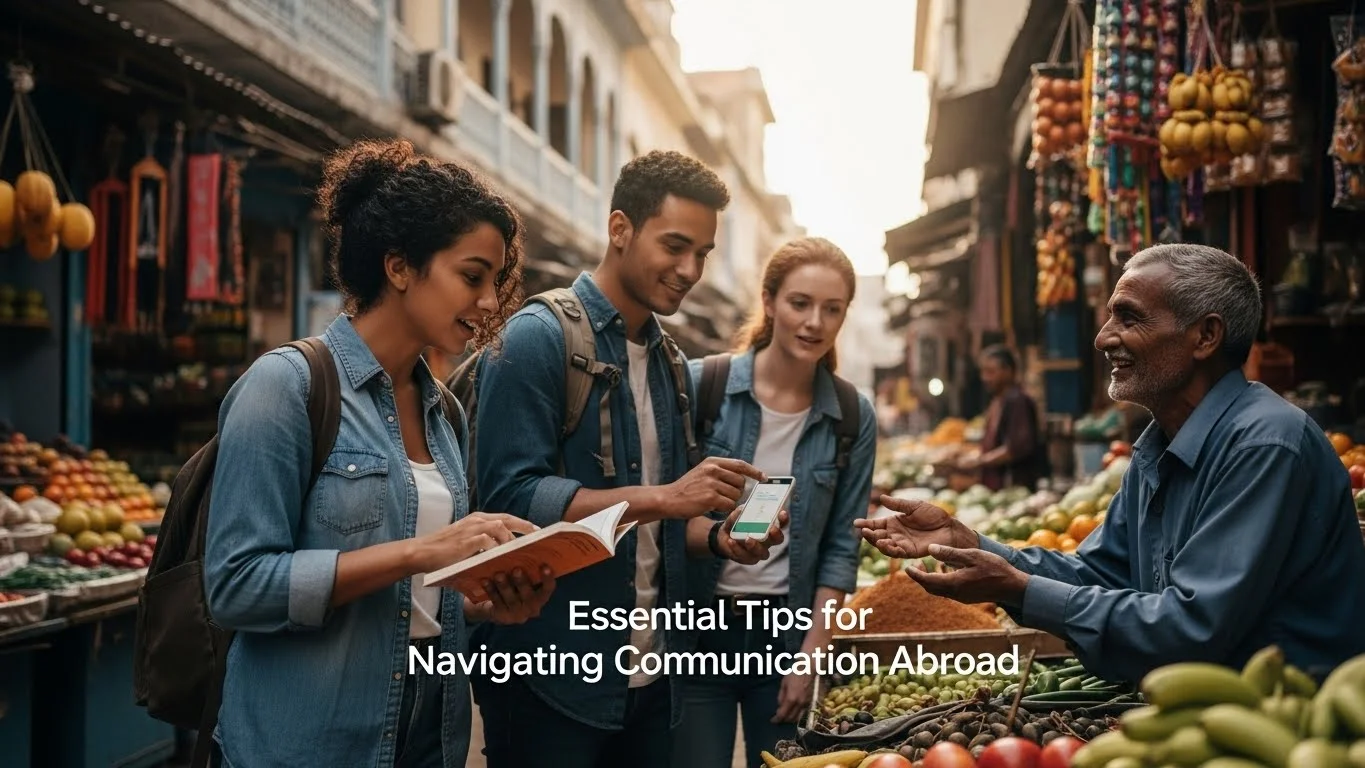
Understanding Cultural Differences in Communication
When I first traveled abroad, I was excited but also a bit anxious about how to communicate effectively. I quickly learned that communication goes beyond just words. Each culture has its unique way of expressing thoughts, and understanding these nuances can make a big difference in how we interact with others. I found that diving into cultural differences in communication styles helped me connect better with people, and I believe it can do the same for you. For instance, mastering communication styles when backpacking abroad can greatly enhance your interactions.
Verbal Communication Styles
One of the first things I noticed was how people in different cultures use language in various ways. In some countries, direct communication is the norm. For instance, in the United States, we often say exactly what we mean without much hinting. However, I found that in places like Japan, communication can be much more indirect. People might imply things rather than state them outright. This subtlety can lead to misunderstandings if you’re not aware. I learned to pay attention to the context of conversations and the tone of voice used, which often conveyed more than the actual words.
Another interesting aspect is the use of formal versus informal language. In some cultures, how you address someone can significantly impact the conversation. For example, in many Latin American countries, using formal titles when meeting someone for the first time is respectful and expected. I remember the first time I addressed someone without a title; I could see they were taken aback. It was a small mistake, but it taught me a valuable lesson about the importance of understanding verbal norms in different cultures.
Non-Verbal Communication Cues
Non-verbal communication is another layer that adds richness to the interaction. I’ve seen firsthand how gestures, facial expressions, and body language vary widely from one culture to another. For instance, a thumbs-up gesture is a positive sign in most places, but in some parts of the Middle East, it can be considered offensive. This is why I always try to observe how locals communicate through gestures before jumping in myself.
Eye contact is another area where I’ve experienced cultural differences. In many Western cultures, maintaining eye contact shows confidence and attentiveness. However, in certain Asian cultures, too much eye contact can be seen as rude or confrontational. I remember feeling awkward when I misread these cues, and it reminded me to be more aware of how my non-verbal signals might be interpreted.
Contextual Communication: High vs. Low Context Cultures
Understanding whether a culture is high-context or low-context can drastically change how we communicate. For example, I realized that in high-context cultures, like those in many Asian and Middle Eastern countries, the context surrounding the conversation carries a lot of meaning. Relationships and background are crucial, and much of the communication happens beneath the surface. In contrast, low-context cultures, such as in Germany or the U.S., rely heavily on explicit verbal communication. I found it helpful to adapt my communication style based on the context I was in, which helped me build stronger connections with locals.
In my experience, being aware of these differences has often made my travels more enjoyable and enriching. It has opened my eyes to the beauty of diverse communication styles and helped me navigate my interactions with greater ease. I believe understanding these cultural nuances is key to fostering mutual respect and connection while abroad.
Language Barriers: Tips for Overcoming Them
Aside from cultural differences, language barriers can also present challenges when communicating abroad. I’ve encountered situations where I didn’t speak the local language fluently, but I found several strategies that helped me bridge that gap and connect with others more meaningfully. For example, learning about essential dining etiquette tips for cultural travel adventures can also enhance your communication in dining situations.
Learning Key Phrases in the Local Language
One of the most effective tips I can share is to learn a few key phrases in the local language. It may seem daunting, but I’ve found that even mastering simple greetings or polite expressions can go a long way. When I traveled to France, I took the time to learn “bonjour,” “merci,” and “s’il vous plaît.” The smiles I received from locals when I tried to speak their language were incredibly rewarding. It showed that I respected their culture, and it often opened doors for deeper conversations.
Using Translation Apps Effectively
In today’s digital age, translation apps are fantastic tools for overcoming language barriers. I’ve relied on apps like Google Translate during my travels. They helped me communicate basic needs or understand restaurant menus when my vocabulary fell short. However, I learned to use these apps wisely; sometimes, translations can be awkward or inaccurate. It’s always a good idea to double-check or ask a local for clarification if something doesn’t quite sound right. I remember once using an app to ask for directions, only to realize later that my phrasing was a bit off, leading to confusion. These moments taught me the importance of being adaptable and patient.
Body Language as a Universal Communication Tool
While language can be a barrier, I discovered that body language often speaks louder than words. I’ve found that gestures, facial expressions, and even my tone of voice can convey my feelings or intentions. When I was in Italy, I noticed how animated and expressive people were during conversations. Even if I didn’t understand every word, the enthusiasm and warmth were palpable. I learned to use my own gestures to support my communication, which helped me convey meaning even when words failed me.
By embracing these strategies, I’ve not only improved my communication skills but also enriched my travel experiences. Overcoming language barriers is about being open, friendly, and willing to learn from others. I believe these efforts create connections that transcend words and foster understanding between cultures.
Etiquette and Protocols in Different Countries
As I’ve traveled to various countries, I discovered that understanding etiquette and protocols is just as important as learning the language or communication styles. Each culture has its own set of rules that govern social interactions, and being aware of these can enhance our experiences and help us avoid unintentional faux pas. I remember feeling a mix of excitement and nervousness as I navigated these customs, and I think sharing some of these insights can help you on your own adventures.
Greeting Customs Around the World
When it comes to greetings, I’ve seen a fascinating variety of customs. In many Western countries, a firm handshake is the norm, often accompanied by eye contact and a smile. However, I was surprised to learn that in certain Asian cultures, a bow is the preferred greeting. I vividly recall my first encounter in Japan, where the subtle art of bowing made me feel both honored and a bit clumsy as I tried to mimic the locals. It was a reminder that every culture has its nuances, and respecting these customs can lead to warmer interactions.
In some Latin American countries, I found that a light hug or cheek-kissing is common among friends. I remember feeling a bit out of place at first, as I wasn’t accustomed to such intimate greetings. But once I embraced the local customs, I felt a greater sense of connection with the people I met. Understanding these greeting customs can help set the tone for your interactions and show that you appreciate the local culture.
Dining Etiquette: Dos and Don’ts
Dining out can be a rich experience that reveals much about a culture, but it can also be a minefield of etiquette rules. I’ve learned that what’s considered polite or rude varies significantly from one place to another. For instance, in Italy, it’s common to ask for a glass of water with your meal, while in some Asian cultures, it might be seen as disrespectful to leave food on your plate. I remember feeling nervous during my first dinner in Thailand, where I had to navigate their unique table manners. I quickly realized that observing others and mimicking their behavior helped me blend in and enjoy the meal more.
Another important tip I picked up is to wait for the host to start eating before I dig in. In many cultures, this shows respect and appreciation for the meal being shared. I once made the mistake of starting to eat before everyone was served, and I could feel the eyes of my hosts on me. It taught me a valuable lesson about patience and respect during communal dining experiences.
Business Communication Protocols
When it comes to business, I found that communication protocols can be quite formal in some cultures, while others might adopt a more casual approach. In countries like Germany, punctuality is highly valued, and being late can be seen as disrespectful. I learned this the hard way when I arrived a few minutes late to an important meeting and saw my colleagues’ disapproving glances.
On the other hand, in places like Brazil, business interactions often blend socializing with work. I found that building relationships before discussing business was essential. I remember sitting through lengthy conversations about family and local sports teams before getting to the crux of our meeting, which, while different from my usual approach, helped foster a strong rapport with my Brazilian colleagues.
In my experience, adapting to local business etiquette has not only enhanced my professional interactions but also allowed me to build lasting connections across cultures. Remember, doing a bit of research about the expectations in a business context can go a long way in ensuring effective communication and collaboration.
Understanding Local Dialects and Slang
As I traveled, I realized that even when I had a basic understanding of the language, local dialects and slang could trip me up in conversations. It’s fascinating how language evolves and adapts within regions, and I believe being aware of these variations can enrich our interactions.
Regional Variations in Language
In my travels through the UK, I quickly learned that English is not always the same everywhere. The first time I visited Scotland, I found myself struggling to understand the local dialect. Words I thought I knew took on completely different meanings. I remember being confused when someone asked if I wanted “a wee dram” and had no idea they were offering me a small drink. That experience taught me the importance of asking questions and being open to learning.
Similarly, when I traveled to India, I encountered a variety of regional languages and dialects. Even within Hindi, different states have their own slang and expressions. I felt like I was on a treasure hunt, discovering new words and phrases everywhere I went. This diversity made my experience richer and highlighted the beauty of language in connecting people.
Common Slang Terms to Know
Familiarizing myself with some common slang terms can make conversations more enjoyable and relatable. For instance, when I was in Australia, learning that “arvo” meant “afternoon” helped me blend in and sound less like a tourist. Similarly, in the United States, picking up on phrases like “what’s up?” or “cool” made it easier to engage in casual conversations. I remember feeling a sense of belonging when I could finally use these terms naturally.
Overall, taking the time to learn local dialects and slang can transform your interactions. It shows effort and respect for the culture, which locals often appreciate. By embracing these variations, we not only enhance our communication skills but also deepen our understanding of the communities we visit.
Effective Listening Skills While Abroad
During my travels, I quickly realized that effective communication isn’t just about speaking; listening plays a crucial role as well. I’ve often found that the way I listen can greatly influence how I connect with locals. Good listening skills help me understand cultural nuances and build deeper relationships. Here are some techniques I’ve found particularly useful in enhancing my listening abilities while abroad.
Active Listening Techniques
Active listening involves fully concentrating, understanding, and responding to what others are saying. I remember my first experience in a crowded market in Marrakech. The vibrant atmosphere was buzzing with energy, and I felt overwhelmed. However, by practicing active listening, I was able to engage with local vendors more effectively. Instead of simply hearing their pitches, I focused on their words and body language. I nodded, made eye contact, and asked follow-up questions. This approach not only helped me understand their offerings better but also showed them that I valued their input. I believe active listening can transform a simple conversation into a meaningful interaction, allowing us to connect on a human level.
Clarifying and Confirming Understanding
As I traveled, I learned that sometimes, I didn’t grasp everything that was being said, especially when language barriers were involved. In those situations, I found it helpful to clarify and confirm my understanding. For instance, while chatting with a local in a small café in Lisbon, I felt a bit lost when they shared their thoughts on the city’s history. I decided to paraphrase what I thought I heard and asked, “So, you’re saying the old town has a lot of hidden gems?” This not only ensured that I was on the same page but also encouraged the local to elaborate further. I believe this technique fosters a sense of connection and shows that we are genuinely interested in what the other person has to say.
Communicating in Diverse Situations
Communication can vary widely depending on the context, especially when I find myself in different situations like traveling, dining out, or shopping. I’ve learned that being adaptable and aware of the setting is essential to making effective connections.
Traveling: Asking for Directions and Assistance
When I’m in a new city, asking for directions can be intimidating, particularly if I don’t speak the language. However, I’ve discovered that a smile, polite gestures, and basic phrases can work wonders. I remember wandering through the narrow streets of Venice, feeling a bit lost. I approached a friendly-looking shopkeeper and simply said, “Per favore, dove si trova…?” while gesturing to my map. Even though my pronunciation wasn’t perfect, the shopkeeper understood my intent and responded with clear directions and a warm smile. It taught me the importance of body language and showing appreciation, which can often bridge any language gaps.
Dining Out: Ordering Food and Interacting with Staff
Dining out is one of my favorite ways to experience a culture, but it can also be a bit of a challenge when it comes to communication. I’ve learned that being polite and respectful goes a long way when interacting with restaurant staff. For example, in Japan, I was amazed at how the staff would bow slightly when taking my order. I tried to mirror their respect by using simple phrases like “arigato” for thank you. Additionally, I discovered that observing how locals ordered their meals helped me navigate menus more confidently. Whether it was pointing to dishes or asking for recommendations, being open and friendly made dining experiences much more enjoyable.
Shopping: Negotiating Prices and Making Purchases
Shopping in local markets is always an adventure. I remember my first time in a bustling bazaar in Istanbul, where haggling is the norm. At first, I was unsure how to approach negotiating prices. I learned that it’s all about building rapport with the vendor. I would greet them with a friendly “merhaba” and engage in light conversation about their products. This created a connection that made the negotiation process feel more like a friendly exchange rather than a transaction. I also discovered that showing genuine interest in their craft often led to better prices and a more enjoyable shopping experience. It’s amazing how good communication can lead to mutual respect and understanding.
Using Technology to Enhance Communication
In this digital age, technology has opened up new avenues for communication while traveling. I’ve found that using various tools can help me navigate language barriers and enhance my interactions with locals.
Mobile Apps for Translating Languages
One of the best resources I discovered during my travels was mobile translation apps. I relied heavily on them when I ventured to places where I didn’t speak the language. For instance, during my trip to Thailand, I used a translation app to help me order food from street vendors. Although I stumbled a bit with pronunciation, the app provided a safety net that made me feel more confident. However, I learned to be mindful of the nuances and context; some translations could be literal and not reflect local expressions. This experience reminded me to be patient and engage with locals, who often appreciated my efforts even if I got it wrong.
Social Media as a Communication Tool
Social media platforms have also been a game changer for me while traveling. I found that connecting with locals through platforms like Instagram or Facebook not only helped me gather tips about places to visit but also opened doors for conversations. I remember reaching out to a local artist in Barcelona whose work I admired. We ended up meeting for coffee, and it was a wonderful way to learn more about the culture and art scene from someone who lived there. Social media can be a bridge to understanding and building relationships, making the world feel a little smaller.
Using Online Forums for Local Insights
Online forums like Reddit or travel-specific sites have been invaluable for me, providing insights into local customs and tips from experienced travelers. Before heading to Vietnam, I browsed forums to gather advice on cultural etiquette and must-try dishes. The information I found helped me feel more prepared and confident in my interactions. I believe these online communities are amazing resources for discovering hidden gems and connecting with fellow travelers, enriching our overall experience.
Frequently Asked Questions
What is the importance of understanding cultural differences in communication while traveling?
Understanding cultural differences in communication is essential for effectively connecting with locals and enhancing travel experiences. Each culture has its unique way of expressing thoughts, and being aware of these nuances helps avoid misunderstandings and fosters mutual respect.
How do verbal communication styles differ across cultures?
Verbal communication styles can vary significantly between cultures. For instance, direct communication is common in the United States, while indirect communication is more typical in countries like Japan. Additionally, the use of formal versus informal language can impact interactions, as seen in many Latin American countries where formal titles are expected in initial meetings.
What role does non-verbal communication play in different cultures?
Non-verbal communication adds richness to interactions and varies widely across cultures. Gestures, facial expressions, and body language can have different meanings; for example, a thumbs-up is positive in many places but offensive in some Middle Eastern countries. Understanding these cues is crucial for effective communication.
What strategies can help overcome language barriers while traveling?
To overcome language barriers, travelers can learn key phrases in the local language, use translation apps effectively, and utilize body language as a universal communication tool. These strategies help bridge gaps in communication and foster connections with locals.
Why is it important to understand etiquette and protocols in different countries?
Understanding etiquette and protocols is crucial as each culture has its set of rules governing social interactions. Being aware of these customs can enhance experiences and help avoid unintentional faux pas, leading to warmer interactions with locals.
What are some common greeting customs around the world?
Greeting customs vary across cultures; for example, a firm handshake is common in many Western countries, while bowing is preferred in certain Asian cultures. In Latin America, light hugs or cheek-kissing are common among friends, highlighting the importance of respecting local customs.
What dining etiquette should travelers be aware of?
Dining etiquette varies significantly; for instance, leaving food on the plate may be disrespectful in some Asian cultures, while it’s common to ask for water with meals in Italy. Observing local dining practices and waiting for the host to start eating can enhance communal dining experiences.
How can effective listening skills improve communication while traveling?
Effective listening skills, such as active listening and confirming understanding, play a crucial role in building deeper relationships while traveling. Engaging fully in conversations and asking clarifying questions can enhance connections with locals and improve overall communication.
What are some tips for communicating effectively in diverse situations like shopping or dining?
In diverse situations, being adaptable and polite is key. When shopping, building rapport with vendors through friendly greetings can lead to better negotiations. In dining contexts, using simple phrases and observing how locals interact can enhance the experience and show respect for the culture.
How can technology enhance communication while traveling?
Technology can enhance communication through mobile translation apps, social media, and online forums. These tools help travelers navigate language barriers, connect with locals, and gather insights about cultural etiquette, enriching their overall travel experience.