
Planning a budget safari adventure can be thrilling and a bit daunting. With the right tips, you can make unforgettable memories without breaking the bank. Let’s dive into how to maximize your experience while staying within your budget. Read Interesting article: Wildlife Photography on a Budget: Safari Tips You Need
Understanding Safari Types
When I first started planning my safari adventure, I had no idea that there were so many different types of safaris. Each offers a unique experience, and understanding these can help you decide which fits your budget and interests best.
Game Drives
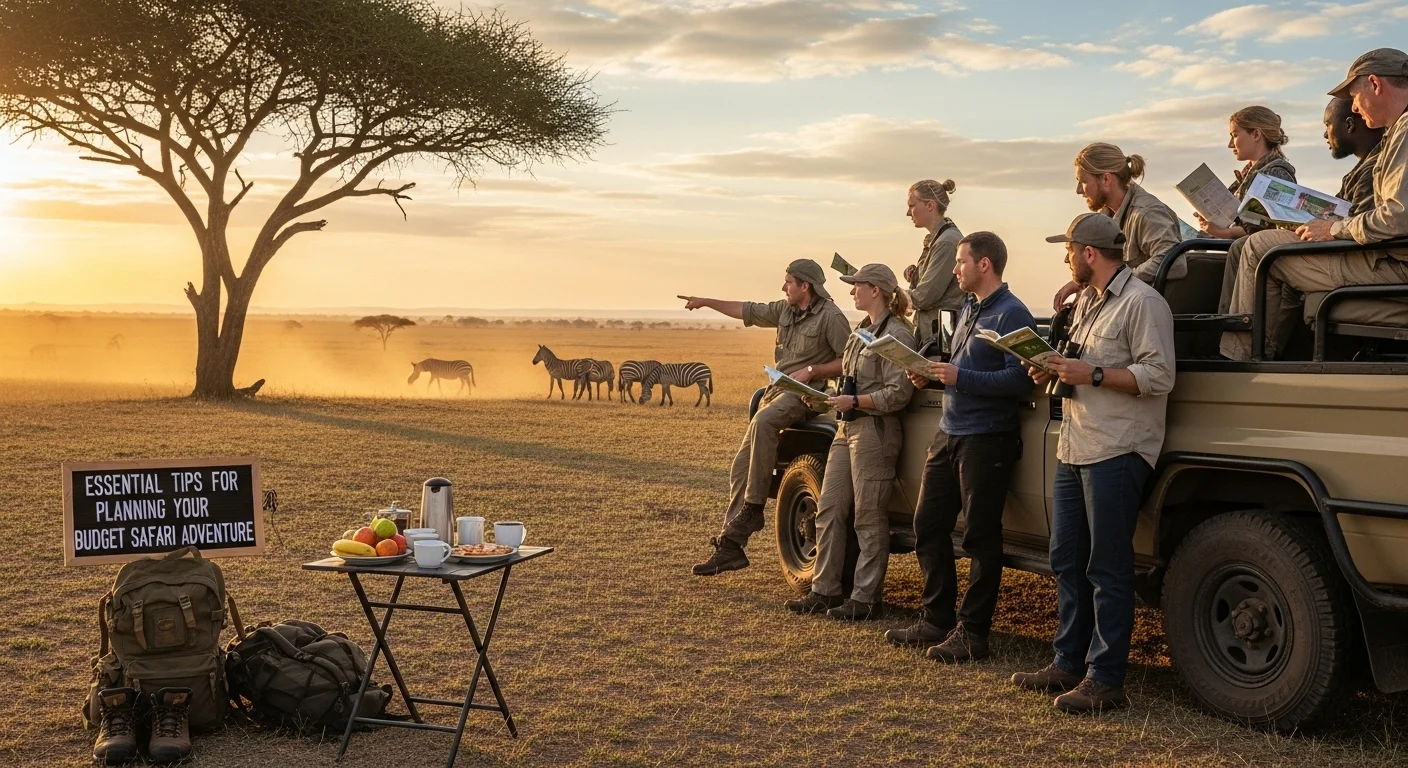
Game drives are probably the most popular type of safari. Picture this: you’re in a rugged 4×4 vehicle, bouncing along dusty trails under the African sun, eyes peeled for wildlife. I remember my first game drive vividly. We spotted a pride of lions lounging under a tree, and it felt like a scene from a movie. Most game drives are guided, which means you have an expert with you who knows where to find the animals and can tell you all about them.
These drives can vary in price, depending on the park and the level of luxury you choose. If you’re on a budget, look for group game drives. They tend to be much cheaper than private ones, and you’ll meet fellow travelers along the way. I found that sharing the experience with others made it even more enjoyable.
Walking Safaris
For a more immersive experience, consider walking safaris. Imagine trekking through the bush with a knowledgeable guide, learning about the ecosystem, animal tracks, and local flora. When I tried my first walking safari, I felt a rush of excitement and a bit of fear, knowing we were on foot in wildlife territory.
Walking safaris can be a budget-friendly option, especially if you choose a basic camping setup. Just be prepared with the right gear and a good level of fitness. The thrill of spotting animals from a distance and observing them in their natural habitat is worth it, in my opinion. If you’re interested in capturing these moments, check out Essential Wildlife Photography Tips for Budget Safari Travelers to enhance your experience.
Camping Safaris
Camping safaris are another fantastic way to keep costs down. They allow you to experience the wild up close and personal. I remember sleeping under a blanket of stars, listening to the sounds of the night—the roar of a lion in the distance, the rustle of animals nearby. It was exhilarating!
While camping safaris can be very affordable, make sure you check what’s included. Some companies provide all equipment, meals, and even guided excursions, while others might expect you to bring your gear and cook your own food. I recommend doing your research to find a reputable company that fits your budget.
Self-Drive Safaris
If you’re feeling adventurous and want to save money, a self-drive safari could be the way to go. Renting a vehicle allows you to create your own schedule and explore at your own pace. I had an unforgettable self-drive experience in Kruger National Park. The freedom to stop whenever I wanted to take photos or watch animals was incredible.
However, self-driving comes with its own challenges. You’ll need to familiarize yourself with the park rules, road conditions, and safety precautions. I found that having a good map and downloading offline resources helped make the experience smoother. Plus, it’s often cheaper than guided tours, especially if you’re traveling with friends or family.
In summary, understanding the different types of safaris can help you choose the best option for your budget and interests. Whether you prefer the comfort of a game drive, the thrill of a walking safari, the intimacy of camping, or the freedom of self-driving, each offers a unique way to experience the beauty of Africa. As you think about your adventure, consider what excites you the most and let that guide your decision-making process.
Choosing Your Destination
Choosing the right destination for your budget safari can truly make or break your experience. I remember how overwhelming it felt when I first started looking into different countries and parks. Each place has its unique charm, wildlife, and landscape, and finding one that fits my budget was key. Here’s what I discovered as I navigated through my options.
Top African Countries for Budget Safaris
There are several African countries known for their affordability and unforgettable safari experiences. For me, countries like South Africa, Tanzania, and Kenya stood out as great options. South Africa, particularly, offers various national parks where you can have a fantastic experience without spending a fortune. Kruger National Park, for instance, is famous for its wildlife and is quite accessible for self-driving.
Tanzania is another gem. The Serengeti and Ngorongoro Crater are breathtaking, and while some tours can be pricey, I found that many budget-friendly options exist, especially during the off-peak season. Then there’s Kenya, where the Maasai Mara is iconic for its wildlife migrations. With a bit of research, I uncovered several affordable camping options in these parks that made my wallet breathe a sigh of relief.
National Parks and Reserves to Consider
When planning, it’s also essential to look at specific national parks and reserves. I was amazed by how many options there are! Parks like Etosha in Namibia and Chobe in Botswana offer incredible wildlife viewing opportunities at reasonable prices. Etosha, in particular, has a unique salt pan that attracts diverse animal species, and you can easily find budget accommodations nearby.
I also found that some lesser-known parks, like Addo Elephant National Park in South Africa, offer fantastic wildlife experiences without the crowds. It was a pleasant surprise to discover that these hidden gems could provide just as much adventure and beauty as the more famous ones.
Off-Peak vs. Peak Season
Timing your safari can significantly impact your budget. I learned firsthand how much prices can fluctuate between peak and off-peak seasons. For instance, traveling during the wet season may save you money on accommodations and tours, but it can also mean fewer wildlife sightings. On the other hand, the dry season, when animals tend to congregate around water sources, can be more expensive but often more rewarding in terms of wildlife encounters.
In my experience, I found that planning my trip for the shoulder season, just before or after peak, offered a good balance. I encountered fewer tourists while still having decent weather and animal activity. Plus, prices were more manageable. It’s worth considering what kind of experience you want and how that aligns with the best time to visit your chosen destination.
Budgeting for Your Safari Adventure
Once I settled on my destination, budgeting for the trip became my next focus. I learned that breaking down expenses into categories helped me stay organized and avoid overspending.
Estimating Overall Costs
When estimating overall costs, I found it helpful to consider everything from flights to daily expenses. I created a spreadsheet listing potential costs, which included accommodation, food, park fees, and activities. This way, I had a clearer picture of what to expect. I also made sure to leave some wiggle room for unexpected expenses, which is always a good idea when traveling.
Accommodation Options
Accommodation can vary widely in price, so exploring different options is crucial. I discovered that my choice of lodging could significantly affect my overall budget.
Camping vs. Lodges
Camping was one of my favorite options. It not only saved me money but also added a layer of adventure to my trip. Many parks have designated campsites where I could set up my tent and enjoy the sounds of nature at night. However, I also learned that lodges offer a more comfortable experience, with meals and amenities included. If you’re leaning towards a lodge, look for budget-friendly ones that cater to safari-goers.
Hostels and Guesthouses
If camping isn’t your style, consider hostels or guesthouses. During my travels, I found some charming guesthouses that provided great meals and were located near national parks. They often have the added bonus of connecting you with other travelers, which can enhance your experience. Just remember to book ahead, especially during busy seasons!
Transport Costs
Transport costs can sneak up on you. Depending on your destination, you might need to budget for flights, car rentals, or shuttle services to and from parks.
Flight Expenses
When I was booking my flights, I made it a priority to compare ticket prices on different platforms. I found that flying mid-week was often cheaper than weekend flights. Plus, I signed up for fare alerts to catch discounts. It’s amazing how a little diligence can help save some serious cash!
Local Transportation
Once I landed, I looked into local transport options. If you’re planning on self-driving, rental costs can add up, but I discovered that sharing a rental with fellow travelers could significantly cut costs. Additionally, some parks offer shuttle services from nearby towns, which can be a budget-friendly alternative.
Food and Drink Budgeting
Food and drink expenses can vary widely, depending on where you eat. I found that dining at local markets or cooking my meals while camping saved me a lot of money. I remember picking up fresh produce from a market and preparing simple meals at my campsite. It was a fun way to immerse myself in the local culture, and the food tasted even better under the stars!
Park Entrance Fees
Lastly, don’t forget to factor in park entrance fees. These can vary by park and can sometimes be a significant part of your budget. I made sure to check the fees for each park I planned to visit and included them in my overall cost calculations. Some parks also offer multi-day passes, which can be a good deal if you plan to stay longer.
Planning Your Itinerary
Once I had my budget and destination sorted out, the next step was crafting an itinerary that balanced adventure with relaxation. I learned that having a plan helped me maximize my time without feeling rushed. Here’s how I approached it.
Selecting Key Activities
When it came to selecting activities, I decided to focus on the experiences that most excited me. I wanted to ensure that I didn’t miss out on the highlights while still allowing for some spontaneous adventures along the way.
Game Viewing
Game viewing was at the top of my list. I researched the best times to see specific animals and what parks were known for particular sightings. For instance, I discovered that early morning or late afternoon was the best time for spotting predators. I also learned that some parks had specific areas known for certain wildlife, which helped me prioritize my driving routes during my self-drive safari. I remember the thrill of seeing elephants up close during a sunset drive—it was one of those moments that took my breath away.
Bird Watching
As an avid bird watcher, I dedicated part of my itinerary to this passion. I took the time to look for parks renowned for their bird populations. Do you know how exhilarating it is to spot a rare bird? I remember waking up early one morning, armed with my binoculars, and being rewarded with the sight of a vibrant lilac-breasted roller. Taking a guided bird-watching tour was also a fantastic way to learn more about the local species while connecting with other like-minded travelers.
Cultural Experiences
Incorporating cultural experiences into my itinerary added depth to my trip. I sought opportunities to interact with local communities, which I found to be enriching. Whether it was visiting a Maasai village in Kenya or participating in a cooking class in Tanzania, these experiences allowed me to learn about the traditions and lifestyles of the people living alongside the wildlife. I remember the warmth of the locals as they welcomed us into their homes, sharing stories and delicious food.
Daily Schedule Tips
Creating a daily schedule was crucial for me to keep my plans organized. I tried to strike a balance between packed days and downtime. I found that having a rough outline helped me plan sights and activities while still allowing flexibility. For instance, I would schedule a morning game drive, followed by a leisurely lunch at my accommodation, and then an afternoon of relaxation or a short walking safari. This structure kept me energized and eager for the next adventure.
Rest Days and Recovery
One thing I learned the hard way was the importance of rest days. After a few consecutive days of long drives and early starts, I could feel my energy waning. I made it a priority to incorporate light days into my itinerary where I could relax by a waterhole or take a short hike. These breaks helped me recharge and enjoy my surroundings without feeling overwhelmed. I remember sitting by a serene waterhole, watching wildlife come and go, and realizing that sometimes the best moments are the quiet ones spent in nature.
Essential Gear and Packing List
The next step in my safari planning was to figure out what gear I would need. Packing smartly can make a significant difference in your experience. I learned that being prepared meant I could focus on enjoying my adventure rather than stressing about what I forgot.
Clothing Recommendations
When it comes to clothing, comfort and practicality were key for me. I packed lightweight, breathable fabrics that would keep me cool during the day and warm during cooler evenings. Neutral colors are best for blending into the environment and not startling wildlife. I also included a good pair of hiking shoes for walking safaris, along with a light rain jacket just in case. I remember regretting not bringing a wide-brimmed hat to shield my face from the sun—trust me, you’ll want to protect yourself from those harsh rays!
Camera and Photography Gear
As a photography enthusiast, my camera gear was a top priority. I made sure to bring my DSLR, a couple of lenses for different perspectives, and extra batteries and memory cards. It was humbling to capture the beauty of wildlife in their natural habitats. I remember the excitement of clicking away as I witnessed a cheetah sprinting across the savannah, and having the right gear made all the difference. For those who prefer a lighter setup, a good smartphone with a decent camera can also do wonders. Speaking of gear, be sure to check out The Best Affordable Safari Gear for Budget Travelers for more tips.
Health and Safety Essentials
Health and safety gear was something I didn’t overlook. I packed a first aid kit with essentials like antiseptic wipes, band-aids, and any personal medications. I also made sure to include insect repellent and sunscreen, as those pesky bugs can be relentless. I spoke with fellow travelers who had firsthand experience with altitude sickness when visiting higher areas, so I made sure to have medication on hand just in case. Being prepared in this area gave me peace of mind during my travels.
Camping Gear (if applicable)
If you’re considering a camping safari, I found that having the right camping gear is critical. I brought my own sleeping bag and tent, but I also researched rental options through my safari provider. A good sleeping pad made all the difference for my comfort while sleeping under the stars. I also packed a portable cooking stove and utensils for those nights when I wanted to whip up a simple meal. Cooking in the wild added a sense of adventure, and I loved feasting on warm meals after a long day of exploration.
Finding Deals and Discounts
As I continued planning, I started hunting for deals and discounts to stretch my budget even further. I discovered several strategies that helped me save money while still enjoying my safari adventure.
Online Travel Agencies and Booking Sites
I found that using online travel agencies and booking sites allowed me to compare prices easily. Websites like Expedia and Booking.com often had competitive rates for accommodations and tours. I also signed up for newsletters from my favorite travel websites to receive alerts on special deals. It was exciting to catch discounted rates for certain parks, allowing me to allocate more funds for experiences.
Group Discounts and Packages
Traveling with friends or family can lead to significant savings. I learned that many tour operators offer group discounts, which made activities more affordable. When I planned a trip with a few friends, we combined our resources to book a package that included accommodations, meals, and guided tours. The camaraderie we shared made the experience even more memorable, and splitting costs allowed us to enjoy more activities than we initially thought possible.
Last-Minute Deals
Finally, I discovered the potential of last-minute deals. Many safari companies often have available slots they want to fill, leading to discounted prices as the travel date approaches. While this approach can be a bit risky, I found that, with a flexible schedule, I could snag some incredible deals. I remember getting a fantastic offer for a guided game drive just a few days before my trip—it felt like a lucky break!
Frequently Asked Questions
What are the different types of safaris available?
There are several types of safaris including game drives, walking safaris, camping safaris, and self-drive safaris. Each type offers a unique experience and varies in cost and adventure level.
What is a game drive safari?
A game drive safari involves traveling in a rugged 4×4 vehicle to spot wildlife. These drives are often guided by experts who can provide information about the animals and their habitats.
How can I save money on safari accommodations?
You can save money on accommodations by choosing camping options, staying at hostels or guesthouses, or looking for budget-friendly lodges. Some companies may also offer packages that include meals and guided excursions.
What are the benefits of a walking safari?
A walking safari provides a more immersive experience in nature, allowing you to learn about the ecosystem and animal tracks up close. It’s also often a more budget-friendly option compared to other types of safaris.
Which countries are recommended for budget safaris?
Countries like South Africa, Tanzania, and Kenya are recommended for budget safaris. They offer various national parks with affordable options and incredible wildlife experiences.
How does the season affect safari costs?
Safari costs can vary significantly between peak and off-peak seasons. Traveling during the off-peak season may save you money, but it can also result in fewer wildlife sightings compared to the dry season.
What should I include in my safari budget?
Your safari budget should include flights, accommodations, food, park fees, activities, and transportation costs. It’s also wise to leave some room for unexpected expenses.
What essential gear should I pack for a safari?
Essential gear for a safari includes comfortable clothing, a good camera, health and safety essentials like a first aid kit and insect repellent, and camping gear if you’re camping.
How can I find deals and discounts for my safari?
You can find deals and discounts by using online travel agencies, looking for group discounts, and checking for last-minute deals from safari companies.
What activities should I prioritize during my safari?
Prioritize activities that excite you, such as game viewing, bird watching, and cultural experiences. Planning your itinerary around these activities can enhance your overall experience.