
Embarking on a solo backpacking adventure can be one of the most thrilling experiences of your life. It offers the chance to explore new places, meet interesting people, and discover more about yourself along the way. If you’re looking for inspiration, check out the Top 10 Backpacking Destinations for Solo Travelers on a Budget.
Understanding Solo Backpacking
What is Solo Backpacking?
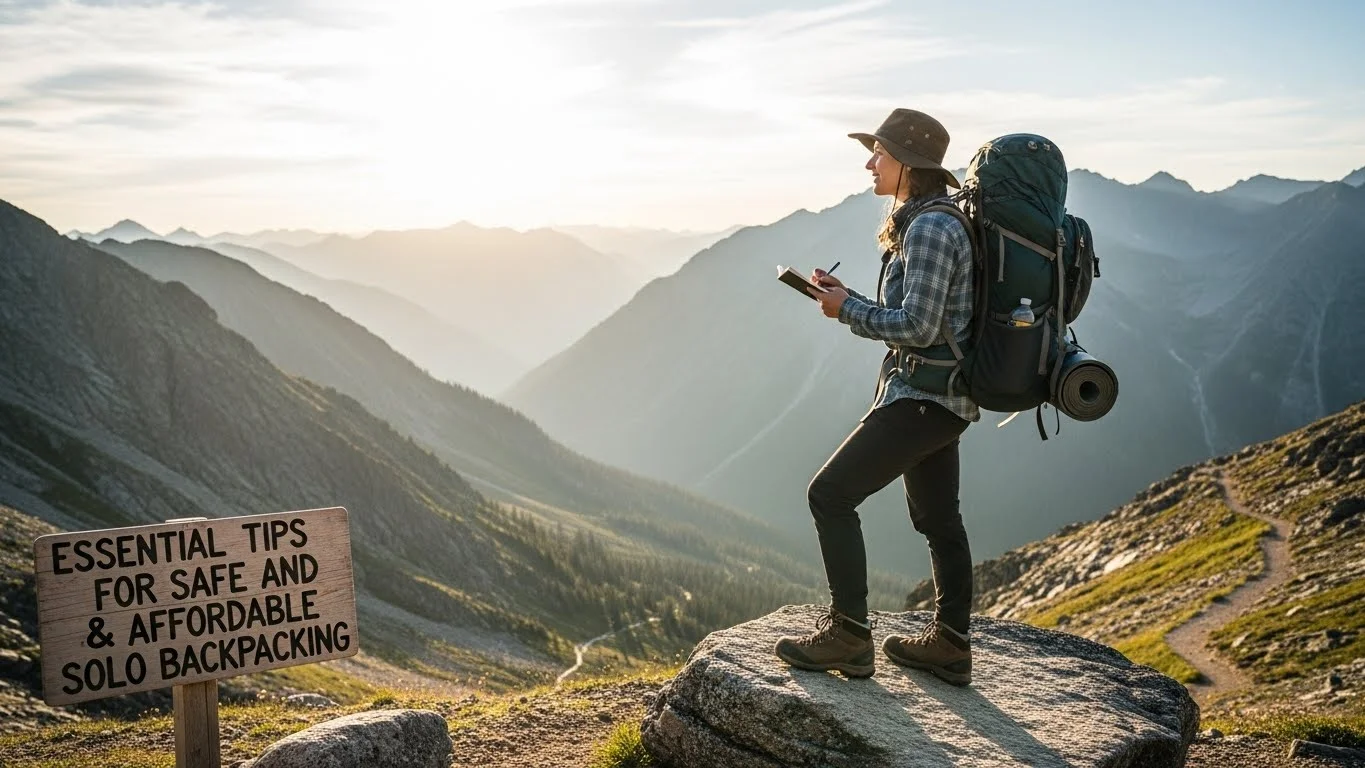
Solo backpacking is all about hitting the road on your own, carrying everything you need in a backpack. It’s not just a way to travel; it’s a lifestyle choice that allows for complete freedom and flexibility. I remember my first solo trip; it was exhilarating to make choices based solely on my whims. No one else’s preferences or schedules to consider! This type of travel often involves staying in hostels, using public transportation, and hiking or walking extensively. It can lead you to hidden gems that larger groups might overlook.
Benefits of Solo Backpacking
There are countless benefits to solo backpacking that I’ve come to appreciate over the years. First and foremost is the sense of independence. When I travel alone, I feel a confidence that is hard to replicate in my everyday life. I can change my plans on a whim, linger in places that capture my heart, or skip a tourist hotspot if I’m not feeling it. Furthermore, solo backpacking encourages self-reflection and personal growth. I’ve learned more about myself on these journeys than I ever did sitting at home.
Another significant benefit is the opportunity for genuine interactions with locals and fellow travelers. I’ve had some of the most profound conversations with strangers while sitting on a park bench or sharing a meal. These moments often lead to unforgettable friendships and experiences that enhance my travels.
Common Misconceptions
Despite its many advantages, there are some misconceptions about solo backpacking. One of the biggest myths is that it’s inherently dangerous. While I won’t deny that there are risks involved, I believe that with proper planning and awareness, most situations can be navigated safely. I’ve found that most people are kind and willing to help if you approach them respectfully.
Another common misconception is that you’ll be lonely. Sure, there might be moments of solitude, but I’ve discovered that traveling solo often leads to meeting new friends. Hostels, group tours, and even cafes can become places of connection. I’ve made friends from different countries, and these relationships have added richness to my travels.
Lastly, some people think solo backpacking is too expensive. However, I’ve found that with the right strategies, it can be quite affordable. By staying in hostels, cooking some of my meals, and using public transport, I’ve managed to stretch my budget further than I ever thought possible. For more tips on saving while traveling, check out the Backpacking on a Budget: Your Ultimate Guide to Savings.
Planning Your Solo Backpacking Trip
Choosing Your Destination
When it comes to choosing a destination, I like to think about what experiences I’m looking for. Whether it’s mountains, beaches, cities, or cultural experiences, the world is full of options. I often make a list of places I’ve always wanted to visit and then research each one to see what appeals to me most. For my last trip, I chose Southeast Asia. The combination of affordability, rich culture, and stunning landscapes was too good to pass up.
Researching Local Culture and Customs
Understanding the local culture and customs of your destination can enhance your experience significantly. I’ve learned that what’s considered polite in one country might be rude in another. Before heading out, I spend time researching traditions, local etiquette, and any cultural norms that may differ from my own. This preparation not only helps me avoid unintentional faux pas but also shows respect to the locals, which they always appreciate.
Creating a Flexible Itinerary
I find that having a flexible itinerary is crucial for solo backpacking. While it’s good to have a plan, I’ve learned that some of the best moments come from spontaneity. I usually outline key places I want to visit but leave plenty of room for changes. On one of my trips, I met someone who recommended a small town I had never heard of. I decided to go, and it turned out to be the highlight of my journey!
Understanding Visa and Entry Requirements
Before I travel, I make sure to check the visa and entry requirements for my destination. This step is vital to avoid any surprises at the border. Some countries allow visa-free entry for certain nationalities, while others require a visa application in advance. I recommend visiting the government website or a reputable travel site to get the most accurate information. Preparing this in advance saves a lot of stress when you arrive in a new country.
Budgeting for Your Trip
Estimating Daily Expenses
Budgeting is one of the most crucial parts of planning a solo backpacking trip. I’ve learned that estimating daily expenses can help me avoid any financial stress while traveling. Typically, I break down my expected costs into daily categories, including accommodation, food, activities, and transportation. For instance, when I traveled through Southeast Asia, I found that I could comfortably manage on around $30 to $50 a day, depending on the country. This estimate included staying in hostels, eating local street food, and engaging in affordable activities. Creating a daily budget not only helps you keep track of your spending but also allows for some flexibility if you want to splurge on an unexpected experience. If you’re interested in more budgeting tips, check out the Ultimate Guide to Budget Backpacking for Solo Adventurers.
Tips for Finding Affordable Accommodation
When it comes to finding a place to stay, I’ve discovered a few tricks to keep my accommodation costs low. First, I love using booking platforms like Hostelworld and Airbnb, which can provide a variety of options ranging from dorm rooms to private stays. I usually prefer hostels because they often have kitchen facilities and communal areas where I can meet other travelers. Another tip I’ve found useful is to book in advance, especially during peak seasons. However, sometimes, I embrace spontaneity and look for last-minute deals, which can lead to incredible savings. Additionally, consider staying slightly outside major tourist areas; this can make a big difference in price while still giving you easy access to key attractions.
Cost-Effective Transportation Options
Transportation can eat up a good chunk of your budget, but I’ve learned how to navigate it wisely. I often rely on public transportation like buses and trains, which are often much cheaper than taxis or ride-sharing services. For example, during my trip in Europe, I took advantage of rail passes that allowed unlimited travel within certain regions. Not only did it save me money, but it also offered the chance to see beautiful landscapes along the way. Walking is also one of my favorite ways to explore a new city; it’s free and gives you a chance to soak in the local atmosphere. In some places, I’ve rented bicycles, which can be a fun and inexpensive way to get around.
How to Save on Food
Food is one expense that can vary widely depending on where you are. I’ve found that eating like a local can save me a great deal of money while also enriching my experience. Street food has become one of my favorites; not only is it often delicious, but it’s also affordable. For instance, in Thailand, I enjoyed flavorful dishes for just a couple of dollars. I also make it a point to visit local markets. I love picking up fresh fruits or snacks to enjoy throughout the day. Sometimes, I even cook my own meals in hostel kitchens, which helps me save money and allows me to experiment with local ingredients.
Managing Emergency Funds
No one likes to think about emergencies while traveling, but I’ve learned that it’s crucial to be prepared. I always set aside a portion of my budget specifically for emergencies. This could include unexpected medical expenses, extra accommodation, or even last-minute travel changes. I recommend keeping this money separate from your daily budget, perhaps in a hidden pocket or a different bank account. Additionally, it’s wise to have a backup card or cash in a secure location. On one of my trips, when I lost my wallet, having that emergency fund saved me from a stressful situation. Knowing that I had a safety net allowed me to focus on resolving the issue rather than panicking about how I would manage without funds.
Essential Gear for Solo Backpacking
Choosing the Right Backpack
Your backpack is your home on the road, so choosing the right one is essential. I remember the first time I picked my backpack; I spent hours in the store trying different sizes and styles. I’ve learned that a good backpack should fit comfortably and have enough space for all your gear without being too bulky. I prefer a backpack with a capacity of around 50 to 70 liters, as it offers enough room for my essentials while remaining manageable. Additionally, I look for features like padded straps and a hip belt for better weight distribution. Don’t forget to test it out with some weight before your trip; this can make all the difference in how comfortable your travels will be!
Packing Light: What to Bring
Packing light is something I’ve definitely mastered over the years. I’ve made the mistake of overpacking, and let me tell you, dragging a heavy bag through cobblestone streets is no fun! My rule of thumb is to bring versatile clothing that can be mixed and matched. I usually pack a few basic tops, a pair of quick-dry pants, and a lightweight jacket. I also make sure to include a good pair of walking shoes, as they are crucial for long days of exploration. I recommend rolling your clothes to save space and reduce wrinkles. Lastly, I always carry a reusable water bottle to stay hydrated and reduce plastic waste.
Safety Gear and First Aid Essentials
Safety should always be a priority when traveling solo. I make sure to pack a small first aid kit with essentials like band-aids, antiseptic wipes, pain relievers, and any personal medications I might need. It’s also wise to have a whistle and a flashlight, just in case. I’ve found that having a portable phone charger is incredibly helpful too, especially when I’m navigating unfamiliar areas. Additionally, I keep a copy of important documents like my passport and insurance information stored safely in my backpack. Being prepared has helped me feel more secure on my journeys.
Technology and Navigation Tools
In this digital age, I’ve come to rely on technology during my travels. I always carry my smartphone, which serves as a map, translation tool, and communication device. Before I leave, I download offline maps and travel apps to help me navigate even without Wi-Fi. Google Maps has been a lifesaver for me, allowing me to find my way around new cities effortlessly. I also recommend investing in a portable Wi-Fi hotspot if you plan to travel for an extended period; it can keep you connected without breaking the bank on roaming charges. Technology can enhance your solo backpacking experience, making it easier to explore and stay connected.
Safety Tips for Solo Backpacking
Staying Aware of Your Surroundings
One of the most important lessons I’ve learned while traveling solo is to always stay aware of my surroundings. It might sound simple, but I’ve found that being present and observant can significantly enhance my safety. I try to avoid distractions like my phone when walking through unfamiliar areas. Instead, I keep my head up, observing the people and environment around me. I’ve noticed that when I’m alert, I feel more in control and less vulnerable. It also helps me spot potential issues before they arise, allowing me to navigate away from trouble if necessary.
Choosing Safe Accommodation
Selecting the right place to stay is crucial for a safe solo backpacking experience. I always do my research before booking accommodation. I look for hostels or guesthouses with good reviews, especially focusing on comments about safety. Some of my favorite places have been hostels that offer female-only dorms, which I find provide a more comfortable atmosphere. I also try to arrive during daylight hours, as it feels safer to check in when it’s bright outside. On occasion, I’ve even reached out to fellow travelers in forums or groups to ask for recommendations on safe places to stay.
Emergency Contact Information
Before I head out on any trip, I make sure to compile a list of emergency contacts. This includes the local embassy or consulate, local emergency services, and contacts back home. I keep this information easily accessible on my phone and also carry a printed copy just in case my phone runs out of battery or gets lost. On one trip, I found myself in a tricky situation when my phone got stolen. Fortunately, I had my emergency contacts written down, which made reaching out for help much smoother.
Using Travel Insurance
Travel insurance is something I never travel without now. I learned the hard way that an unexpected event can turn a dream trip into a nightmare without proper coverage. I’ve encountered everything from lost luggage to minor medical issues, and having insurance gave me peace of mind. I always select a policy that includes medical coverage and theft protection. When I went hiking in the mountains of Peru, I was relieved to know I had insurance in case of an accident. It’s a small investment that makes a significant difference in how I experience my travels.
Connecting with Other Travelers
Utilizing Travel Forums and Apps
Connecting with other travelers can significantly enhance your solo backpacking experience. I love using travel forums and apps to meet like-minded people. Websites like Couchsurfing, Meetup, and even social media groups help me find fellow backpackers in the area. I remember using a travel app to connect with a group of travelers in Vietnam, and we ended up exploring the city together. Sharing experiences and tips with others not only enriches my trip but also provides a sense of community that can sometimes feel lacking when traveling solo.
Joining Group Activities or Tours
While I enjoy my solo time, I’ve found that joining group activities or tours can be a fantastic way to meet others while still having the flexibility of solo travel. I often look for local tours that explore cultural sites, food experiences, or outdoor adventures. During my time in Bali, I joined a cooking class with a small group, which led to friendships that lasted beyond the class. These types of activities allow me to engage with locals and fellow travelers, making my journey even more memorable.
Making Friends on the Road
One of the most rewarding aspects of solo backpacking is the opportunity to make friends along the way. I’ve discovered that simply striking up a conversation with someone at a hostel can lead to amazing connections. Whether it’s sharing stories over a meal or teaming up for a day of sightseeing, these interactions often become some of my favorite memories. I remember a spontaneous night out with a group of travelers I met in a small café in Portugal; we ended up exploring the city together, and it turned into one of the highlights of my trip. I always try to remain open and approachable, as you never know who you might meet!
Solo Backpacking Etiquette
Respecting Local Cultures
As travelers, I believe it’s essential to respect the cultures we visit. I always make an effort to learn a few basic phrases in the local language and familiarize myself with customs. This respect goes a long way in creating positive interactions with locals. For example, I learned that in some cultures, it’s customary to remove your shoes before entering someone’s home. Taking the time to understand and embrace local traditions has enriched my experience and allowed me to connect on a deeper level.
Being Mindful of Your Impact
I’ve become increasingly aware of my environmental impact while traveling. I try to practice sustainable travel habits, such as reducing plastic use and supporting local businesses. For instance, I always carry a reusable shopping bag and water bottle. When I visited Thailand, I made a point to eat at local street vendors rather than international chains, which not only helped the local economy but also gave me a true taste of the culture. I believe that as travelers, we have the responsibility to leave a positive mark on the places we visit.
Communicating with Locals
Effective communication with locals can lead to incredible experiences. I’ve learned that even when there’s a language barrier, a smile or gesture can go a long way. I often try to engage locals in conversation, whether it’s asking for directions or recommendations for hidden gems. On one occasion in Morocco, my attempts to speak Arabic, albeit clumsily, led to an invitation for tea with a local family. It was a beautifully unexpected moment that enriched my travel experience and showcased the warmth of local hospitality.
Frequently Asked Questions
What is solo backpacking?
Solo backpacking is a style of travel where individuals journey alone, carrying all their necessities in a backpack. It offers complete freedom and flexibility, allowing travelers to make decisions based solely on their preferences.
What are the benefits of solo backpacking?
Some benefits of solo backpacking include a sense of independence, opportunities for self-reflection and personal growth, and the chance to have genuine interactions with locals and fellow travelers.
Is solo backpacking dangerous?
While there are risks involved in solo backpacking, proper planning and awareness can help navigate most situations safely. Many travelers find that most people are kind and willing to help.
Will I be lonely while solo backpacking?
Although there may be moments of solitude, solo backpacking often leads to meeting new friends. Hostels, group tours, and cafes can become social hubs for connection.
How do I choose a destination for solo backpacking?
Choosing a destination involves considering the types of experiences you want, whether it’s mountains, beaches, cities, or cultural experiences. Researching various locations can help you decide where to go.
What should I pack for a solo backpacking trip?
Packing light is essential. Bring versatile clothing, a good pair of walking shoes, and a reusable water bottle. It’s also important to include a small first aid kit and safety gear like a whistle and flashlight.
How can I find affordable accommodation while traveling?
To find affordable accommodation, use booking platforms like Hostelworld and Airbnb. Consider staying in hostels for communal experiences and kitchen facilities, and look for last-minute deals.
What transportation options are cost-effective for solo backpackers?
Cost-effective transportation options include public transit like buses and trains, which are cheaper than taxis. Walking and renting bicycles are also great ways to explore new cities at minimal cost.
How can I connect with other travelers while solo backpacking?
You can connect with other travelers through travel forums and apps, or by joining group activities or tours. These interactions can enhance your experience and provide a sense of community.
What etiquette should I follow while solo backpacking?
It’s important to respect local cultures by learning basic phrases and customs. Being mindful of your environmental impact and communicating effectively with locals can also enhance your travel experience.