
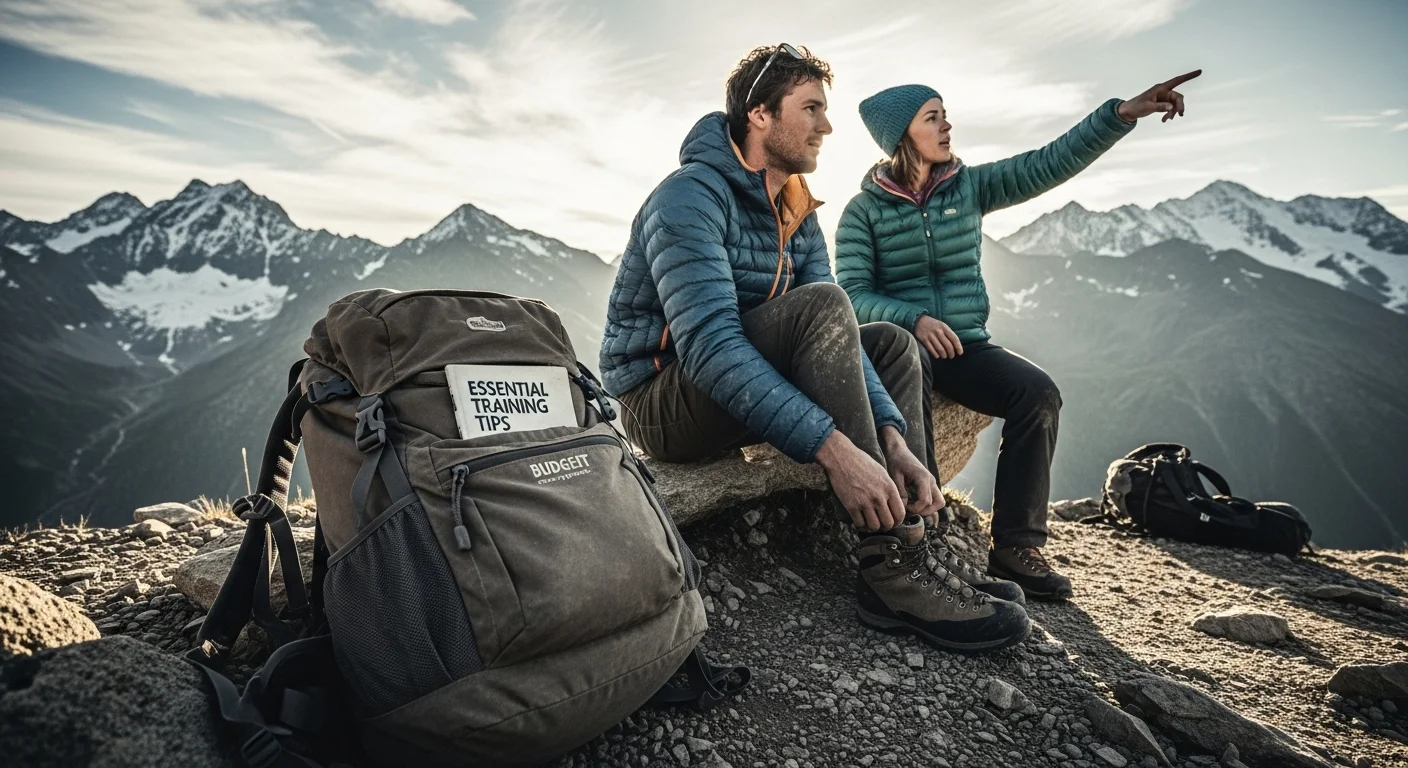
Budget backpacking climbing is a thrilling adventure that allows us to explore the great outdoors without breaking the bank. With the right tips and techniques, we can enjoy the climb and the journey without overspending.
Understanding Budget Backpacking Climbing
What is Budget Backpacking Climbing?
When I first heard about budget backpacking climbing, I was intrigued. It’s not just about scaling mountains on a shoestring budget; it’s an approach that combines the thrill of climbing with the freedom of backpacking. Essentially, it means finding ways to explore the great outdoors while minimizing expenses. This can involve choosing less popular climbing destinations, using budget-friendly gear, and honing skills to tackle challenges more efficiently. I remember my first trip, where I learned that you don’t need to spend a fortune to have an unforgettable adventure.
Benefits of Budget Backpacking Climbing
There are so many benefits to budget backpacking climbing that I often find myself reflecting on them during my trips. For starters, it fosters creativity and resourcefulness. When you’re on a budget, you learn to think outside the box, whether it’s cooking meals with minimal ingredients or crafting makeshift gear. Plus, it encourages a deeper connection with nature. Without the distractions of luxury accommodations, I’ve found that I can truly immerse myself in the beauty around me. The camaraderie with fellow climbers on similar journeys adds to the experience; we share tips, stories, and sometimes even food!
Essential Gear for Budget Backpacking Climbers
Finding the right gear on a budget can feel overwhelming, but I’ve discovered that it’s all about knowing what you really need. Here’s a rundown of essential items that I consider must-haves for budget backpacking climbers:
- Backpack: A durable yet lightweight backpack is crucial. I recommend checking out second-hand stores or online marketplaces for quality used options.
- Climbing Shoes: Investing in a good pair is essential. I’ve saved money by buying last season’s models, which worked just as well.
- Climbing Harness: A basic harness doesn’t need to be fancy. Look for one that’s comfortable and fits well, as I learned the hard way that comfort matters during long climbs.
- Campsite Gear: A lightweight tent or hammock is perfect for overnight trips. I often opt for a hammock to save weight and enjoy a unique sleeping experience.
- Cooking Equipment: A simple camping stove and lightweight cookware can allow us to prepare hot meals without spending much.
- Climbing Gear: Ropes, carabiners, and quickdraws can be expensive, but buying used or borrowing from friends can save a lot. I remember borrowing gear from friends when I started out, which helped me ease into climbing without a huge upfront cost. For a deeper dive into affordable options, check out Top 10 Budget-Friendly Climbing Gear for Adventurous Souls.
Researching gear can be fun, and I often spend evenings watching reviews and reading articles to find the best budget options. The more I learn, the more confident I become in my choices.
Essential Training Techniques for Climbers
Building Endurance and Stamina
Building endurance is one of the most important aspects of budget backpacking climbing. I realized early on that long climbs can be exhausting, and having the stamina to push through is crucial. For me, a combination of hiking with a weighted backpack and interval training at the gym has worked wonders. Even simple activities like trail running can help build up that endurance. I often set small goals, like hiking a certain distance or climbing for a set amount of time, which keeps me motivated.
Strength Training for Climbing
Strength training is another key element I focus on. I discovered that it doesn’t require a fancy gym; bodyweight exercises like push-ups, pull-ups, and squats can be done anywhere. I also enjoy incorporating climbing-specific workouts into my routine, such as using a hangboard for finger strength or doing core exercises to improve my stability on the rock face. The most satisfying part is seeing the physical changes and feeling stronger with each climb. For tips on enhancing these skills, I highly recommend Unlock Your Potential with These Climbing Techniques Tips.
Flexibility and Mobility Exercises
Flexibility is often overlooked, but I’ve learned the hard way that being flexible can prevent injuries. Incorporating yoga into my routine has been a game-changer. I love how it not only helps with stretching but also calms my mind before a climb. Simple stretches targeting the hips, back, and shoulders have made a noticeable difference in my climbing performance. I often find myself feeling more agile and confident after a good stretch session.
Cardiovascular Fitness for Climbers
Lastly, cardiovascular fitness plays a significant role in how I approach climbing. Activities like cycling, swimming, and running have helped me build a strong cardio base. I try to mix it up to keep things interesting. For me, the goal is to be able to maintain a steady pace throughout the climb without feeling completely drained. I find that when I combine these cardio workouts with my climbing practice, I can tackle longer and more challenging routes with ease.
Specific Skills Development
Climbing Techniques and Strategies
Developing specific climbing techniques has been one of the most rewarding parts of my journey. I’ve found that mastering the basics can greatly improve my climbing efficiency and enjoyment. For instance, learning how to properly place my feet and shift my weight has made a significant difference in my ability to tackle challenging routes. I remember the first time I applied the concept of “outside edge” and “toeing in” while climbing—suddenly, I felt more stable and in control. I often practice techniques like flagging and drop knees during my climbs, which not only helps conserve energy but also allows me to reach holds that seemed impossible before. Watching tutorials and practicing these techniques in a safe environment has been invaluable as I continue to progress. To explore more about climbing techniques, check out Top Climbing Techniques Every Budget Traveler Should Know.
Navigational Skills for Backpacking
Alongside climbing skills, navigating the trails is another essential skill I’ve developed. When I first started backpacking, I relied too heavily on my phone’s GPS, only to find that battery power can dwindle unexpectedly. I quickly learned the importance of reading maps and using a compass. I often take the time to study the terrain before my trips, noting landmarks, trails, and potential hazards. I remember getting lost on one hike, which forced me to rely on my map-reading skills. It was a humbling experience that reinforced the importance of preparation. Now, I practice navigating by taking different routes on familiar trails, which builds my confidence and expands my knowledge of the area.
Understanding Weather Patterns and Conditions
Understanding weather patterns has also become a crucial part of my climbing adventures. I can’t count the number of times I’ve faced unexpected weather changes. Learning to read weather forecasts and recognizing signs of changing conditions has made me a more prepared climber. For example, I’ve learned that clear skies in the morning can quickly turn into thunderstorms in the afternoon, especially in mountainous areas. I remember one trip where I ignored the forecast and ended up seeking shelter from a sudden downpour. Now, I check the weather multiple times and keep an eye on the clouds while on the trail. This knowledge helps me make informed decisions about when to turn back or push forward.
Basic First Aid Training for Climbers
Finally, I can’t stress enough how important basic first aid training is for anyone who ventures into the outdoors. I took a wilderness first aid course, which equipped me with skills to handle injuries and emergencies in remote areas. I remember feeling anxious about what to do when a friend sprained their ankle during a climb. Thanks to the training, I was able to manage the situation effectively until we got back to safety. It’s given me peace of mind and confidence in my abilities. I now carry a small first aid kit on every hike, ensuring I have the essentials for treating common injuries. I also recommend familiarizing myself with techniques for communication and signaling for help if needed. Being prepared can make all the difference in an unexpected situation.
Nutrition and Hydration Strategies
Budget-Friendly Meal Planning
When it comes to nutrition, I’ve learned that planning my meals ahead of time can save both money and energy while on the trail. I love the idea of creating simple yet filling meals that don’t require a lot of ingredients. My go-to meals often include items like pasta, rice, and canned beans. I remember my first backpacking trip, where I packed a bunch of pre-packaged meals that were convenient but very expensive. After realizing how much I could save by preparing my own meals, I started experimenting with recipes that can be made at home and then dehydrated for the trip. For instance, I’ve made chili and oatmeal packets that are not only cost-effective but also delicious and satisfying after a long day of climbing.
Essential Nutrients for Climbers
Understanding the essential nutrients I need while climbing has been a game-changer. I focus on a balanced diet that includes carbohydrates for energy, proteins for muscle repair, and healthy fats for sustained energy. I try to pack snacks like nuts, dried fruits, and energy bars that are lightweight and provide a quick boost during climbs. I’ve learned to listen to my body and eat when I feel I need a pick-me-up. On one memorable trip, I neglected my nutrition and paid the price with fatigue. Since then, I ensure that I have a good mix of snacks on hand and make it a point to eat regularly throughout the day.
Hydration Tips and Tricks
Staying hydrated is another crucial aspect of my climbing adventures. I carry a reusable water bottle and ensure I have a reliable way to purify water from natural sources. I remember my first long hike where I didn’t drink enough water, and it left me feeling drained. Now, I set small reminders to sip water every hour, whether I’m on the trail or resting. I’ve also found that adding electrolyte tablets to my water can make it more enjoyable and help replenish lost minerals. Keeping my hydration levels up has significantly improved my performance and enjoyment while climbing.
Planning Your Climbing Adventures
Choosing Budget-Friendly Climbing Destinations
Choosing the right climbing destination can make or break your adventure, especially when you’re on a budget. I’ve learned that some of the best climbing spots are often hidden gems, away from the popular tourist traps. For instance, I remember being taken aback by the beauty of a lesser-known crag in a state park near my home. Not only was it less crowded, but the climbing routes were just as thrilling as the more famous locations. I recommend exploring online resources, local climbing groups, or guides that highlight budget-friendly spots. Additionally, consider areas that offer free or low-cost camping options. Planning a trip to these places can save us a lot while providing an equally enriching experience.
Creating a Training Schedule
Having a structured training schedule has been crucial in preparing for my climbing adventures. I used to just go with the flow, but I quickly realized that being intentional about my training made a big difference. I like to break my training down into weekly goals, focusing on different areas like endurance, strength, and specific climbing techniques. For example, I might dedicate two days to endurance training, followed by a day for strength workouts and another for practicing climbing techniques. I also make sure to include rest days, which are just as important for recovery. When I follow a consistent schedule, I feel more prepared and confident heading into my climbing trips.
Safety Precautions and Risk Management
Safety is something I can’t stress enough when it comes to climbing. From my experience, understanding the risks involved and how to manage them is key. Before each trip, I take time to review safety protocols and make sure I have the necessary gear. For instance, I always carry a helmet and a first aid kit, even for shorter climbs. Additionally, I’ve learned to communicate with my climbing partners about our plans, routes, and safety measures. I remember one trip where we had a climber who was new to the sport. We took the time to go over everything from belaying to emergency procedures, which not only built their confidence but also strengthened our bond as a team. Trust me, being informed and prepared can make all the difference when things don’t go as planned.
Community and Support Resources
Finding Local Climbing Groups
Connecting with local climbing groups has been one of the best decisions I’ve made in my climbing journey. I remember feeling a bit intimidated at first, but I quickly realized that these communities are full of supportive and friendly folks. Many climbing gyms host meet-ups or events for climbers of all levels, making it easy to meet people and learn from each other. I’ve made some great friends this way, and it’s reassuring to have a network of people who share my passion. Plus, climbing with experienced individuals has helped me learn new techniques and improve my skills faster than I could on my own.
Online Forums and Resources for Climbers
Online forums and social media have become invaluable resources for me as a climber. Websites like Mountain Project and Reddit’s climbing community provide a wealth of information, from route suggestions to gear reviews. I often find myself scrolling through these forums, absorbing tips and experiences from fellow climbers. It’s like having a vast library of climbing knowledge at my fingertips. Additionally, I’ve found online tutorials and videos extremely helpful, especially for visual learners like me. Watching someone tackle a specific climbing move or explaining gear can make all the difference when I’m out on the rock.
Workshops and Training Camps
Participating in workshops and training camps has been a fantastic way to deepen my skills and knowledge. I remember attending a local climbing clinic where I was able to learn from seasoned climbers and receive personalized feedback on my technique. These events often cover various aspects of climbing, from technique to safety, and they offer a chance to meet others who are just as passionate about the sport. I’ve noticed that investing in these experiences not only improves my climbing skills but also motivates me to push my limits. Many climbing organizations offer scholarships or financial assistance, making it easier to access these opportunities without breaking the bank.
Cost-Effective Climbing Techniques
DIY Gear and Equipment Solutions
One of my favorite aspects of budget backpacking climbing is finding creative, cost-effective solutions for gear and equipment. I’ve dabbled in DIY projects, like making my own chalk bag or modifying my backpack to suit my needs better. For instance, I repurposed an old backpack by adding extra padding and compartments for climbing gear, which saved me money while giving new life to something I already owned. There are countless tutorials online for making gear, and I often find that putting a little time into these projects can be rewarding, both financially and personally.
Finding Discounts and Deals
Shopping for climbing gear on a budget can feel overwhelming, but I’ve discovered some great tips for finding discounts and deals. Following brands on social media often leads to exclusive sales or promotions. I also recommend checking websites that specialize in outdoor gear sales, as they frequently have clearance items or seasonal sales. One time, I snagged a high-quality climbing harness at a fraction of the price during a flash sale. Additionally, signing up for newsletters from outdoor retailers can keep us informed about upcoming sales and promotions. It’s like being part of an insider club!
Budget Accommodation Options Near Climbing Spots
When it comes to accommodation during climbing trips, I’ve learned that there are plenty of budget-friendly options out there. Camping is often the best choice for me, as it allows me to stay close to the climbing routes while saving money. I’ve discovered that many climbing areas have established campgrounds or even free dispersed camping options. I also enjoy looking for affordable hostels or cabins when camping isn’t feasible. I remember a trip where we found a cozy cabin near a climbing area for a reasonable price. It was a perfect base camp, allowing us to relax after a long day of climbing without breaking the bank.
Frequently Asked Questions
What is budget backpacking climbing?
Budget backpacking climbing is an approach that combines the thrill of climbing with the freedom of backpacking, allowing individuals to explore the great outdoors while minimizing expenses through less popular destinations and budget-friendly gear.
What are some benefits of budget backpacking climbing?
Benefits include fostering creativity and resourcefulness, encouraging a deeper connection with nature, and creating camaraderie with fellow climbers who share tips and experiences.
What essential gear do budget backpacking climbers need?
Essential gear includes a durable backpack, climbing shoes, a comfortable climbing harness, campsite gear like a tent or hammock, cooking equipment, and climbing gear such as ropes and carabiners.
How can climbers build endurance and stamina?
Climbers can build endurance through activities like hiking with a weighted backpack, interval training at the gym, and trail running while setting small goals to stay motivated.
What nutrition strategies are recommended for climbers?
Climbers should focus on budget-friendly meal planning, ensure a balanced diet with essential nutrients, and stay hydrated by carrying a reusable water bottle and purifying water from natural sources.
How can climbers choose budget-friendly climbing destinations?
Climbers can find budget-friendly climbing destinations by exploring lesser-known crags, utilizing online resources, and seeking areas with free or low-cost camping options.
What safety precautions should climbers take?
Climbers should review safety protocols before trips, carry necessary gear like helmets and first aid kits, and communicate plans and safety measures with their climbing partners.
What resources are available for finding local climbing groups?
Local climbing groups can be found through climbing gyms that host meet-ups, online forums, and social media platforms where climbers share experiences and knowledge.
How can climbers save money on gear?
Climbers can save money by finding discounts and deals through social media promotions, clearance sales at outdoor gear websites, and signing up for newsletters from outdoor retailers.
What are some cost-effective accommodation options for climbers?
Cost-effective accommodation options include camping at established campgrounds or dispersed camping areas, as well as looking for affordable hostels or cabins near climbing spots.