
Embarking on a safari is a dream for many wildlife enthusiasts, especially those keen on capturing stunning photographs. With the right tips, even budget travelers can create breathtaking wildlife images without breaking the bank. For more insights, check out our article on Capture the Wild: Top Wildlife Photography Tips for Safaris.
Understanding Wildlife Photography
The Importance of Wildlife Photography
Wildlife photography is more than just a hobby; it’s a way for us to connect with nature and appreciate the beauty of the animal kingdom. I remember my first safari experience, standing quietly in a jeep, my heart racing as I spotted a majestic lion lounging in the sun. I felt an overwhelming urge to capture that moment. For many of us, these photographs become treasures that tell stories, inspire conservation efforts, and foster a deeper appreciation for wildlife. They remind us of our responsibility to protect these incredible creatures and their habitats.
Ethics in Wildlife Photography
As thrilling as wildlife photography can be, it’s vital to approach it with a strong sense of ethics. I often think about the impact we have on the environment and the animals we photograph. It’s crucial to prioritize the well-being of wildlife over the perfect shot. This means maintaining a safe distance from animals, avoiding disturbing their natural behaviors, and never feeding them. I’ve learned to respect their space, which not only protects them but also leads to more genuine moments. Observing animals in their natural habitat without interference often results in the most beautiful photographs.
Choosing the Right Gear on a Budget
Essential Camera Equipment
If you’re like me, the first thought might be that you need the latest and greatest camera gear to take stunning wildlife photos. However, I’ve discovered that you can achieve amazing results with a more budget-friendly approach. I recommend starting with a DSLR or mirrorless camera that allows you to change lenses. For those on a tighter budget, even a good point-and-shoot with a decent zoom can work wonders. The key is understanding your camera’s features and how to use them effectively. Don’t be afraid to read the manual or watch online tutorials; I found that investing time in learning my gear was just as valuable as the equipment itself.
Affordable Lenses for Wildlife Photography
Choosing the right lens can significantly impact your wildlife photography. I’ve learned that a lens with a focal length of at least 300mm is essential for capturing distant animals. However, high-end telephoto lenses can be quite pricey. Instead, I recommend looking for affordable options, such as a 55-250mm zoom lens. These lenses can deliver impressive results without draining your wallet. Additionally, consider renting lenses if you’re only going on a single safari trip. I’ve tried this, and it allowed me to use high-quality gear at a fraction of the cost.
Accessories: Tripods, Bags, and More
When it comes to accessories, I can’t stress enough the importance of a sturdy tripod or monopod, especially for those early morning wildlife shots in low light. I found that a lightweight tripod is easy to carry but provides stability for those longer exposures. Also, don’t overlook a good camera bag that protects your equipment while providing easy access when the perfect photo opportunity arises. I’ve experienced the frustration of fumbling through an inadequate bag, so finding one that suits your needs can make a world of difference. Lastly, consider adding polarizing filters to reduce glare and enhance color saturation in your images.
Best Budget Safari Destinations
African Safari Hotspots
When planning a budget safari, choosing the right destination can make a huge difference in your experience. I’ve learned that iconic places like the Maasai Mara in Kenya or Kruger National Park in South Africa can be affordable if you plan wisely. They offer some of the best wildlife viewing opportunities, often within reach of budget accommodations and camping options. I remember camping under the stars in Kruger; it was magical! Plus, being in the heart of nature makes for incredible photo opportunities at dawn and dusk. For more ideas, check out our article on Budget-Friendly Cultural Trekking: Tips and Destinations.
Off-the-Beaten-Path Locations
If you’re looking to save even more, consider exploring lesser-known parks or reserves. Places like Lake Nakuru in Kenya or Addo Elephant National Park in South Africa can provide equally stunning wildlife experiences at a fraction of the cost. I discovered that these less touristy spots often lead to more intimate encounters with wildlife, and sometimes, you’ll have the entire area to yourself! I’ve found that the chances of capturing unique moments increase significantly in these quieter settings.
Planning Your Safari Trip
When to Go: Seasons and Weather
Choosing the right timing for your safari can be the difference between a mediocre and an unforgettable experience. I’ve learned that the dry season, typically from June to October in many African countries, is often the best time to go. During these months, animals tend to congregate around water sources, making them easier to spot and photograph. I remember visiting during this season and witnessing the great migration in the Maasai Mara – it was nothing short of breathtaking!
However, the green season, from November to May, can also offer unique experiences. The landscapes are lush, and the baby animals are often seen during this time. I found that the softer lighting after rain can create magical photographic opportunities. Just be prepared for the occasional downpour and muddy roads! Understanding the seasonal rhythms can help you plan your trip to maximize your wildlife photography score.
How to Choose a Budget Safari Tour
When it comes to booking a budget safari tour, I’ve discovered that research is crucial. I usually start by looking for reputable tour operators who specialize in budget options. Reading reviews and reaching out to fellow travelers can provide valuable insights. I remember stumbling upon a local operator offering a camping safari at a fraction of the price of larger tour companies. It not only saved me money but also provided a more authentic experience.
It’s also important to decide between group tours and private safaris. While private safaris can be more costly, I’ve found that joining a group can significantly reduce expenses. Plus, it can be fun to share the adventure with others. Just be sure to check what’s included in the package – like meals, park fees, and accommodation – to avoid unexpected costs. Planning ahead and being flexible with your itinerary can also lead to better deals. I often look for last-minute deals or off-season specials that can save us a bundle!
Wildlife Photography Techniques
Understanding Animal Behavior
One of the most valuable lessons I’ve learned in wildlife photography is the importance of understanding animal behavior. Before I head out for a shoot, I like to research the specific species I might encounter. Knowing their habits and routines can greatly increase your chances of capturing compelling images. For example, I’ve noticed that elephants are most active during early mornings and late afternoons, which are also the best times for photography due to the soft, golden light.
By taking the time to observe and learn, you can anticipate movements and be ready when the perfect moment arises. I remember watching a pride of lions lounging in the grass, waiting for a chance to hunt. Understanding their patience and social dynamics allowed me to capture some incredible shots as they interacted with one another. When we respect their space and behavior, we can create images that truly reflect their essence.
Lighting Techniques for Wildlife Photography
Lighting can make or break a photograph, and I’ve discovered that the best light for wildlife photography often occurs during the golden hour—just after sunrise and just before sunset. The warm tones during these times can illuminate your subject beautifully. I try to plan my outings to take advantage of these natural light conditions. One of my favorite techniques is to position myself so that the light hits the animal from the side or behind, creating depth and enhancing textures in the image.
However, sometimes the midday sun cannot be avoided. In those situations, I’ve found that using shadows to my advantage can create interesting compositions. I’ve also experimented with backlighting, which can highlight the outlines of animals beautifully. Learning to work with different lighting conditions has greatly improved my photography and allowed me to capture the essence of wildlife in various settings.
Composition Tips for Stunning Photos
Composition is another crucial aspect of wildlife photography that I’ve spent time mastering. One technique that I rely on is the rule of thirds. By placing my subject off-center, I often create a more dynamic image. I’ve learned to visualize my shots and think about how to draw the viewer’s eye into the frame.
Another tip that has helped me is to look for leading lines in the environment. Whether it’s a winding river or a path through the grass, these elements can guide the viewer’s gaze to the main subject. I also try to fill the frame with my subject whenever possible, which can convey a sense of intimacy and connection. Each shot becomes a storytelling moment, and I find joy in crafting that narrative through composition.
Using Natural Framing and Backgrounds
In my experience, paying attention to the background can elevate a wildlife photograph significantly. I’ve discovered that using natural frames—like branches, leaves, or even rocks—can add depth and context to my images. For instance, I once captured a stunning shot of a leopard lounging on a branch, framed by the surrounding foliage. The natural framing drew the viewer’s eye directly to the subject while adding a sense of place.
When scouting for a shot, I also consider the colors and textures in the background. I prefer backgrounds that are clean and unobtrusive, allowing the animal to be the focal point. Sometimes, I’ve even adjusted my position to eliminate distractions or enhance the colors behind my subject. The more mindful I am of my surroundings, the better my photos turn out.
Post-Processing Your Wildlife Photos
Basic Editing Techniques
After returning from a safari, one of my favorite parts is sitting down to edit the photos I’ve taken. I’ve realized that even the most stunning images can benefit from a little post-processing magic. Basic techniques like cropping, adjusting exposure, and enhancing colors can make a world of difference. For me, cropping helps eliminate distractions and focus on the subject. I find that a well-framed photo can really draw viewers in.
Another essential technique is adjusting the exposure. Sometimes, the lighting conditions can be tricky. I often find myself brightening up shadowy areas or toning down overly bright spots. I’ve learned to play with contrast to make colors pop without making the image feel unnatural. And don’t underestimate the power of saturation; bringing out the vibrant hues of a sunset or the rich shades of an animal’s fur can transform an already beautiful photo into something even more captivating.
Free and Affordable Editing Software
When I first started editing my photos, I was overwhelmed by the range of software available. I quickly learned that you don’t need to spend a fortune to get great results. My go-to has become Adobe Lightroom, which, while not free, offers a subscription option that’s quite reasonable for what it provides. I love its user-friendly interface and powerful editing tools.
If you’re looking for free options, I highly recommend using programs like GIMP or Darktable. I started with GIMP when I was on a tight budget, and it served me well. It has a bit of a learning curve, but once you get the hang of it, you can achieve impressive results. Additionally, there are mobile apps like Snapseed that allow for quick edits on the go, making it easy to share your adventures on social media right after your trip.
Safety Tips for Safari Travelers
Staying Safe Around Wildlife
While the thrill of being close to wildlife is exhilarating, safety should always be top of mind. I can’t stress enough the importance of following the guidelines set by your guides. During my first safari, I was amazed at how close we could get to animals, but I quickly learned that maintaining a safe distance is crucial. Animals are unpredictable, and even the gentlest creatures can become aggressive if they feel threatened.
When on foot, I always keep a safe distance and remain aware of my surroundings. I remember one instance when a herd of elephants crossed our path; we stayed in the vehicle, watching in awe. Our guide calmly explained their behavior, which helped us appreciate their presence without putting ourselves or the animals at risk. I believe that respecting wildlife not only keeps us safe but also enhances our experience.
Health Precautions to Take
Health is another critical aspect of planning a safari. Before my trips, I always check with a healthcare professional about necessary vaccinations and medications. I learned the hard way that malaria is a risk in many safari areas, so I always carry antimalarial tablets and use insect repellent religiously. It’s also a good idea to pack a basic first aid kit, just in case. I once had a minor scrape while out exploring and was thankful I’d brought along some antiseptic and band-aids.
Staying hydrated is vital, especially in the heat of the African sun. I make sure to carry a reusable water bottle and fill it up whenever I can. And don’t forget about sun protection! Sunscreen, a hat, and sunglasses are must-haves, as I learned after my first day in the field. There’s nothing worse than ending your adventure with a sunburn! Being proactive about health and safety allows me to focus on enjoying the beauty around me without worry.
Budgeting for Your Safari Experience
Cost Breakdown: Safari Expenses
Understanding the costs associated with a safari can help prevent any unexpected financial surprises. I’ve found that the biggest expenses usually include park entrance fees, accommodation, transportation, and food. Park fees can vary widely, so it’s wise to research ahead of time. Some parks might have daily fees, while others offer passes for multiple days.
Accommodation is another area where you can save. I’ve stayed in everything from luxury lodges to budget camping sites. Camping not only saves money but also immerses you in nature, which is an experience I highly recommend. When budgeting for food, I often opt for local dining options over more touristy spots, which helps stretch my budget further.
Tips for Saving Money on Travel
Over the years, I’ve developed a few strategies to keep my safari costs down. First, being flexible with my travel dates can lead to significant savings. I tend to travel during the shoulder seasons, when prices drop, and crowds are thinner. I also look for package deals that include accommodation, meals, and guided tours, which often offer a better rate than booking everything separately.
Another tip is to utilize public transportation whenever possible. I’ve traveled on local buses to get to parks, which not only saves money but also gives me a chance to interact with locals. Lastly, I always keep an eye out for discounts or loyalty programs offered by tour companies. Taking these steps has allowed me to maximize my safari experience without breaking the bank.
Connecting with Local Wildlife Photographers
Finding Photography Workshops
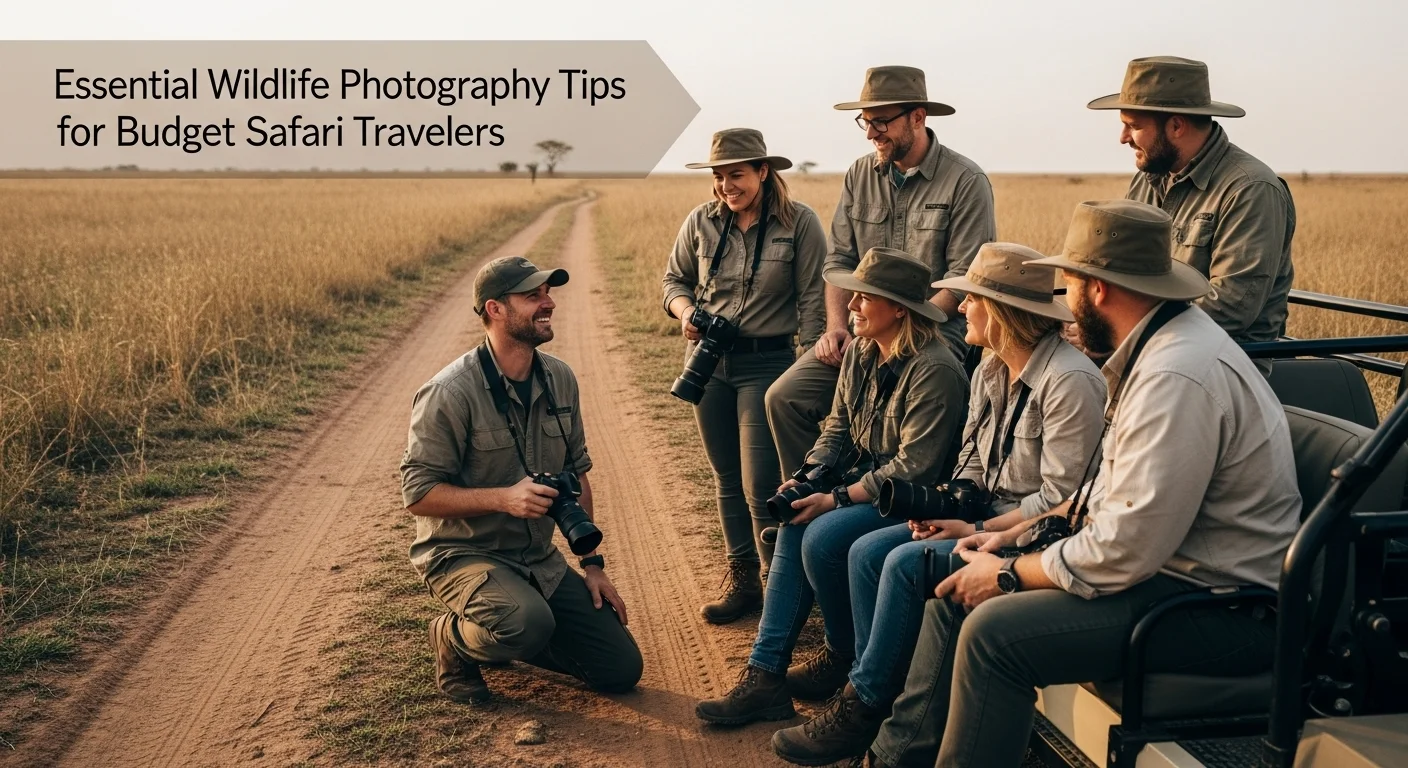
One of the most rewarding experiences I’ve had during my travels is connecting with local wildlife photographers. I often seek out workshops or guided photography tours when I arrive at a new destination. These workshops provide invaluable insights and techniques that I wouldn’t necessarily learn on my own. I remember attending a workshop led by a local photographer in Botswana, who shared tips on capturing the essence of the landscape and wildlife. It was an eye-opening experience that significantly improved my skills.
Many workshops also offer small group sizes, allowing for personalized instruction and plenty of chances to ask questions. Plus, it’s a wonderful way to meet fellow photography enthusiasts and share our passion for wildlife. I’ve made some lifelong friends through these connections!
Networking with Local Guides and Experts
In addition to workshops, I’ve found that networking with local guides can enrich my safari experience. These guides possess extensive knowledge about the area and its wildlife. I often chat with them about their experiences, which not only enhances my understanding but also leads to unique photographic opportunities. I remember one guide who took us to a hidden watering hole where we were lucky enough to witness a rare sighting of a cheetah. Without his insights, we would have missed that incredible moment.
Building relationships with guides also opens doors for future trips. They often share tips on the best times and places to photograph specific animals, making it easier for me to plan my next adventure. Connecting with local experts has truly transformed my approach to wildlife photography, and I recommend it to anyone looking to deepen their safari experience.
Frequently Asked Questions
What is the importance of wildlife photography?
Wildlife photography allows us to connect with nature and appreciate the beauty of the animal kingdom. It helps tell stories, inspire conservation efforts, and fosters a deeper appreciation for wildlife.
What ethical considerations should photographers keep in mind?
Photographers should prioritize the well-being of wildlife over the perfect shot, maintain a safe distance, avoid disturbing natural behaviors, and never feed the animals.
What essential camera equipment is recommended for budget travelers?
A DSLR or mirrorless camera that allows for lens changes is recommended. A good point-and-shoot with a decent zoom can also work well for those on a tighter budget.
What type of lens is recommended for wildlife photography?
A lens with a focal length of at least 300mm is essential for capturing distant animals. Affordable options like a 55-250mm zoom lens can deliver impressive results without being too expensive.
When is the best time to go on a safari for wildlife photography?
The dry season, typically from June to October, is often the best time as animals congregate around water sources. However, the green season from November to May also offers unique experiences and opportunities for photography.
How can travelers save money on their safari experience?
Travelers can save money by being flexible with travel dates, traveling during shoulder seasons, looking for package deals, using public transportation, and keeping an eye out for discounts or loyalty programs.
What are some tips for enhancing wildlife photographs?
Utilizing the rule of thirds, looking for leading lines, using natural framing, and being mindful of background elements can significantly enhance wildlife photographs.
What basic editing techniques can improve wildlife photos?
Basic editing techniques include cropping, adjusting exposure, enhancing colors, and playing with contrast and saturation to make images more captivating.
What safety precautions should travelers take around wildlife?
Travelers should follow guidelines set by guides, maintain a safe distance, remain aware of their surroundings, and respect wildlife to ensure safety for both themselves and the animals.
How can photographers connect with local wildlife experts?
Photographers can connect with local wildlife photographers through workshops, guided photography tours, or by networking with local guides who offer insights and unique photographic opportunities.