
Planning a safari is exciting, but making it ethical adds a whole new layer of fulfillment. Exploring wildlife sustainably not only enhances our experience but also protects the natural world we cherish. Read Interesting article: Top 5 Responsible Safari Practices for Eco-Friendly Travel
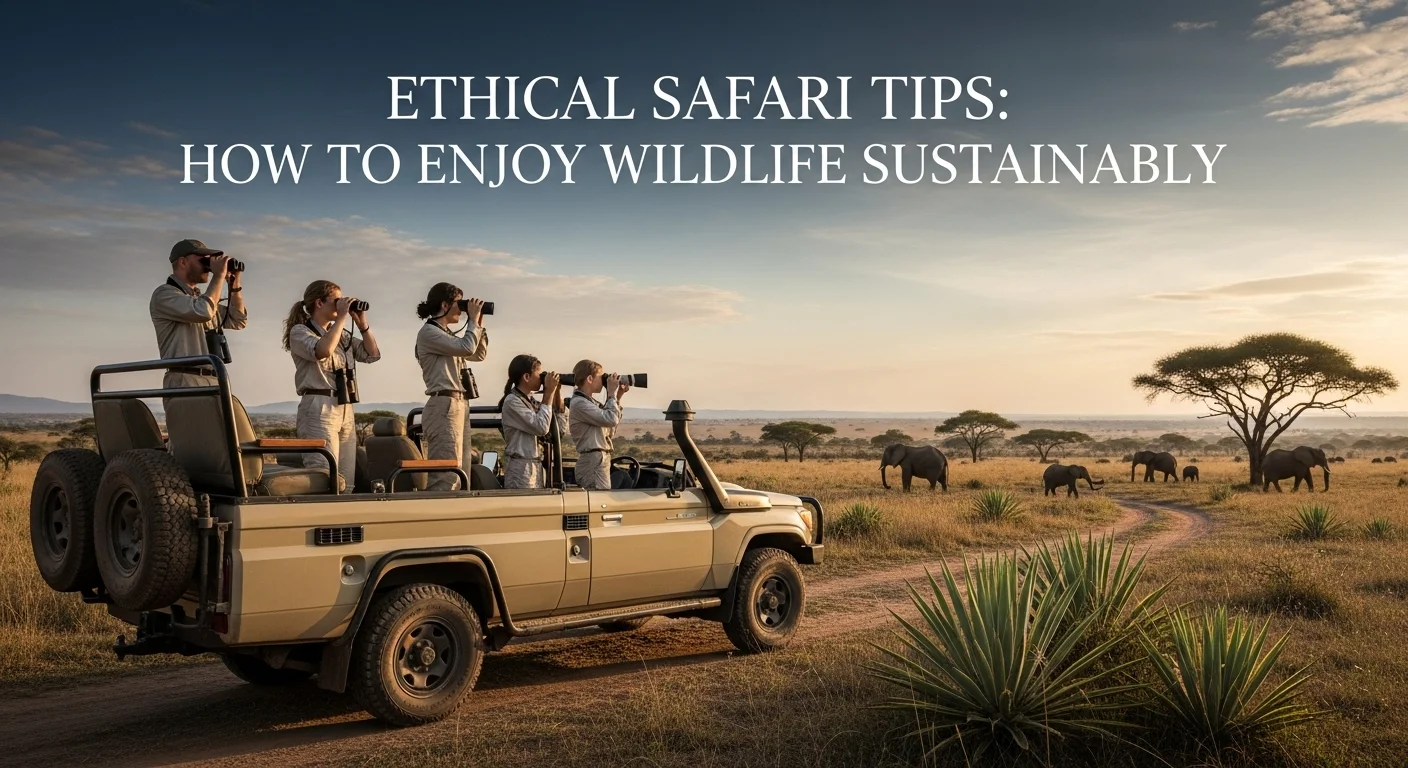
Understanding Ethical Safaris
What is an Ethical Safari?
When I first heard the term “ethical safari,” I was curious about what it really meant. An ethical safari prioritizes the well-being of wildlife and their habitats while providing an enriching experience for travelers. It’s about being responsible in how we interact with nature, ensuring that our adventures do not harm the animals or ecosystems we come to observe. I’ve learned that ethical safaris focus on sustainable practices, which means they aim to minimize negative impacts on both wildlife and local communities. This concept challenges us to think about our role as visitors in these delicate environments.
Importance of Wildlife Conservation
Wildlife conservation is a cause close to my heart. I remember the first time I saw elephants in the wild; their grace and majesty left me in awe. However, I quickly realized that many species are endangered due to habitat loss, poaching, and climate change. By choosing ethical safaris, we contribute to the conservation of these magnificent creatures. Our visit can provide vital funding for local conservation efforts, community education, and habitat restoration projects. I believe that as travelers, we can make a real difference by supporting initiatives that protect wildlife and their environments.
Difference Between Ethical and Traditional Safaris
At first glance, a safari might seem like just a thrilling adventure, but there’s a stark contrast between ethical and traditional safaris. Traditional safaris can sometimes prioritize profit over the well-being of wildlife. For instance, some operators may take tourists too close to animals or encourage disruptive behaviors to create memorable photo opportunities. I’ve seen firsthand how this can stress wildlife and lead to dangerous situations for both animals and humans. In contrast, ethical safaris promote safe practices, such as maintaining a respectful distance from animals and adhering to guidelines that protect their natural behaviors. It’s about creating a harmonious experience where both humans and wildlife can thrive.
Planning Your Ethical Safari
Choosing Responsible Tour Operators
One of the most crucial steps in planning an ethical safari is selecting a responsible tour operator. I’ve found that doing thorough research can make all the difference. A responsible operator should have a clear commitment to sustainable practices, transparent policies about wildlife interactions, and a track record of supporting conservation efforts. I often check reviews and testimonials from previous travelers to gauge their experiences. It’s also helpful to ask about the operator’s partnerships with local conservation organizations. If they prioritize conservation and community engagement, you can be more confident that your safari will be ethical.
Researching Destinations with Conservation Focus
When I began planning my own ethical safari, I realized that not all destinations have the same focus on conservation. Some places are renowned for their sustainability efforts and work closely with local communities. For example, I found that destinations like Kenya and South Africa have numerous wildlife reserves that prioritize ecological preservation. Researching these locations can help you choose a destination that aligns with your values. I also recommend looking into national parks that allow for regulated tourism, ensuring that wildlife is protected while still providing visitors with an unforgettable experience.
When to Go: Best Seasons for Wildlife Viewing
Timing is everything when it comes to wildlife viewing. I’ve learned that different seasons can significantly impact your safari experience. For instance, the dry season is often the best time to see wildlife, as animals congregate around water sources. However, this can also mean that parks are busier with tourists. I like to plan my trips during shoulder seasons, which often provide a good balance between fewer crowds and excellent wildlife sightings. It’s all about finding that sweet spot where you can enjoy the beauty of nature without overwhelming it.
Wildlife Interaction Guidelines
Maintaining a Safe Distance from Animals
One of the essential aspects of an ethical safari is understanding the importance of keeping a safe distance from wildlife. I remember my first encounter with a pride of lions. It was mesmerizing, but I felt an urge to inch closer to capture the perfect photo. Thankfully, my guide reminded me that getting too close can stress the animals and disrupt their natural behavior. Observing wildlife from a respectful distance not only protects them but also enhances our experience. It allows us to witness their natural interactions without intruding. I believe that it’s crucial to respect the space of animals, as this is their home, and we are merely guests in their world.
Do’s and Don’ts of Wildlife Photography
Photography is a big part of many safari experiences, but I’ve learned that it comes with its own set of ethics. The do’s include being patient and waiting for the right moment without forcing an animal into an unnatural position. I found that the best shots often come when you let the animals behave naturally. It’s also important to use a zoom lens to keep your distance while capturing quality images. On the flip side, I’ve seen others make the mistake of using flash photography or attempting to bait animals for a better shot. This not only disturbs the wildlife but can also be dangerous. As responsible travelers, we should aim to document our experiences without compromising the animals’ well-being. Read Interesting article: Mastering Wildlife Photography: Tips for Your Next Safari Trip
Understanding Animal Behavior and Habitat
Gaining insight into animal behavior has been one of the most rewarding parts of my safari experiences. I remember sitting quietly in a vehicle, watching a herd of elephants interact. By observing their movements and understanding their social structures, I felt a deeper connection to them. Learning about the habitats of various species is equally important. It helps us appreciate the delicate balance of ecosystems. I recommend reading up on the species you might encounter before your trip. This will not only enrich your experience but also allow you to engage in meaningful conversations with your guides. They often share fascinating insights that enhance our understanding of wildlife and their environments.
Supporting Local Communities
Choosing Accommodations that Benefit Locals
One of the best ways to ensure your safari is ethical is by choosing accommodations that support local communities. During my travels, I’ve preferred lodges or camps that are owned and operated by local families. This not only provides a more authentic experience but also ensures that a portion of the funds stays within the community. I remember staying at a charming eco-lodge in Tanzania, where local staff shared their stories and culture with us. This connection made my experience richer, and I felt good knowing that my stay was benefiting the local economy.
Engaging in Community-Based Tourism
Community-based tourism has opened my eyes to the importance of involving local populations in conservation efforts. I had the opportunity to participate in a village tour during one of my safaris. It was heartwarming to see how the community members showcased their crafts and shared their traditions. The income generated from such experiences helps sustain their way of life and fosters a sense of pride in their culture. Supporting these initiatives ensures that the benefits of tourism reach those who are most impacted by wildlife conservation efforts. I’ve found that engaging with local communities provides an enriching experience that goes beyond wildlife viewing.
Understanding Cultural Sensitivity and Respect
As travelers, we should always approach new cultures with respect and sensitivity. I’ve learned that understanding local customs and traditions is vital during my journeys. For example, in some regions, photography may be discouraged or require permission. I make it a point to ask before taking photos, as it shows respect for the locals’ privacy and cultural values. Additionally, being mindful of dress codes and behaviors while in local communities helps foster positive interactions. I believe that when we respect cultural differences, we create an environment of mutual understanding, making our experiences more meaningful and impactful.
Eco-Friendly Safari Practices
Minimizing Environmental Impact
Minimizing our environmental impact has become a priority for me when planning safaris. I learned that simple actions, like picking up litter or sticking to designated paths, can contribute to environmental preservation. While on safari, I made a conscious effort to use biodegradable toiletries and avoid single-use plastics. I even brought my reusable water bottle, which not only reduced waste but also kept me hydrated. I believe that every small action counts, and being a responsible traveler means being mindful of our surroundings and their preservation.
Using Sustainable Transport Options
Transport options play a significant role in the environmental footprint of our safari. I’ve opted for eco-friendly vehicles whenever possible, such as electric or hybrid options, which help reduce emissions. Additionally, some operators offer walking safaris, which allow us to connect with the environment on a deeper level. I found walking safaris to be incredibly rewarding—it’s a unique way to experience the sights and sounds of nature while minimizing our impact. Choosing sustainable transport options is not only better for the environment but also enhances our adventure.
Choosing Eco-Friendly Gear and Supplies
As I prepared for my safaris, I made a conscious effort to choose eco-friendly gear and supplies. For instance, I opted for clothing made from sustainable materials and packed reusable bags for shopping. I also discovered biodegradable sunscreen to protect my skin without harming marine life. I believe that being mindful of the products we bring along can significantly reduce our ecological footprint. Plus, it feels good to know that I’m making choices that align with my values while enjoying the beauty of nature. Read Interesting article: Essential Wildlife Photography Tips for Budget Safari Travelers
Contributing to Conservation Efforts
Volunteering Opportunities During Your Safari
When I think about truly making a difference during a safari, volunteering opportunities come to mind. It’s one thing to observe wildlife, but it’s another to actively contribute to their conservation. I was fortunate enough to discover a program that allowed me to spend a few days volunteering at a wildlife rehabilitation center. This experience not only deepened my understanding of the challenges wildlife face but also gave me a chance to directly assist in their care. From feeding orphaned animals to helping with habitat restoration, I felt like I was part of something meaningful. I recommend looking for tour operators that offer such opportunities, as they can enrich your safari experience while giving back to the environment.
Donating to Wildlife Conservation Organizations
In addition to volunteering, I’ve found that donating to wildlife conservation organizations can be incredibly impactful. During my travels, I’ve encountered various initiatives focused on protecting endangered species and their habitats. I remember visiting a local sanctuary dedicated to rhino conservation, where I learned about the ongoing fight against poaching. After my visit, I decided to contribute financially to their cause. I believe that even small donations can help fund critical projects, such as anti-poaching patrols, community education, and habitat restoration. I encourage everyone to research and support organizations that resonate with their values; it’s a great way to ensure that our travels contribute to long-term conservation efforts.
Participating in Citizen Science Projects
Citizen science projects have also become a favorite way for me to engage with wildlife conservation. These initiatives invite travelers to contribute to scientific research and data collection during their trips. I remember participating in a project focused on tracking animal movements through GPS collaring. It was fascinating to learn how this data helps researchers understand animal behaviors and migration patterns. Not only did I feel like I was assisting in important work, but I also gained valuable insights into the challenges these animals face in the wild. Many lodges and tour operators offer opportunities to get involved in such projects, so I highly recommend keeping an eye out for these experiences when planning your safari.
Tips for a Memorable and Ethical Safari Experience
Pack Smart: Essentials for Sustainable Travel
When packing for a safari, I’ve learned that being mindful of what I bring can make a significant difference. My essentials include biodegradable toiletries, reusable water bottles, and eco-friendly clothing made from sustainable materials. I also make sure to pack a good pair of binoculars for wildlife viewing, which allows me to observe animals from a distance without disturbing them. Another item that I find super helpful is a solar charger for my devices. This way, I minimize my reliance on traditional energy sources while keeping my electronics charged. Packing smart not only enhances my experience but also aligns with my commitment to being a responsible traveler.
Stay Informed on Wildlife Issues
Staying informed about wildlife issues is vital for anyone looking to have an ethical safari experience. I often find that the more I know about the challenges facing different species, the more I appreciate the wildlife I see. I remember reading up on the plight of African elephants due to poaching and habitat loss before my trip. This knowledge shaped how I viewed them in the wild, deepening my connection. I recommend following reputable wildlife organizations or local conservation groups on social media to stay updated. Engaging with this information can also help spark conversations with guides and locals during your travels, making your experience even richer.
Share Your Experience to Promote Awareness
Sharing my safari experiences has become a way for me to promote awareness about ethical travel and wildlife conservation. I often post photos and stories on social media, emphasizing the importance of responsible practices. I’ve found that many of my friends and family are inspired to learn more about wildlife conservation after seeing my posts. I also encourage everyone to write about their experiences, whether through blogging or sharing with friends. By spreading the word, we can inspire others to choose ethical safaris and support conservation efforts. Every voice counts, and our stories have the power to make a real difference.
Final Thoughts
As I reflect on my journeys through the wilderness, I feel a deep sense of gratitude for the experiences I’ve had and the lessons I’ve learned about ethical travel. Each safari is more than just a chance to see stunning landscapes and incredible animals; it’s an opportunity to connect with nature and support the ecosystems that sustain them. I believe that by choosing to travel ethically, we become stewards of the environment, playing a role in its preservation for generations to come.
It’s not just about the thrill of the adventure; it’s about understanding our impact on the world around us. In my experience, the more I engage responsibly, the richer my travels become. Whether it’s choosing a local guide, participating in volunteer projects, or simply being mindful of my actions in nature, these choices have shaped my travels in profound ways. I’ve witnessed firsthand how tourism can uplift communities and safeguard wildlife when approached with care and respect.
For anyone planning a safari, I encourage you to take the time to educate yourself. Ask questions, seek out responsible operators, and immerse yourself in the local culture. Keep an open heart and mind, and you’ll not only create lasting memories but also contribute to the well-being of the wildlife and communities you encounter. Ethical safaris remind us why we travel in the first place: to learn, to connect, and to inspire change both in ourselves and in the world.
Ultimately, I know that each of us has the power to make a difference. By sharing our stories and advocating for wildlife conservation, we can inspire others to join this journey toward responsible travel. Let’s continue to explore our planet with wonder and respect, ensuring that our adventures leave a positive legacy for the beautiful world we cherish so much.
Frequently Asked Questions
What is an ethical safari?
An ethical safari prioritizes the well-being of wildlife and their habitats while providing an enriching experience for travelers. It focuses on sustainable practices that minimize negative impacts on wildlife and local communities.
Why is wildlife conservation important?
Wildlife conservation is crucial as many species are endangered due to habitat loss, poaching, and climate change. By choosing ethical safaris, travelers can contribute to conservation efforts, providing vital funding for local initiatives and habitat restoration projects.
How do ethical safaris differ from traditional safaris?
Ethical safaris promote safe practices that respect wildlife, such as maintaining a safe distance from animals and adhering to guidelines that protect their natural behaviors. Traditional safaris may prioritize profit over wildlife well-being and can lead to harmful interactions between tourists and animals.
What should I look for when choosing a tour operator for an ethical safari?
When selecting a tour operator, look for a clear commitment to sustainable practices, transparent policies about wildlife interactions, and a track record of supporting conservation efforts. Checking reviews and testimonials can also help gauge their ethical standards.
What are the best seasons for wildlife viewing on safari?
The dry season is often the best time for wildlife viewing as animals congregate around water sources. However, traveling during shoulder seasons can provide a balance of fewer crowds and good wildlife sightings.
How can I interact with wildlife ethically during my safari?
It’s essential to maintain a safe distance from animals to avoid stressing them and disrupting their natural behavior. Observing wildlife from afar enhances the experience while respecting their space.
What are some do’s and don’ts of wildlife photography on safari?
Do be patient and use a zoom lens to keep distance while capturing quality images. Don’t use flash photography or bait animals for better shots, as these actions disturb wildlife and can be dangerous.
How can I support local communities while on safari?
Choose accommodations owned by local families and engage in community-based tourism, which allows travelers to experience local culture while generating income for the communities involved in conservation efforts.
What eco-friendly practices should I adopt while on safari?
Minimize environmental impact by using biodegradable products, opting for eco-friendly transport options, and choosing sustainable gear. Simple actions like picking up litter and avoiding single-use plastics can contribute to environmental preservation.
How can I contribute to wildlife conservation during my safari?
You can participate in volunteering opportunities, donate to wildlife conservation organizations, or engage in citizen science projects that allow you to contribute to important research and conservation efforts during your travels.