
Asia is a treasure trove of street food festivals, bursting with flavors and vibrant cultures. From sizzling satays to steaming dumplings, the culinary experiences await those ready to dive in! Read Interesting article: Top 10 Unmissable Street Food Festivals in Asia
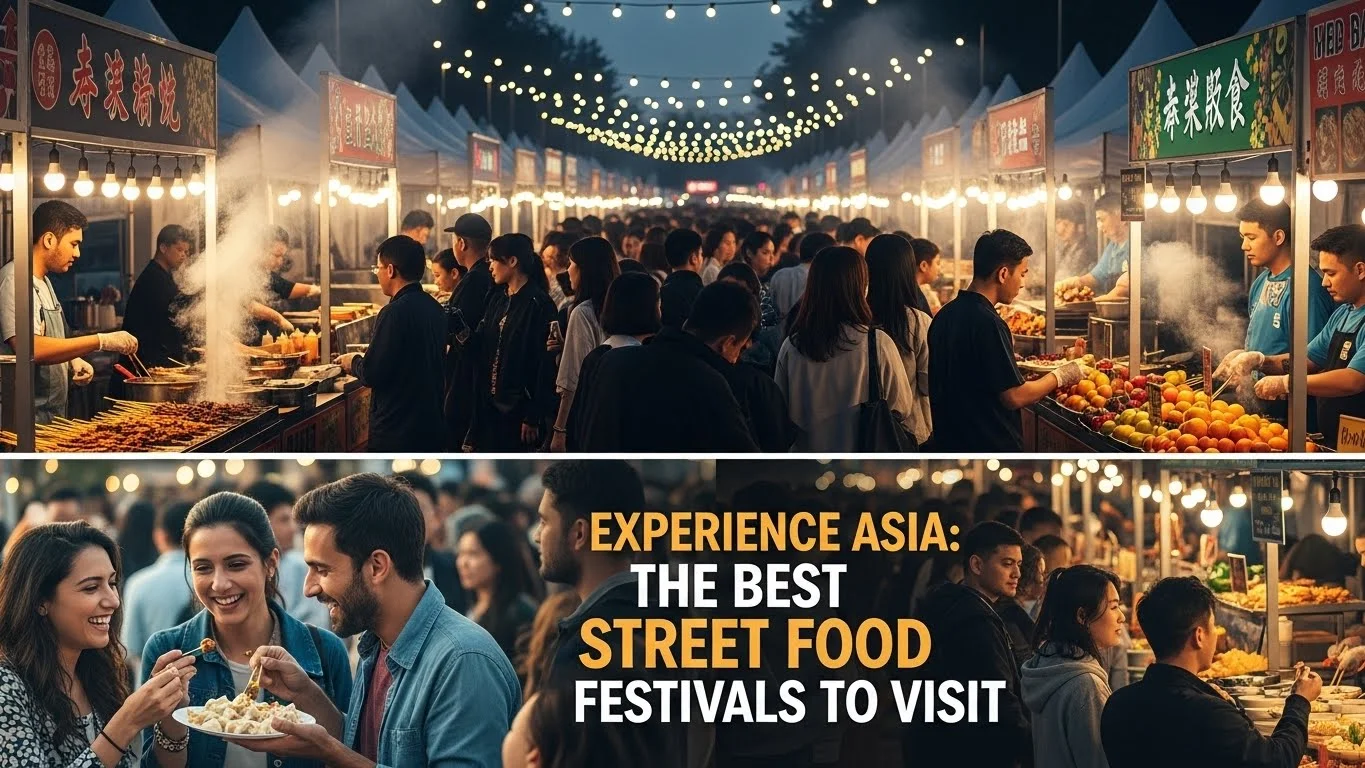
Overview of Street Food Culture in Asia
Street food in Asia is not just about eating; it’s about experiencing a rich tapestry of culture, tradition, and community. I’ve had the joy of wandering through bustling markets, where each stall tells a story. The air is often thick with the aromas of spices, grilled meats, and sweet treats, making it impossible to resist trying everything in sight. Street food is a vital part of everyday life in many Asian countries, and I’ve found that it reflects the heart of each culture. Whether you’re in a busy city or a small village, the street food scene is alive and dynamic.
Importance of Street Food in Asian Cuisine
Street food has a special place in Asian cuisine. I believe it embodies the spirit of sharing and community. For many locals, street food is their go-to meal. It’s accessible, affordable, and often made from fresh ingredients. I remember chatting with a vendor in Thailand who proudly explained the history of his recipes, passed down through generations. Each dish is often a labor of love, showcasing local flavors and traditional cooking methods. From my experience, street food can also be a social event, where friends gather around tables, sharing plates and laughter over a variety of dishes. Explore the Best Street Food Festivals for Budget Travelers
Unique Flavors and Dishes Across Different Countries
One of the most exciting aspects of street food culture in Asia is the sheer variety of flavors and dishes you can find. Each country offers something unique, and I’ve loved discovering these differences over the years. For instance, in Vietnam, I was amazed by the fresh herbs and spices used in dishes like pho and banh mi. In contrast, the bold, fiery flavors of Indian street food, like pani puri and vada pav, left a lasting impression on my taste buds. Each region brings its own culinary flair, and I’ve found that exploring these differences can lead to some of the most memorable meals of a lifetime.
In Thailand, street food is a beloved institution. I’ve spent evenings in Bangkok, sampling everything from pad thai to mango sticky rice at bustling night markets. Malaysia’s street food scene is equally vibrant, with its fusion of Malay, Chinese, and Indian influences creating a delightful array of dishes. I remember trying nasi lemak for the first time and being blown away by its rich flavors.
In Japan, the street food culture is unique, centered around festivals known as matsuri. I’ve attended a few, savoring yakitori and takoyaki while soaking in the festive atmosphere. South Korea’s Gwangjang Market is another gem, where I’ve indulged in bindaetteok (mung bean pancakes) and tteokbokki (spicy rice cakes) while mingling with locals. And let’s not forget about China, where I’ve enjoyed the incredible variety of street food in cities like Chengdu, famous for its spicy hotpot and street-side dumplings.
As I traveled through Vietnam, I was captivated by the vibrant street food culture in Hanoi. The city is renowned for its delicious banh xeo (Vietnamese pancakes) and bun cha (grilled pork with noodles). Each bite felt like a warm embrace, a perfect blend of flavors and textures. I truly believe that street food is a window into the soul of a country, and my experiences have solidified this belief.
Top Street Food Festivals in Asia
Now that we’ve explored the importance of street food culture and its unique flavors, let’s dive into some of the best street food festivals I’ve encountered across Asia. These events are a celebration of culinary diversity, and they offer an incredible opportunity to try a wide range of dishes in one place. Top 10 Street Food Festivals You Can’t Afford to Miss
Bangkok Street Food Festival, Thailand
The Bangkok Street Food Festival is a must-visit for any food lover. I was lucky enough to attend, and it was a feast for the senses! The festival showcases dishes from various regions of Thailand, allowing you to sample everything from spicy som tam (papaya salad) to rich massaman curry. The vibrant atmosphere, filled with music and laughter, makes it an unforgettable experience.
Penang Food Festival, Malaysia
Penang is often hailed as the food capital of Malaysia, and its food festival is a true reflection of that. I remember wandering through stalls offering a mix of Malay, Chinese, and Indian dishes. The highlight for me was the chance to taste the famous Penang laksa, a spicy noodle soup bursting with flavor. This festival is not just about food; it’s an opportunity to learn about the cultural influences that shape Malaysia’s culinary landscape.
Tokyo Street Food Festival, Japan
Tokyo’s street food scene is something I cherish. The Tokyo Street Food Festival brings together the best of Japanese street food. I enjoyed a variety of dishes, from crispy tempura to juicy yakitori. One of my favorite moments was sitting on a bench, savoring a warm bowl of ramen while watching the world go by. The festival’s atmosphere is electric, celebrating not only food but also the art and tradition behind it.
Gwangjang Market, South Korea
While not a festival in the traditional sense, Gwangjang Market in Seoul is a street food haven. I spent hours wandering the aisles, sampling everything from bibimbap to hotteok (sweet pancakes). The market is a bustling hub, and the friendly vendors made my experience even more special. I often reminisce about the vibrant colors and bold flavors that encapsulated my time there.
Chengdu Food Festival, China
The Chengdu Food Festival is a paradise for spice lovers. I was overwhelmed by the variety of dishes, especially the famous Sichuan hotpot. The festival celebrates the region’s bold flavors and is a great way to immerse yourself in Chinese culture. I remember sharing a table with new friends, laughing and enjoying the communal experience of dining together.
Hanoi Street Food Festival, Vietnam
The Hanoi Street Food Festival is a celebration of the city’s culinary delights. I savored delicious bun thang and banh mi while listening to local music. The festival beautifully captures the essence of Vietnamese street food, and I found myself returning to my favorite stalls again and again. The sense of community and passion for food truly made it a memorable experience.
When to Visit Street Food Festivals
Seasonal Highlights and Best Times
Timing can truly enhance your street food experience, and I’ve learned that each season brings something special to the table at these festivals. For instance, I found that visiting during the cooler months in places like Thailand or Vietnam makes the bustling street food scenes even more enjoyable. The pleasant weather allows you to wander freely through night markets, sampling dishes without breaking a sweat.
In my experience, summer is often the peak season for many street food festivals across Asia. This is when the local produce is at its freshest, and vendors showcase seasonal specialties. I remember attending the Penang Food Festival during the summer and being blown away by the vibrant colors and flavors of the dishes made with local ingredients. It felt like a celebration of the season itself!
In Japan, autumn is a fantastic time to indulge in street food, especially during harvest festivals. The air is crisp, and the food often reflects the bounty of the season. I was fortunate enough to experience a local matsuri in the fall, where dishes like sweet chestnut rice and seasonal mochi were abundant. The combination of festive energy and delicious food made it an unforgettable outing.
Festival Schedules and Dates
Knowing when these food festivals take place is essential for planning your visit. Most festivals have specific dates, often tied to local holidays or seasonal changes. I’ve found that keeping an eye on local tourism websites or social media pages can provide up-to-date information on festival schedules. For example, the Tokyo Street Food Festival usually takes place in the spring, coinciding with cherry blossom season, making it a doubly delightful experience!
In my travels, I’ve discovered that some festivals, like the Chengdu Food Festival, occur annually, while others might be more sporadic. I remember checking the festival calendar for Chengdu and being excited to align my visit with the event, and it was absolutely worth it! Each festival has its own vibe and offerings, and experiencing them at the right time significantly enhances your culinary adventure.
Another tip I’ve learned is to check for smaller, local festivals that may not be as widely advertised. These hidden gems often offer unique dishes and a more intimate atmosphere, allowing you to connect with the locals. I stumbled upon a small street food festival in a Vietnamese town, and it turned out to be one of the highlights of my trip, with freshly made spring rolls and delightful banh xeo that I still dream about!
Where to Stay Near Street Food Festivals
Best Neighborhoods for Food Lovers
Finding the right place to stay can enhance your street food experience. I’ve always preferred booking accommodations close to the action. Areas known for their street food scenes not only provide easy access to festivals but also allow for spontaneous food adventures. For instance, in Bangkok, I recommend staying in neighborhoods like Sukhumvit or Chinatown, where street food vendors are just steps away from your door.
In Penang, I found that George Town is an excellent base for food lovers. The vibrant streets are filled with hawker stalls, and being in the heart of the action made it easy to explore all the different flavors. I loved waking up to the smell of freshly made curry puffs and having the luxury of wandering out for breakfast without any hassle.
In Tokyo, Shinjuku offers a mix of modernity and traditional eateries, making it a great choice for food enthusiasts. I’ve spent countless evenings exploring the alleyways and tiny stalls, indulging in everything from yakitori to sweet desserts. Staying close to these bustling neighborhoods made it easier to dive into the local culinary scene whenever I pleased.
Recommended Hotels and Accommodations
When it comes to accommodations near street food festivals, I often look for hotels or guesthouses that are well-reviewed by fellow travelers. In Bangkok, I’ve had great experiences staying at boutique hotels that offer a mix of comfort and proximity to street food hotspots. These places often have friendly staff who can point you toward the best local eateries, which I find invaluable.
In Vietnam, I discovered that many homestays not only provide a cozy place to rest but also offer cooking classes. I stayed in a homestay in Hanoi that organized street food tours, allowing me to learn about the dishes while also tasting them. It added a layer to my experience that I really appreciated!
In Japan, I recommend checking out capsule hotels in areas like Shibuya or Shinjuku. They’re budget-friendly and conveniently located, plus they offer a unique experience! I often found myself venturing out late at night for some late-night ramen after a day of exploring. It was the perfect way to end the evening.
Finding the right place to stay can make your street food festival experience even more enjoyable. I always believe that being close to the action keeps the excitement alive, allowing you to immerse yourself fully in the flavors and culture of each destination.
Top Street Food Dishes to Try at Festivals
Iconic Dishes from Thailand
When I think of Thai street food, my mind immediately goes to the vibrant flavors of dishes that are a feast for both the eyes and the palate. One iconic dish that I cannot recommend enough is Pad Thai. I remember trying it at a street stall in Bangkok, where the noodles were perfectly stir-fried and topped with crushed peanuts and a squeeze of lime. Each bite was a delightful combination of sweet, salty, and tangy. Another must-try is Som Tam, a papaya salad that packs a spicy punch and is often served with grilled chicken. The freshness of the ingredients really shines through, making it a refreshing option in the bustling heat of Thailand.
I also can’t forget about Mango Sticky Rice. This dessert is a heavenly treat that pairs sweet, ripe mangoes with creamy coconut milk drizzled over glutinous rice. I had it at a night market, and it instantly became one of my favorite desserts. The balance of flavors and textures is simply divine!
Must-Try Foods from Malaysia
Malaysia is a melting pot of cultures, and its street food reflects this diversity beautifully. Nasi Lemak is often considered the national dish, and for good reason. It’s a fragrant coconut rice served with sambal (spicy chili paste), fried crispy anchovies, peanuts, boiled egg, and cucumber. I remember my first bite; the combination of richness from the coconut rice and the kick from the sambal left me wanting more!
Char Kway Teow, a stir-fried flat noodle dish, is another highlight. I’ve had it at various hawker stalls, and each version had its unique twist. The wok hei (breath of the wok) is essential, giving it that smoky flavor that’s hard to resist. I also recommend trying Roti Canai, a flaky flatbread often served with dhal or curry. The experience of tearing off pieces and dipping it into the savory sauces is a joy I still remember fondly.
Japanese Street Food Staples
Japan’s street food is a world unto itself. One of my all-time favorites is Takoyaki, those little octopus balls that are crispy on the outside and soft on the inside. I remember watching vendors skillfully turning them on hot plates; the aroma was irresistible. Another iconic dish is Yakitori, skewered grilled chicken that’s marinated and grilled to perfection. I enjoyed it while sitting at a tiny stall, savoring each skewer with a side of beer—what a delightful pairing!
You can’t visit Japan without trying Okonomiyaki, a savory pancake filled with a variety of ingredients. I had an amazing experience making my own at a local restaurant; the hands-on approach made it even more enjoyable. The toppings and sauces added layers of flavor that I still crave today!
Popular Korean Street Eats
South Korea is known for its vibrant street food, and I’ve had my fair share of delicious bites. Tteokbokki, the chewy rice cakes in a spicy sweet sauce, quickly became one of my favorites. The heat from the sauce combined with the texture of the cakes was something I never expected to love so much! I often found myself returning to various stalls for more.
Bindaetteok, or mung bean pancakes, are another delight that I fondly remember. The crispy edges and savory filling made them perfect for a quick snack. I enjoyed them fresh off the grill, piping hot, during my visits to Gwangjang Market—a true highlight of my culinary adventures in Korea!
Chinese Delicacies to Sample
China’s street food scene is incredibly diverse. In Chengdu, I had the pleasure of tasting Mapo Tofu, a spicy dish that’s bursting with flavor. The numbing sensation from Sichuan peppercorns was unlike anything I had experienced before, and it made my taste buds tingle with excitement. Another dish I loved was Jianbing, a savory crepe filled with various ingredients, perfect for breakfast on the go.
If you find yourself in Xi’an, don’t miss out on Roujiamo, often referred to as the Chinese hamburger. The tender meat tucked inside a fluffy bread bun is a comforting dish that I devoured after a long day of exploring. Each bite was filled with rich flavors that kept me coming back for more!
Vietnamese Street Food Favorites
Vietnamese street food is a delightful experience, and I’ve had many favorites along the way. Banh Mi, a French-inspired sandwich, is a must-try. I remember standing at a bustling stall, watching as the vendor layered meats, pickled vegetables, and herbs into a crispy baguette. The crunch of the bread combined with the freshness of the fillings created a perfect harmony of flavors.
Phở is another beloved dish that I can’t recommend enough. I’ve slurped up countless bowls of this aromatic noodle soup, each one served with fresh herbs and lime. The warmth and comfort of phở have a special place in my heart, reminding me of the cozy street-side eateries where I first tried it.
Lastly, don’t miss out on Gỏi cuốn (spring rolls). I remember making these rolls fresh with the help of a local vendor, stuffing them with shrimp, herbs, and vermicelli. The dipping sauce was the cherry on top, making it a refreshing snack that I often craved during my travels.
Frequently Asked Questions
What is the street food culture like in Asia?
Street food in Asia is a rich tapestry of culture, tradition, and community. It reflects the heart of each culture and is a vital part of everyday life, showcasing local flavors and traditional cooking methods.
Why is street food important in Asian cuisine?
Street food embodies the spirit of sharing and community, offering accessible and affordable meals made from fresh ingredients. It often serves as a social event where friends gather to share plates and experiences.
What are some unique street food dishes from Vietnam?
In Vietnam, notable street food dishes include pho, banh mi, banh xeo (Vietnamese pancakes), and bun cha (grilled pork with noodles), which highlight the use of fresh herbs and spices.
What is the Bangkok Street Food Festival known for?
The Bangkok Street Food Festival showcases dishes from various regions of Thailand, allowing attendees to sample a diverse range of foods such as spicy som tam (papaya salad) and rich massaman curry, all in a vibrant atmosphere.
What is the significance of the Penang Food Festival in Malaysia?
The Penang Food Festival reflects the cultural influences shaping Malaysia’s culinary landscape, offering a delightful mix of Malay, Chinese, and Indian dishes, with the famous Penang laksa being a highlight.
What can visitors expect at the Tokyo Street Food Festival?
The Tokyo Street Food Festival features a variety of Japanese street food, including dishes like crispy tempura and juicy yakitori, all enjoyed in an electric atmosphere celebrating food and tradition.
What are some popular street food dishes in South Korea?
In South Korea, popular street food dishes include tteokbokki (spicy rice cakes) and bindaetteok (mung bean pancakes), often enjoyed at bustling markets like Gwangjang Market.
What types of street food can be found in China?
China’s street food scene is diverse, with dishes like spicy Mapo Tofu and Jianbing (savory crepes). Chengdu is particularly known for its spicy hotpot and street-side dumplings.
What are some must-try street food items in Vietnam?
In Vietnam, must-try street food items include banh mi (a French-inspired sandwich), pho (aromatic noodle soup), and Gỏi cuốn (spring rolls), each offering a unique blend of flavors.
When is the best time to visit street food festivals in Asia?
The best time to visit street food festivals often aligns with local seasons, such as summer for fresh produce or autumn for harvest festivals. Planning around specific festival dates can enhance the experience.