
Experiencing traditional celebrations is like taking a vibrant journey through time and culture. These events are filled with authenticity, showcasing the rich heritage and values of communities worldwide. Uncover the Magic of Traditional Cultural Celebrations to learn more about their significance.
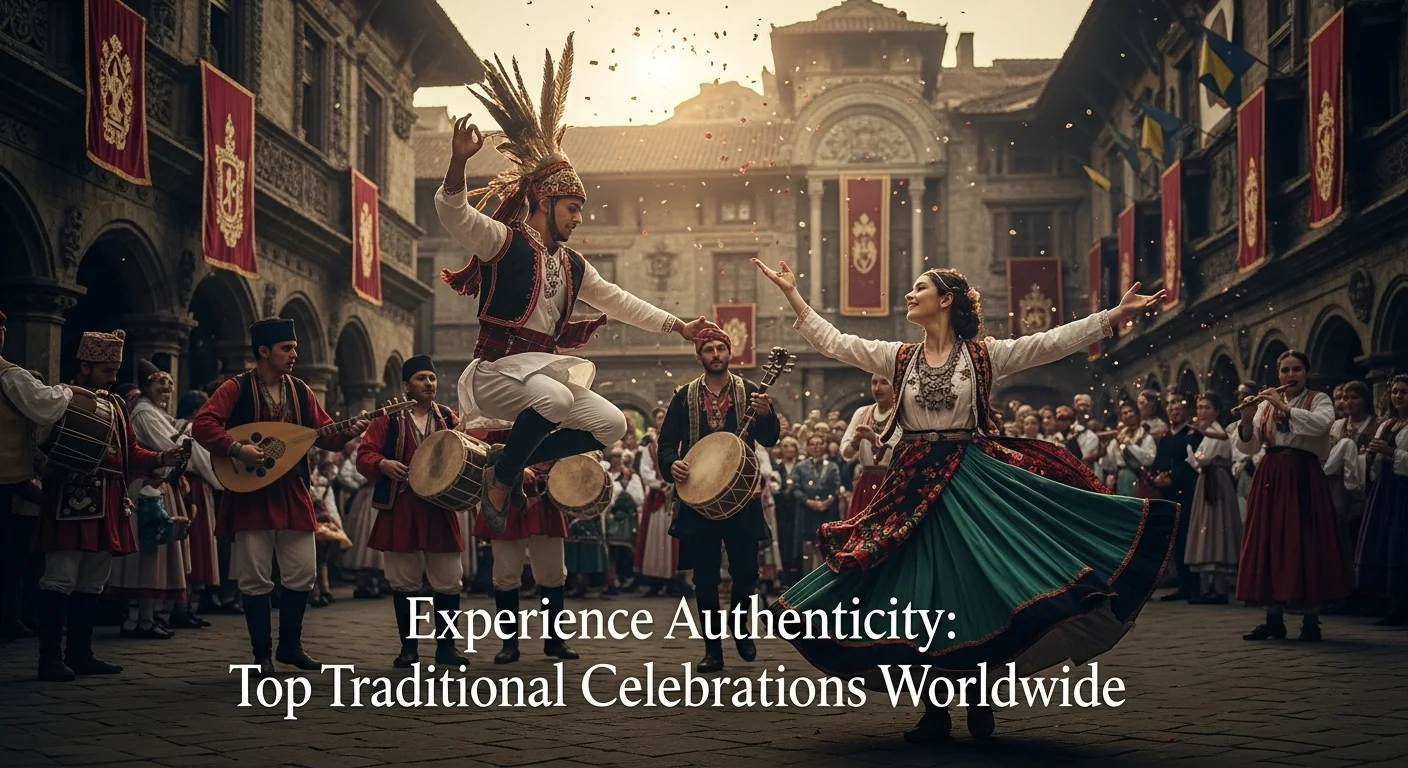
Understanding Traditional Celebrations
Defining Authenticity in Cultural Contexts
When we talk about authenticity in cultural celebrations, I think it’s essential to understand what makes an experience genuine. For me, authenticity stems from the deep-rooted traditions that have been passed down through generations. It’s not just about the surface-level festivities; it’s about the stories, values, and emotions that connect people to their heritage. I’ve noticed that when communities celebrate authentically, there’s a palpable sense of belonging and pride. The customs they uphold reflect their unique identities and histories, painting a picture of who they are as a people.
The Importance of Traditional Celebrations in Global Cultures
Traditional celebrations play a crucial role in maintaining cultural identity. In my travels, I’ve experienced how these events bring communities together, reinforcing bonds among family, friends, and neighbors. They serve as a reminder of shared history and collective memory, which is vital in our fast-paced, modern world. I remember attending a local festival in a small town, where the entire community came alive with music, dance, and laughter. It wasn’t just a celebration; it was a reaffirmation of their shared stories and traditions. These gatherings often mark significant milestones, such as harvests, religious observances, or seasonal changes, allowing us to reflect on our lives and the passage of time.
Moreover, these celebrations offer an opportunity for cultural exchange. When I participate in or observe traditional festivals, I often find myself learning new things. Whether it’s the meaning behind a ritual or the history of a dish being served, there’s always something to take away. It’s fascinating how food, music, and dance can transcend language barriers, allowing for a shared experience among diverse groups. This aspect of traditional celebrations is not just about the event itself but about fostering understanding and respect among different cultures. Cultural Bites: Discover Budget Traditional Cuisine Tours can enhance this understanding.
For instance, I remember attending a traditional wedding ceremony in India. The colors, the music, and the rituals were unlike anything I had seen before. Each element had a purpose and a story, weaving a tapestry of cultural richness. It struck me how these celebrations allow individuals to connect with their roots while also sharing their culture with outsiders. Being there, I felt a part of something larger than myself, a moment where time seemed to stand still as everyone celebrated love and unity.
However, as we immerse ourselves in these authentic experiences, it’s also vital to approach them with respect and awareness. There’s a fine line between participating and appropriating, and I believe it’s our responsibility to honor the traditions we encounter. I always try to learn a bit about the customs and practices before diving into the festivities. This helps me appreciate what I’m witnessing and ensures that I’m contributing positively to the experience.
Top Traditional Celebrations by Region
North America
Thanksgiving in the United States
Thanksgiving is a holiday that resonates deeply with many Americans. I recall my childhood memories of gathering with family, sharing stories, and, of course, indulging in a delicious feast. It’s a day dedicated to gratitude, where people reflect on their blessings. The spirit of togetherness is palpable as families reunite, often traveling long distances to be with loved ones. The traditional turkey dinner, complete with stuffing, cranberry sauce, and pumpkin pie, has become symbolic of this celebration, reminding us of the importance of family and community.
Dia de los Muertos in Mexico
Dia de los Muertos is another celebration that captures the essence of family bonds and remembrance. I had the privilege of witnessing this vibrant festival in Mexico, where families honor their deceased loved ones. The colorful altars, adorned with photos, flowers, and favorite foods of the departed, create a beautiful atmosphere of love and respect. The blend of celebration and mourning allowed me to appreciate the unique way Mexicans view death—not as an end, but as a continuation of life. It was a humbling experience that deepened my understanding of cultural perspectives on loss.
South America
Carnival in Brazil
Carnival in Brazil is perhaps one of the most famous celebrations worldwide, and for a good reason! I remember being swept away by the energy of the parades in Rio de Janeiro, where vibrant costumes and samba music filled the air. The spirit of joy and freedom was infectious, and I found myself dancing along with the crowd. Carnival is not just a party; it’s a cultural phenomenon that showcases the rich diversity of Brazilian society. It’s a time for people to come together, regardless of their background, to celebrate life.
Inti Raymi in Peru
Attending Inti Raymi was a transformative experience for me. This ancient Incan festival honors the sun god, and it takes place during the winter solstice in June. The rituals and ceremonies are steeped in history, with participants wearing traditional costumes that reflect their cultural heritage. I felt a deep connection to the land and its history as I witnessed the reenactments and offerings made to the sun. It was a reminder of the importance of nature and the cycles of life, illustrating how traditional celebrations can bridge the past and present.
Top Traditional Celebrations by Region
Europe
Oktoberfest in Germany
Oktoberfest is an experience that’s hard to describe unless you’ve been there. I had the chance to visit Munich during this massive beer festival, and I was blown away by the sheer size of it! The atmosphere was electric, with lively music, laughter, and, of course, the clinking of beer steins. I remember walking through the festival grounds, surrounded by beautifully decorated tents filled with people enjoying traditional German fare. The pretzels were as big as my head, and the sausages were simply delicious. What I loved most was the sense of community; strangers became friends over a shared love for good food and drink. It’s a celebration of Bavarian culture that truly brings people together in a joyous spirit.
La Tomatina in Spain
La Tomatina in Buñol, Spain, is one of those celebrations that sounds wild—and it absolutely is! When I first heard about this giant tomato fight, I couldn’t resist the urge to join in. On the designated day, thousands of people gather in the streets armed with ripe tomatoes, ready to unleash a playful chaos. I remember the laughter, the splashes of red, and the sheer fun of it all. It was a messy experience, but the joy of participating in something so unique was unforgettable. La Tomatina is not just about throwing tomatoes; it’s a celebration of community and laughter, where everyone can let loose and enjoy life for a moment. I left the festival covered in tomato pulp, but with a huge smile on my face.
Africa
Timkat in Ethiopia
Timkat, the Ethiopian Orthodox celebration of Epiphany, is one of the most colorful and vibrant festivals I’ve ever experienced. I attended this festival in Addis Ababa and was immediately captivated by the blend of spirituality and festivity. The streets were filled with people dressed in traditional white garments, singing and dancing as they paraded through the city. The highlight for me was witnessing the reenactment of the baptism of Jesus in the Jordan River, which involved colorful processions and the blessing of the water. It was a profound experience that made me appreciate the deep-rooted faith of the Ethiopian people. Celebrating Timkat brought a sense of unity and joy, reminding me of the importance of spiritual traditions in cultural celebrations.
Durbar Festival in Nigeria
Durbar Festival is a spectacular event that showcases the rich cultural heritage of Nigeria, particularly among the northern states. When I attended this festival, I was in awe of the grandeur of the horse parades and the stunning traditional attire worn by the participants. The vibrant colors, intricate beadwork, and the rhythmic drumming created an atmosphere that felt like stepping into a living history book. I remember being mesmerized by the skill of the horsemen as they performed stunts, all while showcasing their pride in their heritage. Durbar is not just a celebration of the horse but also a display of loyalty and respect for the Sultan—an experience that connects the past and the present in a beautiful way.
Asia
Diwali in India
Diwali, the Festival of Lights, is one of my favorite celebrations, and experiencing it in India was nothing short of magical. As the festival approached, I observed my friends preparing their homes with beautiful decorations, lights, and rangoli designs. On the night of Diwali, the streets were illuminated with lamps and fireworks, creating a breathtaking view. I joined my friends in their celebrations, sharing sweets and lighting diyas (oil lamps) to symbolize the victory of light over darkness. What struck me was the sense of community and family; everyone came together to celebrate love, hope, and new beginnings. The warmth and joy of Diwali are something I’ll always cherish.
Chinese New Year in China
Chinese New Year is a festival rich in tradition and significance. I was fortunate to spend it in Beijing, where the city was alive with festivities. The streets were bustling with people buying decorations and preparing for the celebrations. On New Year’s Eve, I joined a local family for their reunion dinner, which was filled with delicious dishes symbolizing prosperity and happiness. The next day, I witnessed the vibrant lion dances and dragon parades, which filled the air with excitement. Firecrackers echoed throughout the city, driving away bad luck and welcoming the new year. Participating in Chinese New Year celebrations allowed me to connect with the values of family, tradition, and hope for the future.
Oceania
Matariki in New Zealand
Matariki, the Maori New Year, is a beautiful celebration that emphasizes reflection, remembrance, and renewal. I was lucky enough to be in New Zealand during this time and was struck by how the community came together to honor their ancestors and the environment. The sight of the Matariki star cluster lighting up the sky is breathtaking, and it marks the start of a new year filled with hope and growth. I participated in various activities, from planting native trees to sharing stories around a fire, which deepened my understanding of Maori culture and their connection to the land. Matariki is not only a time for celebration but also an opportunity for healing and looking forward.
Australia Day in Australia
Australia Day is a day filled with parades, fireworks, and celebrations that showcase the diversity of Australian culture. I remember attending a local event where people shared their stories through music and dance, highlighting the rich tapestry of cultures that make up Australia. It was heartwarming to see communities come together to celebrate what it means to be Australian while acknowledging the history and contributions of Indigenous peoples. Australia Day reminds us of the importance of unity and respect for all cultures in shaping the nation.
Key Elements of Authentic Celebrations
Traditional Attire and Costumes
One of the most striking aspects of traditional celebrations is the attire and costumes that participants wear. I’ve always been fascinated by how clothing can tell a story or represent a culture’s history. For instance, when I attended the Durbar Festival in Nigeria, I was mesmerized by the colorful, intricately designed garments worn by the horsemen. Each outfit seemed to reflect the wearer’s status and heritage, and it was clear that a lot of pride went into these traditional garments. This experience made me realize how clothing is not just a means of protection or decoration; it embodies cultural identity and values. Seeing everyone dressed in their finest, vibrant outfits brought a visually stunning element to the celebration, making it even more memorable for me.
Food and Beverages
I believe that food is one of the most delicious ways to experience a culture. At every celebration I’ve attended, the food has been at the heart of the festivities. Take Diwali in India, for example. The array of sweets and savory dishes prepared during this festival is simply overwhelming! I remember enjoying a variety of traditional treats like gulab jamun and samosas, each with its own unique flavor and significance. Sharing meals during celebrations creates bonds among people, making the experience even more meaningful. Similarly, during Carnival in Brazil, the street food vendors offered a mouthwatering selection of local delicacies, from coxinhas to pastel. The communal aspect of sharing food fosters a sense of unity and joy, making it a crucial element of any traditional celebration. Savor Authentic Flavors: Budget Traditional Cuisine Tours can enhance this experience.
Music and Dance
Music and dance are universal languages that bring people together, and I’ve found that they are essential to traditional celebrations. At Oktoberfest in Germany, the lively folk music beckoned festival-goers to join in on the fun. The atmosphere was contagious, and I couldn’t help but sway to the rhythm, even if I was a bit off-beat! Each culture has its own unique sounds and dances that reflect its heritage. I remember attending a wedding in India where the energy was palpable as guests danced to traditional songs, celebrating love and unity. It struck me how music and dance can break down barriers and create a shared emotional experience. The joy of dancing with strangers, united by the same rhythm, is a feeling I cherish deeply.
Rituals and Customs
Rituals and customs are the heartbeat of traditional celebrations. They serve as a way to connect with history and pass on cultural values. During Timkat in Ethiopia, I witnessed rituals that were both sacred and festive. The reenactment of the baptism involved a procession that was filled with singing and vibrant colors, making it a spiritual experience that transcended the ordinary. These rituals often hold deep meanings, celebrating important events or honoring ancestors. I’ve learned that participating in these customs requires sensitivity and respect, as they are often tied to the spiritual beliefs and values of the community. For me, being a part of these moments of reverence is what makes traditional celebrations so impactful.
When to Experience These Celebrations
Seasonal Timing of Global Celebrations
When planning to experience traditional celebrations, timing is everything. Many of these events are tied to specific seasons or lunar calendars, making it essential to do a bit of research. I’ve found that festivals often celebrate the cycles of nature, such as harvests or solstices. For example, Inti Raymi in Peru occurs during the winter solstice, celebrating the sun’s return. Similarly, Matariki, the Maori New Year in New Zealand, is observed in June, coinciding with the appearance of the Pleiades star cluster. Understanding seasonal timing not only enhances your experience but also connects you more deeply to the cultural significance behind the celebration.
Planning Your Visit: Tips for Timing
Planning a visit around these celebrations can be exciting but requires some thoughtful consideration. I’ve learned to check local calendars and tourism websites for festival dates well in advance. Some events might last several days or even weeks, allowing for a richer experience. When I attended the Chinese New Year celebrations in Beijing, I realized that the festivities didn’t just happen on New Year’s Eve but extended for days, with parades and family gatherings throughout the week. Also, it’s worth noting that accommodations can fill up quickly during peak celebration times, so booking early is a must. I always make sure to plan my travels around these dates to immerse myself fully in the experience.
Frequently Asked Questions
What is the significance of traditional celebrations in global cultures?
Traditional celebrations play a crucial role in maintaining cultural identity, bringing communities together, and reinforcing bonds among family, friends, and neighbors. They serve as reminders of shared history and collective memory.
How does authenticity manifest in cultural celebrations?
Authenticity in cultural celebrations stems from deep-rooted traditions passed down through generations, encompassing stories, values, and emotions that connect people to their heritage, creating a sense of belonging and pride.
Can traditional celebrations foster cultural exchange?
Yes, traditional celebrations offer opportunities for cultural exchange, allowing participants to learn about rituals, dishes, and customs, fostering understanding and respect among diverse groups.
What are some examples of traditional celebrations in North America?
Examples include Thanksgiving in the United States, which emphasizes gratitude and family reunions, and Dia de los Muertos in Mexico, which honors deceased loved ones with colorful altars and festivities.
What is Carnival in Brazil known for?
Carnival in Brazil is known for its vibrant parades, samba music, and a spirit of joy and freedom, showcasing the rich diversity of Brazilian society and bringing people together to celebrate life.
What is the significance of traditional attire in cultural celebrations?
Traditional attire and costumes tell stories and represent a culture’s history and identity, embodying cultural values and pride, as seen in events like the Durbar Festival in Nigeria.
How does food play a role in traditional celebrations?
Food is central to traditional celebrations, fostering community bonds and enhancing the festive experience. It allows people to share unique flavors and culinary traditions, as seen in celebrations like Diwali and Carnival.
What role do music and dance play in traditional celebrations?
Music and dance are essential to traditional celebrations, acting as universal languages that bring people together. They create shared emotional experiences and reflect each culture’s unique heritage.
When should one plan to experience traditional celebrations?
Timing is important as many celebrations are tied to specific seasons or lunar calendars. Researching local calendars and festival dates can enhance the experience and connect visitors to the cultural significance of the events.
What are some tips for planning a visit to traditional celebrations?
Check local calendars and tourism websites for festival dates well in advance, as some events may last several days. Booking accommodations early is also advisable due to high demand during peak celebration times.