
Walking tours offer a unique way to immerse yourself in the local culture without spending a dime. Whether you’re a seasoned traveler or planning your first adventure, these experiences are unforgettable and enriching. For those looking to explore more options, I recommend checking out Budget Backpacking: The Best Free Walking Tours Worldwide.
Understanding Walking Tours: A Cultural Exploration
What are Walking Tours?
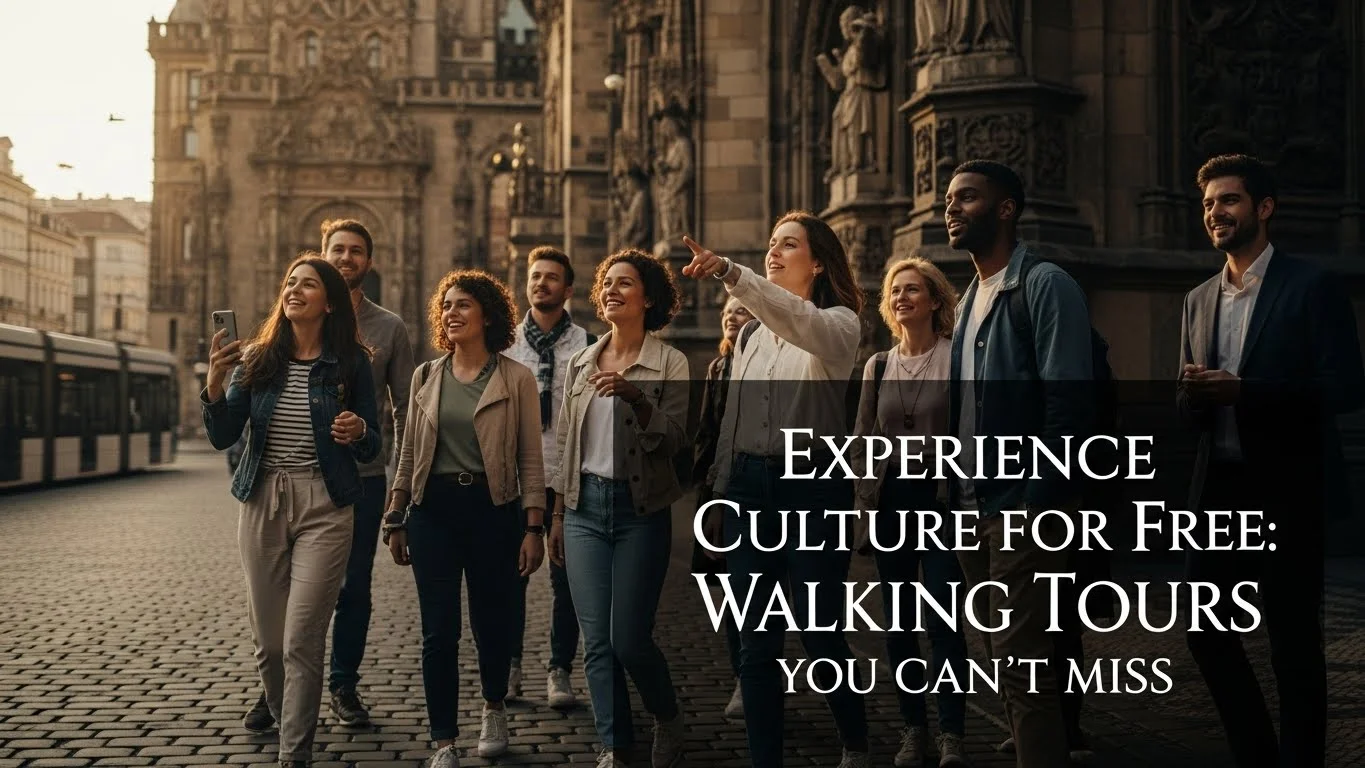
Walking tours are guided explorations of a city, where participants stroll through streets, neighborhoods, and parks while learning about the area’s history, culture, and hidden gems. I remember my first walking tour in a quaint European town; it was like peeling back layers of history with each step. These walks can be organized by professional guides or locals keen to share their knowledge and passion for their city. What’s beautiful about walking tours is that they can be tailored to various interests, from history to art to food. You get to see the city up close and personal, something that can be missed when zooming by in a car or bus.
Benefits of Walking Tours
There are countless benefits to joining a walking tour. One of the most significant advantages is the opportunity to get some exercise while sightseeing. I often find myself feeling energized after a few hours of walking, and it’s a great way to counteract that heavy lunch I just had. Additionally, walking tours encourage you to engage with your surroundings. You can stop to chat with locals, snap photos, or simply take a moment to appreciate the architecture around you. It’s a much more intimate way to experience a city than a fast-paced bus tour.
Another benefit is the social aspect. I’ve met so many incredible people during these tours, from fellow travelers to passionate guides. Sharing stories with others can turn a simple tour into a memorable experience. Plus, walking tours are often free or based on tips, making them accessible to everyone. This aspect of giving what you can creates a sense of community and mutual appreciation among participants. You can find more about this in Top Free Walking Tours: Uncover Hidden Gems in Your City.
How Walking Tours Enhance Cultural Experience
Walking tours are more than just a way to explore; they are a gateway to understanding a culture deeply. When I walked through the historic streets of a city, my guide didn’t just regurgitate facts; they shared stories that brought the past to life. I vividly remember standing in front of a centuries-old building, the guide passionately recounting tales of significant events that took place there. It truly felt like I was stepping into another time. This storytelling aspect is what makes walking tours special—they connect the dots between the past and present.
Moreover, local guides often share their personal stories and perspectives, giving a unique insight into the culture. During one tour, I learned about a local festival that celebrated the community’s heritage, and I was fortunate enough to witness it a few days later. It was a beautiful blend of the traditions I had just heard about and the vibrant energy of the people celebrating. This kind of cultural immersion is something I believe is hard to replicate in any other format.
In my experience, walking tours also encourage you to explore beyond the typical tourist spots. You might end up in a charming neighborhood brimming with local cafes or art galleries that wouldn’t usually make it onto a travel itinerary. This exploration often leads to discovering hidden treasures, like a small park with a stunning view or a mural that tells a story of the community. Every corner turned feels like a new adventure waiting to unfold.
Another factor to consider is how these tours can break down cultural barriers. When I’m wandering through a city, striking up conversations with locals becomes more natural. I’ve found that people are often eager to share their experiences and recommendations. This interaction not only enriches my understanding of the culture but also fosters a sense of connection, making the world feel a little smaller and more welcoming.
Ultimately, walking tours allow us to slow down and truly see a place for what it is. We can appreciate the nuances—the street art, the local sounds, the tantalizing smells wafting from nearby bakeries. For me, it’s about more than just checking off sights on a list; it’s about experiencing the essence of a city. So, if you haven’t yet, I highly recommend stepping out of your comfort zone and joining a walking tour. You might just find yourself falling in love with a city in ways you never expected. If you’re looking for a way to explore cities on a budget, check out Discover Free Walking Tours: Explore Cities on a Budget.
Top Cities for Free Walking Tours
New York City: Discover the Big Apple’s Hidden Gems
New York City is a place that seems to pulse with life and energy. When I first joined a free walking tour in Manhattan, I was blown away by how much I learned about the city. We wandered through neighborhoods like Greenwich Village and SoHo, where I was introduced to hidden gems that I might have otherwise overlooked. Our guide shared fascinating stories about the history of the buildings and the people who once walked those streets. For example, I had no idea that the iconic Washington Square Park was home to a vibrant bohemian culture in the 1960s! The experience felt like a treasure hunt, and I left with a new appreciation for the city.
London: Explore History on Foot
Walking through London is like stepping into a living history book. I remember being part of a walking tour that took us from the Tower of London to the bustling streets of Covent Garden. The guide, a passionate local, brought the history to life with tales of the city’s past, from the Great Fire to the swinging sixties. I was particularly struck by the juxtaposition of modern architecture alongside medieval buildings. It felt like every corner had a story to tell, and I found myself captivated by the city’s rich tapestry of history. Plus, I appreciated the opportunity to pause at each landmark and truly soak in the atmosphere.
Paris: The Artistic Soul of Europe
Paris has a certain magic that I believe can only be fully appreciated on foot. I joined a free walking tour that focused on the artistic heritage of the city, which was a delightful experience. We meandered through Montmartre, where I learned about the artists who once called this neighborhood home, like Picasso and Van Gogh. The charm of the cobblestone streets and the stunning views of the Sacré-Cœur brought the stories alive. I even found a small café where I could imagine these artists sketching and sipping coffee. This tour not only deepened my appreciation for the art but also for the culture that shaped Paris.
Barcelona: A Walk Through Modernisme
Barcelona, with its unique blend of Gothic and modern architecture, is a dream for anyone who appreciates design. I joined a walking tour that focused on Gaudí’s masterpieces, and it was nothing short of inspiring. As we strolled through the streets of the Eixample district, I marveled at buildings like Casa Batlló and La Pedrera. Our guide shared insights into Gaudí’s vision and the symbolism behind his work, which made each stop feel like a revelation. It was fascinating to learn how the city’s layout was designed to maximize light and space. This walking tour left me with a deeper understanding of how architecture can reflect culture and creativity.
Berlin: A Journey Through History
Berlin is a city steeped in history, and walking through its streets felt like walking through time. I participated in a free walking tour that covered significant sites from WWII to the Cold War. The guide was incredibly knowledgeable, sharing personal stories of life in Berlin during different eras. I remember standing at the Berlin Wall, feeling the weight of history in that moment. The tour was not just about the past; it also highlighted how the city is rebuilding and redefining itself today. This blend of history and modernity made my experience in Berlin unforgettable, reminding me that every city has layers waiting to be uncovered.
Must-See Attractions on Walking Tours
Iconic Landmarks and Their Stories
When on a walking tour, you often encounter iconic landmarks that carry rich histories. I found that learning their stories made them come alive in a way that just seeing them from a distance never could. For instance, during a tour in Rome, I stood before the Colosseum, listening to tales of gladiators and ancient spectacles. The guide’s vivid descriptions transported me back in time, and I could almost hear the roar of the crowd. These landmarks are more than just beautiful structures; they are testaments to the cultures that built them.
Local Neighborhoods to Experience
One of my favorite parts of walking tours is venturing into local neighborhoods that tourists often miss. During a walking tour in Lisbon, we explored Alfama, the oldest district in the city. The narrow, winding streets were lined with colorful houses and vibrant tiles. I enjoyed stopping by a local market where I tasted delicious pastéis de nata (custard tarts) fresh out of the oven. It felt like I was getting a true taste of Lisbon’s spirit, something I wouldn’t have experienced if I had stuck to the main tourist spots.
Public Art and Street Performances
Many cities are alive with public art and street performances, which can be best appreciated on foot. I remember walking through the streets of Melbourne, where every corner revealed stunning murals and talented buskers. One of the highlights was a street performer who captivated the crowd with a stunning juggling act. This interaction with the arts made me feel like part of the vibrant community, and I left with a sense of joy and inspiration. Walking tours often guide you to these artistic expressions, showcasing the local culture in a way that’s engaging and memorable.
Cultural Institutions and Historic Sites
Walking tours frequently include stops at cultural institutions and historic sites, providing a deeper understanding of the place. In Washington, D.C., I joined a tour that took us past important monuments and museums, where I learned about the stories behind each one. I remember being particularly moved by the Martin Luther King Jr. Memorial; standing there and reflecting on his legacy was a powerful moment. These tours often provide context that enriches your visit, making the cultural institutions feel more relevant and connected to the city’s history.
Types of Walking Tours You Can’t Miss
Historical Tours: Uncovering the Past
Historical walking tours are one of my favorite ways to connect with a city’s heritage. When I joined a historical tour in Athens, I was fascinated by how the guide intertwined myths and facts. We wandered through ancient ruins, and as I stood by the Parthenon, I felt a profound connection to the past. The guide painted vivid pictures of how life was thousands of years ago, sharing stories about gods, battles, and famous philosophers. I realized that these tours are more than just a stroll; they are a deep dive into the stories that shaped civilizations. Each landmark has a narrative waiting to be told, and I felt like a time traveler during that experience.
Food Tours: Tasting Local Cuisine
Food tours are another gem I can’t recommend enough. They allow you to experience the local culture through its flavors. During a recent food tour in Bangkok, we stopped at street vendors and local markets, tasting everything from spicy pad Thai to sweet mango sticky rice. I remember how the guide explained the origins of each dish, making every bite a lesson in Thai culinary traditions. What stood out to me was the community aspect; sharing food with others creates a bond that transcends language. I found myself connecting with fellow food lovers, swapping stories about our favorite meals. These tours are a feast for the senses and a delicious way to explore a city.
Street Art Tours: The Urban Canvas
If you enjoy art, I highly recommend joining a street art tour. I was fortunate to take one in Berlin, where the walls seemed to echo the city’s history and contemporary issues through vibrant murals. Our guide, an artist himself, shared insights about the artists and the messages behind their work. Each piece told a story, often reflecting the city’s evolution and struggles. I was particularly moved by a mural that depicted hope amidst adversity. Walking through those streets felt like being part of a living gallery, and I left with a newfound appreciation for urban art. It’s not just about beauty; it’s a powerful form of expression that connects us to the culture around us.
Nature and Parks Tours: Urban Green Spaces
For those who love the outdoors, nature and parks tours provide a refreshing break from the hustle and bustle of city life. I joined a walking tour in San Francisco that took us through the lush landscapes of Golden Gate Park. As we strolled, our guide pointed out various species of trees and flowers, sharing their significance in the local ecosystem. I enjoyed the peacefulness of the park, which contrasted beautifully with the busy city just beyond it. I learned how these green spaces are essential not just for nature but for our well-being too. Walking through a park can be a grounding experience, and it’s a great way to connect with both nature and fellow walkers.
Tips for Enjoying Free Walking Tours
What to Bring: Essential Items
When heading out on a walking tour, it’s important to bring a few essentials to enhance your experience. I always make sure to have a comfortable backpack with plenty of water to stay hydrated, especially during long tours. I also pack snacks, as the energy boost can be helpful when you’re on your feet for hours. A good camera or smartphone is a must for capturing those memorable moments, but I recommend being mindful of not getting too distracted by taking pictures. Finally, I always carry a small notebook—sometimes, jotting down notes can help me remember the fascinating stories I’ve heard during the tour.
Dress Code: Comfort Meets Style
Comfort is key when choosing what to wear on a walking tour. I’ve learned this the hard way after trying to look stylish in a new pair of shoes. I recommend wearing comfortable, broken-in shoes to avoid blisters. Dress in layers, as the weather can change throughout the day; a light jacket is always a good idea. I also opt for breathable fabrics, especially in warmer climates. While looking good is nice, I find that feeling comfortable allows me to fully enjoy the experience without distractions.
Group Dynamics: Navigating a Crowd
Being part of a group during a walking tour can be a wonderful experience, but it can also come with its challenges. I’ve been on tours where large groups made it hard to hear the guide or engage fully. I recommend arriving a bit early to secure a good spot near the front. It’s also helpful to introduce yourself to others in the group; making connections can enhance the experience. We all have different backgrounds and stories, and sharing them can turn a simple tour into a richer experience. If the group gets too large, don’t hesitate to ask the guide if they can help manage the pace or ensure everyone can hear the information clearly.
Respect Local Customs and Guidelines
Every city has its own customs and norms, and being respectful goes a long way during a walking tour. I remember being on a tour in Kyoto, where our guide emphasized the importance of quietness in certain areas to respect the local culture. It’s essential to listen to your guide and follow any guidelines provided. This respect extends to the locals we encounter as well. I’ve found that simply saying a polite hello or thank you can create a positive atmosphere. Being mindful of our surroundings not only enriches our experience but also fosters goodwill between visitors and residents.
Frequently Asked Questions
What are walking tours?
Walking tours are guided explorations of a city where participants stroll through streets, neighborhoods, and parks while learning about the area’s history, culture, and hidden gems. They can be organized by professional guides or locals eager to share their knowledge.
What are the benefits of joining a walking tour?
Walking tours provide exercise while sightseeing, encourage engagement with surroundings, offer social opportunities, and are often free or based on tips. This makes them accessible while fostering a sense of community among participants.
How do walking tours enhance cultural experiences?
Walking tours allow for deep cultural understanding through storytelling by local guides, encouraging exploration beyond typical tourist spots, and fostering connections with locals. This immersion creates a more enriching experience than traditional sightseeing methods.
What are some top cities known for free walking tours?
Some top cities for free walking tours include New York City, London, Paris, Barcelona, and Berlin, each offering unique historical and cultural explorations that can be appreciated on foot.
What types of attractions can you expect to see on walking tours?
Walking tours often include iconic landmarks with rich histories, local neighborhoods, public art, street performances, and cultural institutions. Each of these elements contributes to a deeper understanding of the city.
What types of walking tours should I consider?
Consider various types of walking tours such as historical tours, food tours, street art tours, and nature and parks tours. Each offers a unique perspective and experience related to the local culture and environment.
What should I bring on a walking tour?
Essential items for a walking tour include a comfortable backpack with water, snacks, a good camera or smartphone for photos, and a small notebook for jotting down notes and stories from the tour.
What should I wear on a walking tour?
Wear comfortable shoes to avoid blisters, dress in layers for changing weather, and choose breathable fabrics, especially in warmer climates. Comfort is key to fully enjoying the experience.
How can I navigate group dynamics during a walking tour?
To enhance your experience in a group, arrive early to secure a good spot near the front, introduce yourself to others, and engage with fellow participants. If the group is too large, you can ask the guide for assistance in managing the pace or ensuring everyone can hear.
Why is it important to respect local customs during walking tours?
Respecting local customs and guidelines enriches the experience and fosters goodwill between visitors and residents. Listening to your guide and being mindful of your surroundings can create a positive atmosphere during the tour.