
Imagine standing atop a majestic peak, the world sprawling beneath you, all while keeping your wallet intact. Epic mountain treks are waiting for you, and they don’t have to cost a fortune! For those looking for more information, check out the Ultimate Guide to Affordable Mountain Trekking Trails.
Understanding Mountain Trekking
What is Mountain Trekking?
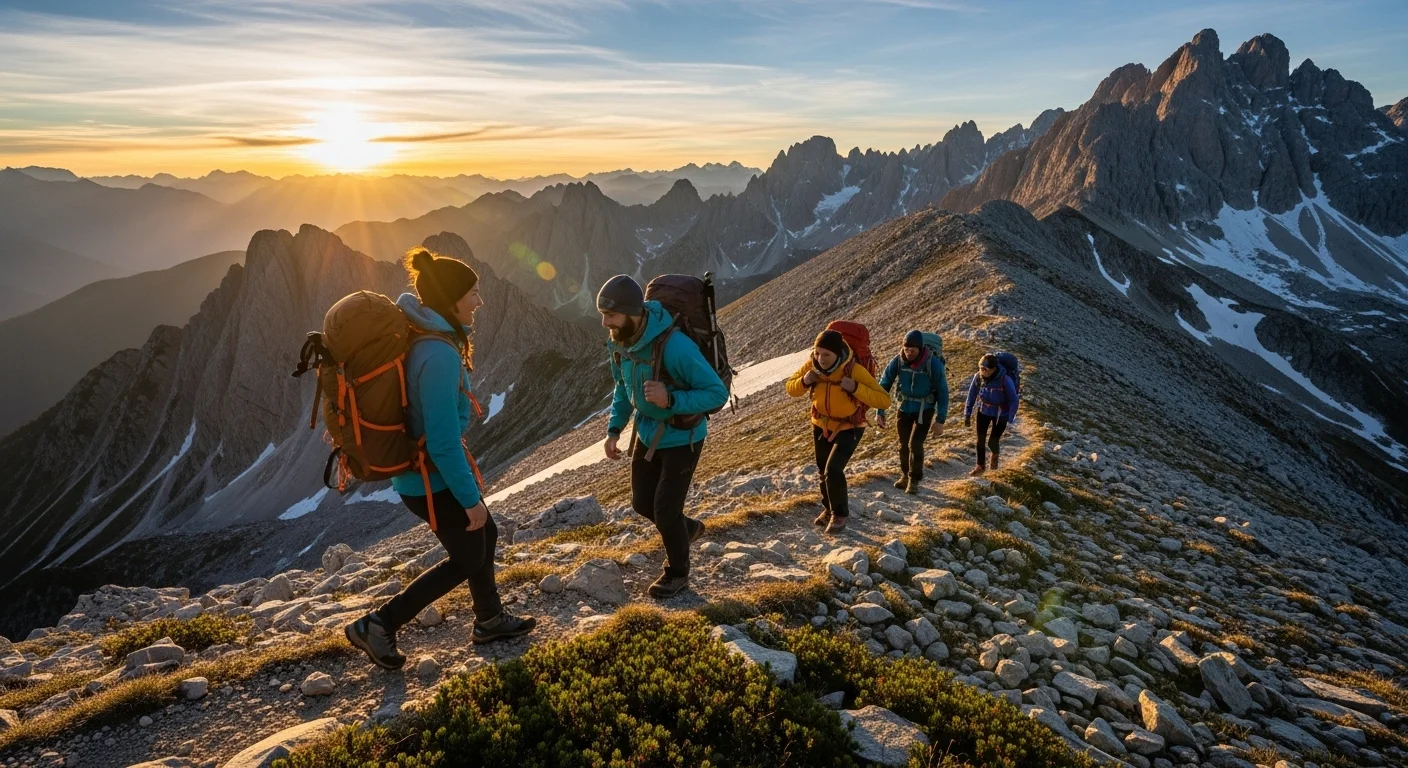
Mountain trekking, for me, is more than just a hike; it’s an adventure that connects us with the raw beauty of nature. It involves walking long distances, often on challenging terrain, which can range from rugged mountain trails to serene forest paths. Unlike a casual walk in the park, trekking pushes your limits both physically and mentally. I’ve found that each trek offers a unique journey, taking me through breathtaking landscapes and sometimes testing my endurance. Whether you’re an experienced trekker or a complete novice, there’s a trail out there that’s perfect for you.
Benefits of Trekking in Nature
I’ve experienced firsthand the numerous benefits of trekking in nature. It’s not just about the stunning views; it’s about what those views do for your mind and body. Trekking allows us to escape the hustle and bustle of daily life, providing a much-needed break from screens and noise. I remember my first multi-day trek; I returned home feeling refreshed and clearer in my thoughts.
Moreover, being surrounded by nature has a calming effect. Studies suggest that spending time outdoors can reduce stress and improve mental health. I find that the rhythm of my footsteps on the trail and the sound of rustling leaves bring a sense of peace that’s hard to replicate anywhere else. It’s a chance to disconnect and reconnect with myself, and I believe everyone should experience that at least once.
Physically, trekking is a fantastic workout. It strengthens your muscles, improves cardiovascular health, and boosts endurance. On my recent trek, I felt my legs growing stronger with each step, and I couldn’t help but smile at how my body was adapting. It’s a rewarding feeling to conquer a challenging trail, knowing I pushed myself to new limits while enjoying the beauty of the great outdoors.
Best Budget-Friendly Mountain Trekking Destinations
Top Mountain Regions for Affordable Treks
Now that we have a firm grasp on what trekking entails and its benefits, let’s dive into some of the best budget-friendly mountain trekking destinations. I’ve been fortunate enough to explore a few of these places, and I can’t recommend them enough!
Appalachian Trail
The Appalachian Trail stretches over 2,190 miles along the eastern United States, from Georgia to Maine. It’s a hiker’s paradise, offering a variety of terrains, from lush forests to rocky ridges. I love that there are numerous entry points along the trail, making it easy to plan shorter hikes or even multi-day treks without breaking the bank. Many sections allow for free camping, and the scenery is nothing short of spectacular. Plus, if you’re looking to meet fellow trekkers, this trail’s community vibe is unmatched.
Rocky Mountain National Park
Located in Colorado, Rocky Mountain National Park boasts stunning alpine lakes, towering peaks, and diverse wildlife. I remember trekking here and being in awe of the views at every turn. The park offers a range of trails that cater to all levels, from beginners to seasoned trekkers. For budget-conscious explorers, camping within the park is an affordable option, and I found the experience of sleeping under the stars to be unforgettable.
Pacific Crest Trail
If you’re looking for a challenge, the Pacific Crest Trail is a gem. Spanning 2,650 miles from Mexico to Canada, this trail traverses some of the most breathtaking landscapes in California, Oregon, and Washington. While the entire trail is a commitment, many sections can be tackled independently. I’ve ventured on shorter segments and always found them accessible and affordable, especially with the option to camp along the way.
Andes Mountains
The Andes, stretching through South America, are a bucket-list destination for trekkers. Countries like Peru offer incredible hiking experiences, such as the famous Inca Trail leading to Machu Picchu. While some parts can get pricey, I discovered that there are plenty of lesser-known trails nearby that provide stunning views at a fraction of the cost. Embracing local culture and exploring the rich history of the region made my trek even more rewarding. For more tips, check out How to Trek Mountains on a Budget: Tips & Tricks.
In my experience, these destinations highlight that epic mountain treks are not only possible on a budget but can also offer some of the most unforgettable experiences of your life. As we continue, I’d like to share my insights on how to effectively plan your trek, ensuring you enjoy every moment without overspending.
Planning Your Trek
When to Go: Best Seasons for Trekking
Deciding when to trek can significantly influence your experience, and I’ve learned this the hard way. Each mountain region has its own optimal trekking season, which can impact everything from trail accessibility to weather conditions. For instance, I found that trekking in the Rocky Mountain National Park is best during the summer months when the trails are clear of snow and the wildflowers are in full bloom. However, this also means that it can get crowded, especially on popular trails.
In contrast, I’ve trekked the Appalachian Trail in the fall, and the vibrant colors of changing leaves create a magical atmosphere. The crisp air and fewer hikers made it feel like I had the trail all to myself. I recommend checking the specific conditions of the region you plan to visit, as weather can change quickly in the mountains. Websites and local ranger stations are great resources to ensure you’re embarking on your adventure at the right time.
Essential Gear for Budget Trekkers
When it comes to trekking, having the right gear is crucial, but it doesn’t have to break the bank. I’ve made my fair share of gear mistakes, purchasing expensive items that I ended up not using or reselling. So, I learned to prioritize essential gear that offers both quality and affordability. For a thorough guide, see Essential Gear for Budget Mountain Trekking Adventures.
Backpacks
A good backpack is your best friend on the trail. I remember my first trek with a cheap backpack that didn’t fit properly, which led to discomfort and fatigue. I recommend investing in a comfortable, well-fitted backpack with enough capacity for your gear. Look for sales or second-hand options to save money. I found an excellent deal on a gently used backpack that has served me well over several adventures.
Footwear
Your feet take a lot of punishment on the trails, so proper footwear is essential. I’ve tried various hiking boots and shoes, and I always suggest finding something that fits well and provides good support. While it’s tempting to go for the cheapest option, I learned that spending a bit more on quality footwear can prevent blisters and discomfort on long treks. I often check discount outdoor stores or online sales for great deals on last season’s models.
Clothing
Layering is key when trekking. I’ve experienced both scorching sun and unexpected rain on the same trek, so being prepared with the right clothing can make or break your trip. I generally stick to moisture-wicking fabrics and pack a lightweight rain jacket. I also recommend checking thrift stores for outdoor clothing; I once found an amazing fleece jacket that kept me warm during chilly nights in the mountains!
Finding Affordable Accommodation
Accommodation can eat up a big chunk of your budget, especially in popular trekking areas. However, I’ve discovered that there are plenty of affordable options if you know where to look.
Campsites vs. Hostels
Campsites are often the most economical choice for trekkers. I can’t emphasize enough how much I love camping under the stars after a long day on the trail. Many national parks offer designated campsites that are either free or have a minimal fee. I suggest checking in advance about reservations, as spots can fill up quickly during peak seasons.
If camping isn’t your thing, hostels can be a great alternative. I’ve enjoyed staying in hostels in towns near trailheads, where I’ve met fellow trekkers and shared stories from the road. Plus, they often offer kitchen facilities, which brings me to my next point about saving on food.
Budget Hotels and Lodges
If you prefer a bit more comfort, look for budget hotels and lodges. I’ve found great deals on local hotels by booking in advance or through discount travel websites. Sometimes, I even called the hotel directly to ask for their best rate. It’s amazing how often they’ll offer a better price than what’s listed online!
Cost-Saving Tips for Trekking
Meal Planning on a Budget
Food can be another significant expense when trekking, but with some planning, it doesn’t have to be. I learned early on that prepping meals in advance can save both money and time. I typically create a simple meal plan and prep snacks like trail mix, energy bars, and dried fruits. For meals, dehydrated meals are a favorite of mine—they’re lightweight, convenient, and just need hot water to prepare.
Transportation Options to Reach Trails
Getting to the trailhead can also add up, but I’ve found several cost-effective options. Carpooling with friends or fellow trekkers can cut down on fuel costs. Additionally, I’ve used public transportation to reach some trailheads, which not only saves money but also allows me to relax and enjoy the scenery without worrying about navigating mountain roads.
Group Treks and Discounts
If you’re not trekking solo, consider organizing a group trek. I’ve participated in group hikes where the costs of transportation and accommodation are shared. Many outdoor companies also offer discounts for groups, so it’s worth reaching out to see if you can save some money while enjoying the company of friends. Plus, I’ve found that sharing the adventure makes the experience even more enjoyable!
Safety Tips for Budget Trekkers
Understanding Trail Conditions
One of the most crucial aspects of trekking is understanding the trail conditions, and I can’t stress this enough. I’ve been on trails that looked relatively easy on paper but turned out to be quite challenging due to weather changes or maintenance issues. I recommend checking the latest updates on trail conditions before you set out. Websites, local ranger stations, and even social media groups dedicated to trekking can offer insights that you might not find in guidebooks.
For example, I remember planning a trek in early spring to a popular national park. I had my heart set on a specific trail, but after reading recent reports, I discovered that a section of it was still covered in snow. Instead of being disappointed, I was able to pivot and choose another route that was accessible and just as beautiful. This flexibility not only ensured my safety but also allowed me to explore a part of the park I hadn’t considered before.
Staying Safe in the Wilderness
When it comes to safety, being prepared is key. I’ve learned that having a basic understanding of wilderness safety can make all the difference on the trail. First and foremost, always let someone know your plans. I try to share my itinerary with a friend or family member, including where I’ll be and when I plan to return. It’s a simple step that adds an extra layer of security.
I also recommend carrying a map and a compass, even if you plan to use a GPS. Technology can fail us when we least expect it, and having a backup plan is essential. I once relied on my phone for navigation, only to find myself in an area with no signal. Thankfully, I had a paper map tucked away in my backpack, which guided me back to the trail. It’s those little things that can turn a potentially stressful situation into a manageable one.
As for wildlife encounters, I’ve had my fair share of surprises. Whether it’s deer, bears, or snakes, it’s important to know how to react. I’ve taken the time to familiarize myself with the wildlife in the areas I trek. Learning about the local fauna helps me to remain calm and collected should I come across a curious creature. I’ve found that a little preparation goes a long way in ensuring both my safety and the well-being of the animals.
Emergency Preparedness
No one likes to think about emergencies, but they can happen, even on the best-planned treks. I’ve learned to carry a basic first aid kit, which has been invaluable on more than one occasion. Having band-aids for blisters or antiseptic wipes for minor cuts can help prevent small issues from turning into larger ones. I also keep a small supply of emergency food and water purification tablets in my pack, just in case I find myself in a pinch.
Another essential item I never leave home without is a whistle. I once found myself in a thick fog on a mountain trail, and the sound of my own voice was lost in the mist. A whistle is lightweight and can carry much further than your voice, making it a crucial tool for signaling for help if needed. It’s a simple addition, but I’ve felt more secure knowing I have it with me, especially in less trafficked areas.
Additionally, I recommend familiarizing yourself with the location of the nearest help centers or ranger stations on your trek. Knowing where to go for assistance can save precious time in case of an emergency. I’ve found that a little research before heading out can prepare me for unexpected situations and help me enjoy my trek with greater peace of mind.
Local Culture and Engagement
Connecting with Local Guides
One of the highlights of trekking for me has been the opportunity to connect with local guides. I’ve always found that engaging with those who know the land intimately enriches my experience. Local guides can offer insights into the culture, history, and ecology of the area that I might not discover on my own. On one of my treks in Peru, I hired a local guide who not only navigated the trails with ease but also shared fascinating stories about the Inca civilization. It made every step feel like a lesson in history.
Additionally, I’ve learned that hiring local guides can be a budget-friendly option. They often have different pricing structures than larger tour companies and can customize your experience to fit your needs. By investing in local knowledge, I’ve found that I support the community while gaining invaluable insights and a more authentic trekking experience.
Experiencing Local Cuisine on a Budget
Food is another fantastic way to engage with local culture, and I’ve discovered that trying local cuisine doesn’t have to be expensive. On my journeys, I often seek out small family-owned restaurants or food stalls instead of tourist traps. I remember enjoying a delicious meal of homemade pasta in a tiny eatery after a long day of trekking. Not only was it budget-friendly, but it also gave me a taste of the local flavors I wouldn’t have experienced otherwise.
I also love visiting local markets, where I can find fresh produce and snacks to take on my treks. Packing some local treats into my backpack has become a tradition for me. It’s a great way to savor the culture while enjoying the great outdoors. Plus, I’ve found that trying new foods has often led to delightful conversations with the locals, making my trekking experience even more memorable.
In my opinion, immersing myself in local culture while trekking enhances the journey. It’s about more than just the trails; it’s about the stories and flavors that shape the landscapes we traverse. Whether it’s through guides or cuisine, connecting with the essence of a place brings depth to every adventure I undertake.
Frequently Asked Questions
What is mountain trekking?
Mountain trekking is an adventure that involves walking long distances on challenging terrain, connecting individuals with the beauty of nature. It differs from casual walking as it pushes physical and mental limits, offering unique experiences through breathtaking landscapes.
What are the benefits of trekking in nature?
Trekking in nature provides numerous benefits, including stress reduction, improved mental health, and physical fitness. It allows individuals to disconnect from daily life and reconnect with themselves while enjoying the calming effects of nature.
What are some budget-friendly mountain trekking destinations?
Some budget-friendly mountain trekking destinations include the Appalachian Trail, Rocky Mountain National Park, the Pacific Crest Trail, and the Andes Mountains. These locations offer various terrains, affordable camping options, and unique experiences without breaking the bank.
When is the best time to go trekking?
The best time to go trekking varies by region. For example, summer is ideal for Rocky Mountain National Park when trails are clear, while fall is great for the Appalachian Trail due to the vibrant colors and fewer hikers. It’s essential to check local conditions before planning a trek.
What essential gear do budget trekkers need?
Budget trekkers should prioritize essential gear such as a comfortable backpack, proper footwear, and moisture-wicking clothing. It’s advisable to look for sales or second-hand options to save money while ensuring quality and comfort on the trails.
How can trekkers find affordable accommodation?
Trekkers can find affordable accommodation by opting for campsites, which are often free or low-cost, or by staying in hostels near trailheads. Budget hotels and lodges can also be economical if booked in advance or through discount websites.
What are some cost-saving tips for trekking?
Cost-saving tips for trekking include meal planning, using public transportation to reach trailheads, carpooling to reduce fuel costs, and organizing group treks to share expenses. Preparing meals in advance can also help save money on food while trekking.
How can trekkers ensure their safety?
Trekkers can ensure their safety by understanding trail conditions, letting someone know their plans, carrying a map and compass, and familiarizing themselves with local wildlife. Having a basic first aid kit and emergency supplies is also crucial for preparedness.
How can trekkers engage with local culture?
Trekkers can engage with local culture by connecting with local guides who provide insights into the area’s history and ecology, as well as by trying local cuisine at family-owned restaurants and markets. This enhances the trekking experience and supports local communities.
What should trekkers do in case of an emergency?
In case of an emergency, trekkers should carry a basic first aid kit, have emergency food and water purification tablets, and know the location of the nearest help centers or ranger stations. Carrying a whistle can also be helpful for signaling for help if needed.