
Exploring local beverages while backpacking is like discovering a region’s soul. It’s an adventure filled with unique tastes and cultural connections that won’t break the bank! Read Interesting article: Top 10 Must-Try Local Drinks on Your Next Backpacking Trip
Understanding Local Beverages
Definition and Importance of Local Beverages
When I think of local beverages, I envision the vibrant colors and flavors unique to each destination I’ve visited. Local beverages encompass anything from traditional alcoholic drinks to refreshing non-alcoholic options, each telling a story about the culture and people behind them. For me, they are more than just drinks; they’re a way to connect with the local community. Whether it’s sipping a cup of herbal tea in a bustling Asian market or enjoying a craft beer at a street festival in Europe, these beverages can provide insights into local customs and traditions. I’ve found that trying local drinks often leads to fascinating conversations with locals, enhancing my travel experience.
Cultural Significance of Drinking Local
Cultural significance plays a huge role in why drinking local is so important. Each beverage carries a history, often rooted in centuries of tradition. For instance, when I visited Mexico, I learned that pulque—a traditional alcoholic beverage made from fermented agave—has been consumed for thousands of years. It’s not just a drink; it represents the heritage of the region and its indigenous people. I remember sitting in a small tavern, surrounded by locals, as they shared stories about pulque’s history and its connection to their community. It was a powerful reminder of how drinking local can foster a deeper understanding of a place.
Similarly, in places like India, chai tea is more than just a beverage; it’s a ritual, a social experience that brings people together. I recall one rainy afternoon in a small village, where I was invited to join a family for chai. The warmth of the tea mirrored the warmth of their hospitality, and I felt truly connected to their way of life. I realized that every sip of a local beverage carries not just flavor but also the essence of the people who make it. This cultural significance is what transforms a simple drink into a meaningful experience.
Top Destinations for Local Beverages
Asia
Street Markets and Local Breweries
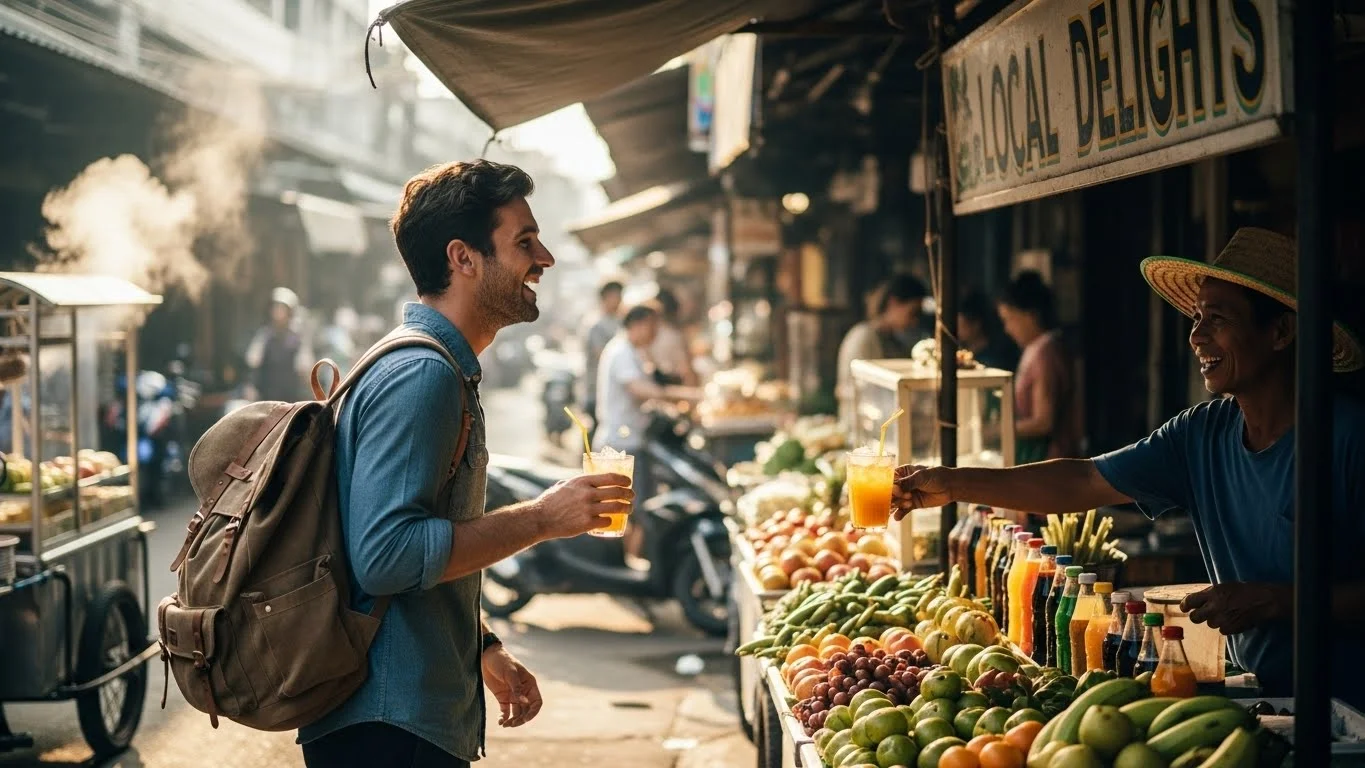
Asia is a treasure trove of local beverages, particularly in its vibrant street markets. I’ve strolled through bustling markets in Thailand, where fresh coconut water is served right from the shell, quenching my thirst as I wander. Each market has its own specialties—like the refreshing sugarcane juice in Vietnam or the spicy ginger tea in India. These drinks are often made right in front of you, showcasing the local ingredients and culinary techniques.
In addition to street vendors, I found local breweries in cities like Tokyo and Seoul that creatively blend tradition with modern twists. I remember visiting a craft brewery in Japan, where the brewers took pride in using local rice. Tasting their unique sake was an experience I won’t forget, and it gave me a newfound appreciation for how local resources can influence flavors. Read Interesting article: Sip Your Way Through Local Beverages: A Backpacker’s Guide
Africa
Traditional Drinks and Festive Beverages
Africa offers an array of traditional drinks that are often tied to festivals and celebrations. During my travels in Ethiopia, I had the opportunity to taste tej, a honey wine that’s made in a traditional way. I couldn’t help but feel a sense of belonging when I was invited to participate in a toast at a local celebration. The joy of sharing tej with new friends made the experience unforgettable.
Another memorable drink is maasai beer, a traditional brew made by the Maasai people. I had the chance to taste it during a cultural event, and I was struck by its earthy flavor. Each sip felt like a connection to the land and its people, reminding me of the rich traditions that exist within Africa’s diverse cultures.
Europe
Local Wines and Craft Beers
Europe is famous for its wines and craft beers, and I’ve had the pleasure of indulging in both. In Italy, I discovered that wine tasting is an art form. I remember visiting a vineyard in Tuscany, where I learned about the winemaking process and sampled some exquisite Chianti. The beauty of the rolling hills around us made the experience even more special. I felt like I was tasting not just wine, but the very essence of Tuscany.
Craft beer is another highlight in Europe. Countries like Belgium and Germany pride themselves on their brewing traditions. I loved exploring small breweries in Brussels, where the creativity in brewing is evident. Each beer had its own character, and I felt like I was on a journey through the flavors of the region. Cheers to that!
South America
Indigenous Drinks and Coffee Culture
South America has a rich coffee culture that I fell in love with during my travels. In Colombia, I took a coffee tour where I learned about the entire process, from bean to cup. Tasting freshly brewed coffee made from beans grown right on the farm was an eye-opener for me. The flavors were unlike anything I had ever tasted before, and it made me appreciate the hard work that goes into each cup.
Additionally, I experienced indigenous drinks like mate in Argentina. I remember sitting in a circle with friends, sharing a gourd of mate and enjoying the communal aspect of drinking together. It was a beautiful reminder of how beverages can bring people closer.
North America
Craft Sodas and Regional Beverages
North America is home to a variety of unique beverages as well. I’ve discovered craft sodas that are made with local ingredients in places like Portland, Oregon. These sodas often come in imaginative flavors that reflect the area’s culture. I tried a lavender-infused soda that was refreshing and delightful, making me feel like I was experiencing a piece of the Pacific Northwest.
Regional beverages also tell a story. In the southern United States, sweet tea is a staple, and I’ve learned that there’s a strong tradition surrounding its preparation. I remember visiting a local diner where the sweet tea was served in mason jars, and it was the perfect complement to my meal, making me appreciate the warmth of Southern hospitality.
Types of Local Beverages to Experience
Alcoholic Beverages
Local Wines
When I think of local wines, I recall my visit to the vineyards nestled in the hills of Stellenbosch, South Africa. There’s something magical about sitting among the vines, sipping on a glass of Cabernet Sauvignon as the sun sets. The flavors were rich and complex, each sip telling a story of the land and the winemakers’ passion. I appreciated how the terroir—the unique environmental conditions—shaped each bottle. I remember chatting with a local vintner who explained the importance of the soil and climate in crafting their wines. It was a delightful blend of education and indulgence, and I left with a deeper appreciation for South African wines.
Craft Beers
Craft beers have exploded in popularity, and I’ve enjoyed sampling them in various regions. One of my favorite experiences was in Portland, Oregon, where the craft beer scene is vibrant and innovative. I remember visiting a microbrewery that specialized in unique flavors, like a jalapeño-infused ale that packed a surprising punch. The brewers were always eager to share their creative processes, and I loved learning about how they sourced local ingredients. Each tasting felt like a mini-adventure, as I discovered the distinct flavors that reflected the character of the Pacific Northwest.
Traditional Spirits
Traditional spirits are another fascinating aspect of local beverages. In Peru, I had the chance to try pisco, a grape brandy that’s deeply rooted in the country’s culture. I remember visiting a distillery where they explained the meticulous process of crafting this spirit, from fermentation to distillation. Tasting a pisco sour—a cocktail made with pisco, lime juice, and egg white—was a highlight of my trip. The balance of flavors was perfect, and sipping it while overlooking the Andes was an experience I’ll never forget. It’s amazing how traditional spirits can transport you to a different time and place.
Non-Alcoholic Beverages
Herbal Teas and Infusions
Herbal teas are a wonderful non-alcoholic option that I’ve come to appreciate during my travels. In Morocco, I was introduced to mint tea, which is served with great ceremony. I remember sitting on a rooftop terrace, watching the sunset as the tea was brewed and poured from a height to create a frothy top. The combination of green tea, fresh mint, and sugar was refreshing and invigorating. It became a ritual for me, a moment to pause and savor the flavors while soaking in the vibrant atmosphere of the city.
Fresh Juices and Smoothies
Fresh juices and smoothies are often a refreshing way to experience the local produce. In Brazil, I indulged in açaí bowls and fresh coconut water that tasted like sunshine. I remember visiting a local market where vendors blended up smoothies with tropical fruits like mango and passionfruit right in front of me. Each sip was a burst of flavor, and I felt re-energized as I explored the lively streets of Rio de Janeiro. I’ve learned that these vibrant drinks not only refresh but also provide a delicious way to connect with local ingredients.
Caffeinated Beverages
Caffeine is a staple for many travelers, and I’ve experienced its cultural significance in various forms. In Italy, I enjoyed my morning espresso at a bustling café, where it’s common to stand at the bar and sip your drink quickly. I remember the strong aroma and the rich, bold flavor that kick-started my day. In contrast, in Vietnam, I discovered the joy of cà phê sữa đá, a sweet iced coffee that combined strong coffee with condensed milk. It’s a delightful treat that kept me cool while exploring the vibrant streets of Hanoi. Each caffeinated beverage has its unique charm, and they often act as a bridge to connect with locals.
Budget-Friendly Tips for Enjoying Local Beverages
Finding Local Markets and Festivals
One of my favorite budget-friendly tips is to seek out local markets and festivals. These events often showcase regional beverages at a fraction of the price of restaurants. I’ve found that wandering through a street festival not only offers a chance to taste local drinks but also allows me to soak in the culture and meet locals. In Thailand, I stumbled upon a food festival where vendors offered samples of different drinks, from fruit shakes to herbal infusions. It was a fun way to try various options without breaking the bank. Read Interesting article: Local Bites on a Budget: Eat Like a Local Without Breaking Bank
Happy Hour Deals and Promotions
Another way to enjoy local beverages on a budget is by taking advantage of happy hour deals. I remember discovering an amazing happy hour at a rooftop bar in Barcelona, where local wines were half-priced during sunset. It felt special to sip on a glass of wine while enjoying breathtaking views of the city. Many places offer promotions during off-peak hours, so it’s worth exploring the local scene for these deals.
DIY Beverage Experiences
If you’re feeling adventurous, consider creating your own DIY beverage experiences. I’ve enjoyed participating in local workshops where I learned to make traditional drinks. For instance, in Thailand, I joined a cooking class that included learning to make fresh Thai iced tea. Not only did I get to enjoy my creation, but I also brought back a valuable skill to impress friends at home. This approach can be both budget-friendly and a memorable way to connect with local culture.
Safety and Health Considerations
Staying Hydrated While Exploring
While exploring new destinations, I’ve learned that staying hydrated is crucial, especially when I’m trying out different local beverages. It’s easy to get caught up in the excitement of tasting all these unique drinks, but I always make sure to drink plenty of water, too. I remember a hot day in Mexico City when I was so eager to try every flavor of agua fresca that I nearly forgot to hydrate. After a few sips of the refreshing watermelon drink, I realized I hadn’t had any water in hours. I quickly found a nearby stand and filled up my bottle. This balance between enjoying local beverages and staying hydrated has become a priority for me on all my travels. I recommend carrying a reusable water bottle to make it easier to keep track of my water intake, especially in hot climates.
Understanding Local Alcohol Laws
Understanding local alcohol laws is another important aspect of enjoying beverages responsibly. Each country has its own regulations regarding the sale and consumption of alcohol, and I’ve found that these can vary widely. For example, during my time in the Middle East, I discovered that in some areas, alcohol is restricted or not available at all. I remember being pleasantly surprised when I found a local pub in Dubai that served craft beers, but I was also aware that I had to be cautious about the legal drinking age and where I could drink. I always take a moment to research these laws before visiting a new place, which helps me avoid any awkward situations and ensures I can enjoy local drinks without any worries. It’s a simple step that can make a significant difference in how smoothly my travels go.
Food Pairings and Allergies
When exploring local beverages, I also make it a point to consider food pairings and any potential allergies I might have. I’ve had some incredible experiences where a local drink perfectly complemented my meal, enhancing the overall taste. I remember enjoying a spicy curry in Thailand paired with a sweet Thai iced tea. The combination was delightful, and it made me reflect on how important it is to consider flavor profiles when trying new foods and drinks. However, I’m also cautious about allergies. For instance, my love for trying new beverages almost backfired when I sampled a drink made with coconut milk without realizing I had a mild allergy to it. Thankfully, I noticed it before it became serious. I always ask about ingredients when I’m uncertain, and it’s become a habit to carry allergy cards in local languages when I travel. This small precaution allows me to fully enjoy my beverage experiences without compromising my health.
Planning Your Beverage Adventure
Researching Local Beverages Before You Go
Planning is key to maximizing my beverage adventures. Before I head to a new destination, I take the time to research local beverages that I should try. I often follow food and travel blogs or check out social media platforms for recommendations. For instance, when I was preparing for a trip to Italy, I stumbled upon a blog that highlighted unique regional wines and local liquors. I made a list of must-try drinks, and it turned out to be incredibly helpful. I remember discovering the regional emphasis on limoncello in the Amalfi Coast, and it became one of my favorite experiences, sipping the lemony delight while overlooking the stunning coastline. This pre-trip research not only adds excitement but also ensures that I won’t miss out on any hidden gems during my travels.
Creating an Itinerary Focused on Beverage Experiences
When I have all my research, I like to create an itinerary that focuses on beverage experiences. I’ve found that planning my days around local markets, breweries, or tastings allows me to immerse myself in the local culture fully. For example, during my last trip to Germany, I mapped out a day that included a brewery tour in the morning, followed by a visit to a local wine garden in the afternoon. Having this structure made my trip feel cohesive, and I got to enjoy a variety of flavors without feeling rushed. I also try to leave some flexibility in my schedule for spontaneous discoveries—a recommendation from a local can lead to some of the best experiences!
Connecting with Local Guides and Experts
Connecting with local guides can significantly enhance my beverage adventure. I’ve had the pleasure of meeting passionate locals who share their knowledge about traditional drinks and the stories behind them. In Ireland, I joined a whiskey tasting tour led by a knowledgeable guide who not only explained the distillation process but also shared fascinating tales of the region’s history. I left with a deeper appreciation for Irish whiskey and a few new friends. Using platforms like Airbnb Experiences or local tourism websites has opened up a world of options for me. I recommend seeking out these experiences whenever possible, as they can provide insider knowledge and unique tasting adventures that you wouldn’t find on your own.
Frequently Asked Questions
What are local beverages and why are they important?
Local beverages encompass traditional alcoholic drinks and refreshing non-alcoholic options unique to each destination. They tell a story about the culture and people behind them, providing insights into local customs and traditions, and fostering connections with the local community.
How do local beverages reflect cultural significance?
Local beverages carry a history rooted in centuries of tradition, such as pulque in Mexico or chai tea in India. These drinks can transform a simple experience into a meaningful one by connecting travelers to the heritage and social rituals of the local community.
What are some popular local beverages in Asia?
In Asia, vibrant street markets offer unique drinks like fresh coconut water in Thailand, sugarcane juice in Vietnam, and spicy ginger tea in India. Local breweries in cities like Tokyo and Seoul also create traditional beverages with modern twists.
What traditional drinks can be found in Africa?
Africa boasts traditional drinks tied to festivals, such as tej, a honey wine from Ethiopia, and maasai beer from the Maasai people. These drinks often provide a sense of connection to the local culture during celebrations.
What types of beverages are popular in Europe?
Europe is renowned for its wines and craft beers. Wine tasting in regions like Tuscany showcases the rich flavors of local wines, while craft beers in Belgium and Germany highlight innovative brewing traditions.
What beverages are significant in South America?
South America has a rich coffee culture, especially in Colombia, where coffee tours reveal the process from bean to cup. Additionally, indigenous drinks like mate in Argentina emphasize communal drinking experiences.
What unique beverages can be found in North America?
North America features craft sodas made with local ingredients, particularly in regions like Portland, Oregon, as well as regional drinks like sweet tea in the southern United States, which is deeply embedded in local traditions.
What are some budget-friendly tips for enjoying local beverages?
Travelers can explore local markets and festivals to taste regional beverages at lower prices, take advantage of happy hour deals, or participate in DIY beverage workshops to create their own drinks while connecting with local culture.
What safety considerations should travelers keep in mind when exploring local beverages?
Travelers should stay hydrated while enjoying local drinks, understand local alcohol laws to avoid legal issues, and consider food pairings and allergies to ensure a safe and enjoyable experience with beverages.
How can travelers plan their beverage adventures?
Planning involves researching local beverages before traveling, creating an itinerary focused on beverage experiences, and connecting with local guides for insider knowledge and unique tasting opportunities.