
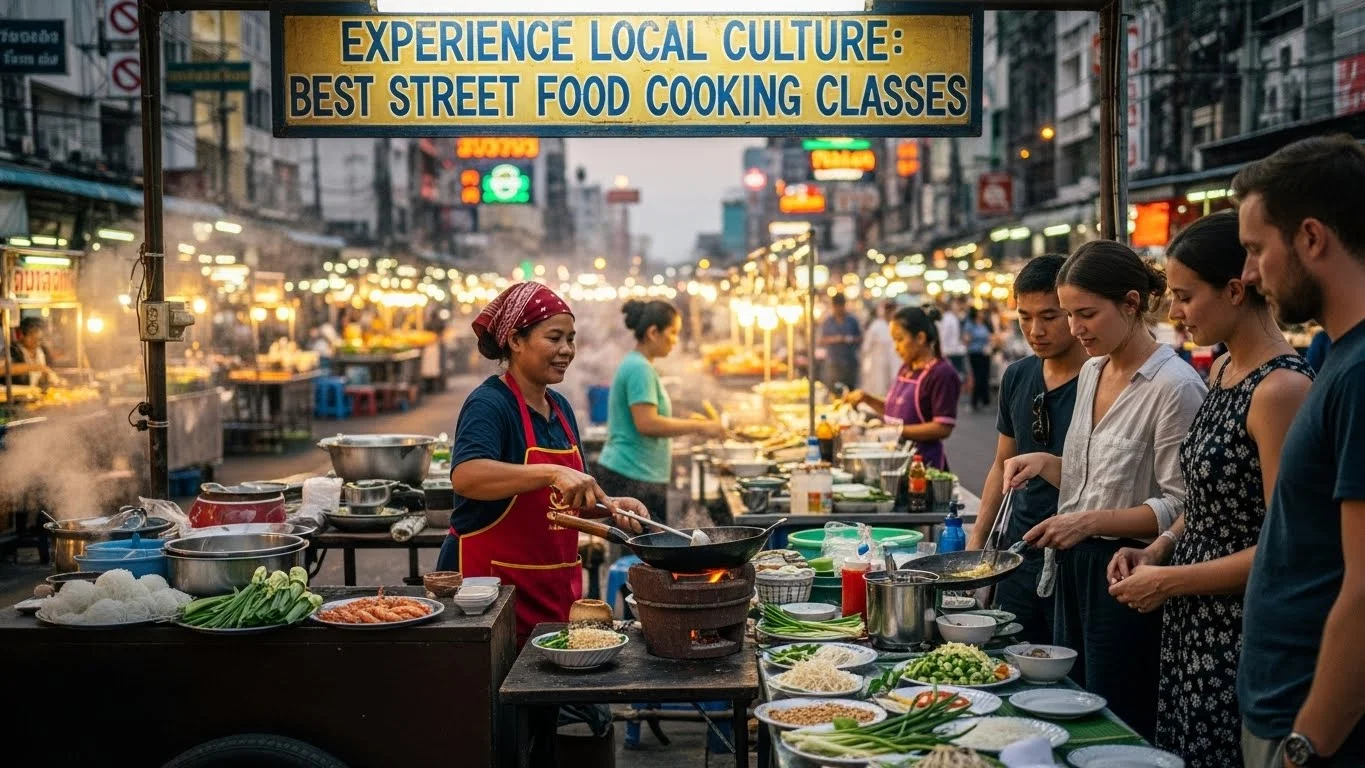
Street food isn’t just about tasty bites; it’s a gateway to understanding a culture deeply. Taking a cooking class focused on local street food elevates that experience, allowing us to connect with traditions, flavors, and people in a truly memorable way. Read Interesting article: Experience Asia: Affordable Cooking Classes for Food Lovers
Understanding the Importance of Local Cuisine
Whenever I travel, one of the first things I want to explore is the local cuisine. I believe that food tells a story about a place and its people. Local cuisine, especially street food, is often the most authentic representation of a culture. It reflects the history, traditions, and daily lives of the locals. Through street food, we get to taste and experience the heart and soul of a city.
The Role of Street Food in Cultural Identity
Street food has a unique way of uniting people. I remember walking through the bustling markets of Bangkok, where vendors sold everything from spicy papaya salad to grilled meats. Each bite was a little piece of the local culture. Street food often has roots in family recipes passed down through generations. When I tried making pad Thai in a cooking class, I learned not just the technique, but also the history behind the dish. Street food is a cultural identity, often reflecting the region’s agriculture and culinary practices.
In many countries, street food also represents accessibility. It’s affordable and allows people from all walks of life to enjoy delicious meals. I’ve seen families gather around a food cart, sharing laughter and meals, creating a sense of community. This shared experience is what makes street food so special; it’s not just about eating, it’s about connecting with others.
Health and Safety Considerations in Street Food
While exploring street food is exciting, I learned early on to be mindful of health and safety. Not every street food vendor has the same standards, and it’s essential to choose wisely. I remember a time in Hanoi when I hesitated to try a particular dish because the stall looked less than clean. Thankfully, I opted for a vendor bustling with customers, and I was rewarded with delicious bánh mì. It’s crucial to look for stalls that are busy, as high turnover usually indicates fresh ingredients and good hygiene practices.
When taking a cooking class, instructors often emphasize the importance of food safety. They guide you on sourcing ingredients from reliable vendors and preparing them safely. I found this to be a great way to learn not just cooking skills, but also how to appreciate the importance of food safety in the culinary world.
What to Expect in a Street Food Cooking Class
When I decided to take a street food cooking class, I wasn’t sure what to expect. The excitement of getting hands-on experience with local flavors was thrilling. Every class I’ve taken has a unique structure, but there are common elements I’ve noticed that can help anyone prepare for their own culinary adventure.
Typical Class Structure and Duration
Most street food cooking classes last anywhere from a few hours to a full day. In my experience, they usually begin with a market visit where we’d source fresh ingredients. This part of the class is crucial because it immerses you in the local culture. I remember walking through a vibrant market in Mexico City, selecting avocados and tomatoes, and chatting with local vendors. It felt like a mini-adventure!
After the market, we returned to the kitchen, often at a local home or a community center. Here, we’d learn to prepare several dishes. The atmosphere was always lively, filled with laughter and the sizzling sounds of cooking. I appreciated that the classes often included not just the cooking process, but also cultural anecdotes, making the experience richer and more meaningful. Read Interesting article: Top Budget-Friendly Baking Classes Across Europe to Try
Skill Levels: Beginners to Advanced
No matter your cooking level, street food classes cater to everyone. I’ve taken classes with complete beginners and seasoned cooks, and the instructors always adapt. For me, the beginner classes were perfect because they focused on foundational skills, like chopping, seasoning, and understanding flavor profiles. If you have experience, look for advanced classes that delve deeper into techniques or specific dishes.
Ingredients: Sourcing Local Produce
One of the most thrilling parts of any cooking class is working with local ingredients. I’ve often found that local produce has a vibrancy and flavor that’s hard to replicate elsewhere. In Barcelona, I learned how to make paella from scratch, using fresh seafood and locally sourced vegetables. The instructors emphasized the importance of choosing seasonal ingredients, which really made a difference in the final dish. There’s something special about using what’s available in the region—it’s a taste of the local environment.
In cooking classes, we not only learn how to cook but also how to appreciate the ingredients. I felt a deeper connection to the meals I made, knowing they were rooted in the local soil and culture. It’s an experience that goes beyond just eating; it’s about understanding the essence of a place through its food.
Top Destinations for Street Food Cooking Classes
Traveling is one of my greatest passions, and when it comes to street food cooking classes, I’ve discovered some truly amazing destinations around the world. Each place offers a unique culinary experience, allowing us to dive deep into their local flavors and techniques. Here are some of my favorite spots that I believe you should consider for your next culinary adventure.
Asia
Bangkok, Thailand
Bangkok is like a dream come true for anyone who loves street food. The city buzzes with energy, and the streets are lined with vendors offering everything from spicy curries to sweet desserts. I remember my first cooking class here, where we learned to make classic dishes like green curry and mango sticky rice. The instructors were passionate locals who shared not only the recipes but also the stories behind each dish, which made the experience even richer. If you’re in Bangkok, definitely check out the bustling markets and the famous cooking schools that take you on a food journey.
Hanoi, Vietnam
Hanoi holds a special place in my heart, especially when it comes to its street food. The city is famous for its dishes like pho and bánh mì, and taking a cooking class here is an absolute delight. I recall wandering through the vibrant streets, stopping at various stalls to taste the local flavors before heading to the kitchen. The instructors taught us how to balance flavors perfectly, and I was amazed at how simple ingredients could create such complex tastes. If you’re looking to immerse yourself in Vietnamese cuisine, Hanoi is the place to be.
Latin America
Mexico City, Mexico
Mexico City is a culinary paradise, and street food is at its heart. I found myself surrounded by colorful stalls selling tacos, tamales, and churros. During my cooking class, I learned how to make authentic tacos al pastor, complete with homemade tortillas. The energy in the kitchen was contagious, with laughter and delicious aromas filling the air. Not only did I gain cooking skills, but I also made connections with the local instructors who were eager to share their culinary heritage. If you want to learn about Mexican street food, this city should be at the top of your list. Read Interesting article: Master European Baking: Affordable Classes for Travelers
São Paulo, Brazil
São Paulo surprised me with its diverse food culture, influenced by the many cultures that have settled in the city. I took a cooking class that highlighted Brazilian street food, including the famous coxinha and pão de queijo. The vibrant atmosphere of the kitchen made it easy to soak up the techniques we were learning. As we cooked, the instructor shared personal anecdotes about the cultural significance of each dish, making it a truly enriching experience. If you’re interested in blending different culinary traditions, São Paulo is a fantastic destination.
Africa
Marrakech, Morocco
Marrakech is a feast for the senses, with its fragrant spices and lively markets. I had the opportunity to participate in a cooking class focused on traditional Moroccan street food, including tagine and pastilla. The experience started with a visit to the local souks, where we picked out spices and fresh ingredients. The whole process felt like a celebration of food and culture. The instructors were incredibly knowledgeable, and I left with not just recipes, but also a deeper appreciation for Moroccan culinary traditions. If you love spices, this city is a must-visit.
Cape Town, South Africa
Cape Town captivated me with its stunning scenery and vibrant food scene. I remember taking a cooking class that emphasized the flavors of South African street food. We explored dishes like bunny chow and biltong, and the instructor explained the cultural significance behind each dish. The blend of indigenous ingredients with influences from various cultures made the cooking experience unforgettable. If you’re looking to explore a unique culinary landscape, Cape Town is an excellent choice.
Europe
Barcelona, Spain
Barcelona is not only known for its art and architecture but also for its incredible food. I indulged in a cooking class that focused on preparing traditional tapas and paella. The vibrant kitchen atmosphere was infectious, and I loved learning how to recreate these beloved dishes. The instructors were passionate about their culinary heritage, and they made sure we understood the importance of using fresh, local ingredients. If you want to immerse yourself in Spanish flavors, Barcelona should definitely be on your radar.
Rome, Italy
Rome is a city steeped in history, and its street food is a reflection of that rich heritage. I took a cooking class where we learned to make classic Roman dishes like supplì and pizza al taglio. The instructors emphasized the importance of quality ingredients, and I loved experiencing the simplicity and authenticity of Italian cooking. There’s something magical about making food from scratch in a city that values its culinary traditions. If you’re a fan of Italian cuisine, Rome offers a delightful culinary adventure.
Types of Street Food to Learn How to Cook
Asian Street Foods
Pad Thai and Spring Rolls
When I think about Asian street food, Pad Thai is one of the first dishes that comes to mind. This flavorful stir-fried noodle dish is a staple in Thailand and holds a special place in my heart. During one of my cooking classes in Bangkok, I learned how to balance the sweet, salty, and sour flavors that make Pad Thai so addictive. I remember the instructor showing us how to achieve that perfect texture with the rice noodles and how to create a rich sauce using tamarind, fish sauce, and chili powder. It was an eye-opening experience to see how simple ingredients could come together to create something so delicious.
Spring rolls were another highlight of my Asian street food cooking journey. I found the process of rolling the delicate wrappers around fresh vegetables and herbs to be both fun and satisfying. During the class, we also learned about the various dipping sauces that could elevate these little bites. Each bite of a homemade spring roll reminded me of the importance of freshness in Asian cuisine. The crispiness of the wrapper combined with vibrant fillings really captured the essence of street food.
Banh Mi and Pho
Vietnamese cuisine is another favorite of mine, and nothing screams street food like a good Banh Mi or a steaming bowl of Pho. I had the pleasure of taking a cooking class in Hanoi, where I learned about the art of making Banh Mi. The combination of crispy baguette, savory meats, and fresh veggies is a work of art. I’ll never forget the moment I took my first bite of my creation; the flavors just exploded in my mouth, and I felt a deep appreciation for the harmony of textures and tastes.
Then there’s Pho, which is more than just a dish; it’s a cultural experience. In my class, we spent time perfecting the broth, which is the heart of Pho. I learned how to simmer beef bones for hours, allowing flavors to develop beautifully. The aromatic herbs and spices that went into the broth, such as star anise and cinnamon, filled the kitchen with an enticing aroma. Sipping on my homemade bowl of Pho was a rewarding moment that connected me to the culinary traditions of Vietnam.
Latin American Street Foods
Tacos and Tamales
Latin America has a rich tapestry of street food, and I can confidently say that tacos and tamales are two of my favorites. During my time in Mexico City, I dived into the world of tacos al pastor. The cooking class was a lively affair, with the aroma of marinated pork filling the air as it cooked on the spit. I learned how to slice the meat perfectly and prepare homemade tortillas that were soft and warm. Each bite was like a burst of flavor; the combination of the spicy meat, fresh cilantro, and tangy pineapple was simply incredible.
Tamales, on the other hand, offer a different kind of experience. When I learned to make tamales, it was a communal effort. I remember gathering with others in the class, each of us spreading masa on corn husks and filling them with various ingredients. It felt like a celebration of culture and tradition. The anticipation as they steamed was exhilarating, and when we finally tasted them, I was hooked. The layers of flavor and the texture of the masa made for a wonderful treat.
Empanadas and Arepas
Empanadas and arepas are other beloved Latin American delicacies that I had the pleasure of learning to make. In Buenos Aires, I took a class focused on empanadas, where I learned about the different fillings, from savory meat to cheesy spinach. The best part? Shaping them! It was fun to create the fluted edges, and I felt a sense of pride when I popped them into the oven. The smell that filled the kitchen was indescribable.
Arepas, a staple in Venezuelan and Colombian cuisine, were another class that stood out for me. The simplicity of the corn dough combined with endless filling options made cooking them a joy. I remember trying various combinations, like cheese and avocado or pulled chicken, and savoring the flavors of each bite. The experience was not just about cooking; it was about understanding the cultural significance behind these foods.
African Street Foods
Tagine and Biltong
African street food is a treasure trove of flavors, and two dishes that truly captured my heart were tagine and biltong. In Marrakech, I had the chance to learn how to make a traditional tagine, which is both a cooking vessel and a dish. The slow-cooking process allowed the spices to infuse the meat and vegetables beautifully. I remember being amazed by the complexity of flavors that arose from the combination of spices like cumin, coriander, and saffron. Cooking tagine felt like a ritual, and sharing it with others made it even more special.
Biltong, the South African dried meat, was another fantastic experience. In my class, I learned about the different cuts of meat and how to properly season them before drying. I appreciated how biltong is not just a snack; it’s part of the country’s heritage. Sampling my homemade biltong was rewarding, and I felt a connection to the local culture that I hadn’t anticipated.
Bobotie and Bunny Chow
Bobotie, a dish from South Africa, is another culinary gem I discovered. I learned that it’s a savory dish made with spiced minced meat and topped with an egg mixture, giving it a unique texture. The class was filled with laughter as we experimented with the spices, and I loved the combination of sweet and savory flavors. It was a dish that felt like home, even though I was far away.
Bunny chow, originally from Durban, is unique in its presentation—a hollowed-out loaf of bread filled with curry. I found the concept so creative and fun. During the class, we prepared the curry from scratch, using a variety of spices that filled the air with fragrant goodness. Eating my bunny chow was a delightful experience that filled me with a sense of adventure.
European Street Foods
Paella and Tapas
In Europe, street food has its own charm, and I fell in love with the Spanish favorites: paella and tapas. In Barcelona, during my cooking class, I learned that paella isn’t just a dish; it’s a celebration. The vibrant colors of saffron-infused rice and the variety of seafood made it a feast for the eyes. I remember the thrill of cooking it in a traditional paellera, and the satisfaction of serving it fresh from the stove. The communal aspect of sharing paella with my classmates made it even more enjoyable.
Pizza al Taglio and Focaccia
Pizza al taglio, or “pizza by the cut,” was a delightful discovery in Rome. I learned how to make the dough from scratch, and the process felt almost meditative. After allowing it to rise, we topped it with fresh ingredients, and I enjoyed experimenting with various toppings. The moment I took my first bite of my homemade pizza, I was transported to the streets of Rome.
Focaccia, on the other hand, was another highlight. I remember the aroma of olive oil and herbs wafting through the kitchen as we pressed the dough and added toppings. It was comforting to create something so simple yet so flavorful. Sharing slices with my classmates felt like a true Italian experience, and I knew I would cherish those memories for a long time to come.
Frequently Asked Questions
What is the significance of street food in understanding a culture?
Street food serves as an authentic representation of a culture, reflecting its history, traditions, and daily lives of locals. It allows us to taste and experience the heart and soul of a city.
How does street food contribute to cultural identity?
Street food unites people by providing accessible and affordable meals, often rooted in family recipes passed down through generations. It fosters a sense of community as families gather around food carts, sharing laughter and meals.
What health and safety considerations should be made when trying street food?
It’s important to choose street food vendors wisely, looking for busy stalls that indicate high turnover and fresh ingredients. Cooking classes often emphasize food safety and sourcing ingredients from reliable vendors.
What can one expect in a street food cooking class?
Street food cooking classes typically last a few hours to a full day, starting with a market visit to source fresh ingredients, followed by hands-on cooking in a lively kitchen atmosphere. Cultural anecdotes are often included to enrich the experience.
Are street food cooking classes suitable for all skill levels?
Yes, street food cooking classes cater to all skill levels, from beginners focusing on foundational skills to advanced classes that explore deeper techniques and specific dishes.
What is the importance of local ingredients in cooking classes?
Using local ingredients enhances the flavor and authenticity of dishes. Cooking classes emphasize seasonal produce, allowing participants to connect with the local environment and culinary traditions.
What are some top destinations for street food cooking classes?
Some of the top destinations include Bangkok, Hanoi, Mexico City, São Paulo, Marrakech, Cape Town, Barcelona, and Rome, each offering unique culinary experiences centered around local street food.
What are some popular Asian street foods to learn how to cook?
Popular Asian street foods include Pad Thai, spring rolls, Banh Mi, and Pho, each offering a unique taste experience and cultural significance.
What Latin American street foods can be learned in cooking classes?
Latin American street foods include tacos, tamales, empanadas, and arepas, which highlight the rich culinary traditions and communal aspects of cooking in this region.
What European street foods are featured in cooking classes?
European street foods featured in cooking classes include paella and tapas from Spain, as well as pizza al taglio and focaccia from Italy, each showcasing the region’s culinary heritage and flavors.