
Cooking classes are more than just lessons; they are a delightful journey into the heart of local culture and flavors. Whether you’re a novice or a seasoned chef, these experiences can transform your travel adventures into something truly memorable. Read Interesting article: How to Find Cheap Solo Accommodation on a Budget
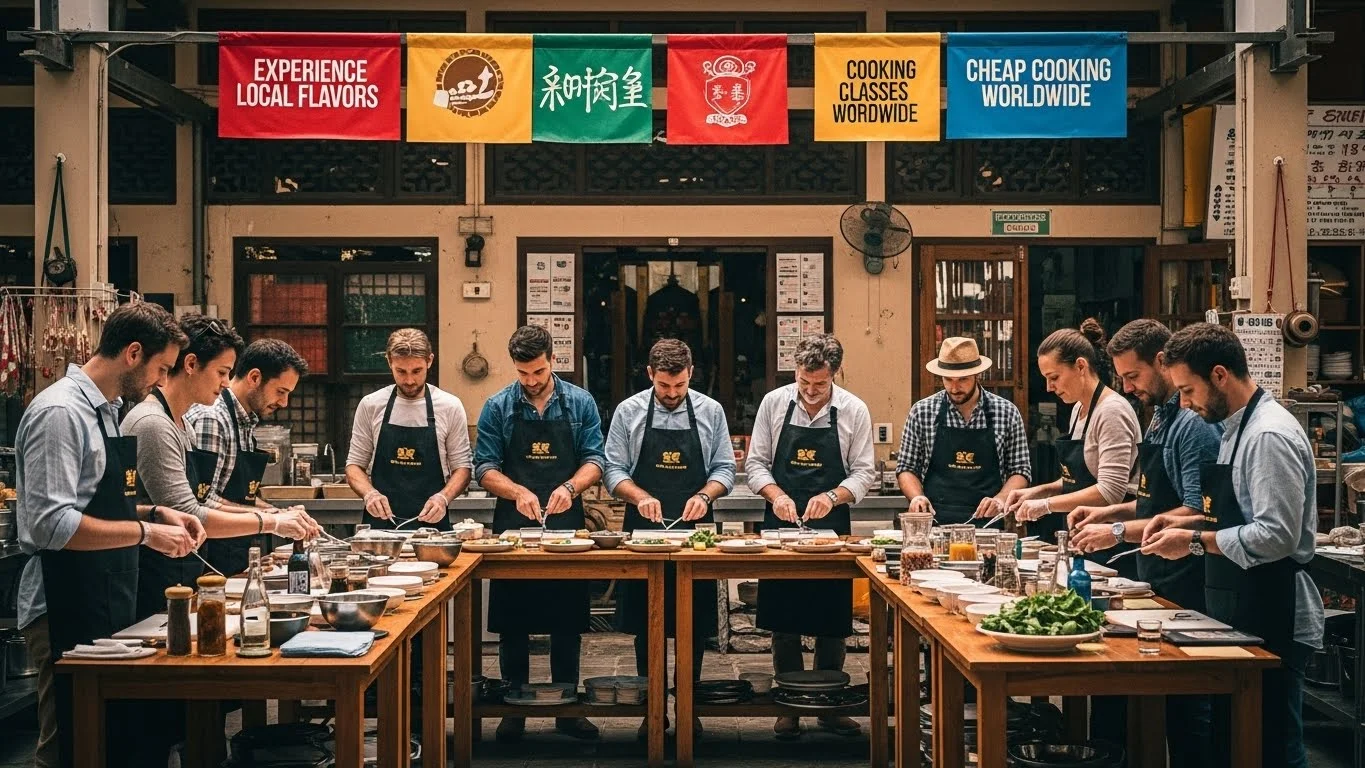
Understanding the Appeal of Cooking Classes
When I think about my travels, the most vivid memories often revolve around food. Cooking classes offer an immersive experience that goes beyond tasting dishes; they allow us to dive into the local culture, understand traditions, and even make lifelong friends. I’ve participated in various cooking classes, and each has enriched my understanding of the places I visited.
The Joy of Cooking
Cooking has a unique way of bringing people together. I remember my first cooking class in Italy, surrounded by strangers who quickly became friends. We laughed, shared stories, and learned together as we kneaded dough and stirred sauces. The joy of cooking is infectious, and I believe that this shared experience creates a bond that can last well beyond the kitchen.
For me, the act of cooking is a form of self-expression. Experimenting with local ingredients and flavors gave me a sense of creativity and accomplishment. I discovered new tastes and techniques, which made me appreciate the culinary arts even more. Each dish we prepared felt like a small piece of the local culture, and I left with both new skills and cherished memories.
Connecting Through Food
Food has an incredible power to connect us. During my travels, I’ve experienced how cooking classes can break down language barriers and create connections. In a bustling market in Bangkok, I joined a class where we learned to make Pad Thai. Despite our different backgrounds, we bonded over our love for food and our eagerness to learn. Sharing those meals together felt like a celebration of our unique stories.
Moreover, connecting through food is not just about the people in the class; it’s also about the local chefs and instructors. They often have fascinating stories about their culinary journeys. I recall a chef in Mexico City who shared his family’s recipes passed down through generations. I felt honored to learn from someone who was so passionate about his craft and culture. It’s experiences like these that make cooking classes so special.
Learning Local Culinary Techniques
One of the most rewarding aspects of cooking classes is the opportunity to learn local culinary techniques. Each region has its own unique methods and traditions that have been refined over time. I remember learning how to make fresh pasta in Tuscany, where the instructor emphasized the importance of using high-quality ingredients and traditional techniques. It was fascinating to see how these practices have shaped Italian cuisine.
In my experience, hands-on learning is the best way to grasp these techniques. I’ve found that when I’m actively involved in the cooking process, the skills and knowledge stick with me far longer. Not only do I get to taste the results, but I also leave with a deeper understanding of the culinary heritage of the place I’m visiting. It’s like carrying a little piece of that culture back home with me.
Moreover, each class usually emphasizes seasonal ingredients, which varies by location. In Thailand, for example, I learned to cook with fresh herbs and spices sourced from local markets. Understanding the importance of using fresh, local ingredients changed the way I approach cooking at home. I now look for ways to incorporate seasonal produce into my own meals, which has added a whole new layer of enjoyment to my cooking.
Cooking classes also often teach proper techniques that elevate your cooking skills. Whether it’s mastering the art of sushi rolling in Japan or learning the secret behind perfecting a mole sauce in Mexico, these skills are invaluable. I’ve found that the more I learn, the more confident I become in the kitchen, and that confidence spills over into my everyday cooking.
Finally, I think there’s something incredibly satisfying about creating a meal from scratch. From chopping vegetables to plating the final dish, I feel a sense of pride in my work. Cooking classes allow us to celebrate that process, and there’s nothing quite like sharing a meal you’ve prepared with new friends, all while surrounded by the beauty of a new culture.
Whether it’s the joy of connection, the thrill of learning, or the satisfaction of creating something delicious, cooking classes offer a rich and fulfilling experience. Each class I’ve taken has deepened my appreciation for food and the stories it tells. I can’t wait to find my next culinary adventure!
Top Destinations for Affordable Cooking Classes
When it comes to finding the best cooking classes, certain destinations stand out for their rich culinary traditions and affordable options. I’ve had the pleasure of exploring many of these places, each offering its unique flavors and experiences. Here are some top destinations that I believe are worth considering for your next culinary adventure. Read Interesting article: Explore the World: Best Cheap Travel Packages This Year
Italy: Mastering Italian Cuisine
Italy is a dream for food lovers. The moment I set foot in this beautiful country, I felt as though I had entered a kitchen filled with inspiration. Italian cuisine is all about fresh ingredients and traditional techniques, and there’s no better way to learn than through local cooking classes.
Regions to Explore: Tuscany, Sicily, and Emilia-Romagna
Tuscany is famous for its rustic dishes and emphasis on high-quality ingredients. I remember a cooking class in Florence where we prepared the classic ribollita soup. The instructor shared stories about the region’s history while we chopped vegetables and simmered broth. Similarly, Sicily offers a unique twist on Italian cooking with its vibrant flavors and influences from North Africa. I found a class there that focused on seafood and fresh herbs, truly capturing the essence of coastal cooking.
Emilia-Romagna is often referred to as the “food capital” of Italy. It’s the birthplace of pasta, and my experience making tortellini from scratch was unforgettable. Each region contributes its distinct flair, making Italy a must-visit for anyone wanting to dive into cooking.
Popular Cooking Schools and Classes
There are so many cooking schools in Italy, but a few stand out. For example, the Italian Cookery School in Florence is highly rated for its hands-on approach. In Bologna, I tried a class at the Food Studio, where we learned to make traditional sauces. I recommend doing some research to find classes that fit your schedule and interests, as each school has its unique style and offerings.
Thailand: Embrace Thai Flavors
Thai cuisine is a symphony of flavors, and my cooking experiences in Thailand were some of the most vibrant. Learning to balance sweet, sour, salty, and spicy was both a challenge and a delight.
Bangkok vs. Chiang Mai: Where to Learn?
Bangkok is bustling, with its street food culture and modern cooking schools. I took a class that began with a market tour, where we selected fresh ingredients for our dishes. In contrast, Chiang Mai offers a more relaxed atmosphere, perfect for those looking to immerse themselves in traditional recipes. I found that the classes here often included unique cultural experiences, such as learning about local herbs and their uses.
Recommended Cooking Schools
One school I highly recommend in Bangkok is Baipai Thai Cooking School. They focus on traditional recipes and techniques, which I found incredibly valuable. In Chiang Mai, the Thai Farm Cooking School offers a comprehensive experience, including a farm visit to gather ingredients. Each class I attended introduced me to authentic Thai flavors, making my taste buds dance!
Mexico: Authentic Mexican Cooking
When I think of Mexican cuisine, I imagine rich flavors and vibrant colors. Mexico offers some of the most authentic cooking classes, and they celebrate the country’s diverse culinary heritage.
Key Regions: Oaxaca and Mexico City
Oaxaca is known as the culinary heart of Mexico, famous for its moles and traditional cooking methods. I remember a class where we made a deep, complex mole sauce. The instructor explained the history behind each ingredient, turning cooking into a storytelling experience. In Mexico City, I found classes that focused on street food, allowing me to recreate beloved tacos and tamales.
Best Cooking Classes to Consider
One class that stood out to me was in Oaxaca at Casa de los Sabores, where the owner shared her family recipes with such passion. In Mexico City, the Culinary Institute of Mexico offers professional-level classes that are still accessible to amateurs like me. Each class helped me appreciate the depth of Mexican cuisine.
Japan: Discovering Japanese Culinary Arts
Japanese cuisine is a feast for the senses, and the precision involved in their cooking techniques is something I truly admired. I had the opportunity to learn about sushi, ramen, and even traditional sweets.
Tokyo vs. Kyoto: Class Options
Tokyo is fast-paced and full of modern culinary innovation. I took a sushi-making class that was both fun and informative. On the other hand, Kyoto offers classes that highlight traditional kaiseki cuisine, which reflects the seasons. I found the focus on aesthetics and presentation captivating.
Unique Cooking Experiences
One unique experience was a class where I learned to make matcha tea in Kyoto. The instructor taught us not just about the preparation but also the cultural significance of tea in Japan. This combination of cooking and culture made it a memorable experience for me.
India: Spice and Flavor Exploration
India is a land of spices, and the cooking classes here opened my eyes to a world of flavors I had never experienced before. Each region has its own specialties, making it an exciting destination for culinary exploration.
Regions for Cooking Classes: Delhi, Jaipur, and Kerala
In Delhi, I took a class that focused on North Indian cuisine, where I learned to make dishes like butter chicken and paneer tikka. Jaipur, on the other hand, is known for its rich Rajasthani flavors, and I found myself enamored with the use of spices. Kerala offers a different experience, focusing on seafood and coconut-based dishes.
Notable Cooking Schools and Programs
One cooking school I loved in Delhi was the Saffron Palate, which blends cooking with local market tours. In Kerala, the Spice Route Cooking School offers immersive experiences, including visits to spice plantations. Each class taught me new techniques and introduced me to the vibrant culinary culture of India.
Types of Cooking Classes Available
When it comes to cooking classes, there’s a wonderful variety to choose from, and I’ve had the chance to experience many of them firsthand. Each type offers unique advantages and can cater to different interests and skill levels. Let’s explore some of the most popular options.
Hands-On Classes vs. Demonstration Classes
One of the most engaging types of cooking classes is the hands-on class, where participants actively get involved in preparing meals. I remember a hands-on pasta-making class in Bologna where we rolled out dough, cut shapes, and created delicious sauces from scratch. Feeling the texture of the dough and shaping it with my own hands made the experience incredibly rewarding. In my opinion, these classes are perfect for anyone who wants to truly immerse themselves in the cooking process.
On the other hand, demonstration classes offer a different kind of appeal. In these classes, the chef showcases techniques while participants watch and learn. I attended a demonstration class in Tokyo focused on sushi making, where the chef expertly crafted each piece while explaining the ingredients and techniques. Watching a skilled chef work their magic was inspiring and gave me valuable insights into presentation and flavor combinations. Both styles have their merits, and I find that mixing them up throughout my travels keeps things fresh and exciting.
Market Tours and Cooking Classes
One of the most enjoyable experiences I’ve had combines a market tour with a cooking class. These classes typically start with a visit to a local market where participants get to select fresh ingredients. I had a fantastic time exploring the bustling markets of Bangkok, where the vibrant colors and scents were overwhelming! Choosing fresh produce, herbs, and spices from local vendors felt like an adventure in itself.
After gathering ingredients, we headed back to the kitchen to create dishes that highlighted what we had purchased. This approach not only taught me about local ingredients but also deepened my understanding of how they play a role in traditional cuisine. I’d recommend looking for classes that include market tours, as they offer a richer context for the cooking experience.
Specialized Classes: Vegan, Gluten-Free, and More
As dietary preferences become increasingly diverse, many cooking schools now offer specialized classes catering to specific needs, like vegan or gluten-free cooking. I took a vegan cooking class in California, which opened my eyes to the creative possibilities within plant-based cuisine. The instructor shared innovative techniques to bring out flavors using fresh herbs and spices, proving that vegan dishes can be both satisfying and delicious.
Similarly, I’ve seen gluten-free classes that teach participants how to create delightful baked goods without traditional flour. This is great for anyone who wants to explore new culinary avenues. I believe that these specialized classes can help break down barriers and allow everyone to enjoy the pleasures of cooking and eating, no matter their dietary restrictions.
What to Expect from a Cooking Class
Walking into a cooking class can be a mix of excitement and nerves, especially if it’s your first time. However, knowing what to expect can help ease those jitters and allow you to fully enjoy the experience. Here’s a breakdown of what typically happens in a cooking class.
Typical Class Structure
Most cooking classes start with an introduction to the chef and the dishes we’ll be preparing. I find that this part often includes a little history about the cuisine and ingredients, which sets the stage for what’s to come. After that, we usually dive right into the cooking process, with the chef guiding us step by step. I appreciate when classes encourage questions, as it creates a more interactive and engaging environment.
Classes often end with everyone sharing the dishes we’ve prepared, which is one of my favorite parts. Sitting down with fellow participants to enjoy the fruits of our labor creates a sense of camaraderie that makes the experience even more special.
Ingredients and Equipment Provided
In my experience, most cooking classes provide all the necessary ingredients and equipment, so you don’t have to worry about bringing anything. It’s always a thrill to see what fresh, local produce is available for use. Classes typically have everything from knives to mixing bowls ready for participants, which allows us to focus entirely on cooking. I love seeing how different schools approach this aspect; some even encourage you to bring your own personal tools if you’re attached to them.
Learning Outcomes and Skills Gained
At the end of a cooking class, I always walk away with newfound skills and knowledge. Whether it’s mastering a specific technique like knife skills or learning how to balance flavors, I feel empowered to recreate what I’ve learned at home. It’s amazing how much I’ve absorbed during these classes, and I often find myself applying these lessons long after the trip is over. For anyone considering a cooking class, I highly recommend keeping an open mind and being ready to embrace the learning experience. Read Interesting article: Travel Smart: 7 Hacks for Eating Cheap on Your Journey
Frequently Asked Questions
What are the benefits of taking cooking classes while traveling?
Cooking classes provide an immersive experience that allows travelers to dive into local culture, understand traditions, and make lifelong friends. They enrich travel adventures by creating memorable food-related experiences.
How do cooking classes help in connecting with people?
Cooking classes break down language barriers and foster connections among participants. Sharing meals and cooking experiences allows individuals from diverse backgrounds to bond over their love for food.
What types of culinary techniques can be learned in cooking classes?
Cooking classes often teach local culinary techniques unique to each region, emphasizing the importance of high-quality ingredients and traditional methods. This hands-on learning helps participants grasp these techniques effectively.
Can you provide examples of popular cooking class destinations?
Some top destinations for cooking classes include Italy, Thailand, Mexico, Japan, and India. Each of these countries offers rich culinary traditions and unique cooking experiences.
What kind of cooking classes are available?
There are various types of cooking classes, including hands-on classes, demonstration classes, market tour classes, and specialized classes for dietary preferences such as vegan or gluten-free cooking.
What can participants expect from a typical cooking class?
Participants can expect an introduction to the chef and dishes being prepared, a step-by-step cooking process, and an opportunity to share the finished dishes with fellow participants, creating a sense of camaraderie.
Are ingredients and equipment provided in cooking classes?
Most cooking classes provide all necessary ingredients and equipment, allowing participants to focus entirely on cooking without having to bring anything from home.
What skills can one gain from attending a cooking class?
Attending a cooking class can help participants master specific techniques, balance flavors, and gain confidence in the kitchen, empowering them to recreate dishes at home.
How do market tours enhance cooking classes?
Market tours enhance cooking classes by allowing participants to select fresh ingredients, providing a richer context for the cooking experience and deepening their understanding of local cuisine.
What is the overall appeal of cooking classes?
The overall appeal of cooking classes lies in the joy of connection, the thrill of learning new culinary skills, and the satisfaction of creating delicious meals, all of which enrich the travel experience.